My TMJ Journey to a Healthy and Beautiful Smile – Kathy’s Story

By: Dr. Elizabeth Eggert

How did this start?

Kathy has been a patient of Dr. Elizabeth Eggert for well over 10 years.  When she came as a new patient, she started by seeking guidance about how to proceed with treatment recommended previously by her former dentist.  She shared that her past dental experiences had not always been positive and that she was looking for a provider she could trust, someone who would take the time to understand her concerns and help her move forward with confidence.

At the time, Kathy told Dr. Elizabeth that she often had significant jaw discomfort related to her “TMJ” or temporomandibular joint.  Pain at the TMJ is often referred to as TMD or temporomandibular joint dysfunction.  This condition often involves the joints themselves, but can also be related to muscles or nerves, as well as alignment, sleep, airway, or mental health issues.  Common symptoms include pain in the face, neck, and jaw, as well as clicking, popping, or even locking of the jaw.  In Kathy’s case, she reported increasing jaw pain following prior dental work and had developed a habit of chewing primarily on one side to avoid discomfort.

TMD can be influenced by several factors, including stress, bruxism, joint injury, or underlying conditions such as Arthritis.  Kathy’s dental history was complex, involving multiple restorations, including crowns, bridges, and root canal treatments, all of which required careful evaluation as part of her comprehensive care plan.

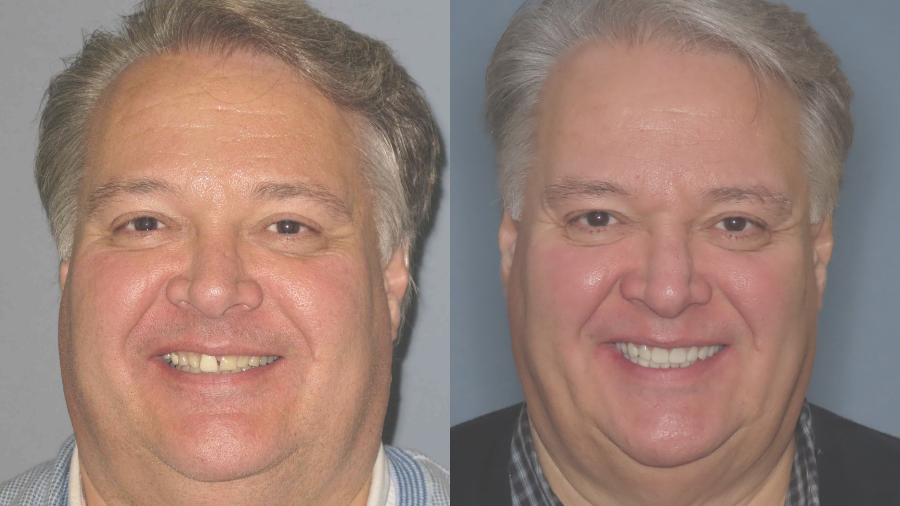
Kathy before

What was recommended?

Initially, Kathy wasn’t looking for a comprehensive plan, and she was able to manage her TMD, so Dr. Elizabeth did the treatment Kathy needed, including replacing a bridge due to decay.  But, over the years, Kathy experienced a number of medical systemic issues, and her TMD got harder for her to manage on her own.  Dr. Elizabeth then talked to Kathy about undergoing the Records Process to better understand the underlying causes of her discomfort and guide her to appropriate treatment.  It took Kathy nearly six years – and several additional crowns and fillings before she felt ready to move forward with this recommendation, but eventually she was ready.

The Records Process is a detailed diagnostic approach that allows Dr. Elizabeth or Dr. Jeff to evaluate not just the teeth, but the entire system.  In Kathy’s case, it really helped both Kathy and Dr. Elizabeth understand that Kathy’s bite was playing a large role in her TMD.

anterior deprogrammer

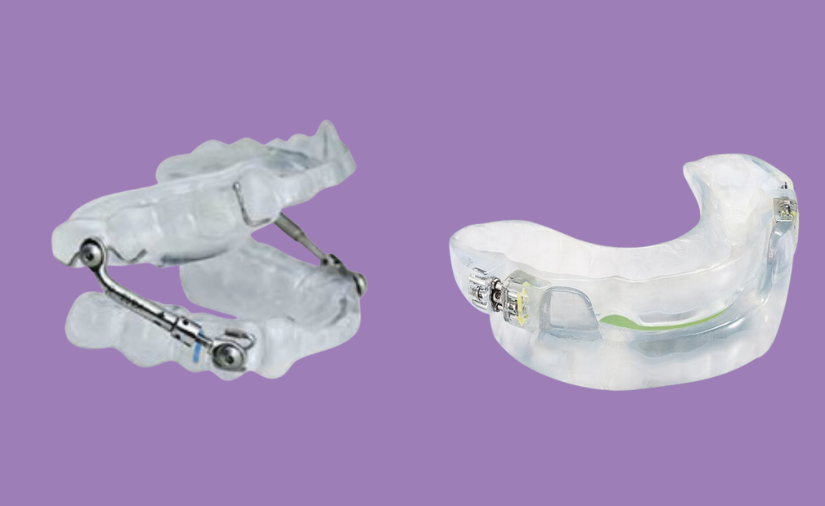
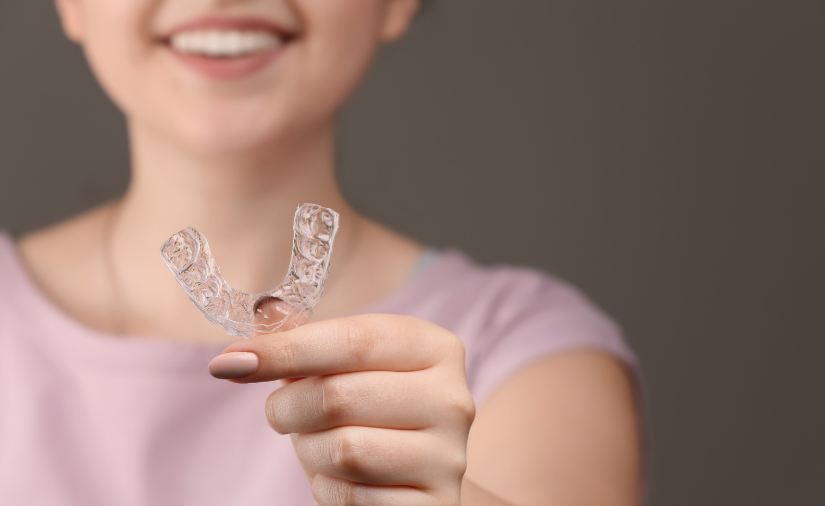
The first recommendation for Kathy was for her to undergo splint therapy with an Anterior Deprogrammer splint.  This type of appliance is designed to help relax the jaw muscles, reduce strain on the joints, and to help determine the position where Dr. Elizabeth could help create a more stable, comfortable bite for Kathy.  It would be an important step in managing her TMD.

What was involved?

Following five months of splint therapy, Kathy experienced significant improvement in her comfort and jaw function.  With the information Dr. Elizabeth got from splint therapy, she was able to help Kathy understand that the current positions of her teeth were contributing to her TMD.  It would take a lot of dentistry or some dentistry and orthodontics to position Kathy’s teeth into a more stable bite.  Kathy elected to change her teeth and forgo orthodontics so a plan was developed to redesign her whole dentition.

A laboratory wax-up was completed to serve as a precise “blueprint” for Kathy’s future restorations.  This step ensured that both Kathy’s functional goals and aesthetic expectations were carefully aligned.

Over the course of two appointments, nearly all her teeth were meticulously prepared for the placement of custom porcelain crowns and veneers.  These restorations were designed to improve her bite and overall function, but Kathy was also satisfied that they enhanced the appearance of her smile as well.  Kathy didn’t complete all of her treatment at once, and so she initially continued to have some issues with her bite instability and TMD, but as she finished the work on all her teeth, she noticed a vast improvement for her stability and pain.

Kathy After

What does Kathy think?

Patient feedback is an essential part of how we evaluate and continually improve the care we provide.  We asked Kathy to share her perspective – what she thought before beginning treatment, how she feels now that it’s complete, and what she would say to others considering a similar procedure.

Kathy told us that before treatment, she was probably a little skeptical, which is why it took her a while to get started.  But, now that her treatment is complete, she said, “It’s fixed problems I should have addressed a long time ago.  I probably should have done it sooner.  It’s helped relax my jaw, and of course, the teeth look wonderful!”

Her experience reflects the kind of functional and esthetic improvements often seen when underlying bite issues and temporomandibular joint dysfunction are properly diagnosed and treated.

When asked what she would say to someone considering this type of treatment, Kathy added,

“It’s worth it, especially if you’ve had ongoing problems like I did. Just be prepared, it’s a process. You have to have patience and put your trust in Dr. Elizabeth.

Kath After Restorations

Congratulations, Kathy!  Thank you for placing your trust in our team throughout this journey.  At Eggert Family Dentistry, we are committed to helping our patients achieve a lifetime of healthy, confident smiles and yours is a shining example of what’s possible with thoughtful, comprehensive care.

It has been a privilege to guide you through each step of this process, from addressing your temporomandibular joint dysfunction to restoring both your function and esthetics.  We look forward to continuing to care for you and your family for many years to come!

A New Bite, A New Life: How Full Mouth Reconstruction Can Transform Your TMJ and Breathing

By: Dr. Elizabeth Eggert

If you’ve been living with jaw pain, worn teeth, or chronic discomfort, you may not realize how much your bite is affecting your entire body. A full mouth reconstruction—essentially rebuilding and rebalancing all of your teeth—is about far more than just a beautiful smile. At its core, this treatment is designed to bring your teeth, muscles, and jaw joints into harmony. When everything works together the way it should, you can experience less pain, better function, and even improvements in how you breathe and sleep.

When your bite is off, your temporomandibular joints (TMJs) and surrounding muscles are forced to compensate. This imbalance can lead to TMD (temporomandibular disorder), which may show up as jaw pain, headaches, clicking, or even neck and shoulder discomfort. As we’ve noted in previous blog articles, misalignment places excessive pressure on certain teeth and muscles, leading to inflammation and dysfunction. By rebuilding your bite through a full mouth reconstruction, you help redistribute those forces evenly—allowing your jaw muscles to relax and your joints to function the way they were designed to.

What many people don’t realize is that your bite and jaw position can also influence your airway. At Eggert Family Dentistry, advanced diagnostic approaches—including our CBCT technology—help us view the TMJ and the airway like never before. This also helps us better understand how your jaw position impacts breathing, which gives us an inkling as to why you may overwork the jaw muscles like you do. In some cases, adjusting the position of your teeth and jaw through a full mouth reconstruction can help open your airway, encouraging more nasal breathing and better sleep. Dr. Elizabeth Eggert and Dr. Jeff Eggert use a step-by-step approach to find an ideal jaw position for you. They can demonstrate how closely connected your bite, breathing, and overall health truly are.

When you undergo a full mouth reconstruction at Eggert Family Dentistry, you’re not just getting new teeth—you’re getting a comprehensive plan tailored specifically to you. As described on our website, the process begins with detailed records and a thorough evaluation of how your muscles, jaw, and teeth all work together. From there, Dr. Elizabeth Eggert and Dr. Jeff Eggert of North Oaks, MN design a step-by-step treatment plan using restorations like crowns, veneers, or fillings to create a balanced, functional, and esthetic result. The goal is to bring your entire system into harmony so everything “works and looks just right.”

What truly sets this care apart is the life-changing impact it can have. Many patients who complete a full mouth reconstruction report not only a more confident smile, but also significant relief from chronic discomfort and improved day-to-day function. While not every patient needs this level of treatment, Dr. Elizabeth Eggert and Dr. Jeff Eggert have the advanced training to identify when it is appropriate—and the results are transformative. If your bite has been holding you back, this comprehensive approach could help you feel better, sleep better, and live more comfortably than you have in years.

Learn more and schedule your comprehensive evaluation to see if this treatment is right for you. Call Eggert Family Dentistry at 651.482.8412.

Could Your Jaw Be Affecting Your Breathing? The Hidden TMJ-Airway Connection

By: Dr. Elizabeth Eggert

A lot of patients come into Eggert Family Dentistry thinking they have just one issue. Maybe it’s jaw pain that won’t go away, or maybe it’s snoring that’s starting to affect their sleep. Some people don’t even notice a specific problem; they just feel tired, foggy, or uncomfortable throughout the day.

When Dr. Elizabeth Eggert and Dr. Jeff Eggert start asking a few more questions, a bigger pattern often begins to show. Symptoms that seem unrelated at first (like jaw-clenching and trouble breathing) can actually be very much connected. And in many cases, the airway is a big part of that story.

What Is the TMJ?

Temporomandibular Joint

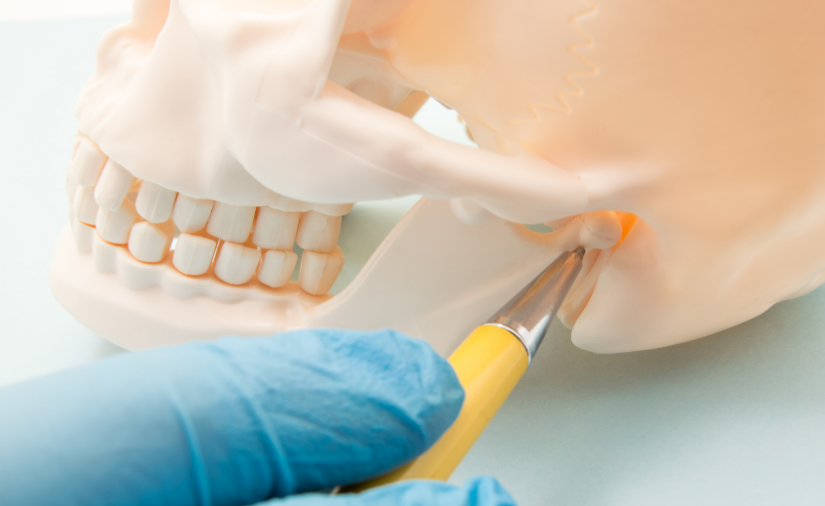
Put simply, the TMJ (temporomandibular joints) are the connected joints that allow your jaw to move. You have two TMJ’s, located by your right and left ears. Unlike any other joints in the body, your TMJ’s are splinted together by your mandible (lower jaw bone) and all your teeth affect how your TMJ’s function. Therefore, the TMJ’s are not independent joints and they have heavy influencers.

Most people think of TMJ problems as just jaw pain or clicking. Those certainly are common symptoms, but there are a lot of other signs to keep an eye out for. At Eggert Family Dentistry, Dr. Elizabeth Eggert and Dr. Jeff Eggert often see patients with TMJ problems (known as temporomandibular joint disorder, TMD) who also experience:

  • Breathing difficulty or shortness of breath
  • Snoring
  • Headaches
  • Facial pain
  • Difficulty chewing or opening the mouth
  • Ear pain
  • Tooth pain or damage

These symptoms don’t always point clearly to a single cause, which can make TMJ issues more complex than they first appear — and in many cases, they overlap with concerns related to airway health (especially when breathing or sleep is affected).

👉Learn more here: Understanding TMD: Causes, Symptoms, and Treatment Options

When airway-related symptoms are part of the picture, a deeper connection needs to be explored.

What Do We Mean by “Airway Health?”

Airway health is all about how easily air moves through your nose, mouth, throat, lungs, and really your whole body. Ideally, you breathe through your nose, which helps filter and prepare the air before it reaches your lungs.

👉Nasal breathing can be challenging this time of year! Check out Dr. Elizabeth Eggert’s blog: Breathe Easier: How to Improve Your Nasal Breathing During Allergy Season

But many people (especially during sleep) breathe through their mouth or have some level of restricted airflow. When that happens, the body starts to adapt. Over time, those changes can affect how the muscles in the face and jaw work, as well as posture and even the TMJ-airway connection.

In children, this is especially important. Snoring or mouth breathing can be a sign that airflow is partly blocked. Even if a child is growing or the pediatrician says the child is developing fine, disrupted breathing at night can affect sleep quality, growth, and focus during the day.

👉Learn more here: What Thumb-Sucking, Pacifiers, and Snoring Mean for Children’s Oral Development

Mouth breathing also changes how the tongue and jaw develop. Instead of supporting normal growth, the mouth will develop with less space, which can lead to crowding or bite issues over time.

That’s why Dr. Elizabeth Eggert and Dr. Jeff Eggert at Eggert Family Dentistry in North Oaks, MN look at airway health as part of the bigger picture; it can affect breathing, sleep, and oral development more than most people realize.

How the TMJ and the Airway Are Connected

Your TMJ and your airway are closely connected. The position of your jaw directly affects where your tongue rests, and that, in turn, affects how open your airway is.

🦷 Try it now — take a nice, deep breath in your neutral position. Good, right?

If the jaw sits too far back or moves in a certain way, it can reduce the space available for airflow, prompting the body to naturally adapt. One common response is to shift the jaw forward to help open the airway (especially during sleep). Over time, this repeated adjustment is very hard on your muscles and it will lead to changes in the bite and increased stress on the TMJ.

🦷 Now, try it again — move your jaw forward. Take a deep breath. Notice how your tongue moved too? And how your jaw felt a little strained? Imagine breathing like that all night! Of course, if you already breathe “normally” in this forward position, try putting your jaw back and notice if you struggle more to breathe.

This TMJ-airway connection goes both directions. TMJ dysfunction can influence the airway by affecting muscle balance and jaw position, while airway obstruction can lead to habits like clenching or grinding that strain the joint and muscles. This creates a cycle where breathing issues and jaw problems continue to reinforce each other over time.

TMD

TMJ dysfunction → Airway becomes restricted → Breathing becomes harder → Body compensates → TMJ strain (or strain in other areas of the body) → Repeat

How Eggert Family Dentistry Can Help

Many people don’t realize that dentists like Dr. Elizabeth Eggert and Dr. Jeff Eggert can play an important role in identifying airway-related issues. Because they routinely evaluate the teeth, jaw, tongue, and surrounding structures, dentists are uniquely positioned to notice patterns that might otherwise go overlooked. Unfortunately, not everyone in the dental profession understands this link. At Eggert Family Dentistry, Dr. Jeff and Dr. Elizabeth have studied these links over many years and have dedicated hundreds of hours to continuing education (CE) courses to learn more so you can stay healthier!

👉Dr. Elizabeth Eggert explains it more here: The Link Between Airway and Dental Issues

At Eggert Family Dentistry, care begins with a thorough evaluation that may include:

  • A physical exam
  • A discussion of symptoms and sleep habits
  • An assessment of jaw function
  • Imaging, when needed, to better understand underlying structures

Dr. Elizabeth Eggert and Dr. Jeff Eggert take a comprehensive approach, connecting the dots between symptoms rather than viewing concerns like jaw pain or breathing issues in isolation.

Treatment Approach

Essix

Depending on the patient’s needs, treatment options for issues with the TMJ-airway connection always starts with The Records Process, but then may include:

  • Custom oral splints
  • Stress-management techniques such as exercise, meditation, and breathwork
  • Occlusal equilibration (a process which involves subtly and precisely reshaping the biting surfaces of the teeth to correct the alignment of the bite and the position of the jaw)
  • Orthodontics
  • Jaw surgery, which may include specific surgeries related to TMD

At Eggert Family Dentistry, the goal is to go beyond just relieving symptoms. Tackling the root cause helps patients breathe more easily, sleep more soundly, and reduce long-term strain on the jaw, muscles, and teeth.

👉 Check out a real patient success story: Ann’s Story. See how Dr. Elizabeth Eggert guided Ann through a comprehensive evaluation that uncovered how her airway was being affected. Along the way, Ann gained a deeper understanding of what was happening and felt confident choosing a treatment plan that truly fit her needs.

Eggert Family Dentistry’s Whole-Health Approach to the TMJ-Airway Connection

If you’ve been dealing with jaw pain or breathing issues, you don’t have to figure it out alone. These symptoms are often connected in ways that aren’t immediately obvious, and getting the right perspective can make all the difference.

At Eggert Family Dentistry, Dr. Elizabeth Eggert and Dr. Jeff Eggert take a whole-health approach, looking beyond individual symptoms to understand how your jaw and airway work together to contribute to your overall wellness. It’s about so much more than simply relieving discomfort; it’s about helping you breathe and feel better every day.

If any of this sounds familiar, we invite you to schedule an evaluation and see us for comprehensive dental care. Call 651.482.8412 to schedule your next appointment.

We can’t wait to see you soon!

What Thumb-Sucking, Pacifiers, and Snoring Mean for Children’s Oral Development

By: Dr. Elizabeth Eggert

Thumb-sucking. Pacifiers. Snoring.

If you’re a parent, you’ve probably dealt with at least one of the “big three” (if not all of them).

These habits may be incredibly common in early childhood. However, are they really a harmless phase or are they a cause for concern — how long is it really before these habits start affecting your child’s growth, sleep, and long-term oral health?

During Children’s Dental Health Month, Drs. Elizabeth and Jeff Eggert want parents to feel empowered when it comes to supporting children’s oral development. That means understanding what’s typical, what’s not, and which signs may be worth a closer look.

Let’s break it down together.

The Big Picture

When most people think of children’s dental care, they think of candy-induced cavities and teething pains. But the truth is, children’s oral development is about much more than teeth.

Your child’s mouth, jaw, tongue, airway, and facial muscles all work together to support things like:

  • Healthy breathing through the NOSE
  • Clear speech development
  • Proper swallowing patterns
  • Balanced facial and oral growth
  • Comfortable and restful sleep
  • Strong, aligned teeth and jaws

These early years are a major growth window. That’s why childhood habits like thumb-sucking, pacifier use, or chronic mouth breathing influence not just your child’s smile, but their overall development too.

Pacifiers and Thumb-Sucking: When to Start Paying Attention

If your baby uses a pacifier or sucks their thumb, take a deep breath. Many people find comfort in being able to soothe their children.

These habits can be soothing and developmentally normal in the earliest of childhood development. And, many babies naturally outgrow the need to use these interventions without any stress.

That said, the timing does matter. At some point, thumb-sucking and pacifiers do become cause for concern. Generally, concerns increase when:

  • The habit continues as teeth begin coming in
  • The habit becomes very frequent or intense

Some children may keep sucking habits longer than expected, especially during stressful transitions (new sibling, starting preschool, changes in routine). If that’s the case in your home, you’re not alone. It may simply be a sign that your child needs a little extra support and a gentle, consistent plan.

Drs. Elizabeth and Jeff Eggert often remind families it’s not about shame or pressure — it’s about guiding development at the right time and starting as early as possible to help the child break the habit.

The Long-Term Impact of Prolonged Sucking Habits

Thumb-sucking and pacifier use don’t automatically cause problems, but when they last too long or happen too often, they influence how the mouth grows.

Some possible changes include:

  • Open bite (front teeth don’t touch when biting down)
  • Protruding front teeth
  • Narrower palate (roof of the mouth)
  • Crowded teeth
  • Changes in jaw growth patterns

These changes can affect more than appearance. They may impact chewing, speech development, cognitive development, and how easily teeth stay clean.

The earlier these issues are noticed, the easier it can be to support healthier growth patterns with simple, proactive guidance.

If you want to learn more about how thumb-sucking and pacifier use affects dental and facial development in children, Eggert Family Dentistry has a great resource here: How Thumb Sucking and Pacifier Use Affects Dental and Facial Development in Children

Snoring, Mouth Breathing, and Children’s Oral Development

This is a big one, and it’s often overlooked.

Many parents assume snoring is “just cute,” especially if their child seems otherwise healthy or if their pediatrician doesn’t say anything. But in pediatric dentistry, snoring is a HUGE red flag into letting us know that developmental issues are occurring.

Why Snoring Deserves a Closer Look

Oxygen is essential for every system in the body. Your child’s brain, immune system, growth, and mood all depend on steady, high-quality breathing — especially at night when their body and brain are doing so much of their development and repair.

Snoring is a sign that your child’s airflow is partially blocked. That can lead to lighter, more disrupted sleep, even if your child stays in bed all night. Over time, poor sleep quality can show up as daytime symptoms that don’t seem connected at first, such as fatigue, irritability, trouble focusing, or hyperactive behavior.

Mouth Breathing Changes How the Mouth Grows

When kids cannot breathe comfortably through their nose, their bodies will adapt to get enough air. This manifests as mouth breathing.

Mouth breathing matters because it affects more than airflow. It changes the way the tongue, lips, and jaw rest throughout the day and night. The tongue is designed to rest gently against the roof of the mouth, where it supports healthy palate development and guides both how the  jaws grow as well as how the nasal airway grows. When the tongue rests low instead, the palate develops higher and narrower and the jaws grow with less space for teeth and proper alignment.

Over time, mouth breathing contributes to:

  • A narrow palate and crowded teeth
  • Bite issues (such as open bites or crossbites)
  • A longer, more vertical facial growth pattern
  • Dry mouth (which increases plaque buildup and cavity risk)
  • Gum irritation and inflammation
  • More plaque buildup due to reduced saliva protection

Understanding Orofacial Myofunctional Disorders

Orofacial myofunctional disorders (OMDs) involve how the tongue, lips, and facial muscles function at rest and during swallowing and speech. These patterns often develop alongside chronic mouth breathing and can impact everything from speech clarity to bite development.

Eggert Family Dentistry in North Oaks, Minnesota explains this in more detail here: Orofacial Myofunctional Disorder and Its Effect on Breathing

Airway Issues Affect More Than Sleep

When breathing is disrupted at night, parents may notice signs like:

  • Daytime fatigue (even after a full night in bed)
  • Difficulty focusing or brain fog
  • Behavioral changes or irritability, including signs and symptoms of ADHD
  • Bedwetting
  • Teeth grinding

This is why Dr. Elizabeth Eggert and Dr. Jeff Eggert encourage parents to take snoring seriously. It influences children’s oral development, sleep quality, and overall health as they grow.

You can also explore the connection between snoring, mouth breathing, and oral health here: The Impact of Healthy Childhood Habits on Airway and Oral Health

Simple Steps Parents Can Take at Home

You don’t need to panic, or do everything at once. Small steps make a big difference, especially when they’re consistent.

Helping Kids Move Away From Thumb-Sucking and Pacifiers

If your child is still thumb-sucking or relying heavily on a pacifier past the age of 6 months to one year, a gentle, supportive approach is often the most effective. Kids tend to use these habits for comfort; with the right plan, they can transition away from them without stress.

The first step is to simply spot the pattern. Pay attention to when your child typically starts reaching for that thumb or pacifier. It’s often during bedtime, screen time, car rides, or stressful moments.

Once you know what triggers it, you can respond more intentionally instead of feeling like you’re constantly correcting it. Try supportive strategies like:

  • Praise progress, not perfection
  • Offer comfort replacements (stuffed animal, blanket, sensory toy)
  • Use a simple reward chart for “thumb-free” time
  • Create a bedtime routine that reduces anxiety

Avoid punishment or shaming. It should feel like you and your child versus the thumb or pacifier — not you versus your child. Many kids don’t even realize they’re doing it, much less that it’s a problem.To your child, it feels good, they don’t understand the implications of altered growth.

Encouraging Nasal Breathing and Better Sleep

Breathing through the nose and keeping the tongue in a healthy resting position play a bigger role in children’s oral development than most parents realize.

If you want to encourage better habits at home, start with small, realistic changes:

  • Have your child use saline nasal spray daily to keep the nasal airway clear and open
  • Address allergies with your pediatrician if needed
  • Use gentle “lips together and breathe through your nose” reminders
  • Encourage side sleeping so your child’s tongue doesn’t block their airway
  • Use a humidifier to reduce nighttime congestion
  • If other options aren’t working, use Myobrace Therapy with Dr. Elizabeth Eggert [link to myobrace blog and this month’s patient of the month blog]

These small habits can support better sleep, healthier facial growth, and a more balanced bite.

When It’s Time to Ask a Professional

recare visit

Some habits simply fade with time. Others can quietly shape how your child’s mouth, jaw, and airway develop. Well before these become long-lasting habits with emerging side effects, it is worth scheduling an evaluation with Eggert Family Dentistry so you can catch concerns early and get guidance that’s specific to your child.

Consider scheduling an evaluation if you notice:

  • Frequent snoring
  • Mouth breathing during the day or night
  • A pacifier or thumb-sucking habit that isn’t improving with time
  • Bite changes (open bite, teeth shifting forward)
  • Speech concerns
  • Tongue thrusting

Even if everything turns out to be normal, having Dr. Elizabeth Eggert or Dr. Jeff Eggert take a look can give you clarity and peace of mind. Sometimes the best next step is simply getting answers and reassurance

Children’s Dental Health Month is the perfect time to check in, ask questions, and feel confident you’re supporting your child’s healthiest development. If you’d like expert support, Dr. Elizabeth Eggert and Dr. Jeff Eggert at Eggert Family Dentistry are here to help you navigate every stage of children’s oral development with reassurance and personalized care. We recommend early evaluations and love seeing children for their first dental visits by the time of their 1st birthday.

Call or text us at 651.482.8412 to schedule your next appointment. We can’t wait to see you soon!

Waking Up Tired? Your Dentists at Eggert Family Dentistry Might Hold the Key to Better Sleep

By: Dr. Elizabeth Eggert

The quality of our sleep can make or break the day ahead. There’s nothing like a clear head and boatloads of motivation after a solid night’s sleep! Consistent, quality sleep can set us up for success in all aspects of life. Conversely, over time, poor sleep can take a toll—affecting our focus, job performance, relationships, and overall well-being. Surprising to many, dental interventions like the Seattle Protocol and oral sleep appliances are often the key to better sleep. Read on to learn more!

Understanding Sleep-Disordered Breathing

Just because your head is on your pillow for 7-9 hours at night, you’re not guaranteed solid sleep. If you’re waking up feeling tired and you’re fighting daytime fatigue, you may be struggling with sleep-disordered breathing.

Sleep-disordered breathing (SDB) encompasses a range of conditions that interfere with normal airflow during sleep. The most commonly understood form of SDB—sleep apnea—occurs when the airway becomes partially or completely blocked, often due to the jaw’s position or relaxed throat muscles and tissues. Symptoms can include loud snoring, gasping for air, morning headaches, dry mouth, and daytime fatigue, among others. There are many other patterns of sleep disordered breathing that aren’t as extreme as sleep apnea, but can still cause you to get poor quality sleep. Working to address any SDB is beneficial to your overall health.

The Role of Dentists in Treating Sleep Apnea

You might not expect your dentist to be the one to help with sleep issues, but they’re actually in a unique position to identify and treat sleep disordered breathing, including sleep apnea. At Eggert Family Dentistry, we specialize in evaluating the structure and function of your jaw and airway, as well as the status of your teeth, to determine whether they may be contributing to sleep dysfunction.

The Seattle Protocol and Its Benefits

So where does it all begin? The Seattle Protocol is a six-step process that helps patients with symptoms of sleep-disordered breathing and other conditions to determine whether a compromised airway is causing their ailments.

Each of the six steps builds upon the last to open the airway as much as possible, but patients don’t necessarily need to complete the entire process to identify their best solution. The purpose of the protocol is to determine which step provides the patient with the most relief of symptoms.

The Six-Step Seattle Protocol Process:

  1. Nose Breathing and Mouth Taping: During this stage, you will gently train your body to breathe through your nose, not your mouth.
  2. Temporary Splint for Lower Jaw and Mouth Taping: Once you’ve adjusted to the mouth taping, the second step of the protocol adds a temporary splint for your lower jaw while you sleep.
  3. Temporary Splint for Lower Jaw with Lower Jaw Pulled Forward and Mouth Taping: If adding the lower splint only isn’t giving you the restful sleep you deserve, we add an element that holds your lower jaw forward.
  4. Temporary Splint for Lower and Upper Jaw with Mouth Taping: If you aren’t getting relief from the previous step, we remove the forward jaw posturing component and add a splint for your upper jaw.
  5. Temporary Splint for Lower and Upper Jaw with Lower Jaw Pulled Forward and Mouth Taping: If you need to continue in the protocol, step five again adds a horizontal component by linking the upper and lower splints together and moving the lower jaw forward.
  6. Temporary Splint for Lower and Upper Jaw with Lower Jaw Progressively Pulled Forward and Mouth Taping: If you still aren’t getting that good night’s sleep, we move to the final stage of the Seattle Protocol. In this stage, we keep moving your lower jaw forward incrementally until you feel well-rested.

Once they gather information from the Seattle Protocol—and if they determine that sleep-disordered breathing is a factor for you—Dr. Elizabeth Eggert and Dr. Jeff Eggert can create a custom night guard or splint or sleep appliance that opens up your airway and curbs any inflammation or damage to your teeth, jaws, or soft tissue. These custom-fit devices gently reposition the jaw to keep the airway open while you sleep—reducing snoring and improving oxygen flow. These appliances are non-invasive, convenient, and generally more comfortable than a CPAP machine.

At Eggert Family Dentistry, our ultimate goal is to help you reclaim the rest your body and brain need to thrive.

Are You Struggling With Sleep?

Be mindful of your symptoms. Take note of how often you feel fatigued, whether you snore, or if you wake up frequently during the night. It’s also helpful to ask your partner about any sleep habits they’ve noticed. Partners often detect signs of sleep apnea or other disturbances that may go unnoticed by the person experiencing them. And, partners aren’t always willing to share what they know about your sleep habits unless you ask, since they don’t want to hurt your feelings!

Next, schedule a consultation with Eggert Family Dentistry. We’ll assess your symptoms and explore whether sleep-disordered breathing could be the underlying issue. If it is, we’ll work with you to create a customized treatment plan. Professional solutions, such as a tooth-based appliance or other interventions, can even contribute to better overall health.

You don’t have to suffer from inferior sleep. Give us a call at 651.482.8412 to set up your appointment with Dr. Elizabeth Eggert or Dr. Jeff Eggert and see if dentistry holds the key to unlocking the key to better sleep for you!

“Can I Get a New Night Guard?” – Sleep Questions Addressed with the Seattle Protocol and a New Splint – Ann’s Story

By: Dr. Elizabeth Eggert

How did this start?

Ann returned to Eggert Family Dentistry a few years ago after concerns arose at her previous dental office, where she often felt she was being “up-sold” on dental recommendations.  In addition, her husband and mom have been patients at Eggert Family Dentistry for years and have been very happy with their experiences.  Ann made it very clear from the start that her main concern is overall tooth health, and while she wants a beautiful smile, she is happy with her smile, so she didn’t feel the need to discuss cosmetic options.  Ann mentioned at her new patient appointment that she had undergone a sleep study and she was told she didn’t have sleep apnea, but she has been told she snores so she wonders if she is as rested as she could be.  She was also told by her previous dentist that she had “TMJ” or Temporal Mandibular Joint Disorder (TMD) and wanted Dr. Elizabeth’s opinion on that.  Ann really didn’t have many symptoms of TMD and she wanted to better understand what the previous dentist was seeing.

Before

What was revealed during the records process?

Dr. Elizabeth invited Ann to come back for The Records Process in order to help Ann understand her current dental conditions, including the status of her potential TMD.  In the Records Process, we used models, photos, and x-rays, as well as results from an extensive analysis of how Ann’s teeth function.  The details of The Records Process revealed that Ann had some evidence of an unstable bite and while it wasn’t causing Ann day-to-day problems, it has the potential to cause faster breakdown of her jaw joints, muscles, and teeth.  In addition, with her snoring, Ann had the option of working through the Seattle Protocol, an innovative approach to treating sleep disordered breathing with dental resources, like dental splints.  Even though Ann did have evidence of TMD (without current symptoms), she wasn’t interested in pursuing treatment for that, which may have included orthodontics, but she was interested in helping her snoring, so she elected to undergo the Seattle Protocol.

Ideal TMJ Anatomy

What was involved?

The Seattle Protocol helps us determine the jaw position that best alleviates the patient’s likely airway compromise.  The protocol moves the patient through a series of diagnostic steps and treatments using various trial splints (using the myTap system) to find the most effective solution specific to each individual patient.  The goal is to move through incremental vertical and horizontal increases to the jaw position.  Each step builds upon the last, but patients don’t necessarily need to complete the entire process as the purpose of the protocol is to determine the phase that provides the best relief of the patient’s symptoms.

Seattle Protocol Six Steps

1.  Nasal breathing therapy

2.  Lower jaw orthotic trial splint

3.  Lower jaw anterior repositioning trial splint

4.  Dual arch trial splint

5.  Dual arch repositioning trial splint

6.  Dual arch repositioning trial splint in more forward position.

For Ann, like all patients starting with the Seattle Protocol, we started with Nose Clearing and Mouth Taping, with the goal of rerouting Ann’s breathing through her nose.  Ann ended up moving through the first 4 stages and found relief from her snoring and reported sleeping better with stage 3.

The myTap Trial Splint System

What does Ann think?

We asked Ann what she thought about the process of undergoing the Seattle Protocol.  She told us she found it very easy and the time went pretty quickly.  “Both Dr. Eggert and Tracy helped me move fast through the treatment and my appointments always went smoothly and started on time.”  She also found it to be really helpful and that the mouth taping was very beneficial, she even recommended it to some of her friends that she felt it would help.

Ann liked the different options of oral appliances and finding the right one for her after going through all the Seattle Protocol.  We asked Ann what she would tell a friend or family member if they were having similar symptoms or issues and she said that she would highly recommend the treatment and working with Eggert Family Dentistry. “You really have to sleep on it!  Literally, you have to sleep with the different splints as it is not possible to know how they will benefit you until you try them out.  If one version does not work for you, you will know it.” 

Congratulations Ann!  Thank you for letting us be part of your journey.  We’re happy to have found a conservative treatment option that addresses your goals and current conditions.  We look forward to working with you and your family for many more years to come!

Ann After

Elevating Dentistry: Dr. Eggert’s Insights from the AES Meeting & Other Updates

By: Dr. Elizabeth Eggert

Did you know that to be a licensed dentist in Minnesota, 50 hours of continuing education (CE) is required every 2 years?  Did you also know that Dr. Elizabeth Eggert and Dr. Jeff Eggert of Eggert Family Dentistry in North Oaks, MN participate in over 4 times the amount of required CE, by attending over 100 hours of dental education courses EVERY year?!  We are so thankful to be able to take the extra time to be able to give our patients the latest and greatest experience in dentistry.

This month, Dr. Elizabeth Eggert attended the American Equilibration Society (AES) meeting in Chicago.  The AES is a world-respected group that holds a meeting each year, originating as a group that focuses on temporal mandibular disorders (TMD).  This group has evolved to include what’s up and coming in dentistry.  This year’s theme for the meeting was “The Better Dentist Project.”

Dr. Elizabeth Eggert was lucky to hear presentations about Digital Smile design and what is happening with digital mock-ups for case planning.  There is so much that can occur digitally, but the question always remains – will the digital result be better than the tried and true analog methods?  There really are a lot of exciting things happening in this realm.

Another topic addressed during the meeting is a concept Dr. Elizabeth is familiar with, but doesn’t get the opportunity to put into practice very often.  Did you know there is a strong connection between pain, including pain in the TMJ, and full-body alignment?  Without the body in a neutral position, the muscles are pulling, and dysfunction often occurs.  The splints Dr. Elizabeth fabricates help to give the body a different neurologic reference point, however, at times other forces in the feet, hips, spine, or shoulders fight the progress until we can also work with a physical therapist (PT) to help get the body in that neutral position.  Dr. Elizabeth is excited to see the strides PT and dentistry can make together once we train more PT providers in this area.

Dr. Elizabeth heard Dr. Erin Elliott from Idaho talk about the State of the Union of Dental Sleep Medicine – the Past, Present, and Future.  This talk was again a good review of concepts Dr. Elizabeth works to put into practice for her patients so they can be the best versions of themselves.  Without adequate sleep, especially great sleep quality, it is impossible to thrive!  Dr. Elliott works with many sleep appliances to help her patients and it was great to get her take on what is working best.  There have been improvements in the materials available in the last few years and it was nice to get a summary of what’s out there.

The meeting wrapped up with new concepts in periodontal health, implants, and the future of dentistry (“Dentistry in the Metaverse”).  It’s an exciting time to not only be a dentist, but to be a dental patient!  Call us at 651-482-8412 to schedule your next dental visit.  Dr. Elizabeth Eggert and Dr. Jeff Eggert can’t wait to share their knowledge with you.

The Link Between Sleep Deprivation and Alzheimer’s Disease: How Eggert Family Dentistry Can Help

By: Dr. Elizabeth Eggert

Sleep plays a crucial role in maintaining your overall health, and recent research highlights its profound impact on brain function. Studies show that a lack of sleep may increase your risk for Alzheimer’s disease, a devastating condition that affects memory and cognitive abilities. If you struggle with sleep, it’s essential to understand the connection and explore solutions to protect your brain health. At Eggert Family Dentistry in North Oaks, MN, Dr. Elizabeth Eggert and Dr. Jeff Eggert can help you address sleep issues with custom dental appliances tailored to your needs.

What Do We Know?

Scientific evidence demonstrates a strong link between poor sleep and the development of Alzheimer’s disease. One pivotal study published in Nature Neuroscience revealed that sleep deprivation leads to the buildup of beta-amyloid, a toxic protein associated with Alzheimer’s. Normally, your brain clears beta-amyloid during deep sleep, but insufficient rest disrupts this process, allowing the protein to accumulate. Over time, this buildup can contribute to the progression of the disease.

Another study from Science Translational Medicine reinforced these findings, showing that just one night of sleep deprivation can significantly increase beta-amyloid levels. Chronic sleep issues, such as sleep apnea, can exacerbate the problem by repeatedly interrupting your sleep cycles, further impairing your brain’s ability to cleanse itself. These findings highlight the importance of addressing sleep problems early to minimize long-term risks to your brain health.

Solutions with your Eggert Family Dentistry Team

At Eggert Family Dentistry, Dr. Elizabeth Eggert and Dr. Jeff Eggert specialize in helping patients overcome sleep issues that may be contributing to poor rest. They can fabricate custom oral appliances designed to improve your sleep quality, particularly if you suffer from conditions like obstructive sleep apnea. These appliances gently reposition your jaw to keep your airway open during sleep, reducing interruptions and allowing your body to enter the restorative stages of rest.

Using the Seattle Protocol, the Eggert Family Dentistry team carefully determines the best type of sleep appliance for you. This method involves a series of diagnostic steps to ensure the appliance is optimized for your specific needs. By combining cutting-edge technology with personalized care, they provide effective solutions to help you sleep better and protect your brain health.

If you’re struggling with poor sleep or have concerns about its impact on your overall health, Eggert Family Dentistry can help. By addressing sleep problems with tailored dental solutions, Dr. Elizabeth Eggert and Dr. Jeff Eggert not only improve your sleep but also support your long-term cognitive well-being. Don’t let poor sleep jeopardize your future—schedule a consultation today and take the first step toward better rest and a healthier brain. Call us today 651-482-8412 or visit our website.

Avoiding “Spooky” Front Teeth- Mary Kay’s Story

By: Dr. Elizabeth Eggert

How did this start?

Mary Kay is a longtime patient of Dr. Elizabeth.  She noted at her first appointment that she had “TMJ” and her right side was experiencing clicking and she was seeking therapy for the condition.  TMJ disorders (or TMD) can manifest with different signs or symptoms for different people and encompass a wide variety of diagnoses.  Typically, people with TMD experience pain in the jaw joint and/or in the muscles that control jaw movement.  Dr. Elizabeth suspected that Mary Kay’s TMD could be related to how her teeth fit together and talked to Mary Kay about the benefits of orthodontics for her.  Mary Kay wasn’t ready at that time, but after a few more sessions with Dr. Elizabeth and realizing that the cracking occurring on her teeth and the fact that she had already lost a few teeth at a relatively young age, Mary Kay did want to hear more.

Mary Kay’s Panoramic Image 2021, note the implant and some missing teeth.

Mary Kay suffered for years with TMD.  Her bite put uneven forces on the teeth, she had crowding, and when she went into her chewing movements, her back teeth hit very hard.  Luckily, orthodontics can improve a number of the issues Mary Kay had.  When Mary Kay was ready, she went for a consult with Dr. DeVoe of DeVoe Orthodontics.  Dr. Elizabeth works closely with Dr. DeVoe and she had confidence that he could help improve Mary Kay’s bite and therefore, her TMD symptoms.  During the course of treatment, Dr. DeVoe discussed options with Dr. Elizabeth for Mary Kay’s front two teeth.  Originally, Mary Kay had one existing porcelain-fused-to-metal crown on her right central incisor.  With the wear pattern Mary Kay had on her other teeth, this crowned tooth no longer matched its neighbor in either color or size and shape.    

What was involved?

Mary Kay completed her orthodontics with Dr. DeVoe.  Mary Kay noticed an improvement to her bite and her TMD symptoms did improve as well.  Mary Kay was also lucky enough to address a deviated nasal septum with nasal surgery.  This also helped improve her breathing and helped her sleep improve.  Improvements in sleep always help underlying pain issues with not only TMD, but other chronic pain conditions.  To fine tune the bite, Dr. DeVoe asked Dr. Elizabeth to complete equilibration for Mary Kay in order to sync her tooth bite with her jaw bite.  This also helped solidify a better bite for Mary Kay.

For her front teeth, Dr. Elizabeth discussed options with Mary Kay.  Mary Kay had many options, including doing nothing.  She could also have chosen to bleach all her natural teeth and leave her existing crown as is.  Dr. Elizabeth recommended, for best color match and to be most conservative, that Mary Kay bleach her natural teeth and then replace her crown on her right central and also complete a crown for her left central to gain symmetry in shape, color, and contour.  Mary Kay underwent Zoom in-office bleaching and then her new crowns were completed.

before and during bleaching

What does Mary Kay think?

Before having the procedures done, Mary Kay was just hoping her teeth would look better when all the treatment was completed.  She said that the process of braces hurt at first, but noted that she got used to it and it was less intense the longer she had the braces on.  “All of the steps from braces to replacing the front teeth went very smoothly.  I am very happy with the outcome.  My teeth look much better.”  Mary Kay would highly recommend to anyone considering treatment with Dr. Elizabeth to do so because all the steps Dr. Elizabeth works through creates a great outcome as everything comes together!

Mary Kay – we are so happy that you are pleased with your results, thank you for your commitment and the trust you put into the treatment as well!  Congratulations on your new smile!  We look forward to treating you and your friends and family for many years to come!

Mary before and after

Mary Kay Before and After

How CBCT Technology at Eggert Family Dentistry Can Help with TMD Diagnosis and Treatment

By: Dr. Elizabeth Eggert

If you’ve been struggling with jaw pain, popping, clicking, or stiffness, you may be dealing with TMD (temporal mandibular joint dysfunction). At Eggert Family Dentistry in North Oaks, MN, we’re committed to helping you get to the root of what’s causing your discomfort. Thanks to our advanced CBCT (Cone Beam Computed Tomography) technology, we now have an even more precise way to diagnose and treat TMD, so you can find relief and regain comfort in your jaw.

CBCT scans offer 3D imaging that provides Dr. Jeff Eggert and Dr. Elizabeth Eggert with a comprehensive look at your jaw joint, surrounding bones, and expected areas for soft tissues. Unlike traditional X-rays, which offer only 2D images, CBCT technology gives us a 3D and detailed view of the complex structures that may be contributing to your TMD. This advanced imaging allows us to pinpoint any misalignments, degeneration, or abnormalities in your temporomandibular joint that could be causing your pain.

With this clearer picture, Dr. Jeff and Dr. Elizabeth can create a more targeted treatment plan designed specifically for your needs. Whether you need custom oral appliances, physical therapy, or even changes to your bite alignment, our goal is to help you manage your symptoms or keep you pain-free altogether. Having access to detailed CBCT images ensures that no aspect of your jaw’s health goes overlooked, giving us the ability to offer you more accurate and effective solutions.

If you’ve been dealing with chronic jaw pain or discomfort and aren’t sure what’s causing it, CBCT imaging could be the key to finding answers. Dr. Jeff and Dr. Elizabeth Eggert want to help you get to the bottom of what’s happening with your jaw joint. At Eggert Family Dentistry, we’re here to guide you toward relief and help you take steps toward a pain-free future. Call us for your consultation today! 651-482-8412.