Electric vs. Manual Toothbrushes: Which One Should You Use?

By: Dr. Elizabeth Eggert

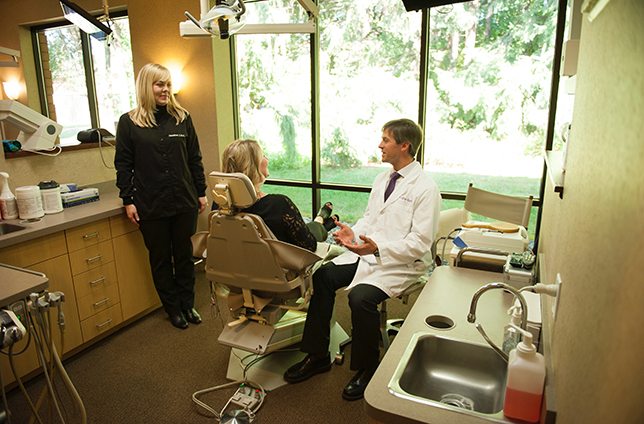
When it comes to keeping your smile healthy, the toothbrush you choose can make a real difference. Both manual and electric toothbrushes can effectively clean your teeth, but each comes with its own advantages and disadvantages. At Eggert Family Dentistry in North Oaks, MN, Dr. Jeff Eggert and Dr. Elizabeth Eggert want you to feel confident in your choice — and most importantly, in how you use it.

Manual toothbrushes are simple, inexpensive, easy to find anywhere, as well as easy to carry. You don’t need batteries or charging, and there’s no mechanical failure to worry about. They give you full control over your brushing, but that also means your technique matters a lot. If you brush too hard, you can wear down enamel or irritate gums. If you brush too quickly or skip areas, plaque may be left behind. In addition, if you struggle with dexterity (arthritis, tremors, hand issues), maintaining ideal coverage may be harder with a manual brush. Manual toothbrushes can do an excellent job if you commit to proper technique and brushing for a full two minutes twice a day.

Electric toothbrushes, on the other hand, provide extra help by moving the bristles for you. Features like built-in timers (often pausing every 30 seconds) and pressure sensors (to avoid overbrushing) make it easier to brush effectively and safely. Research shows electric toothbrushes often remove more plaque and reduce gingivitis better than manual ones. The downsides? They cost more, require charging or batteries, and the cost of replacement brush heads can add up over time. Also, if you rely too much on “letting the brush do all the work,” you might miss surfaces or move too fast, reducing effectiveness.

Oscillating (“Spin”) vs Sonic/Vibrational Electric Brushes

Within electric toothbrushes, you’ll often hear about two main types: oscillating (or “spin”) brushes and sonic brushes. Oscillating brushes, like many Oral-B models, have small round heads that rotate back and forth, scrubbing each tooth. Sonic brushes, like Philips Sonicare, vibrate at high speeds with an ultrasonic pulse, creating gentle fluid motion that helps clean just beyond where the bristles touch. Both can be excellent options — the best one is whichever feels most comfortable and keeps you brushing consistently. In fact, in many head-to-head studies, one style might edge ahead in certain metrics, but the differences tend to be modest.

Popular Brands in the US and What to Watch For

  • Philips Sonicare – uses ultrasonic vibration. Sleek designs and a gentler feel are a draw for many. Brush heads tend to be more elongated.
  • Oral-B (Pro, iO, Vitality, etc.) – uses oscillating/rotating heads. Offers a wide selection of head styles, features like pressure sensors, app integration. Some users say the motion can feel strong or “scrubby.”
  • Quip, Colgate Hum, Burst, Fairywill – newer/subscription or direct-to-consumer lines, more minimalist designs, often sonic or hybrid action. They may be less powerful or have fewer head options, but they are often at a lower price point because there was less research that went into their product development.

Remember, no matter the brand, the brush head should be replaced about every three months.

Brushing Techniques That Make the Difference

At Eggert Family Dentistry, our hygienists review brushing techniques with patients many times each day, but here’s a reminder of how to brush correctly — whether using a manual or electric toothbrush:

Manual brushing:

  • Use a soft bristle brush.
  • Brush two minutes, twice a day.
  • Angle the bristles 45° toward the gumline.
  • Use gentle, short strokes (or small circles), working on one or two teeth at a time.
  • For inner surfaces of front teeth, tilt the brush vertically and use up-and-down strokes.
  • Don’t press too hard — the bristles should do the work.
  • Replace the brush every 3 months or sooner if the bristles flare.

Electric brushing:

  • Also use a soft or extra-soft brush head; replace every 3 months.
  • Apply light, gentle pressure — let the brush head move for you. Many electric brushes have sensors to help avoid overbrushing.
  • Rest the head on each tooth surface for a few seconds before moving — don’t rush it.
  • Use the built-in timer or quadrant signals to cover all areas methodically.
  • Maintain the 45° angle at the gumline, and guide the brush slowly to cover all surfaces (outer, inner, chewing, backs).
  • Watch how you move — dragging too fast reduces cleaning effectiveness.

By combining the right brushing technique with a toothbrush you like using, you’ll get the best results.

At Eggert Family Dentistry in North Oaks, MN, we work with our patients to demonstrate proper technique, because the right habits combined with the right toothbrush will keep your smile at its best. Call us today at 651.482.8412 to set up your next recare visit. We look forward to seeing you again soon!

How to Floss Properly and Why It Matters

By: Dr. Elizabeth Eggert

When it comes to keeping your mouth healthy, brushing alone isn’t enough – you also need to floss daily. Flossing helps remove plaque and food debris between your teeth, in places your toothbrush simply can’t reach. To floss properly, start with about 18 inches of string floss. Wrap most of it around your middle fingers, leaving a short section to work with. Gently slide the floss between your teeth using your thumb and forefinger to guide the floss in a back-and-forth motion, then curve it into a “C” shape against one tooth. Carefully move the floss up and down, making sure it goes just under the gumline. Repeat this process for each tooth, using a clean section of floss as you go.

Why String Floss Stands Out

String floss remains the gold standard for cleaning between your teeth. It’s effective at removing plaque when used correctly, and it gives you full control over pressure and placement. At Eggert Family Dentistry in North Oaks, MN, Dr. Jeff Eggert and Dr. Elizabeth Eggert often find that patients who use a woven type of string floss have lower plaque levels compared to those who use other products. For years, one of our favorite woven flosses was unavailable, but we’re happy to share that it’s back! You can once again find Reach Ultraclean Gentle Gum Care woven floss on Amazon, and it’s available at a reasonable price – it’s back by popular demand.

Flossing Alternatives: Water Flossers

Many people turn to flossing alternatives such as water flossers. These devices use a steady stream of water to clean between teeth and along the gumline. The main advantage is that they’re easy to use, especially if you have braces, implants, or bridges. They can also feel gentler for sensitive gums. However, water flossers don’t scrape plaque from the sides of your teeth as effectively as string floss. They are a helpful supplement, but they shouldn’t replace traditional flossing altogether.

Floss Picks and Interdental Brushes

Floss picks and interdental brushes are other popular alternatives. Floss picks are convenient and portable, making them great for on-the-go use. The drawback is that they don’t allow you to curve the floss properly around each tooth, so you may not get the same thorough clean. Interdental brushes, on the other hand, are especially effective for cleaning larger spaces or around orthodontic appliances. The downside is that they’re not always practical for tight contacts between teeth. Both tools can be helpful additions, but neither fully matches the effectiveness of string floss when it comes to daily plaque removal.

Finding What Works Best for You

Ultimately, the best flossing method is the one you’ll use consistently. At Eggert Family Dentistry, we’re always happy to review flossing techniques with you at your next recare visit and help you find the right product for your unique needs. Whether you prefer classic woven floss, a water flosser, or an interdental brush, the key is making flossing part of your daily routine. With the return of Reach Ultraclean Gentle Gum Care woven floss, you now have another excellent option to keep your smile healthy and your gums strong. Call us today for your next appointment – 651.492.8412.

Images courtesy of Vectorstock.com

Can You Get Decay Under a Dental Crown?

By: Dr. Elizabeth Eggert

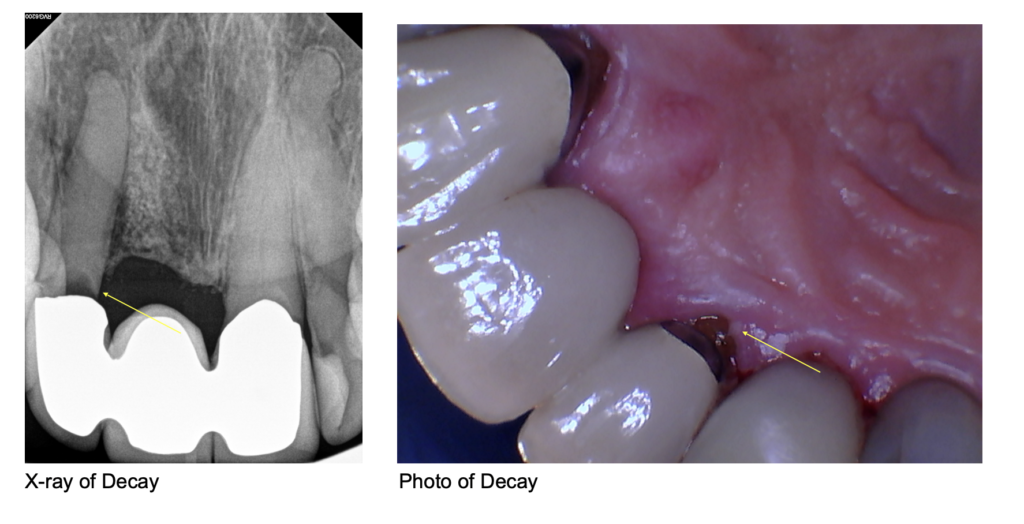
When you invest in a dental crown, you expect it to last for many years. Crowns are designed to restore both the look and function of your tooth, but did you know it’s still possible to get decay under a crown? Even though a crown itself cannot decay, the natural tooth structure underneath it is still vulnerable. If decay develops under the crown, it can compromise the health of your tooth and eventually require crown replacement.

Decay under a crown often happens when bacteria find their way to the margin where the crown meets your natural tooth. If you don’t brush and floss regularly, plaque can build up along this edge and cause cavities just like it would on any other tooth. Excessive force from habits like grinding or clenching your teeth can also cause tiny openings or fractures in the crown or cause a breakdown in the marginal seal, creating space for bacteria to sneak in. Over time, these issues can lead to decay hidden beneath the crown.

On average, statistics suggest that dental crowns last between 10 and 15 years, although with excellent care, many can last even longer. The exact lifespan depends on a variety of factors including your oral hygiene, dietary habits, bite force, and how well the crown was initially placed. Even the best crowns are not indestructible, and wear and tear over time is normal. Think of all the chewing cycles your teeth go through every year, like tires on your car, they are not immune to wearing out or breaking down.

The best way to extend the life of your crown is to take care of it just like you would your natural teeth. Daily brushing and flossing are essential, especially around the gumline where bacteria like to gather. Using a night guard if you grind your teeth can protect your crowns from unnecessary force. Regular dental check-ups and cleanings are equally important because they give your dentists at Eggert Family Dentistry in North Oaks, MN a chance to detect early signs of wear or decay before problems become serious.

Dr. Elizabeth Eggert and Dr. Jeff Eggert are committed to helping you maintain your crowns for as long as possible. During your recare exams, we carefully evaluate your crowns to make sure they are functioning properly and to look for any signs of decay. If a crown does need to be replaced, we work with you to ensure the process is smooth and your smile stays healthy and strong. By partnering with us and staying proactive about your dental care, you can enjoy the longest possible lifespan from your crowns.

Is it time for your recare exam or do you need to establish care with a caring dental office? Don’t delay! Call us at 651-482-8412 for an appointment today!

Why Are So Many People Questioning Fluoride in Public Water Systems?

By: Dr. Elizabeth Eggert

If you’ve noticed a growing conversation around removing fluoride from public water systems, you’re not alone. Across the country—and even globally—more individuals and communities are pushing back against water fluoridation, something that’s been standard practice in the U.S. since the 1940s. While fluoride has long been praised for its cavity-fighting benefits, a mix of health concerns, misinformation, and shifting public attitudes have led to renewed skepticism. Understanding the reasons behind this movement can help you make informed decisions about your own oral health.

At Eggert Family Dentistry, we want you to understand the controversy, but also give you some facts about why water fluoridation is an important part of our current state of oral health. In fact, the American Academy of Pediatric Dentistry, noted recently that “With an abrupt departure from water fluoridation, our nation would undoubtedly experience a rapidly rising incidence of decay. The US does not have capacity in the oral health workforce to support the emergency surgical and restorative dental needs that would result. There would be increased pain and suffering, and more missed school and work. None of this is necessary.”

One major reason you’re hearing more about anti-fluoride efforts is the rising concern about overexposure. Fluoride isn’t just in drinking water—it’s also found in many toothpastes, mouth rinses, processed foods, and even certain bottled beverages. This accumulation has raised fears about potential health risks, especially for children. However, a lot of the hype has been driven by political and social avenues rather than scientific perspectives.

Some people are also concerned about possible links between fluoride and broader health issues. Studies—many questionable—have suggested potential associations with thyroid dysfunction, bone fractures, and neurodevelopmental concerns like lower IQ in children. While the scientific community hasn’t reached a clear consensus on many of these points, the sheer volume of mixed messaging online can easily make fluoride feel more like a threat than a benefit.

Another factor driving this shift is the growing emphasis on personal choice and natural health. You may find yourself more drawn to filtered water, fluoride-free toothpaste, or alternative dental care options simply because you want more control over what goes into your body. This mindset has led many communities to re-evaluate whether mass fluoridation aligns with modern health values, especially when other preventive dental strategies—like good oral hygiene and access to professional care—are readily available.

It’s important to know, however, that fluoride still has strong support from many public health organizations. Groups like the CDC and the American Dental Association continue to endorse water fluoridation as a safe, cost-effective way to prevent tooth decay, especially in underserved populations. In fact, the CDC estimates that providing optimally fluoridated water to US communities for one year save $6.5 billion in dental treatment costs and that communities with water fluoridation experience 25% fewer cavities. If you’re unsure what’s right for you or your family, talking with your dentists at Eggert Family Dentistry is one of the best steps you can take. Dr. Jeff Eggert and Dr. Elizabeth Eggert want to help you weigh your personal risk factors and make recommendations tailored to your needs.

As dentists, we see the direct consequences that fluoride removal has on our patients and it’s a real tragedy when policymakers or popular “You Tubers” make decisions or share information that can hurt vulnerable kids and adults in the long term. Blindly calling for a ban on fluoridated water hurts people, costs money, and will ultimately harm our economy.

At Eggert Family Dentistry in North Oaks, MN, Dr. Jeff Eggert and Dr. Elizabeth Eggert are committed to helping you stay informed and empowered. Our priority is your long-term oral health and we want to help you make confident choices for yourself and your loved ones. Please call us today to set up your next appointment! 651-482-8412!

What Gingival Inflammation Means to Your Whole Body

By: Dr. Elizabeth Eggert

Inflammation is your body’s natural response to injury or infection, but when it becomes chronic, it can lead to serious health complications—including those affecting your gums. Whole-body inflammation often manifests in the gingival tissues as redness, swelling, and bleeding. Unfortunately, this is a “silent disease” because often during the early stages of the disease, there is no pain. This is unfortunate because many people then overlook it until it has progressed to a more serious stage. Your oral health is deeply connected to your overall well-being, making it essential to recognize the early warning signs and take action.

When systemic inflammation affects your gums, you may notice tenderness, persistent bad breath, gum recession, or increased tooth sensitivity. These symptoms are often indicators of underlying conditions such as cardiovascular disease, diabetes, or autoimmune disorders, which are all linked to chronic inflammation. Even if you don’t experience pain, your gums may still be at risk. Regular dental checkups can help detect subtle changes in your oral tissues before they escalate into severe periodontal disease.

At Eggert Family Dentistry in North Oaks, MN, Dr. Elizabeth Eggert and Dr. Jeff Eggert, along with our skilled team of hygienists – Lea, Cassie, Emily, and Lisa, are trained to identify early signs of inflammation in your gingival tissues. We assess your gum health during routine exams, looking for telltale signs such as puffiness, discoloration, and excessive plaque buildup. By addressing these symptoms early, we can help you manage inflammation and prevent long-term damage to your gums and overall health.

One of the best ways to combat gum inflammation is by adopting a proactive oral hygiene routine. Brushing twice a day with a soft-bristled toothbrush, flossing daily, and using an antimicrobial mouthwash can help reduce bacterial buildup and prevent your immune system from overreacting. Additionally, maintaining a balanced diet rich in anti-inflammatory foods, such as leafy greens, fatty fish, and nuts, can support your body’s natural defenses against chronic inflammation.

Beyond oral hygiene, lifestyle choices play a crucial role in managing inflammation. Stress reduction techniques, such as mindfulness and regular exercise, can lower levels of inflammatory markers in your body. Staying hydrated and avoiding smoking or excessive alcohol consumption can also help keep inflammation in check. If you have underlying health conditions that contribute to chronic inflammation, working with your medical providers as well as us at Eggert Family Dentistry will help manage them and will further protect your gums and overall health.

Your dental team at Eggert Family Dentistry is committed to helping you recognize and address gum inflammation before it leads to serious complications. Through regular professional cleanings, personalized care plans, and patient education, we empower you to take control of your oral and systemic health. By staying vigilant and proactive, you can reduce inflammation, protect your gums, and improve your overall quality of life. Call us today for your next appointment!  651-482-8412

The Link Between Periodontal Disease and Alzheimer’s Disease: What You Need to Know

By: Dr. Elizabeth Eggert

Keeping our teeth clean for the sake of a healthy mouth is nothing new. Over 5000 years ago, the ancient Egyptians created chew sticks—bamboo sticks with frayed ends—to get food out of their teeth and freshen their breath. They also developed toothpaste made from a combination of powdered ashes. However, in the past 30 years, we’ve learned that the benefits of proper oral hygiene extend far beyond a healthy mouth. In this post, we’ll focus on the link between periodontal disease and Alzheimer’s disease and steps each of us can take to invest in our oral health.

The Ripple Effect of Gingivitis

Every disease process begins somewhere, and periodontal disease is no exception. Periodontal disease starts when harmful bacteria in your mouth form sticky plaque. If thorough brushing and flossing aren’t part of your routine, this plaque can hang out on your teeth and harden into tartar. Tartar is virtually impossible to remove on your own and requires dental skill and instruments to do. If tartar is allowed to persist, it irritates and inflames the surrounding gum tissue, leading to a condition known as gingivitis.

Unfortunately, the cascade doesn’t always stop there. Left untreated, gingivitis can quickly escalate. Gum tissue and bone can start wearing down, and because the bone levels deteriorate, teeth can become loose or even fall out. At the same time, the bacteria that is inflaming the gums can leach into the bloodstream and circulate throughout the body.

This bacteria can cause plaque to build up in a person’s arteries, resulting in atherosclerosis, and putting a person at a higher risk for a heart attack. But it doesn’t stop there. That same bacteria can travel to the brain and destroy nerve cells, leading to memory loss, or Alzheimer’s.

Phew!

Learn more in this summary of a study from the journal of Science Advances.

Fortunately, there are some effective steps each one of us can take to ward off the disease process before it begins!

Prioritizing Oral Health Helps Protect Your Brain

Brush and floss regularly.

Dr. Elizabeth Eggert and Dr. Jeff Eggert can’t stress enough the importance of routine brushing and flossing. When you clean the surface of your teeth and in between your teeth, you remove residual food particles before they have a chance to break down and cause harmful bacteria to grow. In other words, regular brushing and flossing helps ward off gingivitis and periodontal disease. Dr. Elizabeth Eggert and Dr. Jeff Eggert also recommend using fluoridated toothpaste and swishing with a fluoridated mouthwash to keep your enamel strong.

Eat healthy.

The foods we eat have a surprising impact on our oral health and overall wellness. A diet low in sugars and starches minimizes the production of enamel-eating acid that leads to gum disease, tooth decay, and even tooth loss. We’ve established that these destructive bacteria that causes gingivitis and periodontitis can wreak havoc not only on your mouth but also on your heart and brain.

On the flip side, foods rich in healthy fats and omega fatty acids, such as nuts, olive oil, and fish, increase the production of acetylcholine, a chemical that helps your brain create new memories. Avocados, also high in healthy fats, can prevent high blood pressure and reduce the risk of Alzheimer’s disease. And remember to incorporate proteins and foods rich in Vitamin D for optimal brain wellness.

Live healthy.

Tobacco, alcohol, and vaping can interrupt your mouth’s healthy microbiome and contribute to the disease process.

  • Tobacco raises the risk of gum disease and slows down the gums’ healing process.
  • Alcohol is high in sugar and can kick off the gum disease cascade.
  • Vaping contains acidic compounds that can erode tooth enamel, damage the gums, and increase the risk of gingivitis and periodontal disease.

These three habits cause dehydration, reducing saliva production. And because the primary function of saliva is to rinse harmful bacteria from the mouth, these bacteria may persist and grow, leading to eventual periodontal disease. Additionally, in excess, these habits can increase a person’s risk of oral cancer, which can metastasize throughout the body.

Conversely, limiting or avoiding these substances will promote a healthy mouth, brain, and body for life!

Control chronic conditions.

Some chronic conditions, such as diabetes, can increase a person’s risk of gum disease. Carefully managing diabetes and other chronic conditions with diet and medication is a first line of defense against periodontal disease. In addition, be mindful of any routine medications that cause a dry mouth, and take necessary steps to increase saliva production to ward off destructive bacteria.

Schedule regular recare visits.

At Eggert Family Dentistry, we know that one of the most important investments you can make toward oral health and wellness is routine wellness visits with us at Eggert Family Dentistry. At each recare visit, Dr. Elizabeth Eggert or Dr. Jeff Eggert performs several crucial assessments, interprets x-rays, and prescribes a fluoride treatment for your teeth. They proactively care for your teeth, search for early signs of periodontal disease, and take steps to correct or counteract any issues they detect.

Other Factors That Affect Oral Health

Lastly, be aware that other factors, including hormonal changes and genetics, can impact your oral health and ultimately, your brain health. Talk with Dr. Elizabeth Eggert or Dr. Jeff Eggert if you have any oral health concerns!

The link between periodontal disease and Alzheimer’s disease is undeniable, proving that Alzheimer’s disease can start in the mouth. Follow these tips to maintain oral wellness! If you need to set up your next recare visit, reach out to us at 651.482.8412!

Celebrate October: National Dental Hygiene Month at Eggert Family Dentistry

By: Dr. Elizabeth Eggert

October is National Dental Hygiene Month, a time dedicated to celebrating the importance of oral health and the professionals who help you maintain it. Dental hygiene plays a critical role in keeping your teeth and gums healthy, and this month is a reminder to prioritize regular cleanings and checkups. At Eggert Family Dentistry in North Oaks, MN, we take pride in educating you about how proper dental hygiene impacts your overall health, and we’re fortunate to have a team of skilled dental hygienists who are passionate about helping you achieve your best smile.

When you visit us for a cleaning, you interact the most with your dental hygienist. But what exactly do dental hygienists do? Beyond cleaning your teeth, they assess your oral health, screen for diseases, take X-rays, and provide personalized advice on how to care for your teeth and gums. They are your partners in maintaining good oral hygiene between visits, ensuring that you’re brushing and flossing effectively. It’s a hands-on, patient-centered career that requires both compassion and precision.

The journey to becoming a dental hygienist requires a solid educational foundation. Most dental hygienists complete a two-year associate degree in dental hygiene, although some may pursue a bachelor’s degree in dental hygiene. In addition to coursework in anatomy, radiography, and periodontology, aspiring hygienists must complete clinical training, where they gain hands-on experience working with patients. After completing their education, they must pass national and state licensure exams before they can practice. This rigorous training ensures they are well-equipped to provide high-quality care and educate patients about oral health.

At Eggert Family Dentistry, we’re proud to have four exceptional dental hygienists on our team – Lea, Cassie, Emily, and Shelley. Each one brings a unique set of skills and experience to ensure you receive the best possible care. These hygienists are dedicated to making your dental visits as comfortable and informative as possible, and they are always happy to answer any questions you have about your oral health. Their expertise and friendly approach make every visit a positive experience.


So why not take this October as a reminder to focus on your dental health? Whether it’s scheduling a cleaning, learning new brushing techniques, or simply asking for advice, our dental hygienists are here to support you. They work diligently to prevent dental issues before they arise, helping you maintain a healthy smile for years to come.

This Dental Hygiene Month, we invite you to celebrate the role of dental hygienists and the crucial work they do. At Eggert Family Dentistry, we’re proud to have such a talented team that cares deeply about your oral health. So next time you’re in the office, take a moment to thank your hygienist for their dedication – and don’t forget to floss! Call us today at 651-482-8412 for your next recare appointment!

Frighteningly Good Dental Hygiene: How to Keep Your Smile Scarily Clean

By: Dr. Elizabeth Eggert

Lions and tigers and bears, oh my! Yes, Halloween is just around the corner, and before you know it, adorable costumed children will show up on your doorstep hoping to avoid tricks and add some sugary treats to their stash. We don’t think there could be a better time to delve into sugar’s effect on teeth and discuss some important tips to keep everyone’s smiles frighteningly clean this Halloween and all year long.

Beware of the Candy Monster

halloween candy

Since we were kids, most of us have heard that sugar is bad for our teeth, but how many of us truly understand its impact?

The bad bacteria in our mouths love sugar. It’s what they live on! When these bacteria munch on sugar, enamel-eating acid forms. This acid degrades enamel, but it doesn’t stop there. It can invade teeth to the point of causing them to decay, and in severe cases, it can even lead to tooth loss.

Sour candies present the added challenge of being highly acidic in nature, posing an even more aggressive threat.

Fortunately, our bodies have a wonderful built-in defense mechanism against these destructive bacteria—saliva. One primary function of saliva is to rinse these bacteria off of your teeth so it doesn’t have a chance to produce acid that leads to decay. But saliva alone isn’t a match for ooey gooey sugar. Keep the candy monster from wreaking havoc on your pearly whites by limiting sugar consumption and prioritizing good dental hygiene!

Keep the Vampires Away With Proper Brushing

Good dental hygiene starts with a consistent brushing routine. The ADA recommends brushing your teeth with fluoridated toothpaste twice a day for at least two minutes at a time. Brushing partners with saliva to help remove acid from the surface of your teeth before it can develop into plaque or harden into tartar.

Be mindful of when you’re brushing your teeth. It might seem best to brush right after eating sweet treats or after you drink fruit juice or a can of soda. However, the acid from sweet treats and beverages softens your enamel, and brushing over soft enamel can cause more harm than good. If you do this habitually, you can actually erode the enamel right off your teeth! Give your saliva an hour to bathe your teeth before you brush. Less acid on your teeth means firmer, more durable enamel!

The Ghostly Importance of Flossing

Brushing is a critical component of any daily dental hygiene routine, but every superhero has a sidekick, and brushing is no exception! Once a day after brushing, be sure to floss thoroughly between your teeth. If you’re not accustomed to regular flossing, check out this article for helpful flossing tips!

Plaque forms when bacteria and acids from sugar and other carbohydrates sit on your teeth and mingle in your mouth. Flossing helps remove any plaque that’s building up between your teeth or along your gum line before it inflames your gums. If it’s not removed, plaque can harden into tartar and result in gum disease. Now that’s a scary thought!

Spooky Tips for Tooth-Friendly Treats

We’re not suggesting you be “that neighbor” and hand out bags of mini carrots to eager trick-or-treaters this year. (Although we do think it’s a brilliant idea!) But consider swapping out some of your pantry’s sugary go-to’s for healthier, tooth-friendly alternatives. Some ideas include: raw veggies and dip, popcorn, dark chocolate (the darker the chocolate, the less sugar it contains), nuts and nut butters, rice cakes, chips and salsa, and sugar-free candy.

And if you’re thinking twice about handing out candy this Halloween (and you can’t wrap your mind around handing out vegetables!), bouncy balls, temporary tattoos, pencils with cute toppers, friendship bracelets, or spider rings will delight the lions, tigers, and bears at your door…and their parents and dentists too!

Don’t Let Cavities Creep In—Schedule Your Dental Check-Up

Regular recare visits are imperative for any frighteningly good dental hygiene routine! Dr. Elizabeth Eggert and Dr. Jeff Eggert at Eggert Family Dentistry in North Oaks, MN recommend a professional cleaning and a thorough inspection of your mouth, teeth, gums, and jaws at least every six months to keep your smile healthy and looking its best. Reach out to us at 651.482.8412 to set up your next appointment!

Smile Through Stress: Managing Mental Well-being for Better Oral Health

By: Dr. Elizabeth Eggert

Did you know that stress can affect your oral health?

Stress is, unfortunately, part of all of our lives. And while most people are aware of the effect stress can have on their physical health, often the link between stress and oral health isn’t as clear.

And yet stress can have a significant impact on your oral health. The effects of chronic stress can show up in your mouth, teeth, gums, and jaws as gum disease, teeth grinding, jaw clenching, and more. Understanding how stress can affect your oral health is essential to maintaining a healthy smile.

Here, we’ll explore the effects of stress on oral health along with some practical strategies to manage stress and support your smile.

Stress and Oral Health: Unraveling the Connection

Learning to recognize the conditions caused or worsened by stress is vital to timely intervention. Chronic stress can lead to a number of oral health problems, including:

Bruxism: The Grind Behind Stress

Stress can cause tension in your jaw, which can lead to bruxism. Bruxism is a condition where you unconsciously grind or clench your teeth. Many people with this problem are unaware of it as it happens most often while they are sleeping, however, it can even happen during the day without conscious awareness of it.

Because the force exerted while clenching or grinding is often much more than that exerted while chewing, it can result in significantly worn-down teeth, jaw pain, headaches, damage to dental restorations, and in many cases, even fractures.

If you think you may be grinding or clenching your teeth, talk with Dr. Elizabeth Eggert or Dr. Jeff Eggert in North Oaks, MN about obtaining a custom-fitted night guard to help protect your teeth from stress-related wear and tear.

Gum Disease: Stressing Out Your Gums

Stress can weaken your immune system, making you more susceptible to infections and your gums more susceptible to inflammation and gum disease. Gum inflammation, bleeding, tenderness, and periodontal disease are more likely when you are under chronic stress.

If you notice your gums are red or swollen or that they bleed when you brush or floss, make an appointment with Dr. Elizabeth Eggert or Dr. Jeff Eggert right away as bleeding in the gums is a sure sign of unwanted inflammation

Temporomandibular Joint Disorders (TMJ): Stressing Over Your Jaw

TMD (or more commonly called “TMJ”) is a disorder affecting the jaw joint, causing symptoms like jaw pain, stiffness, clicking or popping, and difficulty opening or closing the mouth. Chronic stress can cause you to clench your teeth and jaw, which can stress the temporomandibular joints, leading to TMD. Lack of sleep due to stress can further exacerbate this issue.

If you notice any signs of TMD, speak with Dr. Elizabeth Eggert or Dr. Jeff Eggert at Eggert Family Dentistry. Similar to bruxism, we may recommend an appliance to ease your jaw discomfort and protect your joints from wear.

Canker Sores: Stress Taking Its Toll Inside Your Mouth
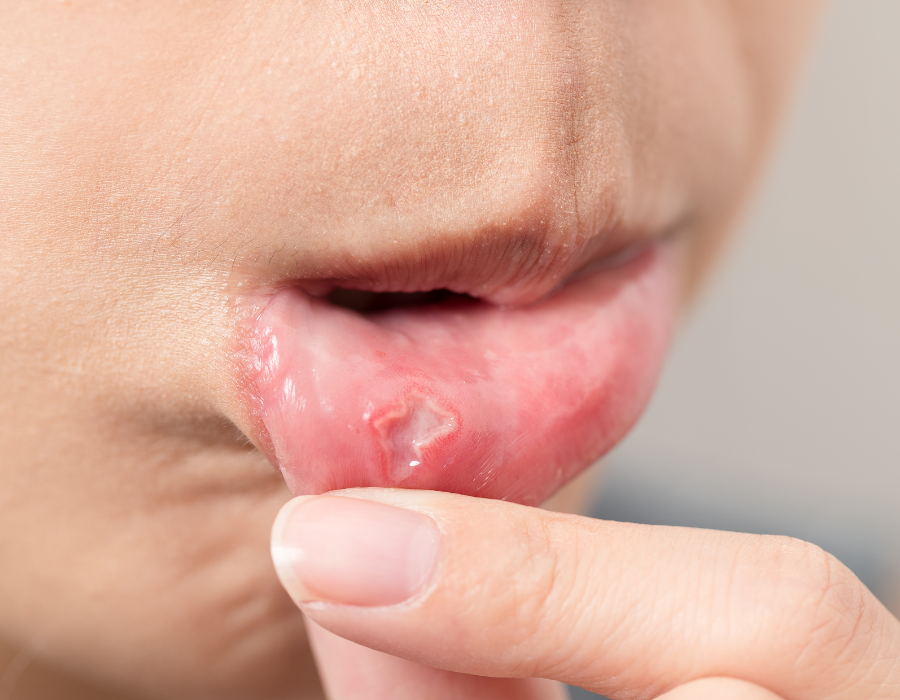
Stress can also bring on canker sores inside your mouth, which can cause pain and discomfort. Canker sores are small round ulcers in your mouth, often found on the inside of your cheeks and lips or on your tongue and gums.

While these sores typically go away on their own, it’s helpful to understand what causes them and how to mitigate your discomfort while they heal. While the specific cause of canker sores is still unknown, there does seem to be a strong link between canker sores and stress.

If you experience canker sores, you can help manage your discomfort by:

  • Swishing a warm salt water solution around your mouth multiple times per day (8 oz warm water and 1 tsp salt)
  • Drinking cold liquids through a straw
  • Eating soft foods
  • Avoiding sugary, salty, spicy, acidic, or very hot foods
  • Using a soft-bristled toothbrush when brushing your teeth

When you are under significant stress, it can be tempting to neglect your regular oral hygiene routine. But maintaining routine brushing, flossing, and dental visits with Dr. Elizabeth Eggert or Dr. Jeff Eggert is vital to maintain the health of your teeth and gums.

Managing Stress to Preserve Oral Health

In addition to maintaining a consistent oral health regimen, implementing some or all of the following healthy habits can help improve your body’s resilience to stress and support your oral health.

Stay Hydrated

Drink plenty of water. Maintaining adequate hydration helps support saliva production and overall oral health.

Eat a Healthy Diet

Include a wide variety of fruits, vegetables, lean proteins, and whole grains in your daily diet. Limit sugary treats, caffeine, and alcohol — too much of these can exacerbate stress and negatively impact your oral health.

Get Regular Exercise

When you exercise, your body releases endorphins, a natural stress reliever. Being active also helps promote better sleep, which aids in stress management and benefits your physical and dental health.

Prioritize Quality Sleep

Stick to a regular sleeping schedule to ensure adequate sleep. Establish a bedtime routine that helps you relax and ease tension in your jaw. This could include a jaw massage, gentle stretching, deep breathing techniques, or aromatherapy.

Implement Stress-Relief Techniques

Stress-relief techniques like deep breathing, mindfulness meditation, a warm bath, and yoga can help you unwind, relax your jaw, and lower overall stress levels. Experiment with a variety of stress-relief techniques to find the ones that work best for you.

Ask for Help

If stress feels overwhelming or becomes chronic, consider seeking professional support from a therapist or counselor who specializes in stress and anxiety management. Having someone to talk through stressful feelings with can be immensely beneficial to your mental and physical health (including your oral health!).

Stress and oral health are inextricably linked. Taking the time and energy to invest in your physical, mental, and emotional well-being leads to improved health and happiness, and a reduced likelihood of developing stress-related oral health issues.

At Eggert Family Dentistry, we know your mental health affects your oral health and we believe they are equally important components of overall wellness. If you’re concerned your oral health is being compromised by stress or anxiety, we recommend making an appointment with your primary physician as well as with Dr. Elizabeth Eggert or Dr. Jeff Eggert at 651.482.8412. We’re always here to help!

Protecting Your Smile: Understanding Acidity and Dental Decay

By: Dr. Elizabeth Eggert

Acidity in food and drinks is not just a concern for your digestive system; it also poses a significant threat to your dental health. When you consume acidic foods and beverages, such as citrus fruits, sodas, and vinegar-based dressings, the acid attacks the enamel, the protective outer layer of your teeth. Over time, this erosion weakens the enamel, leading to dental decay, cavities, and other oral health issues.

How to learn more about acidity?

At Eggert Family Dentistry in North Oaks, MN, Dr. Jeff Eggert and Dr. Elizabeth Eggert are passionate about educating our patients about the harmful effects of acidity on dental health. By raising awareness about the link between acidity and tooth decay and tooth wear, we empower our patients to make informed choices about your diet and lifestyle. Armed with this knowledge, you can use your cell phone to easily access information about the acidity levels of various foods and drinks, helping you make healthier choices to protect your smile. Such an easy use of amazing technology! (And, maybe a nice way to keep your kids researching with their phones instead of always just playing games!)

What is pH?

The pH scale measures acidity, with lower pH values indicating higher acidity. You can utilize smartphone apps or online resources to look up the pH levels of different foods and beverages. One popular cell phone app that helps users learn about the acidity in their foods and beverages is “pH Scale & Acid Test.” This app provides a comprehensive database of pH values for a wide range of foods and drinks, allowing you to easily look up the acidity levels of various items.

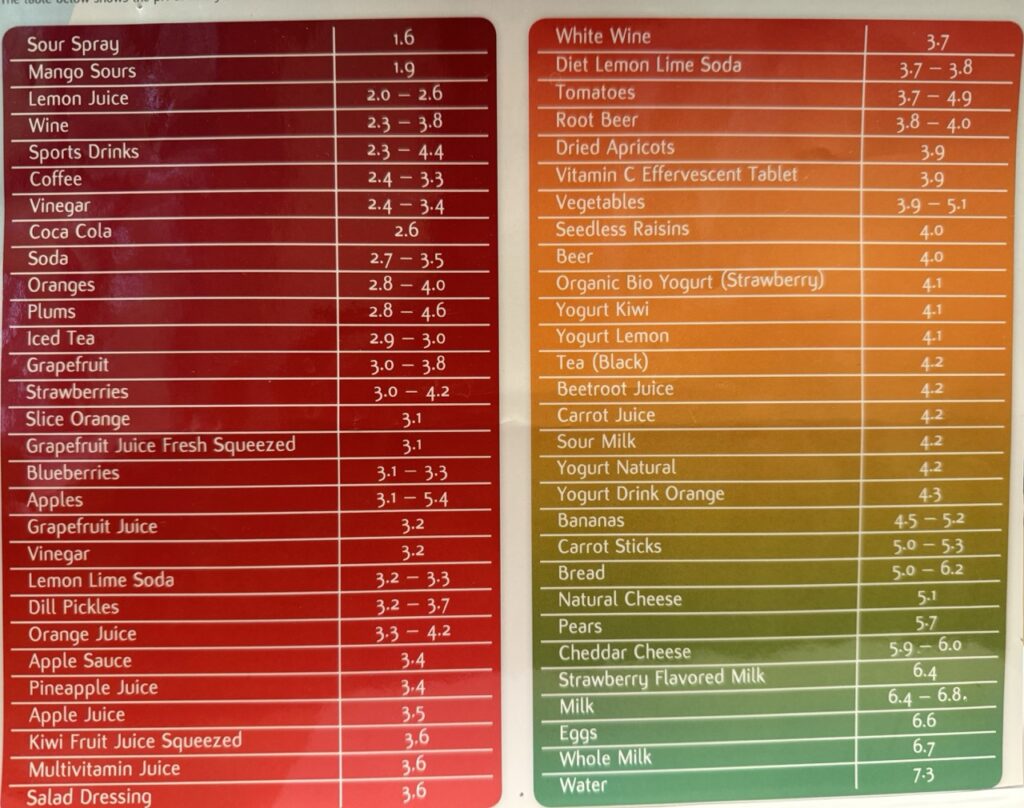
Additionally, the app often includes user-friendly features such as color-coded ratings to indicate the acidity level of each item, making it simple for you to make informed choices about your diet and oral health. By choosing options with lower acidity (pH levels of 7 or more), such as water or milk, instead of highly acidic choices like soda or citrus juices, you can minimize the risk of enamel erosion and dental decay.

Here is a chart showing many acidic food and drink choices.

The growing popularity of “sour” candy

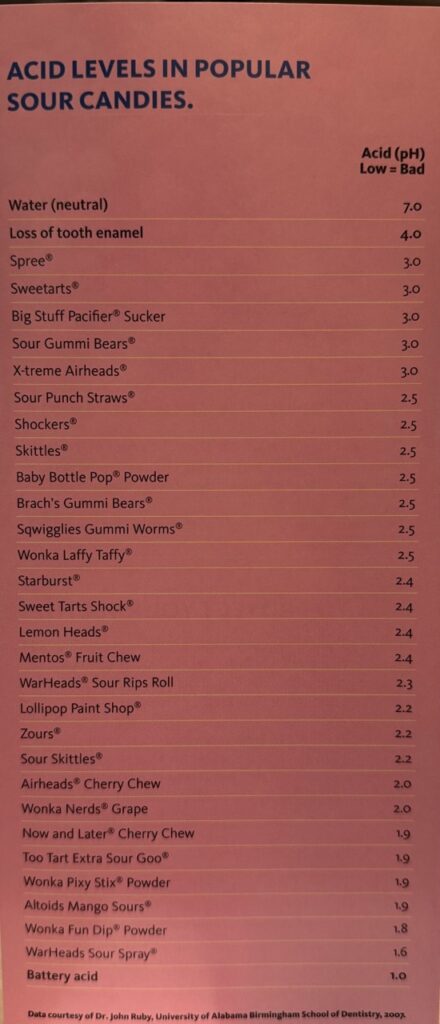
You may not realize, but sucking and chewing sour candies has become a popular and seemingly harmless treat, especially among young children. The American Dental Association and the Minnesota Dental Association started a campaign in 2008 called “The Power of Sour” to help educate against this type of treat. Unfortunately, the popularity of sour candy keeps increasing and many adults have now jumped in on this trend. The acidity of these candies is increasing all the erosive tooth wear we see here at Eggert Family Dentistry. Teeth with acidic erosion will often look discolored, taking on a brown, yellow, or grey appearance. Teeth can also look sharp or rounded, depending on where the acid attack is occurring the mouth.

The following chart gives examples of popular sour candies.

We’re here to help! 
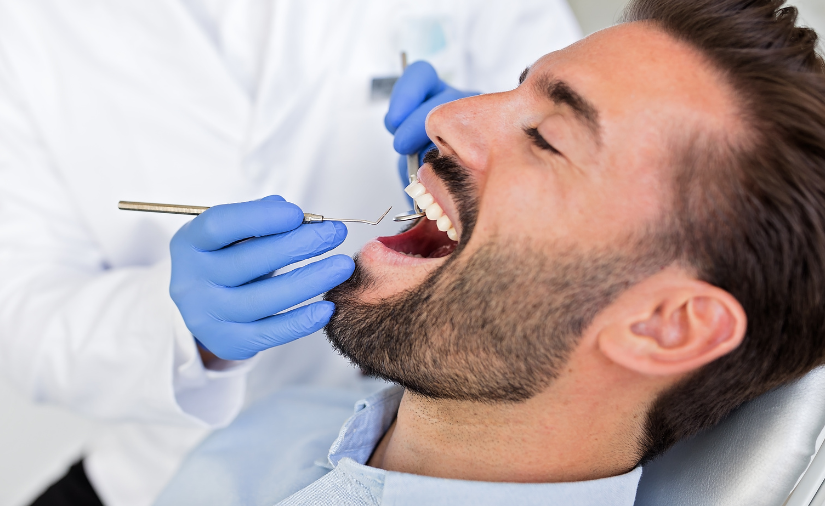
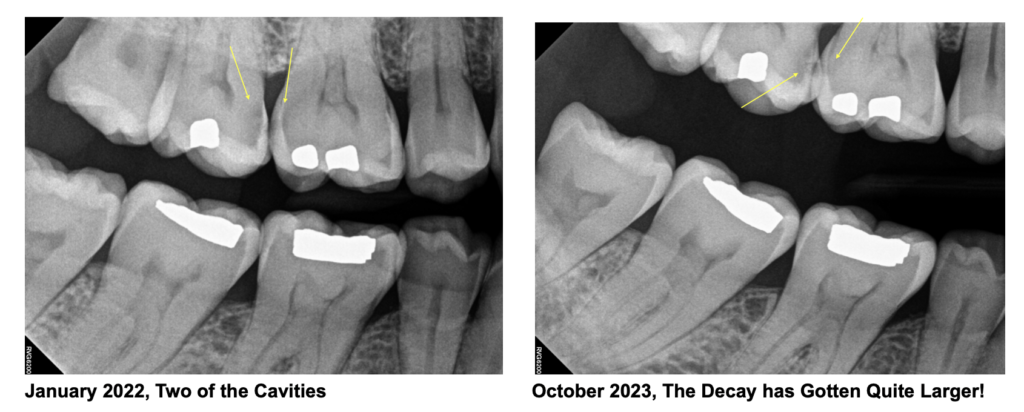
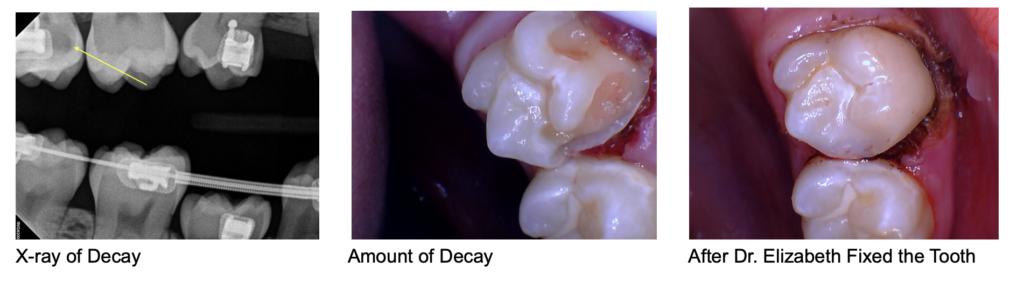
In addition to empowering patients with dietary guidance, Eggert Family Dentistry employs advanced technology to detect dental decay at its earliest stages. Enhanced radiographic technology, including digital radiograph sensors and a state-of-the-art CBCT machine, allows Drs. Jeff and Elizabeth Eggert to identify even the smallest signs of decay before they become more serious issues. Early detection enables prompt intervention, preserving tooth structure and preventing the need for more extensive treatments down the line.

By combining patient education with cutting-edge diagnostic tools, Eggert Family Dentistry prioritizes preventive care and early intervention in the fight against dental decay from acid attack! Drs. Jeff and Elizabeth Eggert are committed to helping you maintain healthy smiles for years to come, emphasizing the importance of acidity awareness and regular dental recare visits and check-ups. With proactive measures and informed choices, you can safeguard your dental health and help us fulfill our motto of providing “Dentistry for a Lifetime of Smiles!” Call us today to ask your acidic food and drink questions! 651-482-8412.