Do I Need a Root Canal? What To Know Before Choosing Treatment

By: Dr. Elizabeth Eggert

There are certain words you probably don’t love hearing from your dentists at Eggert Family Dentistry. “Root canal” might be pretty high on that list.

The procedure has picked up quite the reputation over the years, so it’s understandable that many patients feel a little nervous when the subject comes up. Fortunately, modern root canal treatment is much more routine (and much more comfortable!) than you’d probably expect.

In fact, the very purpose of a root canal is to solve your discomfort. By removing infected tissue from inside the tooth, Dr. Elizabeth Eggert and Dr. Jeff Eggert can help relieve pain, prevent the damage from spreading, and, whenever possible, save your natural tooth rather than remove it.

To separate more root canal fact from fiction, check out one of Eggert Family Dentistry’s many helpful resources! 👉Debunking Common Misconceptions.

But how do you know when a root canal is really necessary? And if your tooth is badly damaged or infected, is saving it always the better option? These are the questions that normally follow “Do I need a root canal?”

Let’s walk through when a root canal may be recommended, what you can expect from treatment, and how it compares with extracting the tooth so you can better understand your options before making a decision.

What Is a Root Canal?

Root Canal

A root canal is a procedure used to remove infected, necrotic, or inflamed pulp from inside a tooth. Once the affected pulp is removed, the inside of the tooth is carefully cleaned, then filled and sealed to help protect it from future infection. By doing this, Dr. Elizabeth Eggert and Dr. Jeff Eggert can often save your natural tooth and help it stay healthy for years to come.

Now, if you want to get picky, technically that’s a “root canal procedure.” The “root canal” itself is the tiny, hollow space inside the root of your tooth that contains pulp tissue, including nerves and blood vessels.

A little dental vocabulary lesson, courtesy of Eggert Family Dentistry! 🤓 But since most people refer to the procedure simply as a “root canal,” that’s what we’ll call it throughout this article, too.

How Do I Know It’s Time for a Root Canal?

Root CanalYou can’t always tell just by looking at a tooth that something is wrong beneath the surface. But the pulp is a very sensitive part of your tooth — once it’s affected, your body will SOMETIMES give you some hard-to-ignore hints! Common signals include:

  • Persistent tooth pain. A deep ache that sticks around or keeps coming back can be a sign of trouble inside the tooth. You may feel the discomfort in one specific tooth, or it may spread into your gums, jaw, face, or nearby teeth.
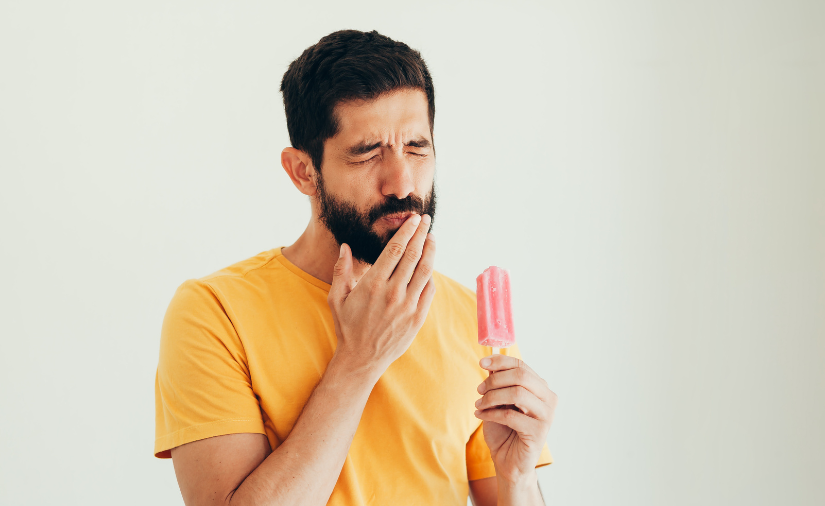
  • Lingering sensitivity to hot or cold. If a sip of hot coffee or a bite of something cold causes sensitivity that continues even after you’re finished eating or drinking, the pulp inside the tooth may be inflamed. (Remember, that’s where those sensitive nerves live!)
  • Tooth discoloration. Infected pulp can restrict the blood supply to your tooth, causing it to appear darker than your other teeth.
  • A chipped or cracked tooth. Cracks and chips can create an opening that allows bacteria to travel into the tooth and reach the pulp.
  • Swollen or tender gums. Your tooth’s roots run deep! Inflammation in the root canal may cause the nearby gum tissue to look swollen or feel sore.
  • A pimple or “boil” on the gums. Pus from the affected tooth can form a bump on your gums. The pus may drain, leaving an unpleasant taste or smell in your mouth.

Sometimes, though, tooth infections can be sneaky. You may notice nothing at all, which is one reason it’s so important to keep up with your regular recare appointments at Eggert Family Dentistry in North Oaks, MN. During these visits, Dr. Elizabeth Eggert and Dr. Jeff Eggert can look for signs of infection you might not be able to see yourself, either during your exam or on an x-ray.

Okay, Maybe I Do Need a Root Canal … but What Actually Happens During the Procedure?

Root Canal

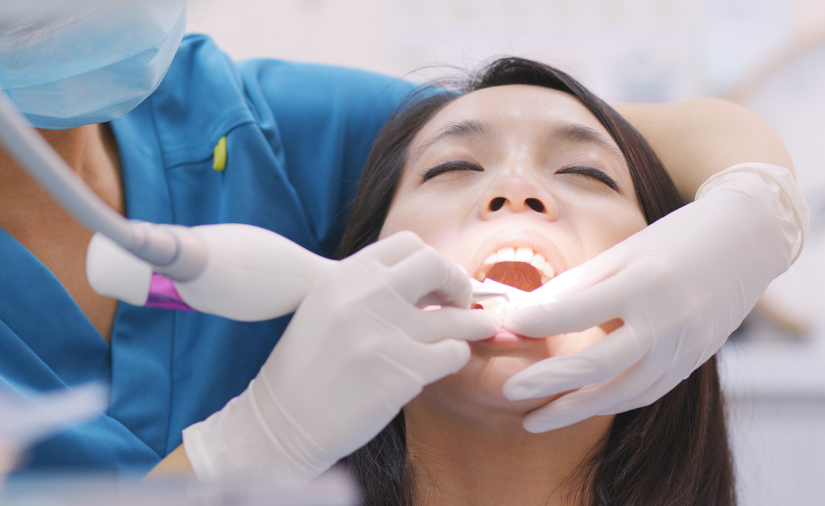
Before any treatment begins, Dr. Elizabeth Eggert or Dr. Jeff Eggert will examine your tooth and take x-rays to get a closer look at what’s happening beneath the surface. Depending on the extent of the infection, your root canal may be performed right here at Eggert Family Dentistry — or, if it’s determined that a specialist is the best fit for your case, we’ll help connect you with an endodontist.

Either way, the root canal procedure generally follows the same basic steps.

Step One

First things first: getting you comfortable! Before the procedure begins, the tooth and surrounding area are numbed with local anesthetic. A small protective sheet (called a dental rubber dam) is also placed around the tooth —  this helps prevent saliva and bacteria from getting inside while your tooth is being treated.

Step Two

Remember that pulp we’ve been talking about? Here’s where it comes out!

A tiny opening is made in the top of your tooth, giving your dental team access to the canals inside; the inflamed or necrotic and infected tissue is then carefully removed. With the affected pulp gone, the canals are thoroughly cleaned and disinfected. They’re also carefully shaped so they’re ready for the next step.

Step Three

Once everything inside is nice and clean, the empty canals are filled with a flexible, biocompatible material and sealed. This closes off the newly cleaned space and helps protect it from bacteria finding their way back inside.

Step Four

Finally, it’s time to give that tooth a little extra protection. Many teeth need a crown or another final restoration after a root canal. This helps restore the tooth’s strength so it can continue doing its job alongside the rest of your smile.

This final step is usually completed during a separate appointment. If that’s the case for you … fear not! Dr. Elizabeth Eggert, Dr. Jeff Eggert, or our endodontic friends will make sure you know how to care for the tooth in the meantime.

See? A root canal doesn’t seem quite so scary once you know what’s happening behind the scenes. The procedure usually takes around 60–90 minutes, although every tooth is a little different. Your appointment may be a little shorter or a little longer, depending on the complexity of your tooth’s canals.

Recovery is typically pretty manageable, too. Some tenderness or sensitivity after treatment is normal, but for many patients, any discomfort is mild. Over-the-counter pain relievers are usually enough to help keep you comfortable while the worked-upon area settles down.

Learn more about the recovery process in Dr. Elizabeth Eggert’s blog post, What Is a Root Canal, and What Should I Expect If I Have One?.

Is It Really Better To Save the Natural Tooth? Root Canal vs Extraction

Extracting a tooth may sound like the easier option at first, but if possible, it’s usually best to save your natural tooth. After all, your smile comes with some pretty wonderful perks! Your teeth are designed to work together as a team, helping you bite, chew, swallow, and even breathe comfortably. And while today’s replacement options can do an amazing job when a tooth truly does need to come out, no replacement is quite the same as the tooth you grew yourself.

Besides, removing the tooth is often only the beginning. If that missing tooth needs to be replaced with an implant or another restoration, you may be looking at additional procedures, healing time, and appointments. A successful root canal avoids that lengthy process.

Of course, there are times when saving a tooth simply isn’t the best option. A tooth may be too badly compromised to restore successfully. Unfortunately, that is often the case where cracks form on the tooth’s root itself. In those cases, extraction may be the healthier solution.

This is where Dr. Elizabeth Eggert and Dr. Jeff Eggert take a close look at the whole picture. How much healthy tooth structure remains? What does the root look like? How is the surrounding bone doing? How does this tooth fit into your bite and your long-term oral health? Asking these questions helps us consider which treatment truly gives you the best opportunity for a healthy smile for years to come.

Let’s Find the Right Solution for Your Smile

If you’ve found yourself googling, “Do I need a root canal?,” don’t wait to have it checked out! Dental infections generally won’t resolve until the source is treated, and waiting too long can give the infection an opportunity to spread, potentially leading to increased pain, swelling, bone loss, or even the loss of the tooth.

google search root canal

Now, that doesn’t necessarily mean that when you have a toothache, you automatically need a root canal. Every tooth is different, and depending on what’s causing the problem, there may be more than one way to treat it. Dr. Elizabeth Eggert and Dr. Jeff Eggert can take a closer look at your tooth and talk with you about what they find, so you understand why they’re recommending a particular treatment.

Give Eggert Family Dentistry in North Oaks, MN a call, or text us, at 651-482-8412 to schedule an appointment. We’ll take a look and help determine the solution that’s right for you!

#DentalTok: Which Viral Dental Hacks Are Actually Safe?

By: Dr. Elizabeth Eggert

Welcome to DentalTok: a world of pearly whites, DIY hacks, and supposed “quick fixes,” all promising a healthier smile.

From BookTok to TravelTok, TikTok has become a hub for just about every niche imaginable. These “Toks” bring people with shared interests together to share ideas and learn from one another. So, of course, dentistry has found its corner of TikTok, too.

Honestly, some of these tips may have a little truth behind them … but many can actually permanently damage your teeth. And when a viral video makes a hack look quick and easy, it isn’t always obvious which is which.

At Eggert Family Dentistry, we believe education is one of the most powerful tools for protecting your health. Dr. Elizabeth Eggert and Dr. Jeff Eggert look beyond the promise of a quick fix to consider what a trend is really doing to your teeth — and whether it addresses the underlying issue, or simply masks it.

So, which viral dental hacks have some science behind them, and which should stay safely on your “For You Page” (FYP)?

Lemon Juice & Banana Peels

#dentaltok: lemon juice and banana peels

Verdict: ❌ Not Approved

This viral dental hack claims that rubbing a banana peel against your teeth before swishing with lemon juice will help whiten your teeth. According to this DentalTok myth, the potassium in the banana peel is supposed to wipe away surface stains, while the citric acid in lemon juice breaks down deeper discoloration.

Sounds like a pretty sweet deal for two ingredients sitting in your kitchen! Unfortunately, your teeth probably won’t find this particular fruit salad quite as appealing.

Lemon juice is highly acidic and repeatedly exposing your teeth to that acidity can gradually wear away their protective enamel. And as enamel becomes thinner, more of the darker dentin underneath becomes visible — not to mention, your teeth also become more susceptible to decay.

As for the banana peel? Well, it’s certainly the friendlier half of this trend, but there isn’t evidence that rubbing one on your teeth will provide genuine whitening results. We’d recommend simply enjoying your banana as a “tooth-friendly” snack and using your toothbrush to take care of surface stains (in between routine professional recare appointments, that is!).

Charcoal Toothpaste

#dentaltok: charcoal toothpaste

Verdict: ⚠️ Proceed with Caution

DentalTok loves this one. The dramatic before-and-after videos tend to spread like wildfire — and, considering you’re starting with black paste all over your teeth, it’s no wonder your smile looks so much whiter by comparison!

And hey, there is a little truth behind the trend. Charcoal is abrasive, so as you brush, it can help scrub away some of the surface stains that make teeth look dull.

Unfortunately, that abrasiveness isn’t so friendly to your enamel. Over time, abrasive charcoal toothpaste can wear away at this protective outer layer, eventually contributing to sensitive and yellowing teeth. Plus, charcoal only tackles stains on the surface of your teeth; research hasn’t shown it to be particularly effective at changing their deeper, intrinsic color. Many charcoal toothpastes also lack fluoride, an important ingredient for protecting teeth against cavities.

So, before reaching for that trendy black goo in a tube, take a moment to consider the tradeoff. A maybe-slightly-brighter smile isn’t worth being rough on the enamel you want to keep it healthy for life!

The Eggert-Approved Alternative

For patients interested in whitening toothpastes, Dr. Elizabeth Eggert and Dr. Jeff Eggert recommend gentler options, such as Sensodyne True White. These products are much less abrasive, carefully balancing stain removal with enamel protection.

But, for more noticeable (and safer!) results, professional whitening is the way to go. At Eggert Family Dentistry, we offer several options, including KöR Whitening Deep Bleaching, Philips Zoom Whitening Treatments, Professional-Grade Strips, and at-home Whitening Trays. We’ll help you find an option that fits your smile while keeping your overall oral health front and center.

Oil Pulling
#dentaltok: oil pulling

Verdict: ✅/⚠️ Approved, but With Caution

Oil pulling has been around for over 3,000 years, with roots tracing back to ancient India and the practice of Ayurvedic medicine. It faded from the public eye for a while (okay, for a few thousand years), but thanks to DentalTok, it’s making a comeback!

The practice involves swishing an edible oil around your mouth for about 10 minutes before spitting it out. Modern fans claim oil pulling can reduce bacteria, cure cavities, and freshen breath.

So, how much of that is true? Let’s break it down.

Does oil pulling reduce bacteria buildup?

A little, yes! Research suggests oil pulling can reduce levels of certain harmful bacteria in the mouth.

Does oil pulling cure cavities?

No. Once a cavity has begun to form, it cannot be swished away with oil. The affected tooth needs attention from a dental professional.

Does oil pulling freshen breath?

It can! If odor-causing bacteria are behind your bad breath, reducing some of that bacteria may help. But persistent bad breath can also point to an underlying concern, such as tooth decay or more often periodontal disease or gingivitis. In those cases, freshening your breath only addresses the symptom. We want to identify and treat the cause.

So, do we recommend it? Not really. There may befaster, more effective options out there for keeping your mouth fresh and healthy. But will oil pulling hurt your smile? Probably not! If you enjoy it, there’s generally no harm in adding it to your routine — just don’t let it take the place of brushing, flossing, and other adjuncts recommended by Dr. Elizabeth Eggert or Dr. Jeff Eggert!

Rubber Bands to Close Gaps

#dentaltok: rubber bands for teeth

Verdict: ❌ Not Approved

This viral dental hack encourages viewers to use small rubber bands to close gaps between their teeth at home. According to DentalTok, wrapping a band around two teeth puts enough pressure on them to gradually pull them closer together.

Unfortunately, there are some pretty serious risks hiding behind this seemingly simple hack. A rubber band can slip beneath the gumline, where it can damage the gums and supporting bone around your teeth. That damage can cause teeth to become loose, shift even further out of place, or potentially fall out altogether. And trust us, the gap left by a fully missing tooth is much harder to fix than a little extra spacing!

The Eggert-Approved Alternative

For some patients, the best solution to unwanted gapping may be Invisalign. Invisalign clear aligners are a set of custom plastic trays that slowly shift your teeth into the desired position. They function similarly to traditional braces, but they’re much more discreet.

Dr. Elizabeth Eggert is highly trained in the Invisalign system, which means Eggert Family Dentistry patients can complete this type of orthodontic treatment right here in our office. No rubber bands from the junk drawer required!

Tongue Scraping

#dentaltok: tongue scraper

Verdict: ✅ Approved

Now this is a viral dental hack we can get behind! Tongue scraping is when you … well, scrape your tongue (clever name, right?). You might have noticed those U-shaped tools popping up more frequently in the oral hygiene aisle. Simply glide the scraper along your tongue to remove buildup as part of your daily oral care routine.

A lot of that buildup is made up of bacteria, dead skin cells, and food debris — all things Dr. Elizabeth Eggert and Dr. Jeff Eggert are happy to send packing! A few of the benefits include:

  • Fresher breath. Odor-causing bacteria love to hang out on the tongue. Removing that buildup can help keep your breath feeling fresher.
  • A cleaner-looking tongue. Scraping away buildup can reduce the white or yellow coating on your tongue, leaving it looking pinker and healthier.
  • Better oral hygiene. Your tongue can harbor bacteria that contribute to plaque buildup and gum inflammation. Regularly removing some of those bacteria helps support a healthier environment throughout your mouth.

Just remember: tongue scraping is an addition to a healthy oral care routine, not a replacement for brushing and flossing. But as far as DentalTok trends go? This one gets a thumbs-up from Eggert Family Dentistry!

Teeth Filing with a Nail File

#dentaltok: nail file

Verdict: ❌ ABSOLUTELY NOT APPROVED

This may be the craziest viral dental hack we’ve seen yet. It encourages people to literally file their teeth down with a nail file. Some users are trying to shorten prominent or uneven teeth. Others are going for something a little more out of pocket, like vampire fangs or American Girl doll-style teeth (yes, really).

But filing your teeth can cause serious, irreversible damage. How serious? Well, that depends on how far you file:

Through the enamel: Enamel is the hard outer layer that protects your teeth, and once it’s gone, it doesn’t grow back. Removing too much leaves the softer layers underneath more vulnerable to bacteria, decay, sensitivity, and further damage.

↓

Down to the dentin: Beneath your enamel is dentin, which has a naturally more yellow appearance and contains tiny tubules that connect toward the nerve of the tooth. Exposing it can make your teeth much more sensitive to hot, cold, sweet, and acidic foods and drinks. Dentin exposure puts the tooth at extremely high risk for decay.

↓

Into the pulp: Go even deeper and you can reach the pulp, the innermost part of your tooth containing nerves and blood vessels. Damage here can cause severe pain and may require a root canal and crown to save the tooth. If a tooth becomes too damaged to restore, it may even need to be extracted and replaced.

No matter how far you go, the damage can be serious enough to require extensive dental repair work. And even if you don’t feel immediate pain, the effects can catch up with you down the road. Changing the shape of your teeth messes with your bite, which can impact your jaw alignment, too. From there, the effects can ripple outward, impacting everything from your temporomandibular joints (TMJs) to your airway and quality of sleep.

If you’re interested in cosmetic dentistry, keep the nail file far, far away from your teeth! Dr. Elizabeth Eggert and Dr. Jeff Eggert can help you explore a safe way to reshape your smile while protecting the healthy tooth structure you already have.

Final Verdict? Leave It to the Professionals

Before trying the next viral dental hack, ask yourself one question: Would I rather trust TikTok … or my dentist?

If you’re looking to whiten your smile, straighten your teeth, repair chipped teeth, or simply improve your oral health, Dr. Elizabeth Eggert and Dr. Jeff Eggert can recommend safe treatments that deliver long-lasting results — without risking permanent damage. And remember, the dentists at Eggert Family Dentistry come with over 40 years of clinical experience, we’re thinking the TikTok’ers can’t claim anything close to that fact!

Let’s separate dental fact from internet fiction; call or text 651.482.8412 to schedule your next appointment at Eggert Family Dentistry. We can’t wait to see you soon!

4 Back-to-School Dental Tips to Protect Your Child’s Smile

By: Dr. Elizabeth Eggert

It’s back-to-school season! That means buying new shoes, practicing the walk home from the bus stop, packing backpacks, and picking out the perfect first-day outfit.

Parents, how are we feeling?

Maybe a little emotional. Maybe a little overwhelmed. Whether this is your first rodeo or you’re a seasoned veteran, you’ve probably realized that back-to-school season involves more than checking off a school supply list. It’s also the perfect time to make sure your child’s smile is ready for a busy year of learning, growing, playing sports, and enjoying plenty of snacks along the way.

To help set your family up for a healthy school year, Dr. Elizabeth Eggert and Dr. Jeff Eggert have put together a few simple back-to-school dental tips and healthy habits that can help reduce the risk of dental issues down the road.

#1 Protect New Teeth with Dental Sealants

When your child’s first permanent molars begin to come in (usually around ages five to seven) they bring a sneaky hazard with them: deep grooves that are great at trapping food and bacteria. Even with good brushing habits (carefully double-checked by Mom and Dad, of course 😉), those hard-to-reach surfaces can be difficult to keep clean.

That’s where dental sealants come in. Sealants are thin, protective coatings that are painted onto the chewing surfaces of the back teeth, creating a barrier that helps keep cavity-causing bacteria and acids out of those tiny grooves. Think of them as a raincoat for your child’s molars; just as a raincoat will protect you from getting wet, the sealant protects the tooth. Less contact with bacteria, germs, and acid means fewer cavities and less tooth decay!

💡Did you know? According to the Center for Disease Control, “School-age children (ages 6-11) without sealants have almost 3 times more 1st molar cavities than those with sealants.”

Dr. Elizabeth Eggert and Dr. Jeff Eggert typically recommend placing sealants soon after the permanent molars erupt; protecting those teeth early gives them the best chance to stay healthy for years to come.

And if you’ve got a nervous or squirrely kiddo, fear not! Sealants are quick, comfortable, and completely painless. Bonus? They can last for years, making them a win for kids, parents, and everyone’s busy schedule.

#2 Choose the Right Mouthguard

sports mouthguard

We all watched the 2026 Winter Olympics this year, right? One of the biggest moments came when Team USA defeated Canada in the men’s hockey gold medal game. It was an incredible finish … though Jack Hughes paid for it with a few front teeth after taking a high stick before scoring the game-winning goal.

Kids cheered. Parents everywhere covered their mouths.

While most young athletes won’t find themselves playing for Olympic gold, sports-related dental injuries are far more common than many families realize. Hockey may steal the headlines, but basketball, football, soccer, lacrosse, martial arts, baseball, and other contact sports all carry a risk of chipped, cracked, or knocked-out teeth.

That’s why a properly fitted mouthguard is one of the smartest things your child can pack for school. By cushioning the teeth and helping absorb the force of an impact, mouthguards greatly reduce the risk of injuries to the teeth, gums, lips, and jaws.

When it comes to choosing one, there are three main options:

Stock Mouthguards

These are the ready-to-wear mouthguards you’ll find at most sporting goods stores.

PROS:

  • Budget-friendly
  • Easy to find and use right away

CONS:

  • Often don’t fit perfectly (or even well)
    • 💡Did You Know? A mouthguard that doesn’t fit properly can actually do more damage to your teeth and gums!
  • Tend to be made from cheap materials, leaving them prone to damage

“Boil-and-Bite” Mouthguards

These mouthguards are softened in hot water before your child bites down to create a more personalized fit.

PROS:

  • Still relatively affordable
  • Available at most sporting goods stores
  • A better fit than stock mouthguards

CONS:

  • The fit depends on getting the molding process exactly right
  • Not as protective as a custom mouthguard
  • Still often made from cheap materials

Custom Mouthguards

Dr. Elizabeth Eggert and Dr. Jeff Eggert create these using impressions of your child’s teeth, resulting in a mouthguard made specifically for their smile.

PROS:

  • Perfect fit = maximum comfort and protection
  • The only way to create a precise fit around dental restorations
  • Durable enough to stand up to a full season of play

CONS:

  • Higher upfront cost than over-the-counter options

The takeaway? Protecting teeth is much easier than repairing them. Just ask Jack Hughes.

#3 Support Healthy Growth with Myobrace

myobrace dental tips

When most people think about crowded teeth, they think, “Well … it runs in the family.” And while genetics certainly do play a role, they’re only part of the story.

Everyday habits also influence the way a child’s mouth and jaws develop, which is why Dr. Elizabeth Eggert and Dr. Jeff Eggert pay attention to more than just crooked teeth.

Myobrace is one solution they may recommend the next time your child is at Eggert Family Dentistry. Myobrace is a preventive orthodontic appliance designed for children whose mouths and jaws are still growing; rather than focusing only on straightening teeth, it helps correct the underlying habits, which also supports natural jaw development, encourages proper breathing, and creates more room for permanent teeth. This isn’t just good for picture day — it’s also crucial to their overall oral health.

As your child heads back to school, it’s a great time to watch for signs that their mouth may be developing in ways that warrant a closer look into Myobrace, including:

  • Frequent mouth breathing
  • Thumb sucking or prolonged pacifier use
  • Crowded or crooked teeth
  • Snoring during sleep
  • Improper tongue posture

None of these automatically mean your child will need treatment, but they’re worth mentioning at their next visit to Eggert Family Dentistry. Myobrace is meant for growing mouths, so addressing these habits while children are still growing may reduce the need for more complex treatment later on.

💡Curious what this back-to-school dental tip looks like in practice? See how Myobrace has made a difference for families at Eggert Family Dentistry:

#4 Pack Healthy Snacks for Healthy Smiles

back-to-school Healthy snacks

Let’s be honest. Between busy mornings, after-school activities, and all the emotions that come with a new school year, convenience often wins. We’ve all reached for the pre-packaged snack when time is running short.

Luckily, healthy choices can be convenient, too. A few simple swaps can go a long way toward protecting growing smiles. Here are a few lunchbox favorites to try:

  • Cheese
  • Plain or low-sugar yogurt
  • Nuts (when allowed)
  • Apple slices
  • Carrot sticks
  • Cucumber slices
  • Water instead of sports drinks or juice

One more back-to-school dental tip: it’s not just how much sugar your child eats that affects their teeth — it’s how often. Every sugary bite or sip gives bacteria and acid another opportunity to burrow in and create cavities. Packing snacks that are lower in sugar and encouraging water between meals really help keep little smiles healthy throughout the school day.

Schedule Your Child’s Back-to-School Dentist Appointment Today

A back-to-school recare visit is the perfect opportunity to have Dr. Elizabeth Eggert or Dr. Jeff Eggert check for cavities, talk about dental sealants, make sure your child’s mouthguard is game-day ready, and determine whether early orthodontic guidance, like Myobrace®, could support healthy growth. It’s all part of Eggert Family Dentistry’s commitment to dentistry for a lifetime of smiles.

To schedule an appointment with Dr. Elizabeth Eggert or Dr. Jeff Eggert and our amazing hygiene team, call Eggert Family Dentistry in North Oaks, Minnesota at 651-482-8412.

With So Many Ways to Whiten Your Smile, Which Tooth Bleaching Option Is Right for You?

By: Dr. Elizabeth Eggert

If you’ve ever searched for teeth whitening products, you’ve probably discovered there are countless options available—and it can be overwhelming trying to decide which one is worth your time and money. The truth is, the “best” whitening treatment depends on your teeth, your goals, and the type of coloring you have. That’s why Dr. Elizabeth Eggert and Dr. Jeff Eggert at Eggert Family Dentistry in North Oaks, MN don’t believe in a one-size-fits-all approach. Instead, they’ll help you choose the whitening option that will give you the best results for your unique smile.

If you’re looking for the most affordable way to brighten your teeth, over-the-counter whitening strips or Professional Opalescence Go! kits may be a perfect place to start. But, while store-bought strips are generally inexpensive and available immediately, they often cause more tooth sensitivity, can slip around during use, may irritate your gums, and only whiten the teeth they cover (usually the front teeth only). Opalescence Go! offers many of the same conveniences but with professional-strength whitening and desensitizing agents infused into the formulation,  they cause less sensitivity, making it an excellent entry-level professional option. However, neither system is ideal if your teeth have brown or gray undertones or discoloration from tetracycline antibiotics, as those types of stains require a more advanced approach.

For many patients, professionally made, custom-fit bleaching trays offer an outstanding balance of comfort, effectiveness, and long-term value. Because the trays are made specifically for your teeth, they fit comfortably, distribute the whitening gel evenly, and can be reused for years as long as your teeth don’t change shape. Once your trays are fabricated—usually within about a week—you can purchase professional bleach refills whenever you’d like to touch up your smile. If you’re hoping for dramatic results before a wedding, graduation, vacation, or another special occasion, Dr. Elizabeth Eggert or Dr. Jeff Eggert may instead recommend in-office Zoom Whitening. Completed in a single 2 hour appointment, Zoom can lighten your teeth by approximately four to ten shades and includes custom take-home trays for future bleach touch-ups!

If your teeth have deeper discoloration, especially brown or gray undertones, we may recommend one of the KöR Professional Deep Bleaching Systems. The KöR at-home system is exceptionally effective while also producing less sensitivity than other whitening options. For patients with the most challenging stains—including tetracycline staining—the Complete KöR Professional Deep Bleaching System provides the most dramatic results available. Although these systems require a larger investment and approximately three weeks for tray fabrication, they offer the most customized fit, outstanding long-term whitening, and the ability to purchase refill gel to maintain your beautiful results for years to come.

A whiter smile can help you feel more confident every time you laugh, speak, or smile. The best whitening treatment isn’t necessarily the fastest or the least expensive—it’s the one that’s right for your smile. During your consultation at Eggert Family Dentistry, Dr. Elizabeth Eggert and Dr. Jeff Eggert will examine your teeth, discuss the cause of your darkening teeth, review your goals, and recommend the bleaching system most likely to give you beautiful, predictable results with the least amount of sensitivity. Whether you’re looking for a simple touch-up or a complete smile transformation, you’ll have professional guidance every step of the way, so you can smile with confidence knowing you’ve chosen the whitening solution that’s best for you. Call or text for your appointment today at Eggert Family Dentistry – 651-482-8412!

The Truth About DIY Teeth Whitening Trends

By: Dr. Elizabeth Eggert

Social media is packed with “natural teeth whitening” hacks promising brighter smiles through foods, pantry staples, and household ingredients. Strawberries, charcoal toothpaste, lemon juice, apples, baking soda, coconut oil pulling — you name it, someone’s probably claimed it can whiten your teeth.

But which methods have science behind them, and which ones could put your enamel at risk?

At Eggert Family Dentistry, we believe education is one of the most powerful tools for protecting your oral health. That’s one of the reasons we work hard to provide you with access to our monthly blog articles. Dr. Elizabeth Eggert and Dr. Jeff Eggert spend a great deal of time helping patients sort through conflicting information online so they can make confident, informed decisions about their smiles.

So, let’s separate fact from fiction and take a closer look at which DIY teeth whitening trends may offer modest benefits, and which trends you’re better off avoiding.

(Spoiler alert — we’ll also explain why professional whitening remains the gold standard for noticeable results).

Why Do Teeth Become Yellow in the First Place?

yellow teeth

Many people assume yellow teeth are simply the result of poor brushing habits. In reality, tooth discoloration can happen for several different reasons.

Some of the most common causes include:

Understanding the source of discoloration is important, because different causes respond differently to treatment.

That’s one reason Dr. Elizabeth Eggert and Dr. Jeff Eggert take a comprehensive approach when discussing whitening options with patients. The most effective solution depends on what’s causing the color change in the first place.

Can Natural Remedies Help Whiten Teeth?

While some foods may help your teeth look cleaner or slightly brighter, none of them can replicate the results of professional whitening. Still, several foods can support oral health and help reduce the buildup that contributes to staining — BONUS! They’re all healthy.

Coincidence? We think not.

Crunchy Fruits and Vegetables (A.K.A., “Nature’s Toothbrush”)

Crunchy fruits and vegetables can help remove some surface debris from teeth while stimulating saliva production.

You may have heard that carrots support eye health, but they’re also great for your smile. Foods with crisp, fibrous textures create a gentle scrubbing effect as you chew, helping reduce some of the buildup that can make teeth look dull.

Some excellent choices include:

  • Apples
  • Carrots
  • Celery
  • Cucumbers
  • Bell peppers

These foods also encourage saliva flow, which helps rinse away bacteria, food particles, and stain-causing compounds throughout the day.

But here’s the important distinction: crunchy fruits and vegetables can help teeth look cleaner, but they do not bleach teeth. They won’t change the underlying color of your enamel.

It is a little disappointing, but still … from a holistic oral health perspective, these foods deserve plenty of credit. A healthier mouth tends to look better, feel better, and stay healthier for the long haul.

Can Strawberries Help Whiten Teeth?

Strawberries won’t dramatically whiten your teeth, but they do contain malic acid, a naturally occurring compound that may help reduce minor surface stains.

That’s where the popular whitening claim comes from. The effect, however, is typically subtle and temporary. Strawberries don’t change the underlying color of teeth the way professional whitening treatments do.

It’s also worth remembering that malic acid is still an acid. Frequent exposure to acidic foods can contribute to enamel wear and thinning over time, which may make teeth appear more yellow as the darker dentin underneath becomes more visible.

🦷 From shape to dental decay, acidic foods affect much more than just the color of your teeth! At Eggert Family Dentistry in North Oaks, MN, Dr. Jeff Eggert and Dr. Elizabeth Eggert are passionate about educating patients about the harmful effects of acidity on dental health: Protecting Your Smile: Understanding Acidity and Dental Decay

Does that mean you should avoid strawberries? Not at all. Strawberries are packed with nutrients and can absolutely be part of a tooth-friendly diet. Drs. Elizabeth Eggert and Jeff Eggert would simply recommend thinking of strawberries as a healthy snack with a few oral-health perks … not a substitute for professional whitening.

Can Pineapple Help Whiten Teeth?

Pineapple may support a cleaner-looking smile because it contains bromelain, an enzyme that helps break down plaque and surface buildup.

This trend has more scientific merit than many people realize. In fact, bromelain has been incorporated into some whitening toothpaste formulas because of its ability to help remove debris from the surface of teeth.

That said, eating pineapple is not going to produce dramatic whitening results.

Like strawberries, pineapple is acidic and should be consumed in moderation. The better takeaway is that bromelain shows promise as an ingredient in professionally formulated oral care products, not as a standalone whitening treatment.

Water — the Unsung Hero

drinking water

Water helps reduce staining by rinsing away pigments, acids, and food particles before they have a chance to linger on your teeth. It’s especially useful after enjoying stain-prone favorites such as:

  • Coffee
  • Tea
  • Wine
  • Berries

Water also supports healthy saliva production and helps combat dry mouth, both of which contribute to a healthier oral environment.

🦷 Need a few more reasons to reach for a glass after a particularly colorful meal? Four Ways Drinking Water Benefits Teeth

It may not be trendy enough for TikTok, but it remains one of the simplest habits for maintaining a brighter-looking smile.

Which DIY Teeth Whitening Trends Are Overhyped … or Downright Risky?

So far, we’ve looked at foods that may offer some oral health benefits, even if their whitening abilities are overstated. In most cases, there’s little harm in enjoying apples, strawberries, or pineapple as part of a balanced diet. The biggest risk is expecting more from them than they’re realistically able to deliver.

Unfortunately, not every viral whitening trend falls into that category. Some simply don’t work. Others can be downright harmful, contributing to enamel erosion, tooth sensitivity, and long-term discoloration when used repeatedly.

Let’s take a look at a few trends that deserve a cautious approach.

Lemon Juice Whitening

Let’s start with a popular one.

Dr. Elizabeth Eggert and Dr. Jeff Eggert have been hearing about lemon juice as a DIY teeth whitening remedy for years, and for whatever reason, it never seems to fade from the spotlight.

The logic sounds reasonable at first. Lemons contain citric acid, which can help remove some surface stains. But remember how we talked about strawberries? How we said there may be some minor benefits, but the acidity probably outweighs any whitening effect?

Well, lemons take that concern and crank it up several notches.

Strawberries are considered only mildly acidic, with a pH of around 3.9. Lemon juice, on the other hand, has a pH closer to 2.0, therefore, making it nearly 100 time more acidic. To put that into perspective, that means lemon juice is roughly 100,000 times more acidic than pure water.

🦷 At Eggery Family Dentistry, Dr. Elizabeth Eggert and Dr. Jeff Eggert encourage patients to learn which healthy snacks have pH levels your teeth will thank you for, and which ones may damage your enamel. For example, these 8 fruits have lower acid levels: Bananas (pH 4.5 to 5.2), Figs (pH 5.05 to 5.98), Watermelon (pH 5.18 to 5.6), Papaya (pH 5.2 to 6.0), Green Mango (pH 5.8 to 6.0), Honeydew (pH 6.0  to 6.67), Cantaloupe (pH 6.13 to 6.58), Avocados (pH 6.27 to 6.58).

Repeated exposure to highly acidic substances can gradually weaken and erode enamel. And as enamel wears away, the darker dentin underneath becomes more visible. In other words, the very thing you’re using to make your teeth look whiter could eventually make them appear more yellow.

So lemon juice isn’t the miracle whitening hack the internet makes it out to be.

At Eggert Family Dentistry, we’d much rather help our patients protect their enamel than chase a temporary whitening effect. A brighter smile should never come at the expense of a healthy one.

Activated Charcoal Toothpaste

charcoal toothpaste

Activated charcoal toothpaste can remove some surface stains, but there is little evidence that it significantly whitens teeth. Its popularity largely stems from the dramatic black color and before-and-after pictures that spread like wildfire on social media.

The reality is far less exciting … and far more concerning.

Charcoal works through abrasion. As you brush, the particles help scrub away surface buildup that contributes to staining. The problem is that charcoal products can also be abrasive to enamel.

Many charcoal toothpastes lack fluoride as well, which means they may not provide the cavity protection found in traditional toothpaste formulas.

Research has not shown charcoal toothpaste to be particularly effective at changing the intrinsic color of teeth. Most of the improvement people notice comes from removing superficial stains rather than whitening the tooth structure itself.

For patients interested in whitening toothpaste, Dr. Elizabeth Eggert and Dr. Jeff Eggert generally recommend professionally formulated products that balance stain removal with enamel protection. A toothpaste should support your oral health, not force your enamel to fight for its life every morning.

DIY Baking Soda Pastes

Baking soda can remove some surface stains as well, but it cannot bleach teeth.

Because baking soda is mildly abrasive, it can help polish away certain types of discoloration. That’s why you’ll find it in many commercial toothpaste formulas.

But the issue arises when people begin creating homemade whitening pastes and using them too aggressively. Overuse of an abrasive ingredient like baking soda can increase enamel wear — especially when combined with harsh brushing techniques.

🦷 Check out Dr. Elizabeth Eggert’s article to learn more about protecting your enamel! 5 Helpful Tips for Preventing Tooth Enamel Erosion

And if you’ve seen recipes that combine baking soda with lemon juice, please do yourself a favor and keep scrolling! One ingredient is abrasive. The other is highly acidic. Combining them does not create a stronger whitening treatment. It simply creates two opportunities to irritate your enamel at the same time.

Oil Pulling

Oil pulling has been around for thousands of years, long before social media wellness influencers got their hands on it.

🦷 It’s not the only interesting thing in the history of oral health! Learn more here: The History of Tooth Whitening.

The practice involves swishing oil (typically coconut oil) around your mouth for several minutes before spitting it out. Advocates often claim it can whiten teeth, freshen breath, reduce bacteria, and improve overall oral health.

Of all the trends on this list, this one is probably the hardest to classify. Unlike lemon juice or abrasive DIY whitening pastes, oil pulling isn’t likely to damage your enamel. The bigger issue is that it simply doesn’t have much evidence supporting it as a whitening treatment.

Some studies suggest oil pulling may help reduce certain bacteria in the mouth and support gum health when used alongside regular brushing and flossing. But when researchers have evaluated the practice, they’ve generally focused on plaque levels, bacteria, and oral hygiene — not meaningful changes in tooth color.

In other words, even if oil pulling contributes to a healthier oral environment, there is very little evidence that it can significantly whiten teeth.

The Healthiest Path to a Brighter Smile

professional teeth whitening

If there’s one takeaway from all of these whitening trends, it’s this: keeping teeth clean and whitening teeth are not the same thing.

Many viral whitening hacks promise far more than they can deliver. Some offer little to no whitening benefit, while others can contribute to enamel erosion, tooth sensitivity, and long-term discoloration.

Professional whitening works differently. Rather than simply removing buildup from the surface of the tooth, professional whitening treatments use carefully researched whitening agents to target the tooth beneath the enamel. The result is a brighter smile that is typically more noticeable and longer-lasting than what DIY teeth whitening methods can achieve.

But don’t just take our word for it! Check out some of our patients’ stories:

Discover the Best Option for YOU at Eggert Family Dentistry

At Eggert Family Dentistry, Dr. Elizabeth Eggert and Dr. Jeff Eggert take a holistic approach to cosmetic dentistry. Before recommending any whitening treatment, they consider your overall oral health, existing restorations, sensitivity concerns, and long-term smile goals.

For some patients, professional whitening is the ideal solution. For others, treatments such as veneers may provide a more dramatic and lasting transformation.

If you’re ready to explore your options, we’d love to connect. Contact Eggert Family Dentistry today to schedule a consultation with Dr. Elizabeth Eggert or Dr. Jeff Eggert and take the first step toward a whiter smile.

Call or text 651.482.8412 to schedule your next appointment. We can’t wait to see you soon!

What Your Saliva Can Tell You About Your Oral Health

By: Dr. Elizabeth Eggert

Saliva: you know, that stuff we normally call “spit.” While most people may cringe and call it “gross,” dentists know that saliva is actually a healthy mouth’s best friend! 

Healthy saliva production is a good indicator that your oral health is in tip-top shape. On the other hand, if your saliva production or the consistency of your saliva is unusual, it may be a warning sign of some underlying conditions that need to be addressed. 

What is Saliva? 

Saliva is a clear liquid that’s created by your mouth 24 hours a day, seven days a week. Produced by the salivary glands, saliva keeps your mouth moist and comfortable, but it also performs a number of other important functions. 

Within your saliva are tiny amounts of some very important substances, including mucus, proteins, minerals, electrolytes, antibacterial compounds and enzymes. These minerals and enzymes have a huge role to play when it comes to your overall health. For example, the enzyme amylase allows saliva to aid in digestion, by turning starches into sugars which your body can more easily absorb. Unsurprisingly, saliva also plays a key role in your oral health, protecting you from a host of dental problems.

3 Ways Saliva Protects Your Mouth

Apart from good dental health habits, when it comes to fighting off bacteria and disease in your mouth, consider saliva your superhero. From killing germs and preventing bad breath, to defending against gum disease and tooth decay, you can count on your saliva to save the day! But how does it do it? 

  1. Every time you swallow, saliva sweeps away food and bacteria. This reduces the amount of bacteria in your mouth and neutralizes acids that would otherwise break down enamel and cause tooth decay. 
  2. Saliva also contains antimicrobial agents that kill disease-causing bacteria. Without this daily “cleaning service,” you’d find that you’d develop gingivitis, gum disease, and other oral infections much faster. 
  3. When acid does manage to damage tooth enamel, saliva actually repairs the tooth’s protective surface in a process called remineralization. Calcium, phosphorus, fluoride, and other minerals contained in saliva work together to coat and repair your enamel. 

Saliva Symptoms and What They Mean 

Aside from protecting your mouth, sometimes your saliva can be a key indicator that something is wrong in your body. Unusual production or consistency in your saliva can be a red flag to let you know that there’s a problem. 

Not Enough Saliva

This is a condition known as dry mouth. Without enough saliva to coat your mouth, it can feel dry, sticky, and very uncomfortable. Dry mouth can be caused by a number of things, including: 

  • Dehydration
  • Certain medications
  • Medical treatments
  • Diabetes
  • Anemia
  • Hypertension

…and more. Depending on the cause, dry mouth can be relieved by hydration, special oral rinses, medication to promote saliva production, and more.

Too Much Saliva: 

Also known as hypersalivation, having too much saliva in your mouth can be just as uncomfortable as dry mouth. You may find yourself having to constantly spit or swallow throughout the day, which can even cause anxiety. Causes of hypersalivation include: 

  • Nausea
  • Inability to swallow 
  • Inability to keep mouth closed 
  • Sinus or throat infections 
  • Ulcers, inflammation, or pain in the mouth 
  • Parkinson’s disease 

…and more. In minor cases, hyper salivation can be treated at home with remedies such as brushing your teeth and using mouthwash to temporarily dry out the mouth. Hypersalivation can also be treated with medication, periodic botulinum toxin (Botox) injections, or in extreme cases, surgery.

Unusual Consistency 

If your saliva is thick and opaque, that may be a sign that you have a yeast infection called oral thrush. This condition is more common in children and the elderly, and is treated with antifungal medications taken orally. 

If your saliva is bloody, that may be an indication that you have developed gum disease. Bloody saliva will be most noticeable in the sink after brushing or flossing. If you think you have gum disease, call Eggert Family Dentistry and schedule an appointment right away. Treatments for gum disease include periodontal scaling and root planing. 

Have Concerns About Your Saliva? 

If you find that you’re producing excessive amounts of saliva, are experiencing bouts of dry mouth, or have noticed an unusual consistency in your saliva, call our office to schedule an appointment. Dr. Jeff Eggert or Dr. Elizabeth Eggert will be able to diagnose any problems and recommend or prescribe any treatments you may need. Call us today at 651-482-8412.

List Join

Diabetes and Your Dental Health

By: Dr. Elizabeth Eggert

If you have type I or type II diabetes, you’re at a higher risk for developing cavities, gingivitis, and periodontitis. That means it’s especially important that you take good care of your teeth and gums by brushing and flossing regularly. 

If you or a loved one has been diagnosed with diabetes, Dr. Elizabeth and Dr. Jeff Eggert can answer any questions you may have about how to best take care of your oral health. With the right strategies, managing the effects of diabetes on your dental health can be easy! Read on for more information about how diabetes can affect your dental health, and how the team at Eggert Family Dentistry can help.

What is Diabetes? 

To understand how diabetes affects your dental health, we need to understand how diabetes works. 

Most of the food you eat is processed as sugar. When your blood sugar reaches a certain level, a hormone called insulin is released. Insulin allows the sugar in your blood to be transferred to cells and used as energy. 

With diabetes, however, your body doesn’t make enough insulin, or can’t use it as well as it should. Without enough insulin, too much sugar stays in your bloodstream. 

High blood sugar can also weaken white blood cells, which are your body’s main way to fight infections. Over time, this decreased immune response can cause serious health problems, such as heart disease, vision loss, and kidney disease.

How Does Diabetes Affect Dental Health? 

Everyone has billions of tiny bacteria living in their mouths. Some are good bacteria, and some are bad. When a person doesn’t brush their teeth or floss enough, the bad bacteria surrounding your teeth are given the opportunity to enter the gums and cause irritation, inflammation, and bleeding.

According to the American Diabetes Association, “If you have diabetes—especially if you’re not meeting your targets—you will have more of an inflammatory response [to the bad bacteria], which could result in a loss of supporting tissue for your teeth.” Too much loss of this gum and bone tissue that supports a tooth could result in the tooth needing to be removed.

To put it simply, diabetes accelerates the negative effects of bad bacteria in your mouth. While it may take a while for someone without diabetes to develop cavities and gum disease, for someone with diabetes, these processes occur at an accelerated rate and the damage is more severe. 

Once you have an infection, diabetes can make it hard for your body to fight it. High blood sugar can weaken white blood cells, which means your overall immune response is also weakened.  

Diabetes can also cause dry mouth. The lack of saliva from dry mouth means food debris, sugar, acid and bacteria don’t get washed away as easily. This leads to the formation of more plaque, which erodes the enamel and causes the aforementioned infections.

How to Protect Your Dental Health 

Developing and maintaining good oral health is the best way to prevent cavities, gingivitis, and periodontal disease, whether you have diabetes or not. But if you do have diabetes, it’s extra important that you create good dental health habits.

The cornerstones of good dental health are: 

  • Brushing your teeth twice a day 
  • Flossing between your teeth once a day 
  • Regularly scheduling dentist cleanings/appointments

Good blood sugar control will also help your body fight any bacterial or fungal infections in your mouth. The better you’re hitting your targets, the better equipped your body will be to protect itself against gingivitis and gum disease. It will also help relieve dry mouth caused by diabetes.

Don’t Let Diabetes Hurt Your Dental Health—Eggert Dentistry Can Help!

If you’ve been diagnosed with diabetes, come see Dr. Elizabeth Eggert and Dr. Jeff Eggert. We have experience in helping our patients with diabetes protect against tooth decay, gingivitis, periodontal disease, and more with regularly scheduled recare visits and fluoride treatments.

To talk with us about any questions you may have, or to schedule an appointment, call our office at 651.482.8412. We’re here to help you maintain a happy, healthy mouth! We provide “Dentistry for a Lifetime of Smiles!” 

List Join

Periodontal Scaling and Root Planing: What Does It Mean?

By: Dr. Elizabeth Eggert

Periodontal scaling and root planing may sound like a funny way to treat periodontal disease It may even sound a bit intimidating, but this treatment is actually a simple way to immediately start treating gum disease ( periodontal disease). Before we go into an explanation of this procedure, let’s first clarify what gum disease is. 

Gingivitis and Periodontitis (Gum Disease)

Gingivitis is an inflammatory reaction of the gums due to excessive bacteria. When you don’t brush and floss regularly, the bacteria surrounding your teeth enters the gums and causes irritation, inflammation, and bleeding of the gums. This can be especially noticeable after brushing or flossing. 

Gingivitis can be easily treated with a professional cleaning. If left untreated, however, gingivitis will develop into a serious gum infection called periodontitis, also known as gum disease. 

When your gums are chronically inflamed, the space between your gums and your teeth, also known as your gum tissue pockets, gets so deep that the bacteria and plaque become trapped and can no longer be removed with regular brushing or even flossing. Without treatment, gum disease will destroy the bone that supports your teeth. Without the bone to act as a foundation, the teeth get loose and eventually need to be removed. 

Symptoms of gum disease include:

  • Receding gums
  • Gums that bleed after brushing
  • Red, swollen gums
  • Persistent bad breath 
  • Loose teeth
  • Tooth loss

Aside from damaging one’s oral health, there are other serious risk factors associated with gum disease. It’s long been proven that there is a connection between gum disease and heart disease. In fact, a person with gum disease has two to three times the risk of having a heart attack, stroke, or other cardiovascular event than someone with healthy gums. 

For pregnant women, gum disease has also been linked to pregnancy complications and low birth weight. 

Treatment for Gum Disease 

Luckily, the treatment for gum disease is simple and can be performed right here at Eggert Family Dentistry. One of our amazing hygienists along with Dr. Elizabeth or Dr. Jeff will administer treatment known as periodontal scaling and root planing. These procedures are typically quick and can be performed using onlyl local anesthetic.

What is Periodontal Scaling and Root Planing? 

Periodontal scaling is a procedure that uses a dental curette or scaler to remove all the plaque and tartar from above and below the gumline, all the way down to the bottom of the pocket. A topical or local anesthetic will be applied to numb the area so that no discomfort is felt during treatment. Root planing is then when our dental team members use instruments or the high powered water irrigating Cavitron to smooth out the roots of your teeth to help your gums reattach to your teeth. Depending on the severity of the infection, the time needed for these procedures can vary. It is common to complete treatment on one half of the mouth per session. 

Aftercare: 

After the procedure, you may experience slight tenderness or discomfort with your gums, however, this typically resolves within a couple of days. The full healing process can take weeks, however, as your tissue reattaches to your tooth root.

  • To minimize sensitivity, avoid eating sweet items or food that is extremely hot or cold for a few days. 
  • If you experience any pain while brushing, reduce brushing intensity for at least 48 hours. 
  • Over-the-counter pain medication will help reduce any discomfort following treatment. 
  • You can also speed up your recovery by rinsing your mouth with a warm saline solution multiple times a day. 

Prevention is Better Than Intervention

Once you have periodontal disease, you will always have periodontal disease, but luckily managing this disease can be straight forward if you follow your recommended recare interval and do your hygiene homework! Typically, a periodontal patient will need a recare visit for a periodontal maintenance cleaning every 3 months.

Don’t Let Gum Disease Get the Best of You

If you’re experiencing any of the symptoms of gingivitis or gum disease, don’t hesitate to contact our office for an appointment. Upon examination, we’ll be able to tell you if it can be remedied with a simple cleaning, or if it requires periodontal scaling and root planing. Call our office to schedule an appointment with us at 651-482-8412.

List Join

How Thumb Sucking and Orofacial Myofunctional Disorders Are Linked

By: Dr. Elizabeth Eggert

Thumb sucking is a normal part of child development. It’s a natural reflex for babies, giving them a sense of security. And as they grow, it can become a habit to self-soothe or help them sleep.

Orofacial Myofunctional Disorders (OMD) are also common in children and toddlers. OMD affects the growth and development of mouth and facial structures and can affect a child’s speech and feeding abilities, as well as their developing airway.

So, what is the relationship between thumb sucking and Orofacial Myofunctional Disorders? 

Read on to learn more about OMD and its connection to thumb sucking, how to help your child stop sucking their thumb, and how Dr. Elizabeth and Dr. Jeff can help if you think your child may have OMD.

What Is an Orofacial Myofunctional Disorder?

Orofacial Myofunctional Disorder is a disorder of the muscles and functions of the face and mouth that interferes with normal growth, development, or function of orofacial structures. It presents as improper tongue, jaw, or lip positioning during eating, swallowing, and speaking. 

Symptoms of OMD include:

  • Malocclusion
  • Mouth breathing
  • Tongue thrust
  • Sleep disordered breathing
  • Snoring
  • Airway obstruction
  • TMD 
  • Headaches
  • Fatigue, anxiety, or depression
  • Difficulty articulating sounds like the “s” in “sun,” “sh” in “ship,” or “j” in “jump”
  • Drooling past age 2
  • Difficulty closing the lips to swallow

OMD can cause dental problems, changes in facial appearance (such as grimace, tight chin, or weak, parted lips), sleep issues like sleep apnea, and speech difficulties.

Causes of an Orofacial Myofunctional Disorder

There is no single determined cause of Orofacial Myofunctional Disorder. It is sometimes hereditary, but it can also be caused by:

  • Thumb sucking or finger sucking past the age of 1 year
  • Extended use of a pacifier (after 12 months)
  • Cheek or nail biting
  • Bruxism
  • Tongue, lip, or cheek sucking
  • Tongue-tie
  • Neurological deficits
  • Developmental delays

Let’s take a closer look at the first item on this list, thumb sucking and figure out how it’s connected to OMD and how to help your child stop sucking their thumb or finger.

Thumb sucking and Orofacial Myofunctional Disorders: How They Are Connected

Long term thumb sucking can affect the roof of the mouth or alignment of the teeth, and can be a risk factor for increased malocclusion. When a child sucks their thumb or finger for long periods of time, it can exert force against the front teeth as well as the palate (roof of the mouth) and cause changes to the dentition, including:

  • Posterior crossbites
  • Anterior excessive overjet
  • Anterior open bite

It can also affect the direction of jaw growth and lead to the development of a narrow, high arched palate, an open-lipped posture, altered respiration, and abnormal tongue rest and function patterns. People with a high, narrow palate do not develop their nasal passage to its full potential and often have difficulty with nose breathing.

Over time, thumb sucking can anchor the tongue down and forward rather than allowing it to rest on the roof of the mouth. This can, in turn, affect speech development, resulting in improper speech patterns, such as lisping.

How to Help Your Child Stop Thumb sucking

Thumb sucking can be a difficult habit to break. 

Children often stop thumb sucking on their own (typically by 6-7 months). It isn’t generally worrisome at that young age. But if your child is still sucking their thumb or finger after the age of 2, it is time to be serious about breaking the habit.

Appliances like thumb guards have limited success and have been associated with negative results like excessive weight loss, pain, poor sensory perception, and development of atypical lingual movement.

Instead, try the following approaches to help your child stop sucking their thumb:

  • Ignore it, especially if they use thumb sucking to get attention. Sometimes all it takes is for the habit to become less effective for them.
  • Talk to them about it. If ignoring it doesn’t work, try discussing it with your child. If your child wants to stop and has some agency in how they stop, you’re more likely to be successful.
  • Use positive reinforcement. Give praise, positive attention, or small rewards when they refrain from thumb sucking. Keep track of their progress in a fun way, such as putting stickers on a calendar.
  • Set attainable goals. Start with small steps, like instituting a rule of no thumb sucking in certain situations or at certain times of day.
  • Watch for triggers. Notice when your child begins to suck their thumb: Is it when they’re tired? Stressed? Identify the root issue and offer other ways for them to find comfort, such as asking for a hug or squeezing their favorite stuffed animal.
  • Be gentle with reminders. Scolding your child for thumb sucking is bound to backfire…especially if they’re doing so to comfort themselves. And pressuring them to stop can delay the quitting process. Simply offer a gentle reminder to stop. 
  • Ask Dr. Elizabeth or Dr. Jeff to talk with them. Sometimes having your child talk with one of us about why it’s important to stop sucking their thumb is more effective than a conversation with mom and dad.
  • Try completing treatment with Dr. Elizabeth using the Myobrace Infant Trainer. This device helps to shape the developing facial structures in a positive manner and gives your child something else to satisfy their oral fixation. 

Think Your Child May Have Developed an Orofacial Myofunctional Disorder?

If you think your child may have developed an Orofacial Myofunctional Disorder, come see Dr. Elizabeth and Dr. Jeff. We have experience identifying OMD and creating custom treatment plans for our patients.

To talk with us about your concerns and OMD intervention options, call our office at 651.482.8412. We’re here to help your child achieve a confident, healthy smile.

List Join

Sensitive teeth? How to prevent issues and make yourself more comfortable.

By: Dr. Elizabeth Eggert

For people who struggle with sensitive teeth, eating or drinking anything too hot or cold can be uncomfortable. Sometimes, even brushing your teeth or using floss can be uncomfortable if you have sensitive teeth. 

But what causes tooth sensitivity and will you ever be able to enjoy hot coffee or cold ice cream again? 

Causes and Symptoms of Sensitive Teeth

Sensitive teeth are caused by enamel on the teeth that gets worn down. Enamel is the hard outer layer that protects the softer interior of your teeth. When the enamel gets worn down, the softer, more sensitive part of your teeth are exposed. When the dentin or dentin tubules that run to the nerves in your teeth are exposed to heat, cold, or pressure from chewing, the nerves get hyperactive and can send a jolt of pain through your mouth. 

The things that most commonly wear down the enamel on your teeth are:

Tooth sensitivity is often caused by underlying tooth problems. By finding and fixing those problems, discomfort from sensitive teeth often resolves on its own. Some of the most common causes of sensitive teeth include:

  • Infrequent brushing
  • Overly aggressive brushing 
  • Gum recession
  • Periodontal disease
  • Clenching or grinding your teeth
  • A dysfunctional bite

What to Do if You Have Sensitive Teeth

If you have mild tooth sensitivity, Dr. Elizabeth and Dr. Jeff can recommend a desensitizing toothpaste or prescription fluoride toothpaste to use at home. The ingredients in these toothpastes help prevent hot and cold sensations from reaching your mouth. Regular fluoride varnish treatments at our office can also help reduce pain. 

There are also at-home remedies we found online, you could try these to get relief: 

  • Salt-water rinse: Add ¼ to ¾ teaspoon of salt to a glass of lukewarm water. Gargle the salt water twice daily for up to 30 seconds. 
  • Hydrogen peroxide rinse: Add two caps of 3% hydrogen peroxide to an equal amount of warm water, and swish in your mouth for up to 30 seconds. The mild antiseptic and disinfectant can help deal and prevent inflammation. 
  • Honey and warm water: Mix a spoonful of honey with warm water, and rinse your mouth with the mixture. Hone is an antibacterial agent that helps speed healing and reduce pain, swelling, and inflammation. 
  • Turmeric: Massage ground turmeric on your teeth and gums twice a day for pain relief. Turmeric is an anti-inflammatory treatment and enhances wound healing. 

If you have severe tooth sensitivity, you may need more involved treatment to resolve your discomfort. When sensitivity is caused by decay or when teeth are worn or decayed, we may recommend a filling, crown, or bonding to fix the root issue. Also, if a dysfunctional bite is keeping the nerves of your teeth hyperactive, changing the tooth positions is an important part of the healing process. 

Addressing the Underlying Issues That Cause Tooth Sensitivity 

Another way to make huge improvements in relieving tooth sensitivity is to look for and treat underlying issues with your bite. By undergoing our records process, we can determine if improvements to how your teeth come together and how you chew can stop your tooth sensitivity – often for good!

One of the best ways to improve sensitive teeth is by developing healthy oral hygiene habits, including regular visits to the dentist. To schedule an appointment with Dr. Elizabeth or Dr. Jeff, contact our office at 651-482-8412.

List Join