Looking Beyond Your Teeth: How Modern Dental Technology Can Help You Breathe and Sleep Better

By: Dr. Elizabeth Eggert

It may seem strange that your dentists, Dr. Elizabeth Eggert and Dr. Jeff Eggert at Eggert Family Dentistry in North Oaks, MN, could play a role in helping you understand how well you breathe, but advances in dental technology have created exciting opportunities to improve your overall health. One of the most valuable tools available today is Cone Beam Computed Tomography (CBCT), a specialized 3D imaging system that allows dentists to see far more than just your teeth. While dentists are not Ear, Nose, and Throat (ENT) medical specialists and do not diagnose or treat many airway disorders, CBCT imaging can sometimes reveal signs that suggest your airway may be compromised. In many cases, this information helps you become a stronger advocate for your own health and seek the specialized care you need.

CBCT imaging
An example of the most narrow area of the airway, can see the airway lacks space for air!

If you grind your teeth, clench your jaw, wake up with headaches, experience jaw discomfort, or struggle with poor sleep, your teeth may be trying to tell a bigger story. For years, dentistry focused primarily on repairing the damage caused by grinding and clenching. While protecting and restoring your teeth remains important, Drs. Eggert now recognize that airway compromise can sometimes be an underlying contributor to these habits. When your body struggles to get adequate airflow during sleep, it may unconsciously respond by shifting your jaw position or activating muscles that contribute to grinding and clenching. Simply repairing worn or broken teeth without addressing the underlying cause leads to ongoing damage and frustration, both for your teeth and your overall health!

tooth root compromise
This patient has worn his teeth and we can see a tooth root compromising his sinus space.

This is where CBCT technology becomes such a valuable tool. The detailed three-dimensional images allow your dentists at Eggert Family Dentistry to evaluate structures that may influence your breathing and airway function. While the scan itself does not replace a medical evaluation by a medical professional, it can provide important clues that warrant further investigation. In some cases, you may discover that enlarged tissues, anatomical restrictions, narrow airways, or other factors could be contributing to your symptoms. Having this information empowers you to ask informed questions and seek appropriate care from medical professionals who specialize in airway health and sleep-related breathing disorders.

Examples of sinus anatomy that may be compromising airway flow – a mass in the sinus and deviations in the septum.

At Eggert Family Dentistry in North Oaks, MN, Dr. Elizabeth Eggert and Dr. Jeff Eggert are passionate about helping you understand the bigger picture behind your oral health. They recognize that healthy teeth do not exist in isolation from the rest of your body. When they identify potential airway concerns, their goal is not to replace your ENT physician, sleep physician, or other medical specialists. Instead, they work collaboratively with those providers, helping ensure that you have the information necessary to pursue answers. This team-based approach often leads to better outcomes because everyone involved is focused on the same goal—helping you breathe better, sleep better, and enjoy better overall health.

Perhaps the most exciting part of modern dentistry is that your dental visit can now provide insights that extend far beyond cavities and gum disease. By using advanced technologies like CBCT imaging, your dentists at Eggert Family Dentistry can help identify concerns that may otherwise go unnoticed for years. If you have been struggling with grinding, clenching, poor sleep, fatigue, or other symptoms that seem difficult to explain, a conversation about your airway may be worthwhile. Dr. Elizabeth Eggert and Dr. Jeff Eggert love helping you advocate for yourself and connect with the right healthcare professionals. Together, you can take meaningful steps toward protecting not only your smile, but also your long-term health and quality of life.

Call Eggert Family Dentistry at 651-482-8412 today for insights into your TOTAL health!


Understanding Laser Dentistry: How Does It Work and What Can It Treat?

By: Dr. Elizabeth Eggert

Just like all technology, dentistry has changed over the years. Laser dentistry, introduced in 1994, is an exciting industry advancement. While laser dentistry isn’t a substitution for drills and cutting tools in most scenarios, it’s the perfect complement to traditional methods and boasts many benefits!

What is laser dentistry?

A laser is a beam of focused light that emits energy to cut or vaporize matter. There are two common types of lasers used in dentistry: hard-tissue lasers and soft-tissue lasers.

How does laser dentistry work?

Hard-tissue lasers cut through bone and can sometimes cut through teeth. Dr. Elizabeth Eggert and Dr. Jeff Eggert have experimented with these hard-tissue lasers and find they take extra time to prepare a tooth for a filling and can be slow to remove decay. We choose not to use hard-tissue lasers in our practice because we know time is important to our patients.

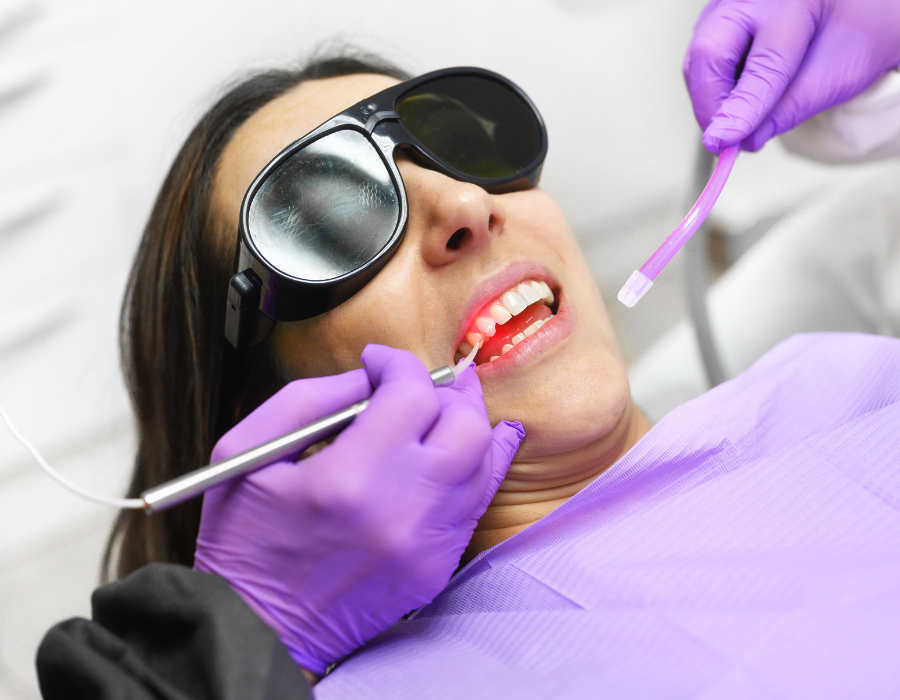
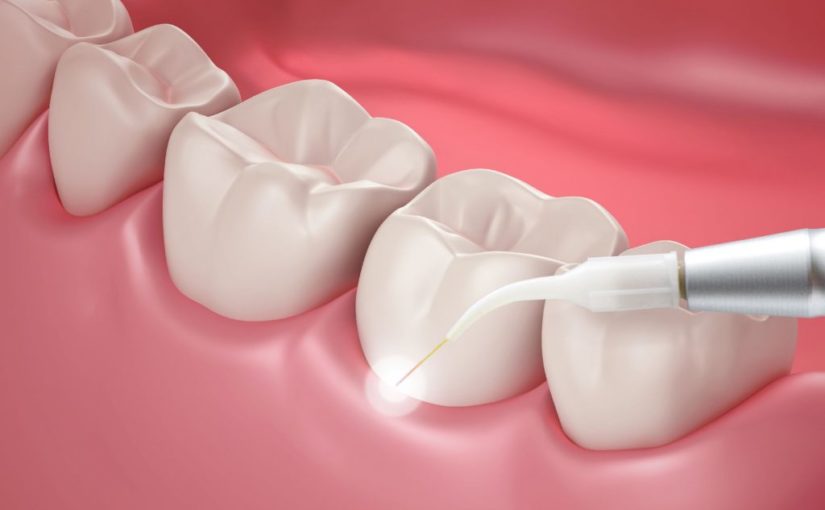
Soft-tissue lasers have even more practical functions for dentistry! Dr. Elizabeth Eggert and Dr. Jeff Eggert use soft-tissue lasers to reshape gums and vaporize diseased tissue. They also use lasers to lengthen crowns for better access to a tooth’s structure or for cosmetic purposes, such as reducing a “gummy” smile. If you’re dealing with sensitive teeth, Dr. Elizabeth Eggert and Dr. Jeff Eggert may use a soft-tissue laser to seal dentin tubules in your tooth, eliminating that sensitivity. At Eggert Family Dentistry, soft-tissue lasers are also used to perform biopsies, remove benign oral tumors, remove lesions in the mouth, and expose partially erupted molars.

What are the benefits of laser dentistry?

After its introduction in the mid-90s, laser dentistry has been widely adopted by dentists and prized by patients for its many benefits.

Benefits include:

Less pain: Because laser dentistry is minimally invasive, patients generally experience less pain and discomfort after the procedure.

Less bleeding: Laser light energy has a natural clotting effect, reducing bleeding and swelling and accelerating soft-tissue healing. In many cases, sutures are not required following a laser dentistry procedure!

Less damage or irritation to surrounding tissues: Because lasers facilitate utmost precision, tissues around surgical areas remain undisturbed.

Less fear: Lasers are silent and minimally invasive, making them a particularly great choice for children who can be intimidated by the noise and pressure of a drill.

Enhanced effects from teeth whitening procedures: When you see Dr. Elizabeth Eggert or Dr. Jeff Eggert for professional teeth whitening, they may a laser to speed up the whitening process.

If you would like to learn more about our laser dentistry services or other new and exciting dental technology here at Eggert Family Dentistry, give us a call at 651.482.8412. We would love to tell you about how we use laser technology to benefit our patients!

The Importance of Dental Technology and What You Can Expect at Eggert Family Dentistry

By: Dr. Elizabeth Eggert

Technology is constantly evolving.

We can see this in every area of life: from the cars we drive to the ways we communicate; things have changed quickly in our lifetimes. Even family movie night looks much different now than it did just a few decades ago!

Technology in the dental field has significantly evolved as well. We have vastly more powerful tools at our disposal than we once did, which has translated to much more efficient and effective dental care.

In this blog, we’ll explore why technology is important to your dental health and introduce some of the equipment you can expect to see used in the Eggert Family Dentistry office.

Why Is Dental Technology Important?

Dentists and patients alike benefit from advances in dental technology. Updates to procedures, treatments, and instruments make it easier for dentists to identify and address problems and improve outcomes for patients.

Modern technology has improved oral health in many ways. For example, Dr. Jeff Eggert and Dr. Elizabeth Eggert can identify and treat dental problems more effectively and conveniently than ever before. And patients benefit from a wider range of available treatment options as well as more efficient, less painful procedures.

At Eggert Family Dentistry, we are proud to provide improved treatment options using a number of technological advances in our clinic.

The Technology We Use at Eggert Family Dentistry

We routinely use advanced technologies in our offices including the iTero scanner, the Primescan with CEREC, digital x-rays, intraoral cameras, and electric handpieces. Here is a little more about these advancements and how they help us provide you with the best in oral care.

iTero Scanner
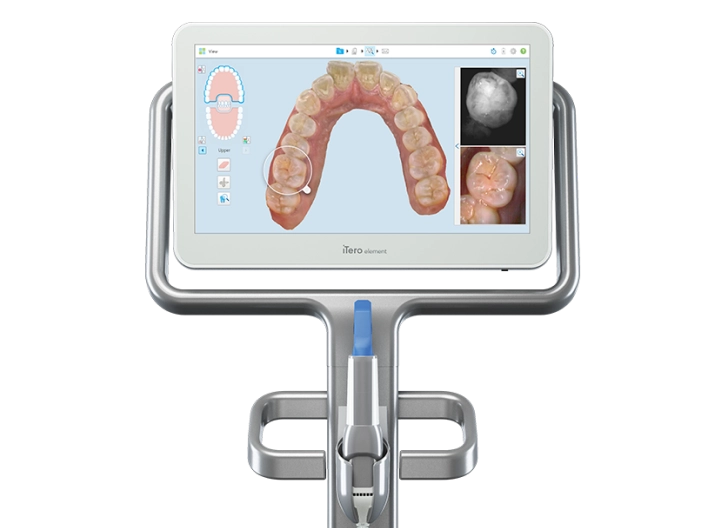
The iTero Element 5D Plus Lite is an intraoral scanner that gives us a fast, high-definition color 3D image of a patient’s mouth.

An intraoral scanner consists of a handheld camera wand, a computer, and software. Here’s how it works:

  1. We use the wand to scan your mouth, gently moving it over the surface of the teeth and gums.
  2. The iTero captures the size and shape of each tooth and displays a real-time 3D image on a touch screen.
  3. This image can be magnified and manipulated to enhance details in the areas we want to examine more closely.
  4. If appliances are needed, we can send the necessary scan information directly to the lab.
  5. iTero is perfect for scanning for Invisalign cases.  In fact, this is why we invested in the iTero scanning unit, because we started doing so many Invisalign cases, it was much more convenient for everyone to use the scanner.

Primescan and CEREC
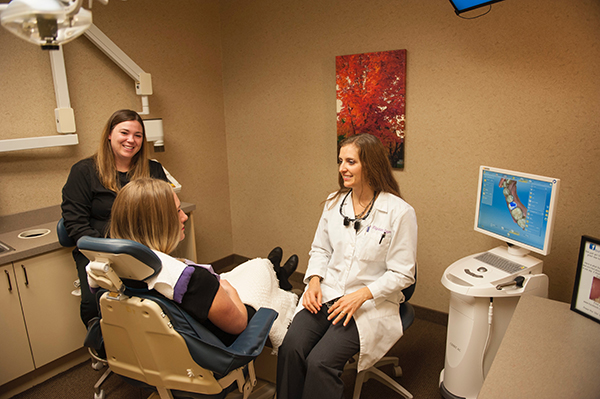
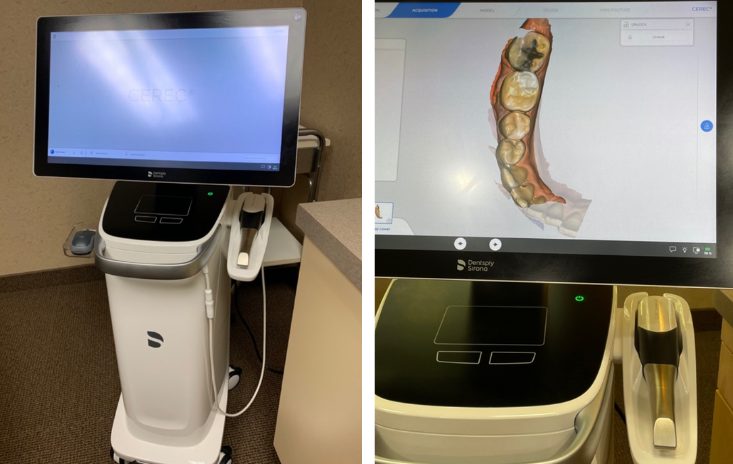
We have been using the Primescan with CEREC in our office for a number of years. This equipment allows us to create restorations like full crowns, inlays, onlays, and veneers right in our office…in a matter of minutes.

Traditionally, when you need a crown, it has always involved two appointments. The first is to prepare the tooth for the crown, take an impression of the tooth to have the crown made, and attach a temporary crown. Then, at the second appointment, the temporary crown is removed and the customized crown is permanently affixed.

With Primescan and CEREC, we are able to condense all of this down into one visit.

First, we’re able to take a digital impression of the tooth (rather than using the traditional putty method). Then, we can create your customized restoration while you wait and affix it right away. There’s no need for a temporary crown or to come back for a second appointment. We are proud to say that we are able to fabricate over 85% of our crowns at Eggert Family Dentistry using this one-visit method.

Digital X-Rays
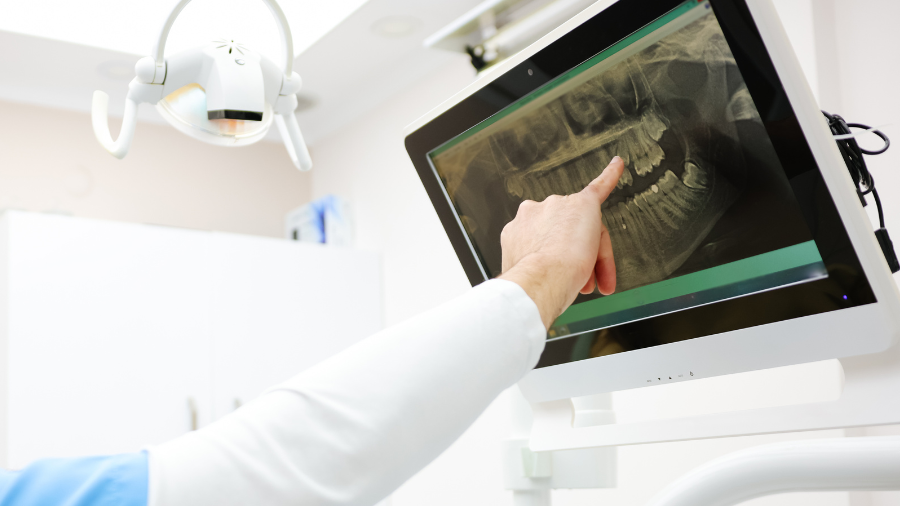
Digital x-rays allow us to instantly take x-rays of your teeth to gather the information we need to quickly determine treatment and procedure options.

With the digital x-ray, we take an image of your teeth and view it in an imaging program. That program contains a number of tools that allow us to take a close look at your teeth and surrounding structures with incredible accuracy.

What’s more, the digital x-ray also uses nearly 80% less radiation than a standard x-ray, making it much safer for you.

Intraoral Camera
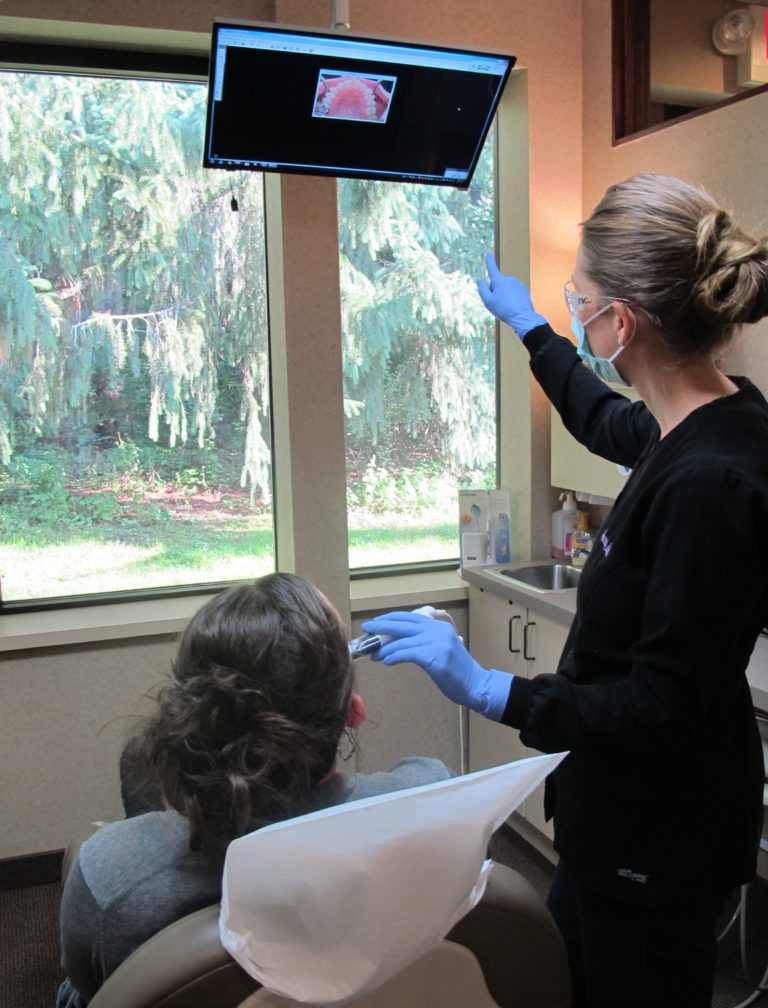
An intraoral camera is a diagnostic tool that enables us to view different angles in the mouth that are difficult to see with a hand mirror. We use an intraoral camera to take photos of your teeth and gums and to show you any problem areas in your mouth. It is a great education tool!

The camera allows us to view the entire mouth on a monitor so we can get a closer look at any potential issues or problems that may arise and treat things before they become more serious. In addition, you are able to see for yourself what we are seeing in your mouth.

Electric Handpieces
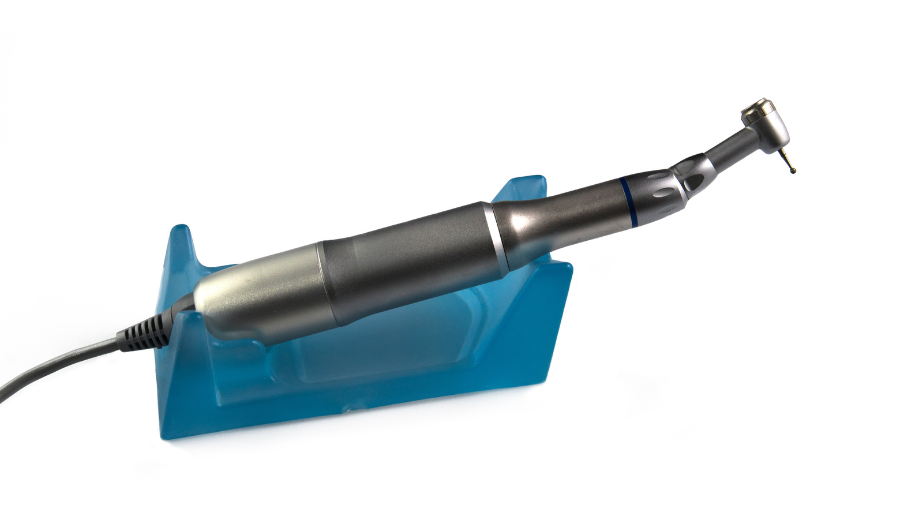
There are two types of handpieces commonly used in dentistry: air-driven handpieces and electric ones.

Electric handpieces are much stronger than air-driven ones because a motor spins the bur rather than air. This allows us to remove decay more quickly, reducing the time you need to be in the dental chair.

One example of where electric handpieces provide a great deal of benefit is in performing root canals. In Rotary Endodontics, we use a specialized electrical handpiece to perform a root canal, making the process faster and more effective and allowing us to perform the procedure with greater ease.

Enjoy a Better Dental Experience Thanks to Technology and Eggert Family Dentistry
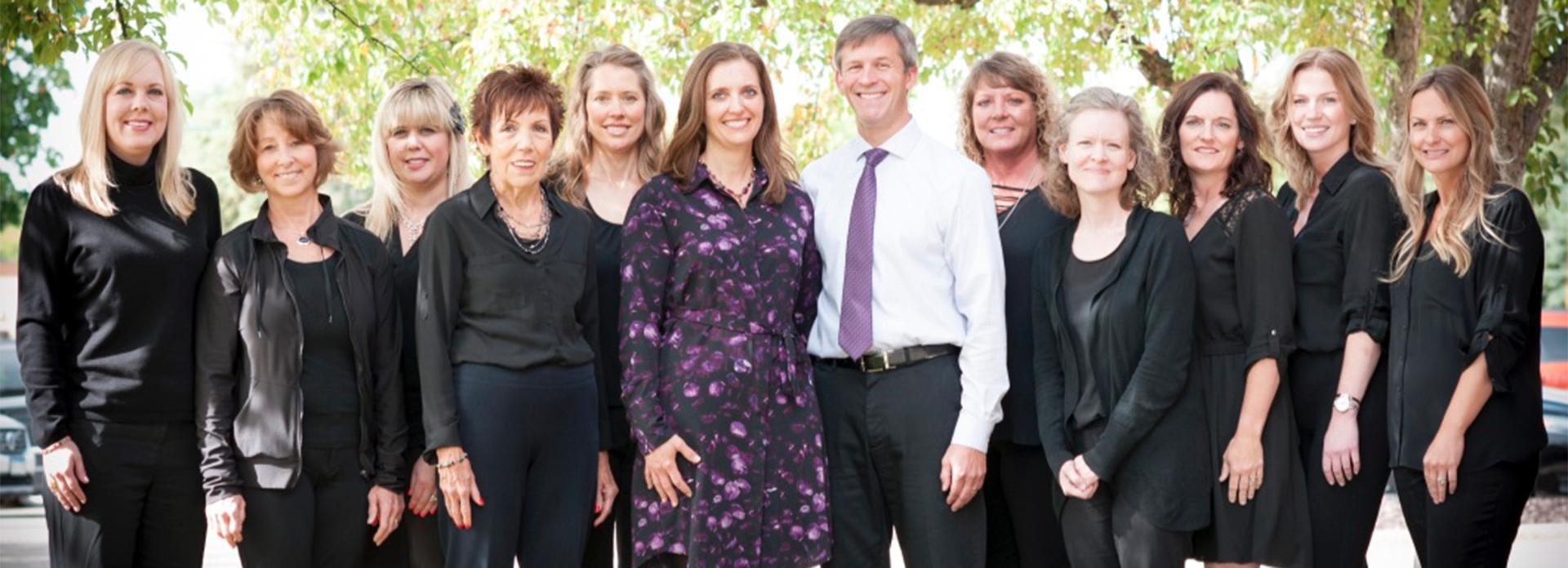
At Eggert Family Dentistry, our patients enjoy efficient, successful, and more comfortable procedures thanks to the latest in dental technology, along with the compassionate care of Dr. Jeff Eggert and Dr. Elizabeth Eggert.

No matter your dental needs, Dr. Jeff Eggert or Dr. Elizabeth Eggert will use their expertise to evaluate your oral health and determine the best treatment options for you. Contact our office in North Oaks, MN at 651-482-8412 to schedule an appointment today.
Laser Dentistry – An Innovative Solution

By: Dr. Elizabeth Eggert

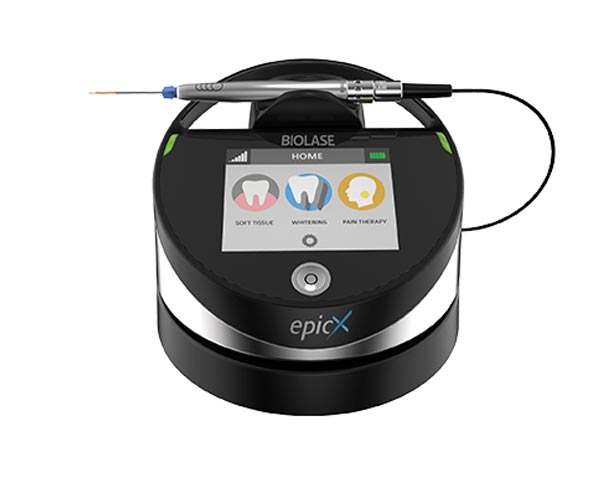
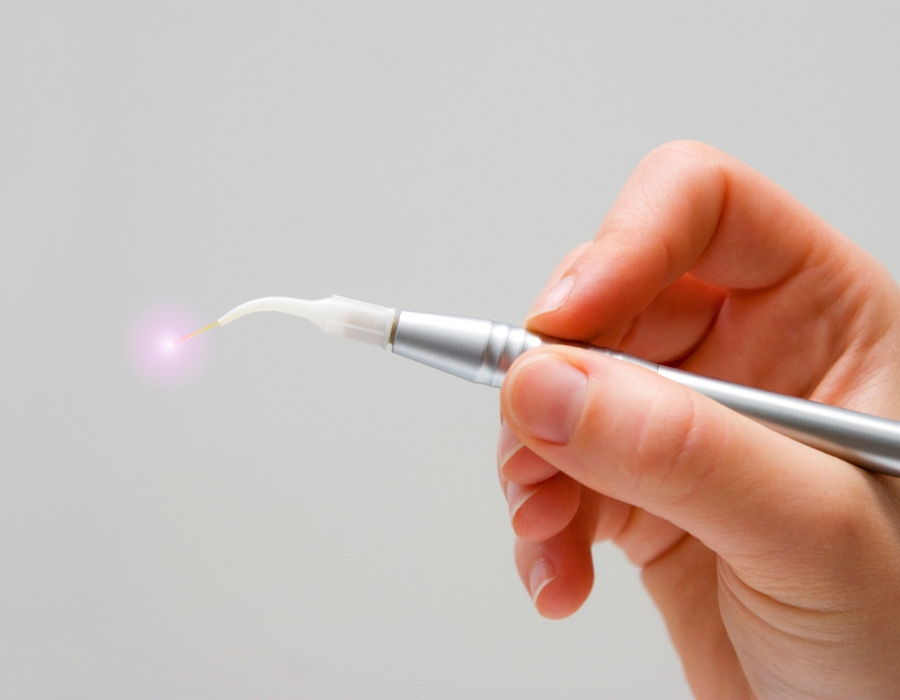
Lasers are increasingly common across nearly all fields of medicine and dentistry is certainly not excluded. Delivering energy in the form of light, laser dentistry procedures are incredibly precise and minimally invasive, making them a popular choice among practitioners and patients alike. At Eggert Family Dentistry, we utilize lasers in a number of procedures to the benefit of our patients.

What can laser dentistry treat?

Dr. Elizabeth and Dr. Jeff implement laser dentistry to treat issues including overgrown gum tissue, gum disease, tooth decay and root canals. We also use lasers when teeth whitening to activate the bleaching solution and speed up the whitening process. Additionally, laser dentistry aids in exposing wisdom teeth and removing benign oral tumors.

How does laser dentistry work?

There are two kinds of lasers used in dentistry:

Hard tissue lasers: These lasers cut through both water and bone and are effective for procedures such as detecting cavities and preparing teeth for fillings.

Soft tissue lasers: These lasers cut through soft tissue and are effective for procedures such as reshaping gums, lengthening crowns and performing biopsies.

What are the benefits of laser dentistry?

When you come in for a laser dentistry consult, Dr. Elizabeth or Dr. Jeff will share with you all the benefits of laser dentistry. These benefits include less bleeding, reduced likelihood of infection, diminished need for anesthesia and reduced healing time. Also, you won’t feel discomfort from the laser like you may from a drill. For this reason, laser dentistry can be a good choice for children who are fearful of the noise and pressure of the drill. Furthermore, our patients who undergo laser dental procedures report less discomfort during the recovery process than following scalpel procedures.

If you would like to learn more about our laser dentistry services here at Eggert Family Dentistry, give us a call at 651.482.8412. We would be happy to discuss this further!