Considering a Career in Dentistry? Here’s What You Need to Know

By: Dr. Elizabeth Eggert

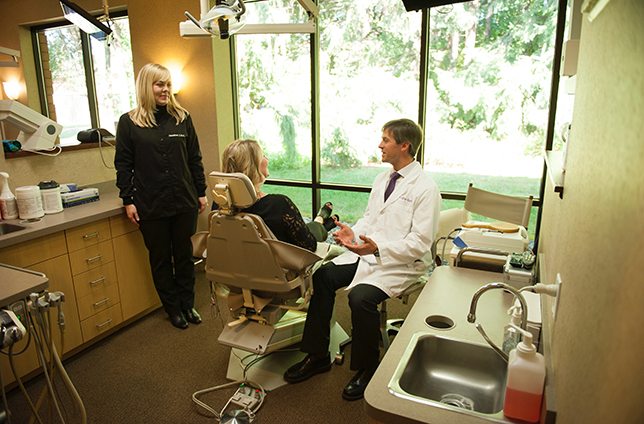
Considering a career in dentistry? We at Eggert Family Dentistry want to encourage others to share in this amazing career. Let’s go through an overview of the education, training, and skills necessary for a dental career, as well as some of the benefits of working in this field.

Why Choose a Career in Dentistry?

A career in dentistry offers a wide array of benefits and rewarding experiences. Dentistry is a unique blend of science, art, and meticulous hands-on care, requiring dentists to master techniques unique to their profession.

Dental professionals improve the lives of their patients, helping them smile with confidence. In each visit, a dentist can experience the satisfaction of positively impacting a patient’s life, whether that’s through preventative care, restorative procedures, pain reduction, or esthetic correction.

As a dentist, you have the opportunity to build long-term relationships with your patients—many dentists have the privilege of serving multiple generations within a single family! You also help contribute to the overall public health of your community.

In addition to these rewarding experiences, a dental career offers career stability, flexibility, and independence. In fact, dental careers have consistently appeared on U.S. News & World Report’s “100 Best Jobs” rankings.

Most dental school graduates choose to go into private practice, which offers independence and the ability to set and reach individual business and career goals.

Beyond private practice, the field of dentistry offers a wide range of clinical, research, and academic opportunities as well. For example, by engaging in dental education, you have the chance to help shape the future direction of oral healthcare. And in dental research, your work to discover new techniques and technologies can help advance the profession and create better oral health outcomes for millions of patients.

No matter which area of dentistry you choose, you will find a rewarding, challenging career that helps to make the world a better place.

Available Career Paths in Dentistry

The field of dentistry offers a variety of career paths, allowing you to choose a career that best suits your individual skills and interests. Each role in a dental office—whether you’re the dentist, dental hygienist, dental assistant, administrative team member, office manager, or lab technician—helps contribute to patient care in its own way.

  • Dentist: As the primary dental care provider, dentists care for and manage a patient’s overall oral health and often play a vital role in running the business of the dental office. Dentists help patients with preventative education, as well as restorative procedures like fillings, crowns, bridges, veneers, dentures and surgical procedures like root canals, extractions, implants. In addition, they routinely check patients for signs of oral, cranial, lymph, and neck-related health issues, such as cancer or gum disease.
  • Dental Hygienist: A dental hygienist is able to have a lot of one-on-one time with patients. They work closely with dentists to provide important aspects of oral care, such as cleanings and periodontal treatments as well as educating patients on maintaining good oral health.
  • Dental Assistant: Dental assistants support dentists in a variety of tasks, including preparing patients for and walking them through procedures, sterilizing instruments, taking x-rays and tooth impressions. Dental assistants work closely with the dentist during dental procedures and occasionally do help the dental office with administrative tasks.
  • Dental Lab Technician: Working behind the scenes, dental lab technicians are the ones who design and fabricate dental prosthetics like crowns, bridges, dentures, mouth guards, and other dental appliances according to the dentist’s specifications. Most dental lab technicians work outside of the dental office, often at a dental laboratory.
  • Dental Administrative Team Member: No dental office is complete without capable and friendly administrative team members. These workers keep the office running smoothly by helping patients schedule, coordinating payments and with insurance companies, and maintaining relationships with each patient.

In addition to these roles, there are several specialized areas of dentistry that require additional education and certification. These specialists include orthodontists, periodontists, endodontists, oral and maxillofacial surgeons, pediatric dentists, facial pain specialists, and oral radiologists.

Education and Training Requirements to Be a Dentist

Becoming a dentist involves rigorous academic requirements as well as several years of practical education. Anyone interested in a dental career must first obtain a bachelor’s degree. It can be in any field, but most aspiring dentists opt for fields that help them complete the prerequisite courses they’ll need for dental school, such as biology or chemistry.

In addition, you must also complete the Dental Admissions Test (DAT) to be accepted into dental school. It’s generally recommended for students to take the DAT at least a year before applying to dental school. In addition, you’ll need to have a good GPA, some experience shadowing a dentist, and excellent recommendation letters.

Dental school is typically a four-year program, with the first two years consisting of basic instruction and lab work, and the final two years focusing on clinical studies.

Once you’ve completed dental school and receive either your Doctor of Dental Surgery (DDS) or Doctor of Medicine in Dentistry (DMD) degree, you’ll need to pass the accepted licensing board examinations accepted by the state where you want to practice. There are both requirements for knowledge based written board examinations and clinical skill examinations like the CRDTS exam. Depending on the state you plan to practice in, there may be additional licensure requirements as well and you may even have to go before the Licensing Board of the state.

From there, you can either begin practicing dentistry or go on for additional schooling to become a specialist. To enter a specialty program, you’ll need to complete a residency after dental school, which can take anywhere from two to six years, depending on the specialty area you choose.

Continuing Education: Staying Current in a Changing Field

If you choose to enter the dental field, be prepared for a lifetime of learning. Even once you’ve completed your initial schooling, your dental education is not complete. The field of dentistry is constantly growing and changing, so there is always more to learn.

  • Taking regular workshops and CE courses (online or in-person)
  • Joining professional dental associations
  • Attending conferences
  • Participating in mentorship opportunities
  • Pursuing certification programs

These are all great ways to stay current on dental advancements, industry trends, and best practices. Through continuing education, you’ll gain valuable insights to better serve your patients, including learning the latest techniques and technologies available to you. Most states have a continuing education requirement each year to maintain a dental license. In Minnesota, dentists are required to log at least 50 hours every 2 years. Did you know, your dentists, Dr. Jeff Eggert and Dr. Elizabeth Eggert in North Oaks, MN log more than double that amount?

You’ll also have important networking opportunities that help you understand the broader dental landscape so you can make informed decisions for your practice and stay up-to-date on regulatory and licensing requirements. Being part of a strong network of other dental professionals can bring new opportunities and offer invaluable advice to inform your career path.

Building the Right Skill Set

Working in the dental field requires a unique skill set consisting of a blend of technical skills and “soft” person-based skills.

Dental professionals need to be skilled in precision, dexterity, and attention to detail to properly care for their patients’ teeth. Whether you’re cleaning in between a patient’s teeth, filling a cavity, removing stains, or fixing bigger oral issues with bridges, crowns, or surgery, these skills are crucial in helping patients maintain good dental health.

In addition to these technical skills, soft skills like communication, compassion, and creativity are vital to ensure happy patients and a well-run dental office. Effective communication is necessary to deliver your expertise to patients in a way they can understand and apply it to their dental health. Clear communication also helps ensure effective collaboration with your dental team.

Treating patients with compassion is an important element as well. The dental office is often an anxiety-inducing place for patients of all ages, and your job is to reassure them, building trust and rapport so they feel comfortable seeking dental treatment. Listen actively, explain procedures clearly, and show empathy for their fears. Building positive patient relationships like this leads to better treatment outcomes for the patient and increased patient loyalty for your practice.

Finally, a creative mindset is useful in a dental practice, as you will often need to come up with creative solutions to a patient’s dental concerns. This may involve adapting a treatment plan to suit a patient’s lifestyle, designing dental appliances, or finding creative ways to make treatment more comfortable for the patient. No two patients are the same; your approach to their problems needs to follow suit.

Ready to Explore a Career in Dentistry?

If a career in dentistry sounds like something you’d like to pursue, spending some time with others in that field is a great first step.

Look for opportunities to intern, volunteer, or shadow a local dentist. This will give you an opportunity to explore the field further and determine if it’s something you’d like to pursue long-term. Plus, dental schools like to see applicants with experiences like these, because it shows they understand what is involved in practicing dentistry.

If you’re interested in mentorship or observation opportunities with Dr. Elizabeth Eggert, Dr. Jeff Eggert, or another member of the Eggert Family Dentistry team, please feel free to reach out.

Healing After Oral Surgery: What To Expect and How To Speed Up Recovery

By: Dr. Elizabeth Eggert

Oral and maxillofacial surgery can help correct disease, injury, or defects in the hard and soft tissues. But for proper healing and lasting results, a successful recovery from surgery is essential.

Here, we’re sharing some practical tips for healing after oral surgery—including pain management, diet, and oral hygiene—to help you have a smooth recovery.

What To Expect When Healing From Oral Surgery

Within the first few days after surgery, you can expect to experience some or all of the following:

  • Intermittent bleeding and oozing from the surgical site for up to 24 hours (possibly longer if you are taking blood thinning medication).
  • Pain or discomfort. It’s normal to feel more soreness on day two or three after surgery than on the day of surgery itself. In most cases, pain should reach its peak within 48-72 hours, then gradually begin to improve.
  • Nausea. Pain medications may cause nausea. Taking them with food and sipping on carbonated beverages can help.
  • Swelling at or near the surgical site. This can last for several days—swelling typically peaks around the 48-hour mark, then begins to improve.

If you experience these symptoms within the timeframes listed, please know that this is normal and should improve as you heal. Keep reading for tips to manage these symptoms, as well as  what symptoms to watch for that could indicate a need to contact Eggert Family Dentistry.

Pain Management and Swelling Control

Most oral and maxillofacial surgery will be accompanied by some pain or discomfort. In many cases, some form of pain reliever will be prescribed or recommended during your recovery period.

This could be an over-the-counter medication like ibuprofen, acetaminophen, or aspirin; or a prescribed stronger pain medication. In either case, make sure to follow the instructions from our office for how much medication to take, and when and how long to take it. Note that it is rare that we would prescribe a narcotic medication, however, if prescribed, this medication will cause impaired judgment and reflexes, so you will need to avoid driving or operating other heavy machinery while you’re taking it.

Swelling is another part of the body’s normal reaction to oral surgery. It should gradually decrease within five days. In the meantime, keeping your head elevated with extra pillows when lying down can help minimize swelling. You can also apply ice packs or cold compresses to your face during the first 48-72 hours (30 minutes on/30 minutes off). After that point, a warm compress (30 minutes on/30 minutes off) can be used until the swelling subsides.

Smart Eating: Post-Surgery Diet Tips

While it may be more difficult to eat after surgery, eating regular nutritious meals will give your body the fuel it needs to recover.

For the first 24 hours, stick to cool or room-temperature liquids and soft foods, such as:

  • Ginger ale, milk, or other cool beverages
  • Milkshakes or Protein shakes
  • Mashed potatoes (cooled)
  • Soup (cooled)
  • Oatmeal (cooled)
  • Yogurt or Jell-O®  (without fruit pieces)
  • Ice cream, sherbet, or frozen yogurt (without fruit, nuts, or other hard or chewy pieces)
  • Apple sauce or other pureed food

This is not an exhaustive list—it’s just meant to give you an idea of what kinds of foods are best. Stick to cool or room temperature beverages and foods until all numbness wears off. In addition, avoid foods that contain nuts, seeds, rice, corn, or chips, as well as those that are hot, spicy, tough, or chewy.

When chewing, chew softly and away from your surgical site. Make sure you’re also drinking plenty of water to stay hydrated. After the first 24 hours, you can gradually begin to add in more solid foods and warmed foods and beverages.

Dental Hygiene While Healing After Oral Surgery

Maintaining good dental care while recovering from oral surgery will help you avoid infection and ensure your surgery site heals properly.

On the day of surgery, you will likely have gauze pads in your mouth to help stop the bleeding. Change these gauze pads regularly until the bleeding stops or slows to a minimum. The day after surgery, gently rinse your mouth with warm salt water three or four times per day for a couple of days. You should also start gently brushing your teeth with a manual toothbrush beginning the day after surgery, taking care to avoid the surgery site.

Note: The dental care instructions you receive may vary depending on the type of surgery. Make sure to always follow the instructions given by Dr. Elizabeth Eggert or Dr. Jeff Eggert.

Tips for a Speedy Recovery

While recovery from oral surgery will take time, there are a few simple things you can do to ease pain and swelling, prevent infection, and speed up your recovery time.

  1. Rest. This is one of the most important elements of recovery. Your body is working hard to heal itself, so you need to support it with plenty of rest. Try to take it easy for at least the first 48-72 hours.
  2. Take medication as directed. If we prescribe a pain reliever, antibiotics, or anti-nausea medication, take it as directed, for as long as directed.
  3. Keep your head elevated. For the first day or two, keep your head slightly elevated when you’re lying down to help reduce pain, swelling, and bleeding.
  4. Use cold and warm compresses. For the first 48-72 hours, apply an ice pack or cold compress to your face near the surgical site for about 30 minutes at a time to help bring down swelling. If you develop bruising within the few days after surgery, applying a warm compress can help speed up the healing process.
  5. Avoid heavy lifting, pushing, pulling, and exercising for at least a week after surgery.
  6. Don’t use a straw and don’t spit for a week after surgery, as these actions may disrupt the blood clot in the surgical site and cause bleeding.
  7. Avoid smoking and alcohol for a week after surgery. Smoking restricts blood flow, and alcohol can conflict with your medication. Both will delay healing.
  8. Attend all your follow-up appointments and follow all instructions given to you after your surgery to ensure you heal well and avoid complications.

When To Contact Eggert Family Dentistry

As you heal after your oral surgery, there are a few symptoms you should watch for that could indicate a problem:

  • Persistent pain, swelling, or nausea that lasts longer than your post-op instructions state
  • Pain that radiates to other areas of the jaw, teeth, or ear. This could indicate a dry socket (loss of the blood clot in the surgical site) and needs to be addressed
  • Fever or pus. This could signify an infection
  • Heavy bleeding or bleeding that continues for more than 24 hours
  • Rash, itching, or trouble swallowing or breathing. This could indicate an allergic reaction to your anesthetic or your antibiotics

If you experience any of these symptoms, contact Eggert Family Dentistry right away. Prompt care can prevent any complications and get you back on the road to recovery.

If you have an upcoming oral surgery or questions about recovery, don’t hesitate to reach out to our team at Eggert Family Dentistry. We’re here to help you heal comfortably—and get back to your best smile!

🎉 Celebrating 20 Years of Smiles at Eggert Family Dentistry! 🎉

By: Dr. Elizabeth Eggert

October 2005 – October 2025

You’re invited! This October, we are celebrating 20 incredible years of serving the North Oaks and Twin Cities community. Back in October 2005, our founder, Dr. Elizabeth Eggert, opened the doors with the intention to provide “Dentistry for a Lifetime of Smiles.” Fast-forward 20 years and Eggert Family Dentistry is recognized as a warm, caring, family-friendly, and high-tech dental practice. And, after two decades and we’re so grateful for patients like you — the friendships, the trust, the daily smiles.

To honor the milestone, we’re turning this month into a fun celebration — and you’re part of it!


What’s happening on our Facebook page

We’ve been posting special content all month on our Facebook page.  In honor of Eggert Family Dentistry’s 20th anniversary, we’re posting daily trivia all October! To enter, comment to the Facebook post with the correct answer for a chance to win a “Night in Stillwater!” Everyone is eligible to submit one answer each day, which means up to 31 chances! Correct answers revealed throughout the month as an edit to the original post. We will accept answers/guesses until the answer is posted. Good luck!

The comments have been rolling in – it’s fun seeing how many of you remember our 20 year journey. Check these posts at Eggert Family Dentistry’s Facebook https://www.facebook.com/Eggert.Family.Dentistry//. Here are a few highlights:

  • On October 14:
    “What is a favorite hobby of Dr. Jeff?”

  • On October 18:
    “Dr. Elizabeth is on a quest to do what?”

  • On October 21:
    “Who was one doctor that covered Dr. Elizabeth’s maternity leave when Grant was born in 2009?”


Join the Trivia Fun — & Win a “Night in Stillwater”

Here’s how you can participate and win:

  1. Visit our Facebook page and look for the daily trivia post.
  2. Comment on the trivia post with your answer.
  3. Each correct entry gets you a chance to win a “Night in Stillwater” — our fun way of saying we’re giving away a little local stay-cation (details in the post).
  4. Don’t worry if you miss a day — we will accept answers/guesses until we post the answer so there are still plenty of chances to play throughout October and November.

So yes — you’re absolutely invited to join in the fun, test your Eggert Family Dentistry knowledge, and maybe walk away with the prize. It’s a win-win: you get to reminisce, we get to celebrate, and we all get to smile together.


👍 Stay connected — follow our Facebook page

If you haven’t already, here’s how to stay in the loop:

  • Go to Facebook and search Eggert Family Dentistry (North Oaks, MN).
  • Click Follow (or Like) and then turn on Notifications so you don’t miss a trivia post, photo memory, or special announcement.
  • Invite your family and friends too — the more, the merrier!

By following us you’ll be the first to know about future events, giveaways, practice updates, and awesome patient-community moments.


Thank You for the Past 20 Years!

You’ve trusted us — whether it’s your first check-up, treatment for your kids, a cosmetic smile enhancement, or simply routine recare visit and cleaning. We appreciate the opportunity to care for you and your family’s smiles.

Here’s to the next 20 years of wellness, technology, warm visits, and big-hearted dental care. And in the meantime — dive into our trivia, join the celebration, and let’s mark this milestone together.

See you on Facebook!

Warmly,
The Team at Eggert Family Dentistry
700 Village Center Drive, Suite 120, North Oaks MN 55127
(651) 482-8412

Scaling and Root Planing:
 A Deeper Clean for Better Health

By: Dr. Elizabeth Eggert

If you visit our office regularly, you’re already educated about the threat of gum disease. We make it a priority to teach our patients how to care for their teeth and prevent its harmful effects. Unfortunately, it can sometimes develop despite our best efforts, and when it does, Dr. Elizabeth Eggert and Dr. Jeff Eggert of Eggert Family Dentistry in North Oaks, MN address it directly.

In this article, we’ll provide a concise overview of gum disease, also known as periodontal disease, and explain how scaling and root planing can help stop—and in some cases even reverse—its effects before it leads to tooth loss or other systemic health issues.

Understanding Gum Disease

Gum disease is an infection of the tissues that support your teeth, typically starting as gingivitis—the mild, reversible stage marked by red, swollen gums that may bleed easily. Without treatment, it can progress to a more serious form of periodontal disease, often referred to as periodontitis, where the infection damages the bone and connective tissue, leading to gum recession, loose teeth, and often tooth loss.

Gum disease develops when plaque—a sticky film of bacteria—builds up on teeth and hardens into tartar, irritating the gums and causing inflammation. Common signs include bleeding gums, bad breath, swollen or tender gums, receding gums, and shifting teeth. Good oral hygiene at home and regular dental visits are key to preventing and treating gum disease.

What Is Scaling and Root Planing?

Scaling and root planing is a deep-cleaning treatment used to address gum disease. Scaling involves removing plaque and tartar from both above and below the gum line, where regular brushing, flossing, and routine dental cleanings can’t reach. Root planing smooths the surfaces of the tooth roots, making it harder for bacteria to cling and helping the gums heal and reattach to the teeth.

Dr. Elizabeth Eggert and Dr. Jeff Eggert typically recommend this procedure when gum disease has advanced beyond gingivitis and deep pockets have formed between the gums and teeth. Unlike a routine cleaning, which focuses on the visible surfaces of teeth, scaling and root planing targets the deeper areas where infection has taken hold, especially below the gum line, helping to stop disease progression and protect your smile.

The Benefits of Scaling and Root Planing

Scaling and root planing delivers lasting benefits that protect your gums, teeth, and overall oral health. By targeting the bacteria and tartar that contribute to gum disease, this treatment can improve healing, prevent further damage, and support a healthier mouth.

Key benefits include:

  • Halting the progression of gum disease by removing plaque and tartar from deep beneath the gums
  • Reducing inflammation and bleeding, allowing gums to heal and stay healthy
  • Helping prevent tooth loss by stopping the infection that can loosen teeth
  • Supporting bone and gum tissue regeneration, promoting recovery of oral structures
  • Improving breath and overall oral hygiene by eliminating bacteria and plaque buildup

What to Expect from Scaling and Root Planing

Scaling and root planing is typically done over one or more visits, depending on the extent of the gum disease. During the procedure, the magnificent hygienists at Eggert Family Dentistry will use specialized instruments to carefully remove plaque and tartar from above and below the gum line. Then they will smooth the tooth roots to help the gums reattach. Often both a water treatment, using a Cavitron, and hand instrumentation is used. A local anesthetic is generally used to ensure your comfort throughout the treatment.

After the procedure, proper healing and maintenance are essential. Our patients are encouraged to continue diligent oral hygiene at home—brushing, flossing, and using antimicrobial rinses, as recommended. Follow-up appointments allow our team to monitor your progress and, in some cases, prescribe antibiotics to support healing. At Eggert Family Dentistry, patient comfort and personalized care are a top priority, ensuring each visit is as gentle and effective as possible.

Addressing gum disease early on is one key to protecting your teeth, gums, and overall oral health, and advanced treatments like scaling and root planing can make a significant difference in halting its progression and promoting healing.

During routine recare visits, we can spot potential issues early—before they become serious. If you’re experiencing symptoms of gum disease or want to learn more about how scaling and root planing can support your oral health, give Eggert Family Dentistry a call at 651.482.8412 to set up an appointment!

How Dental Insurance Works, Common Coverage Gaps, and Why Dental Procedures Are Worth the Investment

By: Dr. Elizabeth Eggert

Dental insurance can be a valuable tool in helping you manage the cost of maintaining a healthy smile. However, many patients are surprised to learn that dental insurance doesn’t always cover the full cost—or in some cases, any of the cost—of the treatments recommended by Dr. Elizabeth Eggert or Dr. Jeff Eggert of Eggert Family Dentistry. Understanding how dental insurance works, where coverage gaps occur, and why it’s worth investing in procedures not covered by your plan can help you make informed, confident decisions about your oral health.

How Dental Insurance Plans Work

Unlike medical insurance, dental insurance is designed more as a benefit than a comprehensive health care plan. Most dental plans follow a cost-sharing model between the insurer and patient, which includes deductibles, copays, annual maximums, and coinsurance.

  • Deductible: A deductible is the amount you must pay out of pocket before your insurance begins covering costs. Preventive services like cleanings and exams often don’t require a deductible. But, unfortunately in this changing market, some new plans WILL require deductibles before they provide any benefits.
  • Copay: A copay is a predetermined dollar amount that patients must pay upfront for a medical or dental service. These can vary depending on the type of service you receive.
  • Annual Maximum: Most plans cap how much they’ll pay per year—commonly around $1,000–$1,500. Once you reach that limit, you pay for additional treatments out of pocket.
  • Coinsurance: After meeting your deductible, you typically share in the cost of treatments. For example, your plan might cover 80% of a procedure, leaving you responsible for the remaining 20%.

At Eggert Family Dentistry, we do a lot to help you understand your insurance plan and how these terms apply to you. However, we always need you to understand that we have nothing to do with the makeup of your plan, we do not  determine your coverage, and we cannot do anything to “make your insurance company pay.” Your plan is decided by the agreement between your employer and the insurance provider, or by the plan you purchase individually. As always, Dr. Elizabeth Eggert and Dr. Jeff Eggert may recommend a procedure because it’s best for your health, but that does not necessarily mean that you will have benefits from your insurance company for the procedure and your insurance may not agree to pay for it for you.

Why Doesn’t Insurance Cover Everything?

Most dental plans do not cover all procedures. Typically, they provide:

  • 100% coverage for preventive care, such as exams, cleanings, and x-rays
  • 80% coverage for basic procedures, such as fillings and simple extractions
  • 50% coverage for major procedures, such as crowns, bridges, and dentures

Some procedures—such as dental implants, orthodontics, or cosmetic dentistry—may not be covered at all. Why? Insurance companies are a big business and many of them are out to maximize their profits. This means they often opt for the least expensive alternative treatment (LEAT). For example, Dr. Elizabeth Eggert or Dr. Jeff Eggert may recommend a dental implant for its durability and long-term benefits, but your plan might only cover a partial denture because it costs them less.

Other common coverage limitations include:

  • Pre-existing conditions: Your plan might not cover treatments for conditions you had before enrollment.
  • Frequency limits: Your plan may limit the number of times they will pay for a procedure, like cleanings or exams per year, even if you need more to keep your oral health in tip-top shape.
  • Downcoding: Your insurance may change the procedure to a less expensive one, and you may be responsible for the difference.
  • Bundling: Multiple procedures may be combined into one “bundle” by the insurer, reducing your benefits.

Remember: Your dental plan is a financial agreement, not a treatment guide. It’s designed to manage costs, not dictate what care you receive. The most accurate way to think of it is like a good pre-paid coupon.

What to Do if a Procedure Isn’t Covered

If Dr. Elizabeth Eggert or Dr. Jeff Eggert recommends a procedure that isn’t covered, you have a few options:

  1. Look for covered alternatives: Sometimes, there’s a less expensive procedure that may at least partially address your dental issue and is covered by insurance. However, cheaper isn’t always better. Discuss with Dr. Elizabeth Eggert or Dr. Jeff Eggert whether the alternative is a good fit for your situation.
  2. Ask us about payment options: At Eggert Family Dentistry, we want you to be able to receive the care you need. Please ask our business team about payment options, which can include credit cards or medical financing options like CareCredit, which let you spread out payments over time, often with little or no interest.
  3. Appeal insurance decisions: If a claim is denied because the procedure was deemed “not dentally necessary,” you can appeal. Kristina in our office works hard for you, appealing insurance company decisions every day. If she needs you to get involved, she’ll let you know and a phone call by you can also help move things along. Your insurance company wants to maintain a good relationship with you as you are their customer (often through your employer).

Ultimately, never skip a medically necessary procedure due to insurance limitations. Dental issues don’t resolve on their own—they worsen. Treating problems early can prevent pain, infection, and higher costs down the line.

Why Investing in Dental Procedures Is Worth It

While it’s natural to focus on cost and insurance coverage, sometimes it’s smarter—and more cost-effective—to invest in a procedure not fully covered by insurance. Here’s why:

  • Durability: Procedures like dental implants may cost more upfront but last for decades, unlike dentures or bridges that may need to be replaced.
  • Functionality: Higher-quality restorations often look, feel, and function like natural teeth, improving comfort and confidence.
  • Preventive Value: Early treatment can stop issues from escalating, saving you time, money, and discomfort later. It is also less likely that you will need to have things replaced as quickly if done right the first time!

Make Treatment Decisions Based on Your Health, Not Just on Coverage

Dental insurance is a helpful tool, but it should not be the only factor in deciding your treatment. Your oral health has lifelong impacts on your comfort, nutrition, self-confidence, and even overall health. When facing a treatment decision, talk openly with Dr. Elizabeth Eggert or Dr. Jeff Eggert about your options, insurance coverage, and financing solutions.

Do you still have questions about what your plan covers or how to afford the treatment you need? Contact our team at Eggert Family Dentistry at 651.482.8412! We’re here to help you understand your options and get the care you need to stay healthy.


Breathe Easier: How to Improve Your Nasal Breathing During Allergy Season

By: Dr. Elizabeth Eggert

If you’ve found yourself constantly sniffling, sneezing, or feeling congested lately, you’re not alone. Spring and early summer are peak times for seasonal allergies, as pollen levels surge in the air. According to the Centers for Disease Control and Prevention (CDC), around 25% of adults and nearly 19% of children in the United States suffer from seasonal allergic rhinitis—commonly known as hay fever. This increase in allergens can make breathing through your nose a daily struggle, but the good news is, you have several effective options to help clear your nasal passages and breathe more easily.

What Are Your Triggers?

The first step to improving nasal breathing is identifying your triggers. Pollen from trees, grasses, and weeds is one of the most common culprits this time of year. If you know you’re allergic to certain types of pollen, it’s helpful to track local pollen forecasts and try to stay indoors when counts are high—typically in the early morning or on windy days. Keeping windows closed and using an air purifier can also help minimize exposure indoors. By reducing your contact with allergens, you make it easier for your nose to stay clear and function normally.

What Can Be Done For The Nose?

One of the simplest and most natural ways to combat nasal congestion is to use a saline nasal spray every day. These sprays can even be used multiple times a day to rinse allergens and irritants out of your nasal passages. They’re non-medicated and safe for regular use, making them a great first line of defense. For a deeper clean, consider using a neti pot—a small device that flushes warm saline solution through your nasal cavity. Just be sure to use distilled or sterile water and clean your device after each use to avoid introducing bacteria.

If saline sprays and rinses aren’t enough, you may benefit from over-the-counter allergy medications. Nasal corticosteroids like Flonase (fluticasone) are particularly effective at reducing inflammation inside your nasal passages. When used daily during allergy season, these medications can significantly improve your ability to breathe through your nose. Antihistamines like cetirizine or loratadine can also help, especially if you have other symptoms like itchy eyes or sneezing. Be sure to talk to your doctor about what options might be best for you!

Why Breathing Through Your Nose Is So Important?

Improving your nasal breathing isn’t just about comfort—it’s also important for your overall health. Breathing through your nose helps filter, humidify, and warm the air you inhale, which can reduce your risk of respiratory infections and improve sleep quality. When nasal congestion forces you to breathe through your mouth, you may experience dry mouth, snoring, and even disrupted sleep patterns, leaving you feeling groggy and irritable during the day. From a dental perspective, we also see a lot more decay and periodontal disease in patients that breathe through their mouths because the saliva is affected and diminished.

By staying proactive and using the right combination of strategies—whether it’s saline rinses, allergy medication, or avoiding high-pollen environments—you can take control of your nasal health. As allergy season ramps up, don’t wait until you’re completely congested to act. Start incorporating these tools into your daily routine now, and you’ll be breathing easier in no time.

Why Do We Care?

At Eggert Family Dentistry in North Oaks, MN, our goal for all our patients is whole-body, overall health. We see patients every day who struggle to breathe through their noses. This not only makes their dental treatments more difficult, but keeps our patients from obtaining their ultimate health. We coach patients on breathing techniques and can make suggestions specific for you. We also have adjunctive services like Nitrous Oxide (Laughing) Gas and myofunctional exercises we can suggest to improve your ability to breathe through your nose. Call us today at 651.482.8412 and come in for your customized comprehensive exam! We look forward to helping you improve your health!

Elevating Dentistry: Dr. Eggert’s Insights from the AES Meeting & Other Updates

By: Dr. Elizabeth Eggert

Did you know that to be a licensed dentist in Minnesota, 50 hours of continuing education (CE) is required every 2 years?  Did you also know that Dr. Elizabeth Eggert and Dr. Jeff Eggert of Eggert Family Dentistry in North Oaks, MN participate in over 4 times the amount of required CE, by attending over 100 hours of dental education courses EVERY year?!  We are so thankful to be able to take the extra time to be able to give our patients the latest and greatest experience in dentistry.

This month, Dr. Elizabeth Eggert attended the American Equilibration Society (AES) meeting in Chicago.  The AES is a world-respected group that holds a meeting each year, originating as a group that focuses on temporal mandibular disorders (TMD).  This group has evolved to include what’s up and coming in dentistry.  This year’s theme for the meeting was “The Better Dentist Project.”

Dr. Elizabeth Eggert was lucky to hear presentations about Digital Smile design and what is happening with digital mock-ups for case planning.  There is so much that can occur digitally, but the question always remains – will the digital result be better than the tried and true analog methods?  There really are a lot of exciting things happening in this realm.

Another topic addressed during the meeting is a concept Dr. Elizabeth is familiar with, but doesn’t get the opportunity to put into practice very often.  Did you know there is a strong connection between pain, including pain in the TMJ, and full-body alignment?  Without the body in a neutral position, the muscles are pulling, and dysfunction often occurs.  The splints Dr. Elizabeth fabricates help to give the body a different neurologic reference point, however, at times other forces in the feet, hips, spine, or shoulders fight the progress until we can also work with a physical therapist (PT) to help get the body in that neutral position.  Dr. Elizabeth is excited to see the strides PT and dentistry can make together once we train more PT providers in this area.

Dr. Elizabeth heard Dr. Erin Elliott from Idaho talk about the State of the Union of Dental Sleep Medicine – the Past, Present, and Future.  This talk was again a good review of concepts Dr. Elizabeth works to put into practice for her patients so they can be the best versions of themselves.  Without adequate sleep, especially great sleep quality, it is impossible to thrive!  Dr. Elliott works with many sleep appliances to help her patients and it was great to get her take on what is working best.  There have been improvements in the materials available in the last few years and it was nice to get a summary of what’s out there.

The meeting wrapped up with new concepts in periodontal health, implants, and the future of dentistry (“Dentistry in the Metaverse”).  It’s an exciting time to not only be a dentist, but to be a dental patient!  Call us at 651-482-8412 to schedule your next dental visit.  Dr. Elizabeth Eggert and Dr. Jeff Eggert can’t wait to share their knowledge with you.

Celebrate October: National Dental Hygiene Month at Eggert Family Dentistry

By: Dr. Elizabeth Eggert

October is National Dental Hygiene Month, a time dedicated to celebrating the importance of oral health and the professionals who help you maintain it. Dental hygiene plays a critical role in keeping your teeth and gums healthy, and this month is a reminder to prioritize regular cleanings and checkups. At Eggert Family Dentistry in North Oaks, MN, we take pride in educating you about how proper dental hygiene impacts your overall health, and we’re fortunate to have a team of skilled dental hygienists who are passionate about helping you achieve your best smile.

When you visit us for a cleaning, you interact the most with your dental hygienist. But what exactly do dental hygienists do? Beyond cleaning your teeth, they assess your oral health, screen for diseases, take X-rays, and provide personalized advice on how to care for your teeth and gums. They are your partners in maintaining good oral hygiene between visits, ensuring that you’re brushing and flossing effectively. It’s a hands-on, patient-centered career that requires both compassion and precision.

The journey to becoming a dental hygienist requires a solid educational foundation. Most dental hygienists complete a two-year associate degree in dental hygiene, although some may pursue a bachelor’s degree in dental hygiene. In addition to coursework in anatomy, radiography, and periodontology, aspiring hygienists must complete clinical training, where they gain hands-on experience working with patients. After completing their education, they must pass national and state licensure exams before they can practice. This rigorous training ensures they are well-equipped to provide high-quality care and educate patients about oral health.

At Eggert Family Dentistry, we’re proud to have four exceptional dental hygienists on our team – Lea, Cassie, Emily, and Shelley. Each one brings a unique set of skills and experience to ensure you receive the best possible care. These hygienists are dedicated to making your dental visits as comfortable and informative as possible, and they are always happy to answer any questions you have about your oral health. Their expertise and friendly approach make every visit a positive experience.


So why not take this October as a reminder to focus on your dental health? Whether it’s scheduling a cleaning, learning new brushing techniques, or simply asking for advice, our dental hygienists are here to support you. They work diligently to prevent dental issues before they arise, helping you maintain a healthy smile for years to come.

This Dental Hygiene Month, we invite you to celebrate the role of dental hygienists and the crucial work they do. At Eggert Family Dentistry, we’re proud to have such a talented team that cares deeply about your oral health. So next time you’re in the office, take a moment to thank your hygienist for their dedication – and don’t forget to floss! Call us today at 651-482-8412 for your next recare appointment!

How CBCT Technology at Eggert Family Dentistry Can Help with TMD Diagnosis and Treatment

By: Dr. Elizabeth Eggert

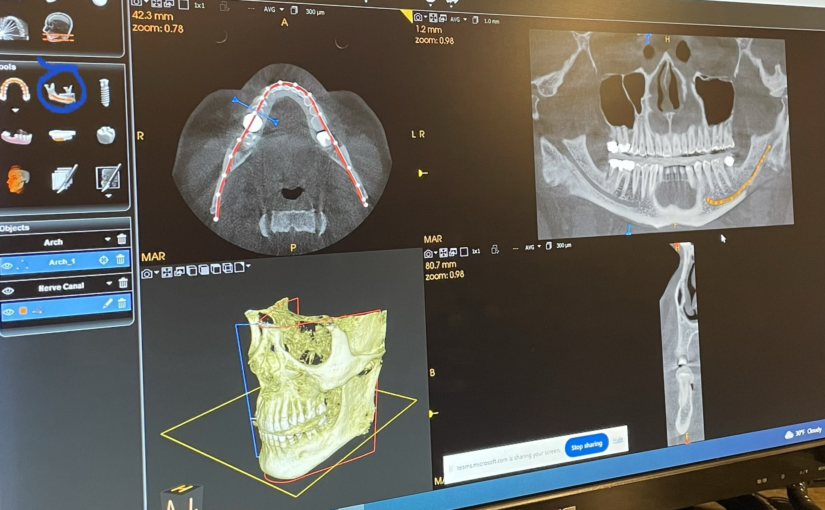
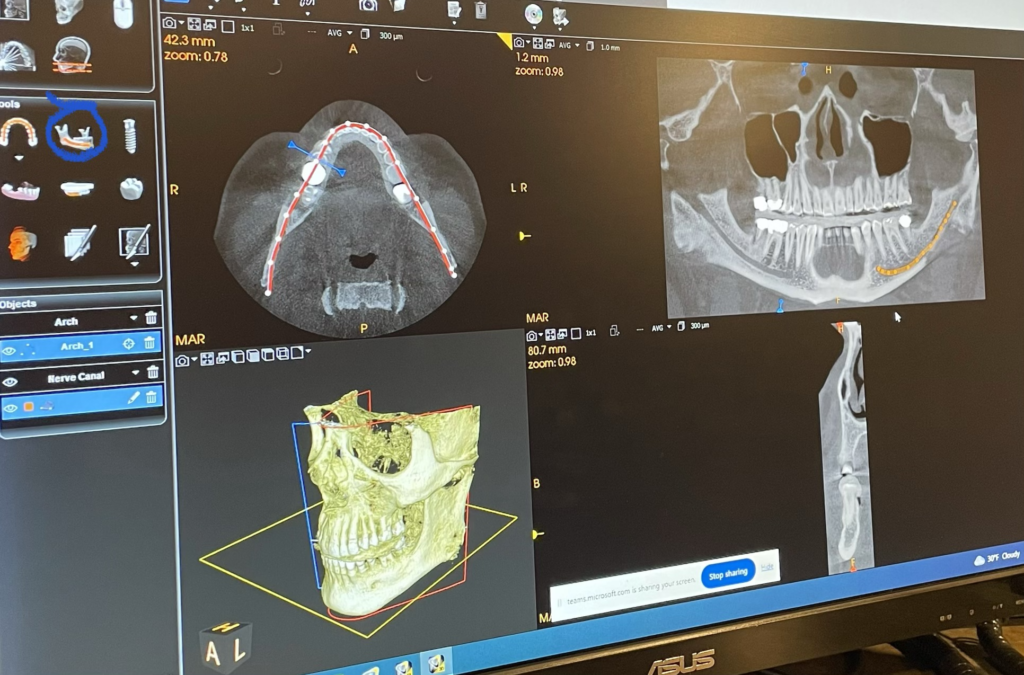
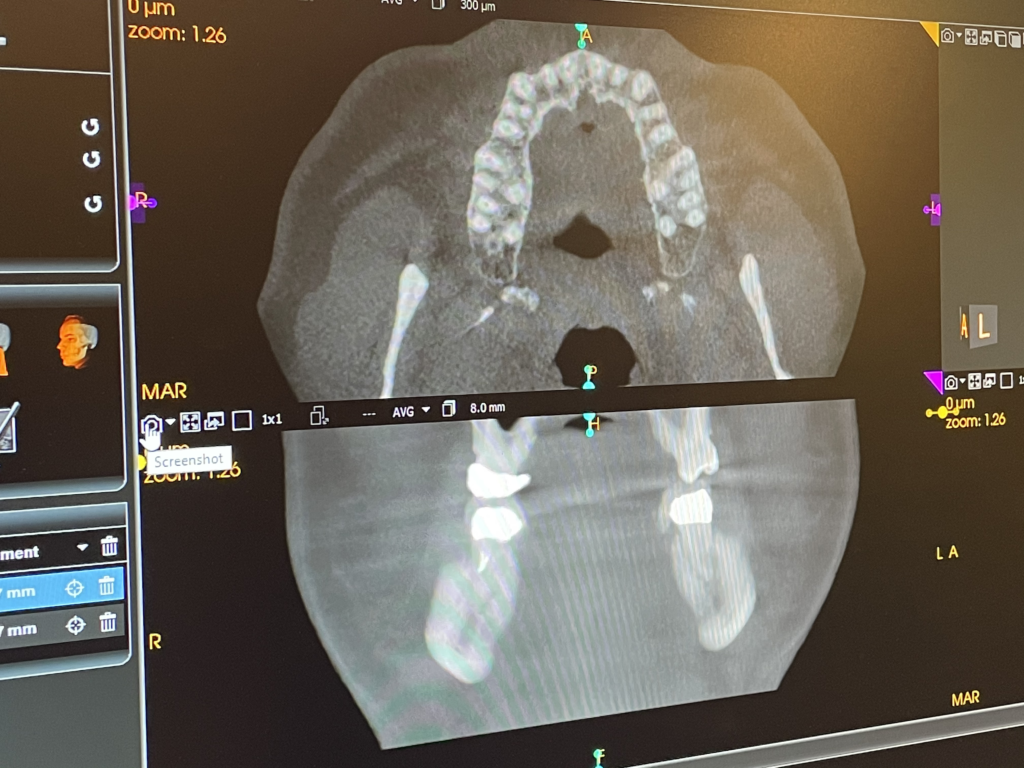
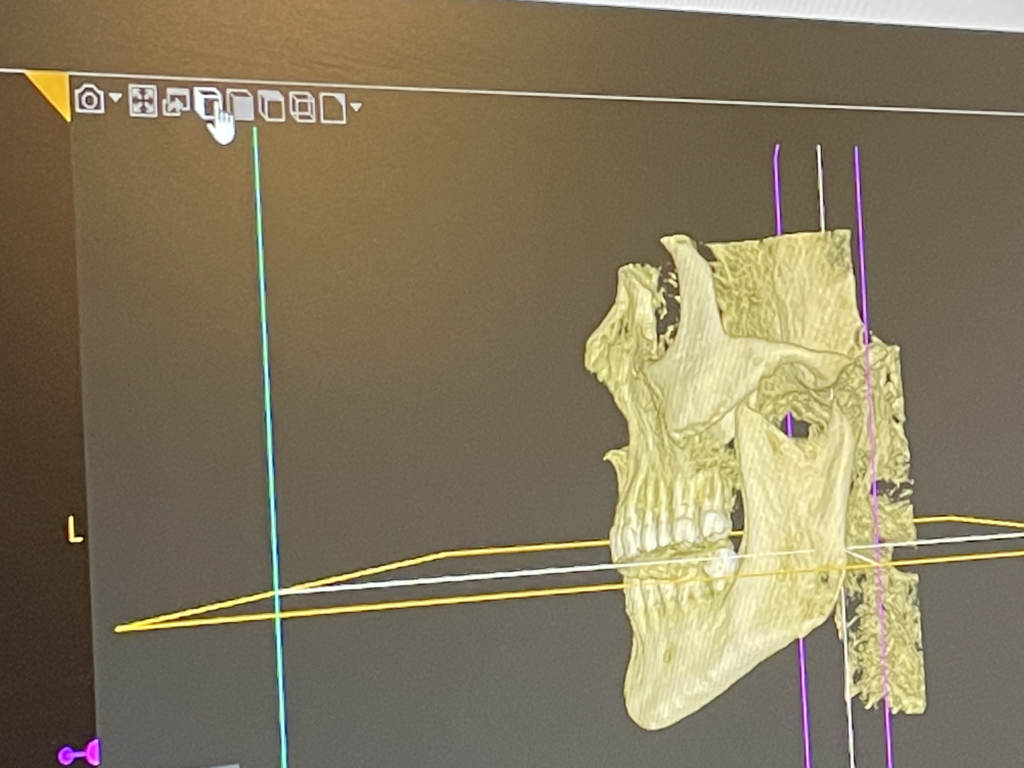
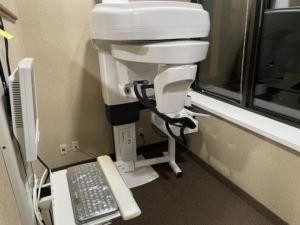
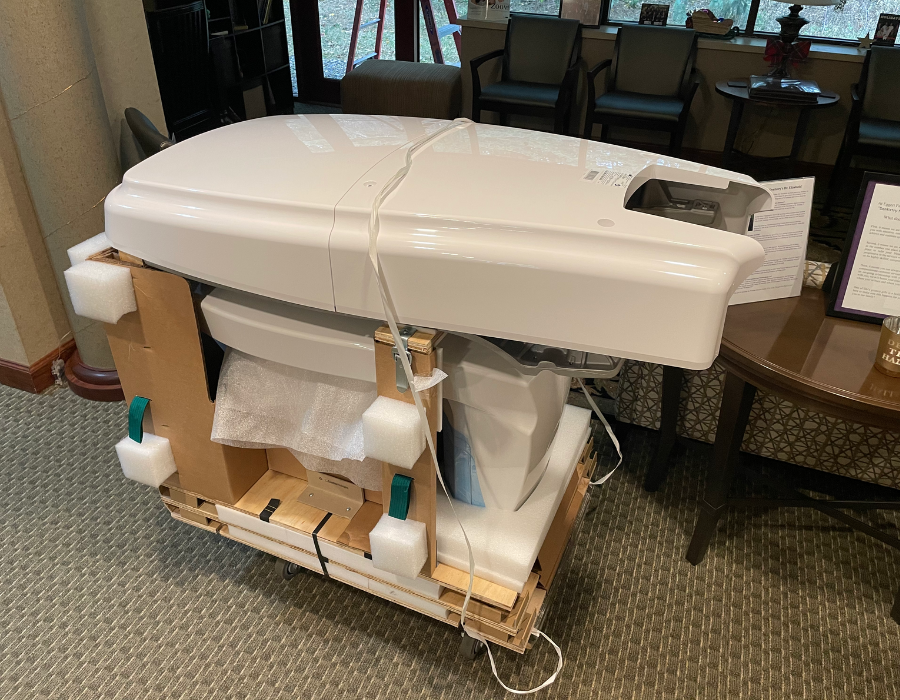
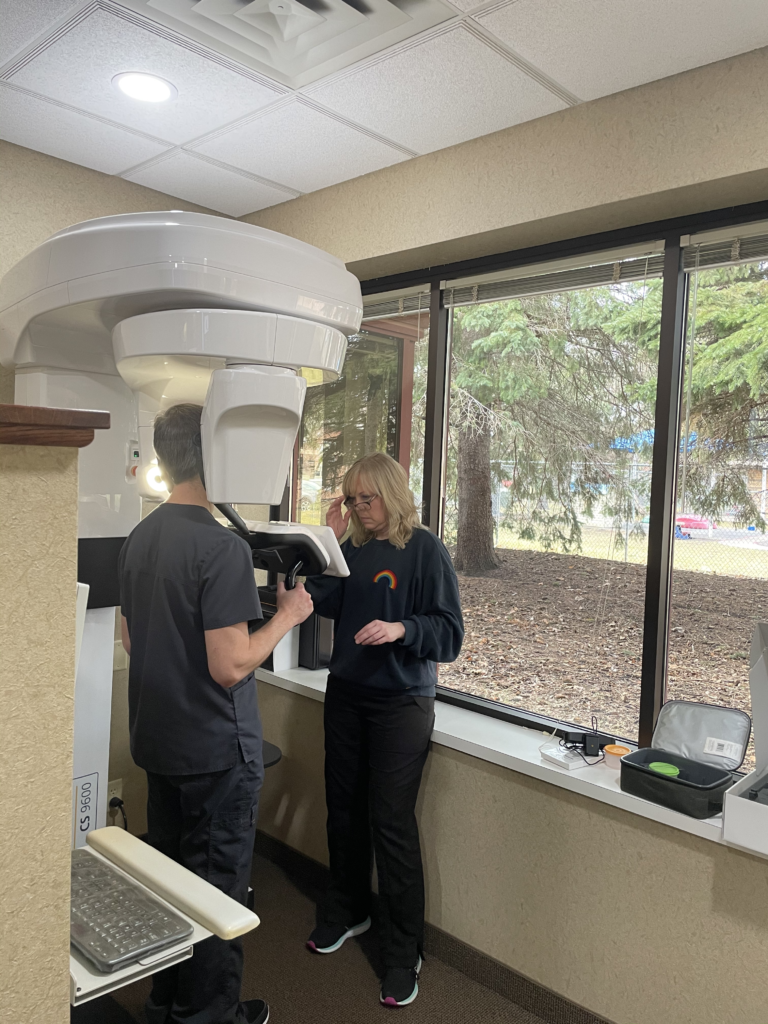
If you’ve been struggling with jaw pain, popping, clicking, or stiffness, you may be dealing with TMD (temporal mandibular joint dysfunction). At Eggert Family Dentistry in North Oaks, MN, we’re committed to helping you get to the root of what’s causing your discomfort. Thanks to our advanced CBCT (Cone Beam Computed Tomography) technology, we now have an even more precise way to diagnose and treat TMD, so you can find relief and regain comfort in your jaw.

CBCT scans offer 3D imaging that provides Dr. Jeff Eggert and Dr. Elizabeth Eggert with a comprehensive look at your jaw joint, surrounding bones, and expected areas for soft tissues. Unlike traditional X-rays, which offer only 2D images, CBCT technology gives us a 3D and detailed view of the complex structures that may be contributing to your TMD. This advanced imaging allows us to pinpoint any misalignments, degeneration, or abnormalities in your temporomandibular joint that could be causing your pain.

With this clearer picture, Dr. Jeff and Dr. Elizabeth can create a more targeted treatment plan designed specifically for your needs. Whether you need custom oral appliances, physical therapy, or even changes to your bite alignment, our goal is to help you manage your symptoms or keep you pain-free altogether. Having access to detailed CBCT images ensures that no aspect of your jaw’s health goes overlooked, giving us the ability to offer you more accurate and effective solutions.

If you’ve been dealing with chronic jaw pain or discomfort and aren’t sure what’s causing it, CBCT imaging could be the key to finding answers. Dr. Jeff and Dr. Elizabeth Eggert want to help you get to the bottom of what’s happening with your jaw joint. At Eggert Family Dentistry, we’re here to guide you toward relief and help you take steps toward a pain-free future. Call us for your consultation today! 651-482-8412.

Eggert Family Dentistry: Supporting Future Leaders with Scholarships

By: Dr. Elizabeth Eggert

For nearly 20 years, Eggert Family Dentistry in North Oaks, MN, has proudly supported the aspirations of high school seniors through their dedicated scholarship program. This initiative reflects Dr. Elizabeth Eggert and Dr. Jeff Eggert’s commitment to investing in the future of their community. The scholarship program has evolved over the years, but its core mission remains the same: to recognize and reward deserving students for their hard work, achievements, and potential, especially those interested in a career in dentistry. Dr. Elizabeth and Dr. Jeff are still very thankful for the scholarships they received for college and dental school and therefore, they have made it their mission to “pay it forward” by supporting current high school students.

The scholarship program at Eggert Family Dentistry has grown significantly since its inception. Initially focused on a small group of candidates, the program now invites nominations from the entire community, aiming to reach a broader pool of talented students. Each year, the Eggert’s carefully review submissions to select one or two outstanding seniors who have demonstrated exceptional academic performance, community involvement, and a clear vision for their future. This comprehensive approach ensures that the scholarships are awarded to truly deserving individuals who are poised to make a positive impact in their chosen fields.

This year, Eggert Family Dentistry is excited to announce that they are still accepting applications for their 2024 scholarships until June 1, 2024. If you know a high school senior who exemplifies excellence and dedication, now is the time to nominate them. To submit a nomination, simply prepare a one-page summary detailing why this student deserves the scholarship. Include information about their high school accomplishments, future plans, and any relevant achievements. While the Eggert’s want to foster and nurture those considering a career in dentistry and therefore have a preference for students entering the dental field, they welcome and consider all nominations.

To nominate a deserving senior, email your submission to info@eggertfamilydentistry.com. The scholarship recipients will be announced at the end of the school year, providing an inspiring conclusion to their high school journey and a strong start to their future endeavors. The continuous acceptance of nominations throughout the year ensures that every deserving student has an opportunity to be considered.

For more information about the Eggert Family Dentistry scholarship program and its evolution over the years, please visit the Scholarship Winners scholarship page on their website. Dr. Elizabeth and Dr. Jeff Eggert are passionate about supporting young leaders and are honored to contribute to their educational journeys. Your nomination could help a talented senior achieve their dreams, fostering the next generation of professionals and community leaders. Don’t miss this chance to make a difference in a young person’s life—submit your nomination today! Call our office with questions, 651-482-8412.