With So Many Ways to Whiten Your Smile, Which Tooth Bleaching Option Is Right for You?

By: Dr. Elizabeth Eggert

If you’ve ever searched for teeth whitening products, you’ve probably discovered there are countless options available—and it can be overwhelming trying to decide which one is worth your time and money. The truth is, the “best” whitening treatment depends on your teeth, your goals, and the type of coloring you have. That’s why Dr. Elizabeth Eggert and Dr. Jeff Eggert at Eggert Family Dentistry in North Oaks, MN don’t believe in a one-size-fits-all approach. Instead, they’ll help you choose the whitening option that will give you the best results for your unique smile.

If you’re looking for the most affordable way to brighten your teeth, over-the-counter whitening strips or Professional Opalescence Go! kits may be a perfect place to start. But, while store-bought strips are generally inexpensive and available immediately, they often cause more tooth sensitivity, can slip around during use, may irritate your gums, and only whiten the teeth they cover (usually the front teeth only). Opalescence Go! offers many of the same conveniences but with professional-strength whitening and desensitizing agents infused into the formulation,  they cause less sensitivity, making it an excellent entry-level professional option. However, neither system is ideal if your teeth have brown or gray undertones or discoloration from tetracycline antibiotics, as those types of stains require a more advanced approach.

For many patients, professionally made, custom-fit bleaching trays offer an outstanding balance of comfort, effectiveness, and long-term value. Because the trays are made specifically for your teeth, they fit comfortably, distribute the whitening gel evenly, and can be reused for years as long as your teeth don’t change shape. Once your trays are fabricated—usually within about a week—you can purchase professional bleach refills whenever you’d like to touch up your smile. If you’re hoping for dramatic results before a wedding, graduation, vacation, or another special occasion, Dr. Elizabeth Eggert or Dr. Jeff Eggert may instead recommend in-office Zoom Whitening. Completed in a single 2 hour appointment, Zoom can lighten your teeth by approximately four to ten shades and includes custom take-home trays for future bleach touch-ups!

If your teeth have deeper discoloration, especially brown or gray undertones, we may recommend one of the KöR Professional Deep Bleaching Systems. The KöR at-home system is exceptionally effective while also producing less sensitivity than other whitening options. For patients with the most challenging stains—including tetracycline staining—the Complete KöR Professional Deep Bleaching System provides the most dramatic results available. Although these systems require a larger investment and approximately three weeks for tray fabrication, they offer the most customized fit, outstanding long-term whitening, and the ability to purchase refill gel to maintain your beautiful results for years to come.

A whiter smile can help you feel more confident every time you laugh, speak, or smile. The best whitening treatment isn’t necessarily the fastest or the least expensive—it’s the one that’s right for your smile. During your consultation at Eggert Family Dentistry, Dr. Elizabeth Eggert and Dr. Jeff Eggert will examine your teeth, discuss the cause of your darkening teeth, review your goals, and recommend the bleaching system most likely to give you beautiful, predictable results with the least amount of sensitivity. Whether you’re looking for a simple touch-up or a complete smile transformation, you’ll have professional guidance every step of the way, so you can smile with confidence knowing you’ve chosen the whitening solution that’s best for you. Call or text for your appointment today at Eggert Family Dentistry – 651-482-8412!

The Truth About DIY Teeth Whitening Trends

By: Dr. Elizabeth Eggert

Social media is packed with “natural teeth whitening” hacks promising brighter smiles through foods, pantry staples, and household ingredients. Strawberries, charcoal toothpaste, lemon juice, apples, baking soda, coconut oil pulling — you name it, someone’s probably claimed it can whiten your teeth.

But which methods have science behind them, and which ones could put your enamel at risk?

At Eggert Family Dentistry, we believe education is one of the most powerful tools for protecting your oral health. That’s one of the reasons we work hard to provide you with access to our monthly blog articles. Dr. Elizabeth Eggert and Dr. Jeff Eggert spend a great deal of time helping patients sort through conflicting information online so they can make confident, informed decisions about their smiles.

So, let’s separate fact from fiction and take a closer look at which DIY teeth whitening trends may offer modest benefits, and which trends you’re better off avoiding.

(Spoiler alert — we’ll also explain why professional whitening remains the gold standard for noticeable results).

Why Do Teeth Become Yellow in the First Place?

yellow teeth

Many people assume yellow teeth are simply the result of poor brushing habits. In reality, tooth discoloration can happen for several different reasons.

Some of the most common causes include:

Understanding the source of discoloration is important, because different causes respond differently to treatment.

That’s one reason Dr. Elizabeth Eggert and Dr. Jeff Eggert take a comprehensive approach when discussing whitening options with patients. The most effective solution depends on what’s causing the color change in the first place.

Can Natural Remedies Help Whiten Teeth?

While some foods may help your teeth look cleaner or slightly brighter, none of them can replicate the results of professional whitening. Still, several foods can support oral health and help reduce the buildup that contributes to staining — BONUS! They’re all healthy.

Coincidence? We think not.

Crunchy Fruits and Vegetables (A.K.A., “Nature’s Toothbrush”)

Crunchy fruits and vegetables can help remove some surface debris from teeth while stimulating saliva production.

You may have heard that carrots support eye health, but they’re also great for your smile. Foods with crisp, fibrous textures create a gentle scrubbing effect as you chew, helping reduce some of the buildup that can make teeth look dull.

Some excellent choices include:

  • Apples
  • Carrots
  • Celery
  • Cucumbers
  • Bell peppers

These foods also encourage saliva flow, which helps rinse away bacteria, food particles, and stain-causing compounds throughout the day.

But here’s the important distinction: crunchy fruits and vegetables can help teeth look cleaner, but they do not bleach teeth. They won’t change the underlying color of your enamel.

It is a little disappointing, but still … from a holistic oral health perspective, these foods deserve plenty of credit. A healthier mouth tends to look better, feel better, and stay healthier for the long haul.

Can Strawberries Help Whiten Teeth?

Strawberries won’t dramatically whiten your teeth, but they do contain malic acid, a naturally occurring compound that may help reduce minor surface stains.

That’s where the popular whitening claim comes from. The effect, however, is typically subtle and temporary. Strawberries don’t change the underlying color of teeth the way professional whitening treatments do.

It’s also worth remembering that malic acid is still an acid. Frequent exposure to acidic foods can contribute to enamel wear and thinning over time, which may make teeth appear more yellow as the darker dentin underneath becomes more visible.

🦷 From shape to dental decay, acidic foods affect much more than just the color of your teeth! At Eggert Family Dentistry in North Oaks, MN, Dr. Jeff Eggert and Dr. Elizabeth Eggert are passionate about educating patients about the harmful effects of acidity on dental health: Protecting Your Smile: Understanding Acidity and Dental Decay

Does that mean you should avoid strawberries? Not at all. Strawberries are packed with nutrients and can absolutely be part of a tooth-friendly diet. Drs. Elizabeth Eggert and Jeff Eggert would simply recommend thinking of strawberries as a healthy snack with a few oral-health perks … not a substitute for professional whitening.

Can Pineapple Help Whiten Teeth?

Pineapple may support a cleaner-looking smile because it contains bromelain, an enzyme that helps break down plaque and surface buildup.

This trend has more scientific merit than many people realize. In fact, bromelain has been incorporated into some whitening toothpaste formulas because of its ability to help remove debris from the surface of teeth.

That said, eating pineapple is not going to produce dramatic whitening results.

Like strawberries, pineapple is acidic and should be consumed in moderation. The better takeaway is that bromelain shows promise as an ingredient in professionally formulated oral care products, not as a standalone whitening treatment.

Water — the Unsung Hero

drinking water

Water helps reduce staining by rinsing away pigments, acids, and food particles before they have a chance to linger on your teeth. It’s especially useful after enjoying stain-prone favorites such as:

  • Coffee
  • Tea
  • Wine
  • Berries

Water also supports healthy saliva production and helps combat dry mouth, both of which contribute to a healthier oral environment.

🦷 Need a few more reasons to reach for a glass after a particularly colorful meal? Four Ways Drinking Water Benefits Teeth

It may not be trendy enough for TikTok, but it remains one of the simplest habits for maintaining a brighter-looking smile.

Which DIY Teeth Whitening Trends Are Overhyped … or Downright Risky?

So far, we’ve looked at foods that may offer some oral health benefits, even if their whitening abilities are overstated. In most cases, there’s little harm in enjoying apples, strawberries, or pineapple as part of a balanced diet. The biggest risk is expecting more from them than they’re realistically able to deliver.

Unfortunately, not every viral whitening trend falls into that category. Some simply don’t work. Others can be downright harmful, contributing to enamel erosion, tooth sensitivity, and long-term discoloration when used repeatedly.

Let’s take a look at a few trends that deserve a cautious approach.

Lemon Juice Whitening

Let’s start with a popular one.

Dr. Elizabeth Eggert and Dr. Jeff Eggert have been hearing about lemon juice as a DIY teeth whitening remedy for years, and for whatever reason, it never seems to fade from the spotlight.

The logic sounds reasonable at first. Lemons contain citric acid, which can help remove some surface stains. But remember how we talked about strawberries? How we said there may be some minor benefits, but the acidity probably outweighs any whitening effect?

Well, lemons take that concern and crank it up several notches.

Strawberries are considered only mildly acidic, with a pH of around 3.9. Lemon juice, on the other hand, has a pH closer to 2.0, therefore, making it nearly 100 time more acidic. To put that into perspective, that means lemon juice is roughly 100,000 times more acidic than pure water.

🦷 At Eggery Family Dentistry, Dr. Elizabeth Eggert and Dr. Jeff Eggert encourage patients to learn which healthy snacks have pH levels your teeth will thank you for, and which ones may damage your enamel. For example, these 8 fruits have lower acid levels: Bananas (pH 4.5 to 5.2), Figs (pH 5.05 to 5.98), Watermelon (pH 5.18 to 5.6), Papaya (pH 5.2 to 6.0), Green Mango (pH 5.8 to 6.0), Honeydew (pH 6.0  to 6.67), Cantaloupe (pH 6.13 to 6.58), Avocados (pH 6.27 to 6.58).

Repeated exposure to highly acidic substances can gradually weaken and erode enamel. And as enamel wears away, the darker dentin underneath becomes more visible. In other words, the very thing you’re using to make your teeth look whiter could eventually make them appear more yellow.

So lemon juice isn’t the miracle whitening hack the internet makes it out to be.

At Eggert Family Dentistry, we’d much rather help our patients protect their enamel than chase a temporary whitening effect. A brighter smile should never come at the expense of a healthy one.

Activated Charcoal Toothpaste

charcoal toothpaste

Activated charcoal toothpaste can remove some surface stains, but there is little evidence that it significantly whitens teeth. Its popularity largely stems from the dramatic black color and before-and-after pictures that spread like wildfire on social media.

The reality is far less exciting … and far more concerning.

Charcoal works through abrasion. As you brush, the particles help scrub away surface buildup that contributes to staining. The problem is that charcoal products can also be abrasive to enamel.

Many charcoal toothpastes lack fluoride as well, which means they may not provide the cavity protection found in traditional toothpaste formulas.

Research has not shown charcoal toothpaste to be particularly effective at changing the intrinsic color of teeth. Most of the improvement people notice comes from removing superficial stains rather than whitening the tooth structure itself.

For patients interested in whitening toothpaste, Dr. Elizabeth Eggert and Dr. Jeff Eggert generally recommend professionally formulated products that balance stain removal with enamel protection. A toothpaste should support your oral health, not force your enamel to fight for its life every morning.

DIY Baking Soda Pastes

Baking soda can remove some surface stains as well, but it cannot bleach teeth.

Because baking soda is mildly abrasive, it can help polish away certain types of discoloration. That’s why you’ll find it in many commercial toothpaste formulas.

But the issue arises when people begin creating homemade whitening pastes and using them too aggressively. Overuse of an abrasive ingredient like baking soda can increase enamel wear — especially when combined with harsh brushing techniques.

🦷 Check out Dr. Elizabeth Eggert’s article to learn more about protecting your enamel! 5 Helpful Tips for Preventing Tooth Enamel Erosion

And if you’ve seen recipes that combine baking soda with lemon juice, please do yourself a favor and keep scrolling! One ingredient is abrasive. The other is highly acidic. Combining them does not create a stronger whitening treatment. It simply creates two opportunities to irritate your enamel at the same time.

Oil Pulling

Oil pulling has been around for thousands of years, long before social media wellness influencers got their hands on it.

🦷 It’s not the only interesting thing in the history of oral health! Learn more here: The History of Tooth Whitening.

The practice involves swishing oil (typically coconut oil) around your mouth for several minutes before spitting it out. Advocates often claim it can whiten teeth, freshen breath, reduce bacteria, and improve overall oral health.

Of all the trends on this list, this one is probably the hardest to classify. Unlike lemon juice or abrasive DIY whitening pastes, oil pulling isn’t likely to damage your enamel. The bigger issue is that it simply doesn’t have much evidence supporting it as a whitening treatment.

Some studies suggest oil pulling may help reduce certain bacteria in the mouth and support gum health when used alongside regular brushing and flossing. But when researchers have evaluated the practice, they’ve generally focused on plaque levels, bacteria, and oral hygiene — not meaningful changes in tooth color.

In other words, even if oil pulling contributes to a healthier oral environment, there is very little evidence that it can significantly whiten teeth.

The Healthiest Path to a Brighter Smile

professional teeth whitening

If there’s one takeaway from all of these whitening trends, it’s this: keeping teeth clean and whitening teeth are not the same thing.

Many viral whitening hacks promise far more than they can deliver. Some offer little to no whitening benefit, while others can contribute to enamel erosion, tooth sensitivity, and long-term discoloration.

Professional whitening works differently. Rather than simply removing buildup from the surface of the tooth, professional whitening treatments use carefully researched whitening agents to target the tooth beneath the enamel. The result is a brighter smile that is typically more noticeable and longer-lasting than what DIY teeth whitening methods can achieve.

But don’t just take our word for it! Check out some of our patients’ stories:

Discover the Best Option for YOU at Eggert Family Dentistry

At Eggert Family Dentistry, Dr. Elizabeth Eggert and Dr. Jeff Eggert take a holistic approach to cosmetic dentistry. Before recommending any whitening treatment, they consider your overall oral health, existing restorations, sensitivity concerns, and long-term smile goals.

For some patients, professional whitening is the ideal solution. For others, treatments such as veneers may provide a more dramatic and lasting transformation.

If you’re ready to explore your options, we’d love to connect. Contact Eggert Family Dentistry today to schedule a consultation with Dr. Elizabeth Eggert or Dr. Jeff Eggert and take the first step toward a whiter smile.

Call or text 651.482.8412 to schedule your next appointment. We can’t wait to see you soon!

Waking Up Tired? Your Dentists at Eggert Family Dentistry Might Hold the Key to Better Sleep

By: Dr. Elizabeth Eggert

The quality of our sleep can make or break the day ahead. There’s nothing like a clear head and boatloads of motivation after a solid night’s sleep! Consistent, quality sleep can set us up for success in all aspects of life. Conversely, over time, poor sleep can take a toll—affecting our focus, job performance, relationships, and overall well-being. Surprising to many, dental interventions like the Seattle Protocol and oral sleep appliances are often the key to better sleep. Read on to learn more!

Understanding Sleep-Disordered Breathing

Just because your head is on your pillow for 7-9 hours at night, you’re not guaranteed solid sleep. If you’re waking up feeling tired and you’re fighting daytime fatigue, you may be struggling with sleep-disordered breathing.

Sleep-disordered breathing (SDB) encompasses a range of conditions that interfere with normal airflow during sleep. The most commonly understood form of SDB—sleep apnea—occurs when the airway becomes partially or completely blocked, often due to the jaw’s position or relaxed throat muscles and tissues. Symptoms can include loud snoring, gasping for air, morning headaches, dry mouth, and daytime fatigue, among others. There are many other patterns of sleep disordered breathing that aren’t as extreme as sleep apnea, but can still cause you to get poor quality sleep. Working to address any SDB is beneficial to your overall health.

The Role of Dentists in Treating Sleep Apnea

You might not expect your dentist to be the one to help with sleep issues, but they’re actually in a unique position to identify and treat sleep disordered breathing, including sleep apnea. At Eggert Family Dentistry, we specialize in evaluating the structure and function of your jaw and airway, as well as the status of your teeth, to determine whether they may be contributing to sleep dysfunction.

The Seattle Protocol and Its Benefits

So where does it all begin? The Seattle Protocol is a six-step process that helps patients with symptoms of sleep-disordered breathing and other conditions to determine whether a compromised airway is causing their ailments.

Each of the six steps builds upon the last to open the airway as much as possible, but patients don’t necessarily need to complete the entire process to identify their best solution. The purpose of the protocol is to determine which step provides the patient with the most relief of symptoms.

The Six-Step Seattle Protocol Process:

  1. Nose Breathing and Mouth Taping: During this stage, you will gently train your body to breathe through your nose, not your mouth.
  2. Temporary Splint for Lower Jaw and Mouth Taping: Once you’ve adjusted to the mouth taping, the second step of the protocol adds a temporary splint for your lower jaw while you sleep.
  3. Temporary Splint for Lower Jaw with Lower Jaw Pulled Forward and Mouth Taping: If adding the lower splint only isn’t giving you the restful sleep you deserve, we add an element that holds your lower jaw forward.
  4. Temporary Splint for Lower and Upper Jaw with Mouth Taping: If you aren’t getting relief from the previous step, we remove the forward jaw posturing component and add a splint for your upper jaw.
  5. Temporary Splint for Lower and Upper Jaw with Lower Jaw Pulled Forward and Mouth Taping: If you need to continue in the protocol, step five again adds a horizontal component by linking the upper and lower splints together and moving the lower jaw forward.
  6. Temporary Splint for Lower and Upper Jaw with Lower Jaw Progressively Pulled Forward and Mouth Taping: If you still aren’t getting that good night’s sleep, we move to the final stage of the Seattle Protocol. In this stage, we keep moving your lower jaw forward incrementally until you feel well-rested.

Once they gather information from the Seattle Protocol—and if they determine that sleep-disordered breathing is a factor for you—Dr. Elizabeth Eggert and Dr. Jeff Eggert can create a custom night guard or splint or sleep appliance that opens up your airway and curbs any inflammation or damage to your teeth, jaws, or soft tissue. These custom-fit devices gently reposition the jaw to keep the airway open while you sleep—reducing snoring and improving oxygen flow. These appliances are non-invasive, convenient, and generally more comfortable than a CPAP machine.

At Eggert Family Dentistry, our ultimate goal is to help you reclaim the rest your body and brain need to thrive.

Are You Struggling With Sleep?

Be mindful of your symptoms. Take note of how often you feel fatigued, whether you snore, or if you wake up frequently during the night. It’s also helpful to ask your partner about any sleep habits they’ve noticed. Partners often detect signs of sleep apnea or other disturbances that may go unnoticed by the person experiencing them. And, partners aren’t always willing to share what they know about your sleep habits unless you ask, since they don’t want to hurt your feelings!

Next, schedule a consultation with Eggert Family Dentistry. We’ll assess your symptoms and explore whether sleep-disordered breathing could be the underlying issue. If it is, we’ll work with you to create a customized treatment plan. Professional solutions, such as a tooth-based appliance or other interventions, can even contribute to better overall health.

You don’t have to suffer from inferior sleep. Give us a call at 651.482.8412 to set up your appointment with Dr. Elizabeth Eggert or Dr. Jeff Eggert and see if dentistry holds the key to unlocking the key to better sleep for you!

Keeping Your Invisalign Journey on Track: Tips for Success

By: Dr. Elizabeth Eggert

What Is Invisalign?

Invented in the late 1990’s and first marketed in 2000, Invisalign® is a less invasive, more aesthetic alternative to traditional braces. The Invisalign journey consists of a series of see-through trays, or aligners, that a patient swaps out regularly to help realign teeth into their proper position. These aligners are constructed of medical-grade thermoplastic polymers and are considered safe by the FDA.

Who Is and Who Isn’t a Candidate for Invisalign?

As opposed to traditional braces, the Invisalign journey requires a level of developmental maturity. Trays must be worn consistently, maintained properly, and swapped out at regular intervals per Dr. Elizabeth Eggert’s or Dr. Jeff Eggert’s recommendations. Consequently, Invisalign is typically recommended for responsible adolescents and adults as opposed to young children.

If you’re dealing with active gum disease or other severe oral issues, or if you think your adolescent isn’t mature enough to properly manage their Invisalign aligners and treatment, traditional braces may still be the best choice.

Learn more in our article Invisalign vs. Traditional Braces: Which is Right for You?

Tips for a Successful Invisalign Journey!

To make your Invisalign treatment successful, keep these important tips in mind!

  • Practice good oral hygiene.

Good hygiene is always important, but because aligners fit snugly against teeth and create a sealed environment, it’s even more crucial during an Invisalign treatment. Thoroughly brushing your teeth after each meal and before putting your aligners back in will ensure that food particles don’t get trapped against your teeth, causing cavities, plaque build-up, or gum disease. Good oral care will also keep aligners from becoming stained and keep your breath and aligners fresh.

  • Wear your aligners for 20+ hours a day.When it comes to Invisalign success, consistency is key. It might take a little time to adjust to speaking while wearing your aligners. Don’t worry! You will adjust quickly. Be sure to keep your aligners in unless you’re eating or drinking anything other than water. Then, replace them as soon as you brush your teeth. The more consistent you are with the process, the more quickly you’ll see results.
  • Use aligner chewies for proper placement.Biting down on these soft cylinder “chewies” will reduce any gaps between your aligners and your teeth and ensure your aligners fit snugly. Chewies help ease discomfort from improperly fitting aligners and can be ordered through Invisalign. Using your plastic toothbrush handle can be an easy alternative for chewies.
  • Swap aligners at recommended intervals.Aligners need to be replaced every week or two. Keep track of which day you need to swap out your aligner, and don’t try to stretch the length of time you wear each one.

Tip: Use the Invisalign app! Not only does it remind you when it’s time to swap out your aligner, but it will also help you monitor your progress, manage your appointments, keep up on best practices, and get customer support.

  • Always hold onto your previous aligner.

That way, if your current aligner cracks or gets lost, you can revert to your previous aligner until you can talk with Eggert Family Dentistry about your next best plan!

  • Follow the protocol outlined by Dr. Elizabeth Eggert or Dr. Jeff Eggert.

Ultimately, we highly recommend you stick with all of Dr. Elizabeth Eggert’s and Dr. Jeff Eggert’s recommendations. Each person’s Invisalign treatment is unique and our office will create a customized treatment plan that sets you up for success and helps you reach your goals.

Read Matthew’s Invisalign success story here!  And, our latest patient of the month, “W’s” story here.

If you’re interested in learning more about the Invisalign journey and if it’s right for you, we’d love to see you for a consultation in our office! Schedule an appointment at Eggert Family Dentistry today by calling us at 651.482.8412.

The Surprising Ways Oral Health Influences Inflammatory Diseases

By: Dr. Elizabeth Eggert

You know oral health is important, but what you may not realize is that oral health impacts overall wellness. Many studies link poor oral health to serious systemic issues, including diabetes and heart disease. The culprits? Harmful bacteria and inflammation. Let’s take a closer look!

The Oral-Systemic Connection

Poor dietary and lifestyle habits, preexisting health conditions, dry mouth, or infrequent dental care can cause harmful bacteria to build up in a person’s mouth. When these bacteria are allowed to persist, they easily infect gums, often leading to gum disease, also known as periodontitis. From that point, they can seep into the bloodstream and affect other parts of the body.

Anytime your body perceives a threat, it will begin an inflammatory process to protect that part of the body and promote healing. In the case of an injury, for example, the body rushes white blood cells to the site of an injury to protect it and promote healing. With chronic inflammation, however, white blood cells perceive a constant threat over time, often sending white blood cells into nearby organs and systems. This can harm surrounding tissues and damage organs.

When harmful bacteria lodge in the gums, an inflammatory process begins. When these bacteria move through your bloodstream into other parts of your body, inflammation follows.

Thus, what begins as oral negligence can result in inflammatory diseases throughout the body.

Key Inflammatory Diseases Linked to Oral Health

Diabetes: Diabetes is a common inflammatory disease that can be linked to oral health…and it’s a two-way street.

People with Type 1 and Type 2 diabetes are at a higher risk for gum disease. That’s because higher glucose levels in the body mean higher glucose levels in the mouth. Elevated sugar levels in the mouth make it a more habitable place for harmful bacteria to grow and thrive, often leading to periodontal disease.

In another scenario, poor oral care can lead to periodontal disease, causing elevated blood sugar, contributing to insulin resistance, and leading to the development of diabetes or making diabetes more difficult to control.

Heart Disease: Heart disease is another inflammatory disease that can result from untreated gum disease. In fact, periodontitis increases a person’s risk for cardiovascular disease by 20%.

It all begins when harmful bacteria enter the bloodstream through inflamed gums and cause plaque to build up on the artery walls. When this plaque builds up, the artery walls narrow, restricting blood flow. This scenario puts a person at a higher risk of a heart attack or stroke. Bacteria can also build up on the heart valves, resulting in endocarditis.

Alzheimer’s Disease: Gum disease results in the formation of the bacteria porphyromonas gingivalis. These bacteria produce a toxic enzyme known as gingipains. Gingipains contribute to the buildup of beta-amyloid plaques, a hallmark of Alzheimer’s disease. When gingipains migrate to the brain, they can damage nerve cells essential for memory, leading to memory loss and, over time, Alzheimer’s disease.

Preventative Care to Protect Your Health

While the thought of oral health issues going systemic might make you nervous, prevention starts with simple steps that help you keep your mouth healthy!

  • Brush, floss, and swish with mouthwash daily to remove food particles before they turn into plaque, harden into tartar, and trap bacteria under the gum line, leading to gum disease. 
  • Limit the consumption of sugars and acidic foods. Avoid smoking, vaping, and other unhealthy lifestyle habits.
  • Visit Eggert Family Dentistry for routine professional cleanings. During these visits, Dr. Elizabeth Eggert and Dr. Jeff Eggert will look closely for any inflammation or early signs of gum disease. They’re equipped with the knowledge and tools to help you maintain—or reclaim—a healthy mouth!

As we approach World Oral Health Day on Thursday, March 20, we want to empower you to take charge of your oral health and for a healthier mouth, a healthier body, and a happier life! Schedule your next recare visit with Eggert Family Dentistry by calling us at 651.482.8412. 

The Role of Dental Crowns in Dentistry

By: Dr. Elizabeth Eggert

Believe it or not, dental crowns have been around since ancient times. Thought to have originated in Italy in the 700s BC, these first crowns were made of gold and communicated status among the aristocratic population. Fast forward two millennia to 1903, when Dr. Charles Land developed the first crown with hints of porcelain material as a way to repair a broken tooth.

Today, the role of crowns is two-fold. Crowns are both structural and aesthetic. Let’s take a closer look!

What Are Dental Crowns?

If you’ve heard people talk about crowns but you’re not entirely sure what they are, think of a crown like a hat or helmet for your tooth. This “helmet” fits snugly over your natural tooth, protecting it from splitting or breaking. Then it’s bonded into place. Before placing a crown, Dr. Elizabeth Eggert or Dr. Jeff Eggert removes a small amount of enamel from your tooth to ensure a proper fit.

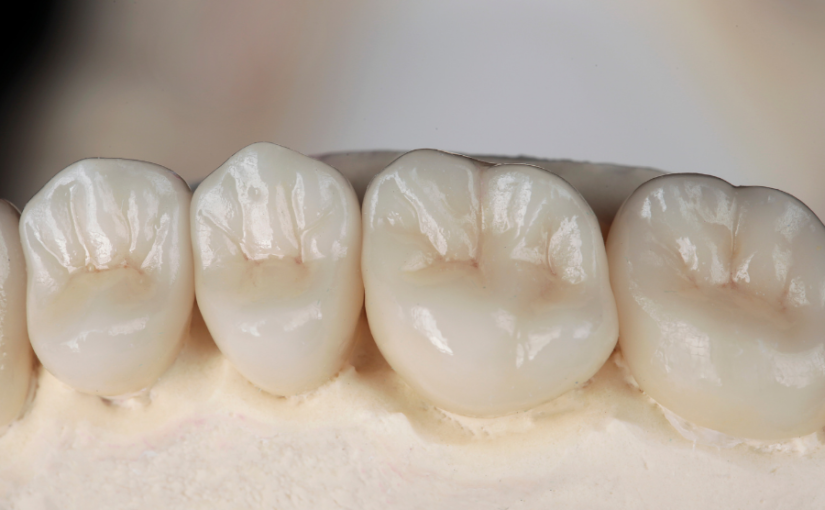
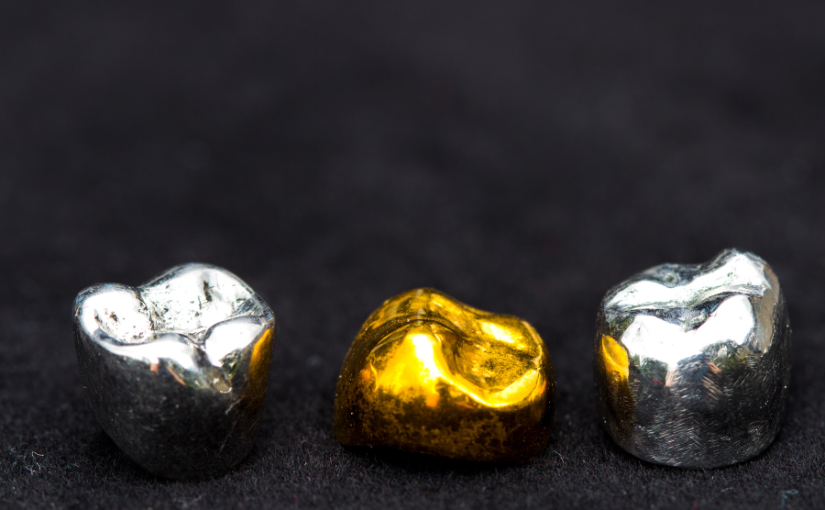
Crowns are available in porcelain, metal, or a combination of the two. With the steadily improving porcelains over the years, porcelain remains the most popular choice among today’s dentists. It is highly durable, looks natural, and can be matched closely to the color of your existing teeth. Porcelain is both functional and aesthetic.

How Are Dental Crowns Created?

Dr. Elizabeth Eggert or Dr. Jeff Eggert begins by examining your tooth and taking any necessary imagery to check its health and structure. If they determine that a crown is the best choice for your tooth, they will prepare the tooth by removing any decay and reshaping it to ready it for the crown. Then, they will take an impression or scan of your tooth either electronically or with putty.

In many cases, our amazing dentists can create your crown the same day with our CEREC method. If they need to order your crown from an outside dental lab, they will fit you with a temporary acrylic crown, and you will schedule an appointment for your permanent crown two weeks later. Any crown you receive at Eggert Family Dentistry will match the color, shape, and size of your natural tooth for a flawless appearance!

When Are Dental Crowns The Best Choice?

By nature, teeth are subjected to significant wear and tear. Over time, they can develop cracks, fractures and even start to decay. In these instances, Dr. Elizabeth Eggert and Dr. Jeff Eggert generally recommend dental crowns to strengthen these weak teeth and extend the life of the natural teeth as long as possible. Restoring the integrity of a tooth or teeth is a crown’s primary function.

A Crown’s Many Jobs

Indeed, crowns are champs when it comes to protecting compromised teeth. But crowns have other important jobs as well!

  • Crowns can be placed on the teeth adjacent to a missing tooth to anchor a dental bridge securely.
  • Crowns can cover discolored teeth, creating a brighter smile.
    Read Mary’s story!
  • Crowns should always be placed over a tooth after a root canal treatment to keep the tooth from cracking.
  • Crowns are placed on top of dental implants to restore function and appearance.

Extend Crown Life With Proper Maintenance

Crowns are durable, but they’re not indestructible. With proper care, crowns should last 5-15 years. In some cases, crowns must be prematurely replaced on account of poor dental hygiene or fractures to the crown itself. In most cases, however, Dr. Elizabeth Eggert and Dr. Jeff Eggert replace crowns because acidic and sugary foods or dry mouth cause the underlying tooth to decay.

A crown is a lasting investment in your dental health. Use these tips to help extend its lifespan:

1. Maintain a consistent daily dental care routine.

When you brush and floss regularly, you remove harmful bacteria and sticky plaque from the surface of your teeth and between your crown and your gum line, decreasing the likelihood of tooth decay.

2. Wear a custom night guard if you grind your teeth.

Limit excessive bite force with a custom night guard. This is especially important if you’ve been diagnosed with bruxism. Learn more about the custom night guards we create for our Eggert Family Dentistry patients!

3. Limit your intake of sugary or acidic foods.

You might not think that sugary and acidic foods can affect a crown, but these substances can hang out around the gum line and cause the underlying natural tooth to deteriorate. They can also eat enamel on surrounding teeth, creating a visible contrast between the color of your natural teeth and your crown.

4. Steer clear of sticky or hard, crunchy foods.

Biting on hard candies, popcorn kernels, and other crunchy foods can weaken crowns or cause them to crack, just like your natural teeth can. Sticky foods like taffy and gooey candies can actually dislodge crowns while increasing your risk of tooth decay. Foods in these categories are best avoided.

If it’s been awhile since your last recare visit, schedule an appointment at Eggert Family Dentistry in North Oaks, MN. In addition to a thorough cleaning and careful inspection of your jaws, teeth, and gums, Dr. Elizabeth Eggert and Dr. Jeff Eggert will closely inspect any existing dental work to make sure it’s structurally sound and doing its job and recommend dental crowns and other interventions when needed. Call us at 651.482.8412!

Kickstart the Year with a Brighter Smile: Exploring Safe and Effective Teeth-Whitening Options

By: Dr. Elizabeth Eggert

The new year stretches before us like a blank canvas, brimming with opportunities and untapped potential. It is a time to dream boldly, embrace fresh beginnings, and seize the promise of brighter days ahead. If you’ve been dreaming about a whiter, brighter smile, make 2025 the year you make this dream a reality. At Eggert Family Dentistry, we offer three effective teeth-whitening options guaranteed to boost your confidence! However, before we look at whitening options, let’s cover some causes of tooth discoloration.

Why Does Tooth Discoloration Occur?

Several factors can contribute to discoloration and dull your smile. Some of these include:

  • Tar in cigarettes, cigars, and chewing tobacco
  • Inadequate brushing and flossing, which allows plaque and tartar to build up on your teeth’s surfaces.
  • Tannins, pigments, and acids in foods and beverages such as coffee, tea, red wine, sodas, berries, chocolate, balsamic vinegar, and tomato-based sauces
  • Aging unfortunately darkens teeth

So, while some bad habits may be at play, you can also make healthy lifestyle choices and deal with tooth discoloration. Consequently, tooth discoloration can affect anyone. With this in mind, let’s explore some options to help you whiten your smile.

KöR Whitening Deep Bleaching™ System

One exciting teeth-whitening option is the KöR Whitening Deep Bleaching™ System. This option restores your teeth’s ability to absorb oxygen, allowing for effective whitening of up to 16 shades. The custom-made bleaching trays ensure a perfect fit. Kör is the most effective whitening system on the market and can bleach even tetracycline-stained teeth—something previously thought to be impossible. If you’ve been wanting to whiten your teeth but are concerned about sensitivity, Kör could be the perfect solution for you!

Philips Zoom Whitening Treatment

As the name suggests, Phillips Zoom Whitening Treatment is fast and effective. Completed in a single two-hour visit, this whitening option can whiten your teeth by 4-10 shades.

Here’s how it works:

  1. We start by determining your teeth’s current shade.
  2. We prep your mouth and apply a thin layer of whitening gel.
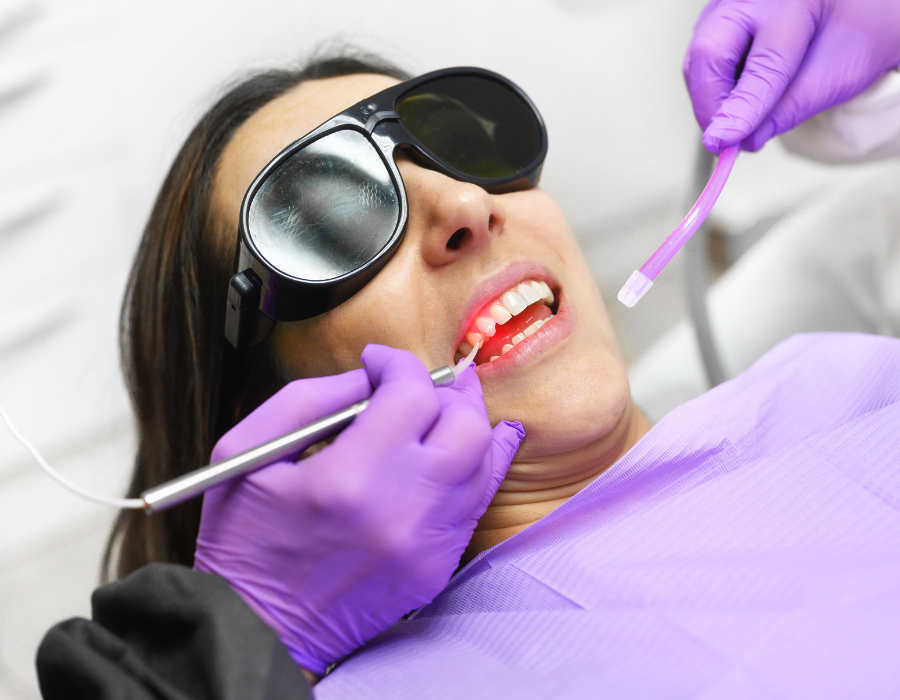
  3. We illuminate your teeth with a blue LED light to accelerate the whitening process.
  4. We repeat this process three times in 15-minute intervals.
  5. We verify you’ve obtained your desired shade.
  6. We apply a post-treatment gel to protect your enamel and reduce any sensitivity.

Talk about instant results! After your Zoom whitening treatment, we send you home with trays and gel to help you maintain your bright white smile.

Feeling skeptical? Check out these Zoom success stories and view before-and-after photos! 

Professional-Grade Strips and Whitening Trays

A final, effective option we offer at Eggert Family Dentistry is professional-grade strips and whitening trays. Unlike over-the-counter teeth-whitening kits, these strips and trays help whiten the entire surface of the tooth—including the crevices between teeth. They also minimize sensitivity and whiten teeth anywhere from 2-8 shades, lending themselves to more comfortable and noticeable results than over-the-counter options.

If you’re going into 2025 with a less-than-confident smile, Dr. Elizabeth Eggert or Dr. Jeff Eggert would love to help you explore which teeth-whitening option is right for you. Give our office a call at 651.482.8412 to schedule your appointment!

Hotdish and Healthy Teeth: Balancing Comfort Food with Dental Wellness During the Holidays

By: Dr. Elizabeth Eggert

During the long Midwestern winters, we love to surround ourselves with comfort and warmth. From big blankets and oversized hoodies to toasty fires and green bean casserole, keeping cozy is the key to embracing the extended cold. With the holidays right around the corner, hotdish, turkey and stuffing, soups, and other comfort foods will be making frequent appearances at the dinner table. Fortunately, your dental health doesn’t have to take a hit. Learn how you can embrace hotdish and healthy teeth for a delicious and celebratory holiday season!

Indulge in Holiday Goodness While Protecting Those Pearly Whites

When you think about hotdish and other traditional holiday foods, it’s not hard to see how carb and sugar-laden our diets become throughout the fall and winter months. We know that cookies and candy can easily wreak havoc on our dental health, but we may not realize that carbs from all that delicious bread and savory stuffing, the carbs and sugars in our favorite Christmas pie, and the sugars in Grandma’s homemade cranberry sauce are just as likely to cause issues.

Sugar, carbs, and sticky substances can linger on your teeth, inviting bad bacteria to join the party. These bacteria produce waste products, called plaque, which can eventually harden into tartar. The bacteria also play a role in the weakening of your enamel through an acidic and erosive process.

Does that mean you can’t indulge in all the goodies that make Thanksgiving and Christmas so magical?

Not at all!

Here are a few tips that will help you enjoy holiday meals and treats while protecting your teeth:

1. Stay hydrated.

Our saliva has an important job, continually rinsing harmful bacteria from our mouths and dislodging food particles. However, saliva alone isn’t enough to keep up with the demand, especially when we’re consuming more carbs, starches, and sugars. Keep your body hydrated to maintain adequate saliva production, and regularly rinse your teeth by drinking water frequently throughout the day.

2. Incorporate fiber-rich foods.

Adding regular sources of fiber into your holiday diet goes a long way toward keeping the surfaces of your teeth clean. Whether or not you realize it, fibrous foods actually scrub your teeth while at the same time promoting gut health and saliva production.

3. Chew sugar-free gum.

Did you know that gum does more than freshen your breath? Sugar-free gum removes food particles, sticky bacteria, and plaque from your teeth, reducing the risk of serious dental issues like tartar buildup, cavities, and gum disease.

Your Teeth Have a Wish List, Too!

You might be hoping for a designer bag or a new pair of skis this holiday season, but have you thought to ask Dr. Elizabeth Eggert or Dr. Jeff Eggert what your teeth might want? It can be easy to take your teeth for granted when they’re doing their job and not giving you any noticeable issues. However, a little love can go a long way in keeping them healthy and happy for life!

  • Keep up with daily brushing and flossing.

Between shorter workweeks, longer weekends, and out-of-town travel, it can be easy to get out of our regular routines in November and December. Unfortunately, harmful bacteria don’t observe holidays. Resolve to brush and floss twice daily and after big mid-day meals for optimal oral wellness.

  • Swish with mouthwash.

Once or twice a day after brushing and flossing, swish with mouthwash to reduce enamel-eating acidity, loosen any food particles, and strengthen enamel.

  • Keep up with recommended recare visits.

It’s easy to get so busy with day-to-day life that, unless you’re faced with a toothache or a dental emergency, you forget to make wellness appointments for yourself and your loved ones. There’s no better time than the present to get your end-of-the-year recare visit on the books!

Give Eggert Family Dentistry a call at 651.482.8412. Dr. Elizabeth Eggert and Dr. Jeff Eggert would love to see you in our office and partner with you to keep your teeth healthy all year long! And don’t despair that it’s all or nothing. With a proactive approach to your dental health, hotdish and healthy teeth can indeed go hand in hand!

The Link Between Periodontal Disease and Alzheimer’s Disease: What You Need to Know

By: Dr. Elizabeth Eggert

Keeping our teeth clean for the sake of a healthy mouth is nothing new. Over 5000 years ago, the ancient Egyptians created chew sticks—bamboo sticks with frayed ends—to get food out of their teeth and freshen their breath. They also developed toothpaste made from a combination of powdered ashes. However, in the past 30 years, we’ve learned that the benefits of proper oral hygiene extend far beyond a healthy mouth. In this post, we’ll focus on the link between periodontal disease and Alzheimer’s disease and steps each of us can take to invest in our oral health.

The Ripple Effect of Gingivitis

Every disease process begins somewhere, and periodontal disease is no exception. Periodontal disease starts when harmful bacteria in your mouth form sticky plaque. If thorough brushing and flossing aren’t part of your routine, this plaque can hang out on your teeth and harden into tartar. Tartar is virtually impossible to remove on your own and requires dental skill and instruments to do. If tartar is allowed to persist, it irritates and inflames the surrounding gum tissue, leading to a condition known as gingivitis.

Unfortunately, the cascade doesn’t always stop there. Left untreated, gingivitis can quickly escalate. Gum tissue and bone can start wearing down, and because the bone levels deteriorate, teeth can become loose or even fall out. At the same time, the bacteria that is inflaming the gums can leach into the bloodstream and circulate throughout the body.

This bacteria can cause plaque to build up in a person’s arteries, resulting in atherosclerosis, and putting a person at a higher risk for a heart attack. But it doesn’t stop there. That same bacteria can travel to the brain and destroy nerve cells, leading to memory loss, or Alzheimer’s.

Phew!

Learn more in this summary of a study from the journal of Science Advances.

Fortunately, there are some effective steps each one of us can take to ward off the disease process before it begins!

Prioritizing Oral Health Helps Protect Your Brain

Brush and floss regularly.

Dr. Elizabeth Eggert and Dr. Jeff Eggert can’t stress enough the importance of routine brushing and flossing. When you clean the surface of your teeth and in between your teeth, you remove residual food particles before they have a chance to break down and cause harmful bacteria to grow. In other words, regular brushing and flossing helps ward off gingivitis and periodontal disease. Dr. Elizabeth Eggert and Dr. Jeff Eggert also recommend using fluoridated toothpaste and swishing with a fluoridated mouthwash to keep your enamel strong.

Eat healthy.

The foods we eat have a surprising impact on our oral health and overall wellness. A diet low in sugars and starches minimizes the production of enamel-eating acid that leads to gum disease, tooth decay, and even tooth loss. We’ve established that these destructive bacteria that causes gingivitis and periodontitis can wreak havoc not only on your mouth but also on your heart and brain.

On the flip side, foods rich in healthy fats and omega fatty acids, such as nuts, olive oil, and fish, increase the production of acetylcholine, a chemical that helps your brain create new memories. Avocados, also high in healthy fats, can prevent high blood pressure and reduce the risk of Alzheimer’s disease. And remember to incorporate proteins and foods rich in Vitamin D for optimal brain wellness.

Live healthy.

Tobacco, alcohol, and vaping can interrupt your mouth’s healthy microbiome and contribute to the disease process.

  • Tobacco raises the risk of gum disease and slows down the gums’ healing process.
  • Alcohol is high in sugar and can kick off the gum disease cascade.
  • Vaping contains acidic compounds that can erode tooth enamel, damage the gums, and increase the risk of gingivitis and periodontal disease.

These three habits cause dehydration, reducing saliva production. And because the primary function of saliva is to rinse harmful bacteria from the mouth, these bacteria may persist and grow, leading to eventual periodontal disease. Additionally, in excess, these habits can increase a person’s risk of oral cancer, which can metastasize throughout the body.

Conversely, limiting or avoiding these substances will promote a healthy mouth, brain, and body for life!

Control chronic conditions.

Some chronic conditions, such as diabetes, can increase a person’s risk of gum disease. Carefully managing diabetes and other chronic conditions with diet and medication is a first line of defense against periodontal disease. In addition, be mindful of any routine medications that cause a dry mouth, and take necessary steps to increase saliva production to ward off destructive bacteria.

Schedule regular recare visits.

At Eggert Family Dentistry, we know that one of the most important investments you can make toward oral health and wellness is routine wellness visits with us at Eggert Family Dentistry. At each recare visit, Dr. Elizabeth Eggert or Dr. Jeff Eggert performs several crucial assessments, interprets x-rays, and prescribes a fluoride treatment for your teeth. They proactively care for your teeth, search for early signs of periodontal disease, and take steps to correct or counteract any issues they detect.

Other Factors That Affect Oral Health

Lastly, be aware that other factors, including hormonal changes and genetics, can impact your oral health and ultimately, your brain health. Talk with Dr. Elizabeth Eggert or Dr. Jeff Eggert if you have any oral health concerns!

The link between periodontal disease and Alzheimer’s disease is undeniable, proving that Alzheimer’s disease can start in the mouth. Follow these tips to maintain oral wellness! If you need to set up your next recare visit, reach out to us at 651.482.8412!

Avoiding “Spooky” Front Teeth- Mary Kay’s Story

By: Dr. Elizabeth Eggert

How did this start?

Mary Kay is a longtime patient of Dr. Elizabeth.  She noted at her first appointment that she had “TMJ” and her right side was experiencing clicking and she was seeking therapy for the condition.  TMJ disorders (or TMD) can manifest with different signs or symptoms for different people and encompass a wide variety of diagnoses.  Typically, people with TMD experience pain in the jaw joint and/or in the muscles that control jaw movement.  Dr. Elizabeth suspected that Mary Kay’s TMD could be related to how her teeth fit together and talked to Mary Kay about the benefits of orthodontics for her.  Mary Kay wasn’t ready at that time, but after a few more sessions with Dr. Elizabeth and realizing that the cracking occurring on her teeth and the fact that she had already lost a few teeth at a relatively young age, Mary Kay did want to hear more.

Mary Kay’s Panoramic Image 2021, note the implant and some missing teeth.

Mary Kay suffered for years with TMD.  Her bite put uneven forces on the teeth, she had crowding, and when she went into her chewing movements, her back teeth hit very hard.  Luckily, orthodontics can improve a number of the issues Mary Kay had.  When Mary Kay was ready, she went for a consult with Dr. DeVoe of DeVoe Orthodontics.  Dr. Elizabeth works closely with Dr. DeVoe and she had confidence that he could help improve Mary Kay’s bite and therefore, her TMD symptoms.  During the course of treatment, Dr. DeVoe discussed options with Dr. Elizabeth for Mary Kay’s front two teeth.  Originally, Mary Kay had one existing porcelain-fused-to-metal crown on her right central incisor.  With the wear pattern Mary Kay had on her other teeth, this crowned tooth no longer matched its neighbor in either color or size and shape.    

What was involved?

Mary Kay completed her orthodontics with Dr. DeVoe.  Mary Kay noticed an improvement to her bite and her TMD symptoms did improve as well.  Mary Kay was also lucky enough to address a deviated nasal septum with nasal surgery.  This also helped improve her breathing and helped her sleep improve.  Improvements in sleep always help underlying pain issues with not only TMD, but other chronic pain conditions.  To fine tune the bite, Dr. DeVoe asked Dr. Elizabeth to complete equilibration for Mary Kay in order to sync her tooth bite with her jaw bite.  This also helped solidify a better bite for Mary Kay.

For her front teeth, Dr. Elizabeth discussed options with Mary Kay.  Mary Kay had many options, including doing nothing.  She could also have chosen to bleach all her natural teeth and leave her existing crown as is.  Dr. Elizabeth recommended, for best color match and to be most conservative, that Mary Kay bleach her natural teeth and then replace her crown on her right central and also complete a crown for her left central to gain symmetry in shape, color, and contour.  Mary Kay underwent Zoom in-office bleaching and then her new crowns were completed.

before and during bleaching

What does Mary Kay think?

Before having the procedures done, Mary Kay was just hoping her teeth would look better when all the treatment was completed.  She said that the process of braces hurt at first, but noted that she got used to it and it was less intense the longer she had the braces on.  “All of the steps from braces to replacing the front teeth went very smoothly.  I am very happy with the outcome.  My teeth look much better.”  Mary Kay would highly recommend to anyone considering treatment with Dr. Elizabeth to do so because all the steps Dr. Elizabeth works through creates a great outcome as everything comes together!

Mary Kay – we are so happy that you are pleased with your results, thank you for your commitment and the trust you put into the treatment as well!  Congratulations on your new smile!  We look forward to treating you and your friends and family for many years to come!

Mary before and after

Mary Kay Before and After