All I Want for Christmas Is My Two Front Teeth! – Alisha’s Story

By: Dr. Elizabeth Eggert

How did this start?

It is the time of year when we gather for the holidays, take pictures with our families, and send Christmas cards to everyone!  Having a beautiful smile certainly reminds us of the song from our childhood and resonates now as much as it did when we were the 6-year-olds with missing front teeth.

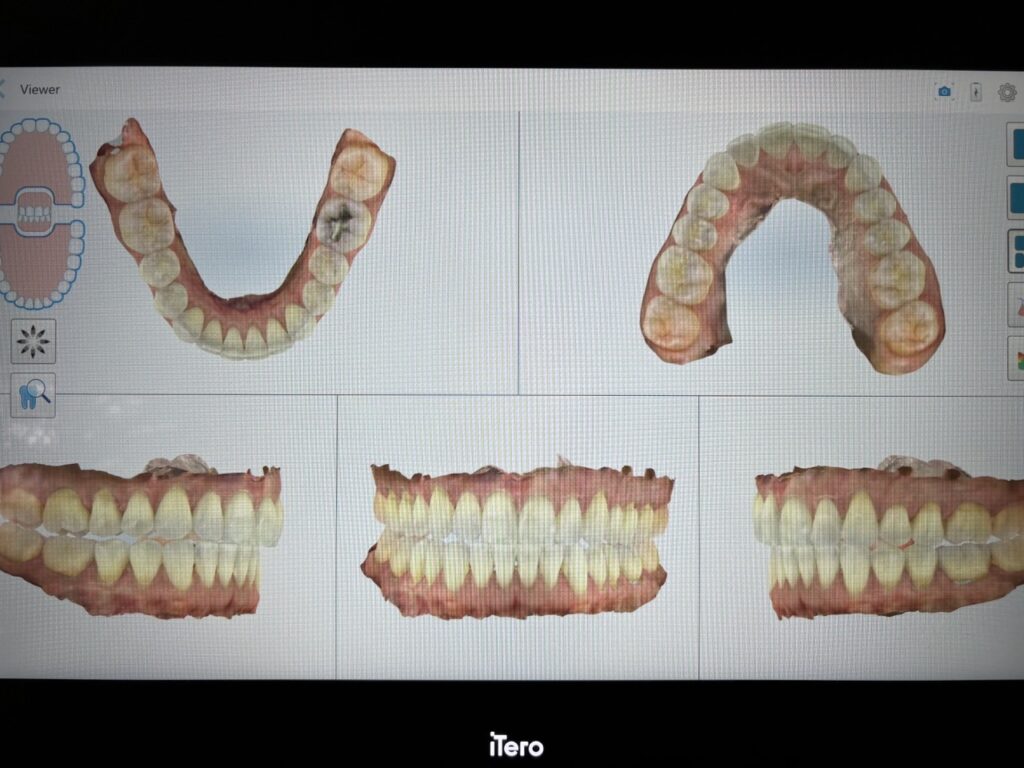
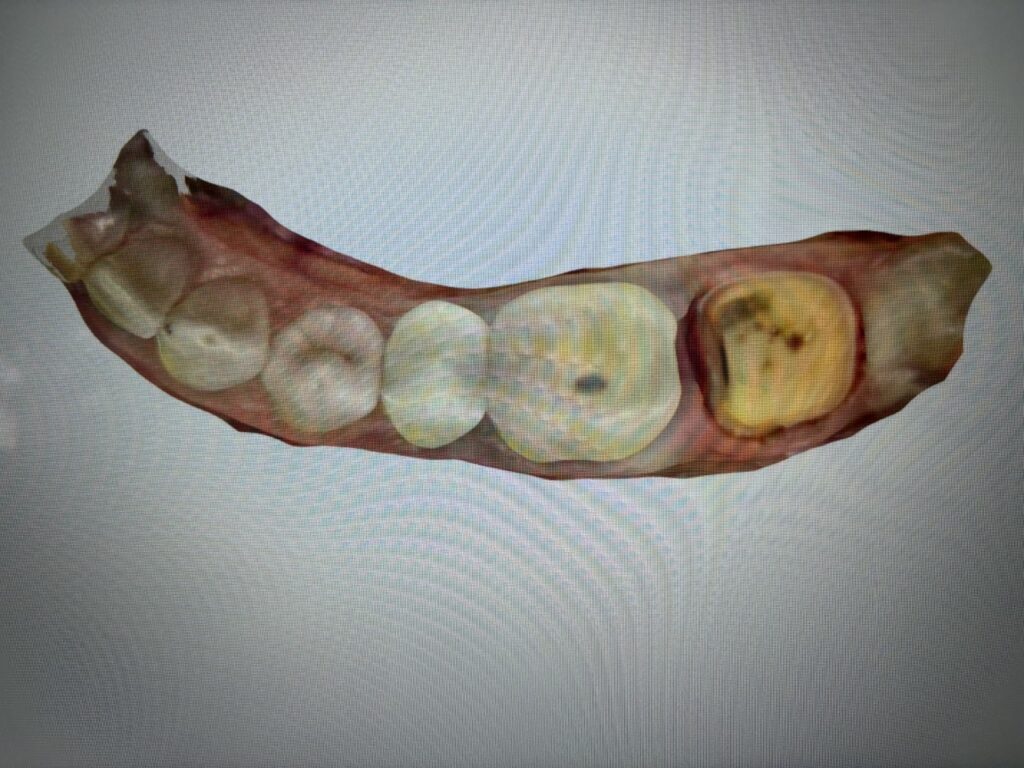
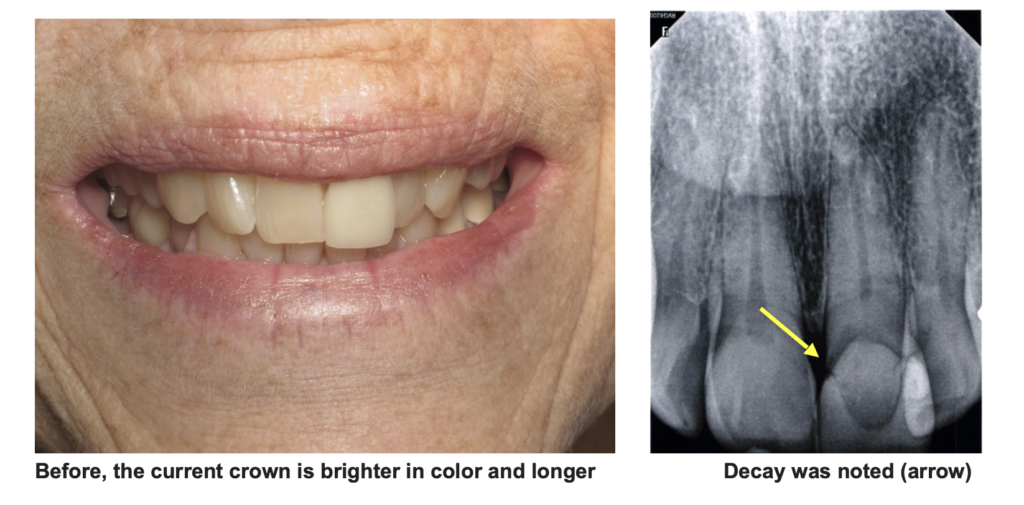
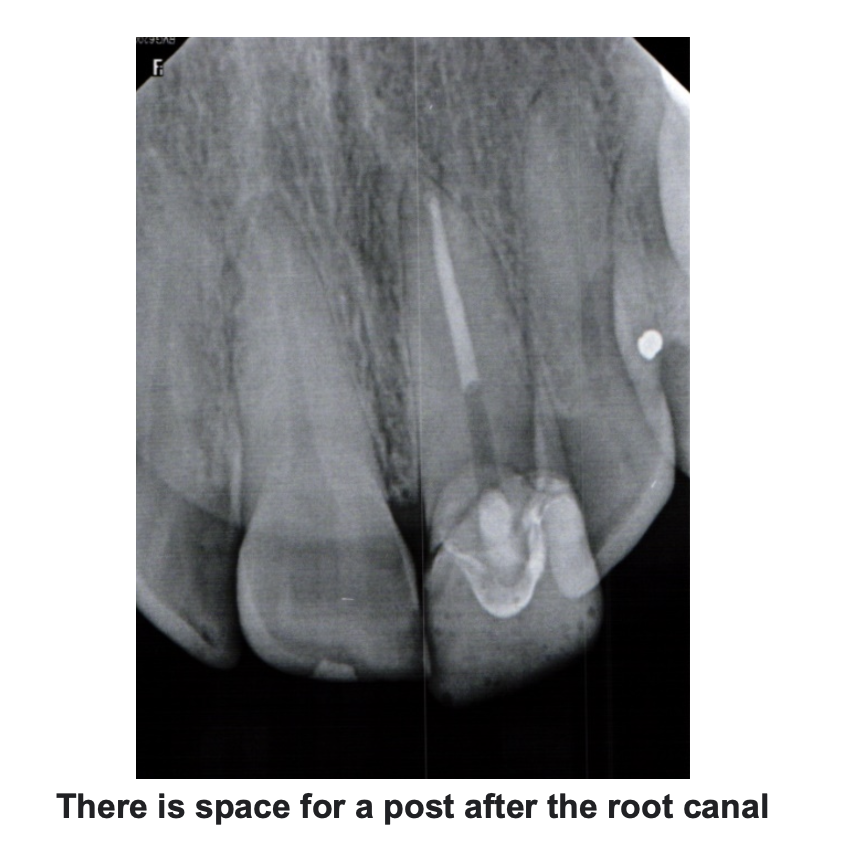
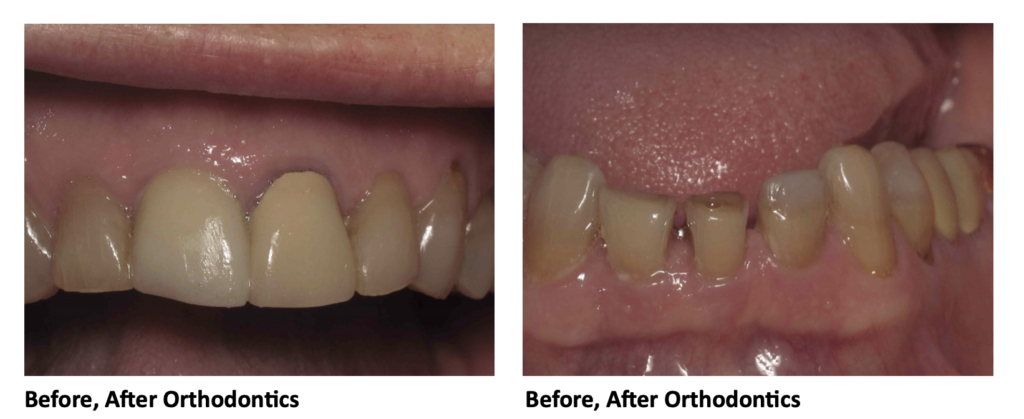
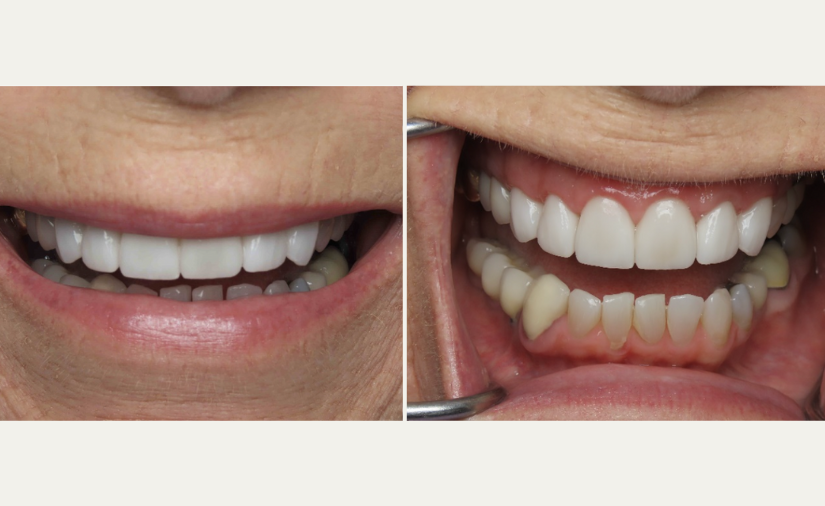
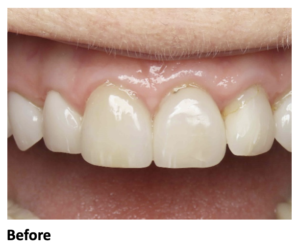
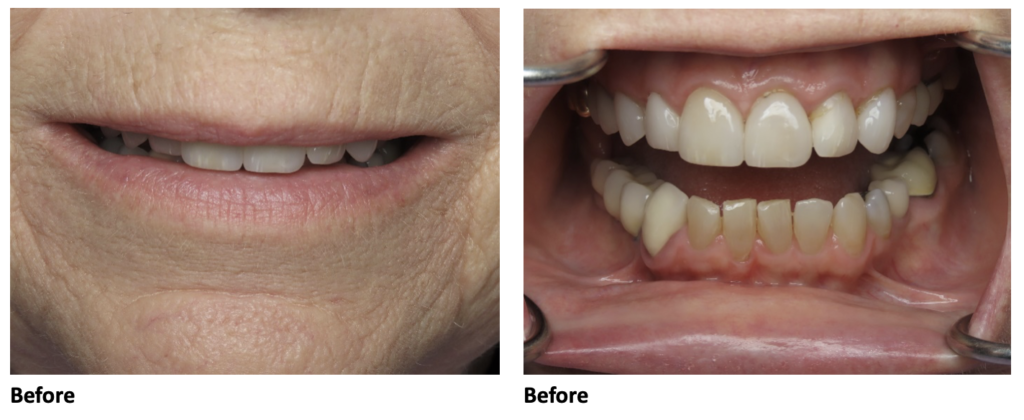
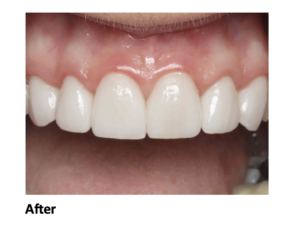
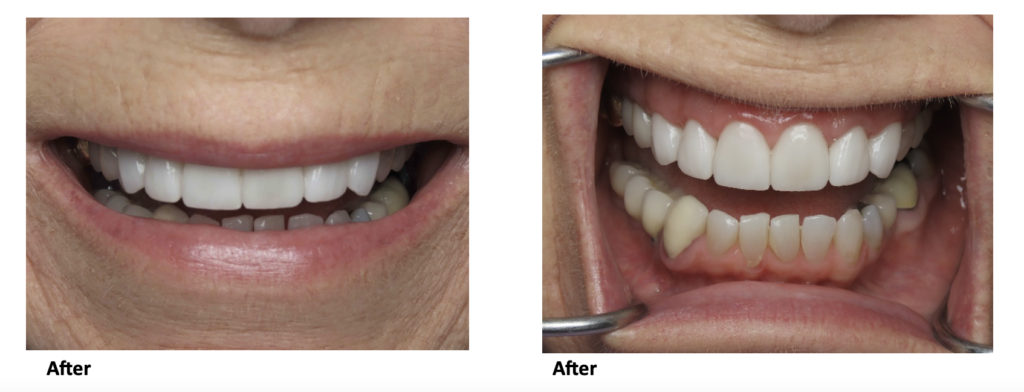
Meet Alisha, one of Dr. Elizabeth Eggert’s long-time patients.  In fact, Alisha was only a teenager when she and Dr. Elizabeth met.  Alisha came into the practice with a history of trauma to her two front teeth.  She was lucky in that she still had her teeth present, but the trauma caused the need for root canal treatments and overtime, the teeth darkened, cracked, and chipped.  When Alisha was old enough and with a steady job, she wanted to invest in herself and change the appearance of her two front teeth.   

What was recommended?

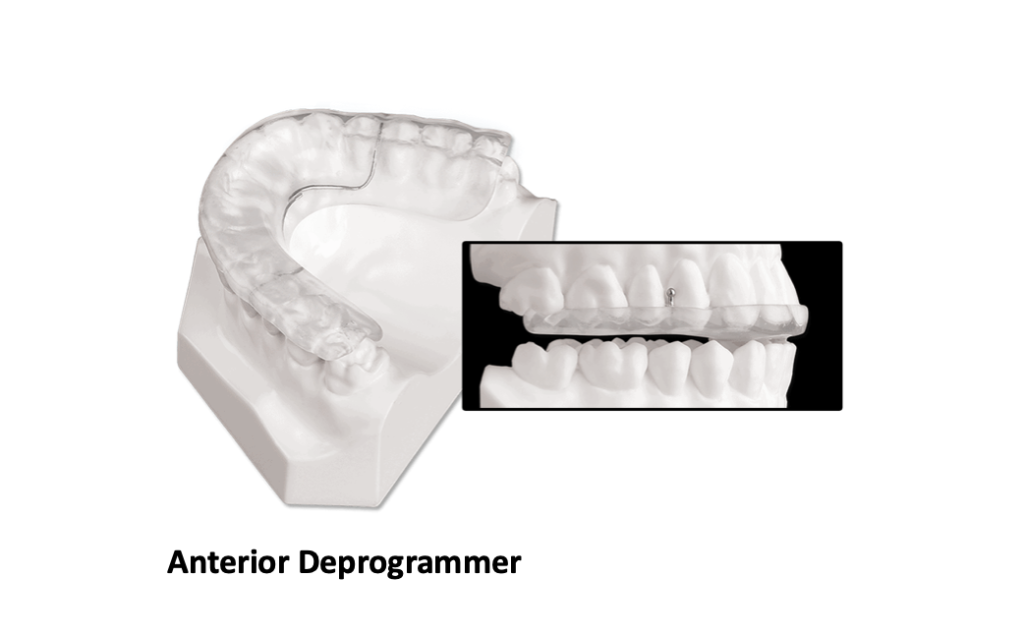
Alisha expressed an interest in Invisalign because she thought it might help her tooth esthetics.  However, Alisha originally had a complicated bite and it was recommended that she undergo orthodontics with Dr. DeVoe, an orthodontic specialist.  There was more to improving Alisha’s smile than esthetics alone.  Improving her tooth bite was an important aspect for long-term stability.  Dr. Elizabeth explained to Alisha about how orthodontics could enhance both tooth function and esthetics, but also help her change her mouth breathing habit.  Dr. Elizabeth also explained to Alisha that completing restorations for her two front teeth after orthodontics would be enough to change the color and protect her teeth from more cracking and chipping.  With this information, Alisha decided to move forward.

What did she want?

As a young professional, Alisha wanted to look better, but was also concerned about keeping the treatment affordable for her.  Seeing as the treatment would involve her two front teeth, she was also nervous about the outcome.  It took more than a couple years for her to feel confident about moving forward, but once she did, the progress moved along quickly.  Dr. Elizabeth worked closely with Dr. DeVoe so the final tooth movements would set Alisha up for an amazing outcome.    

What was involved?

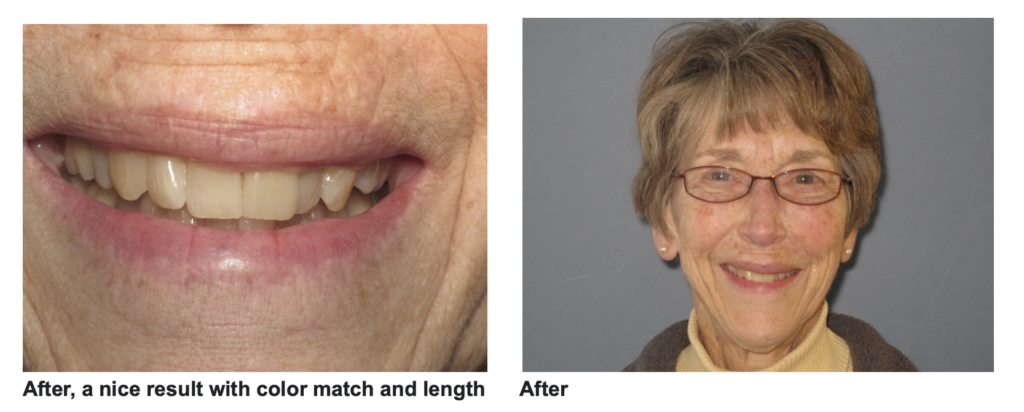
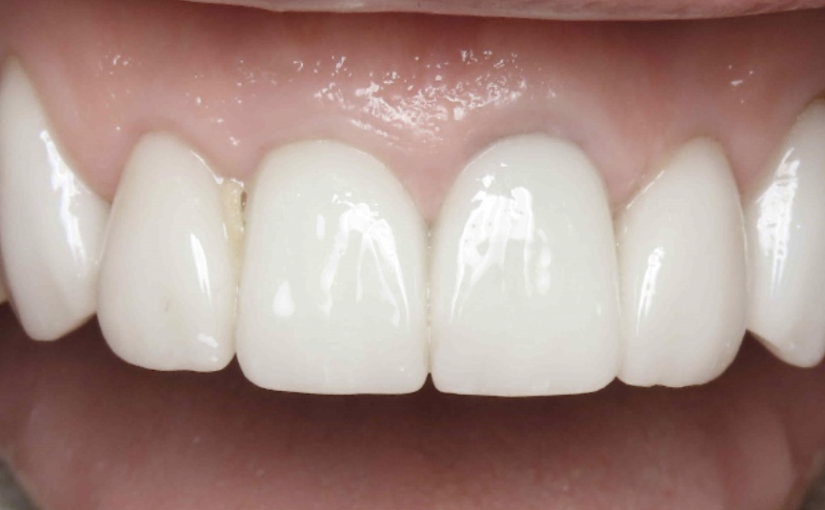
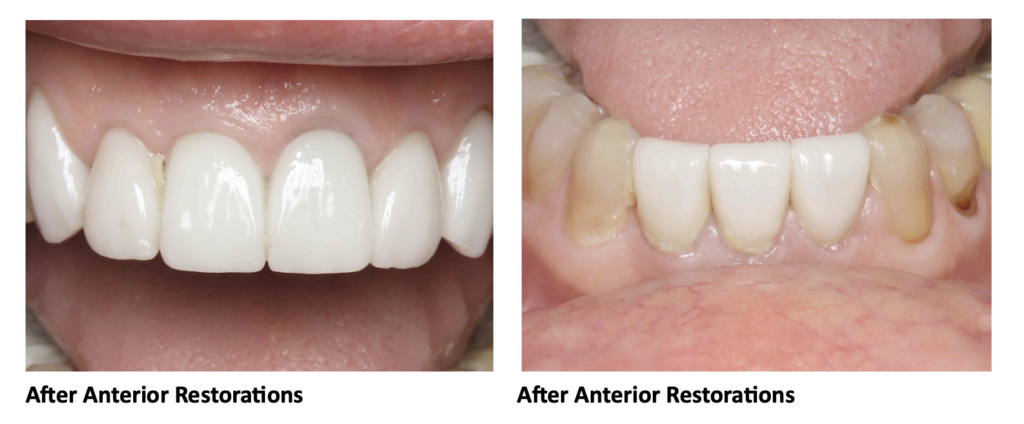
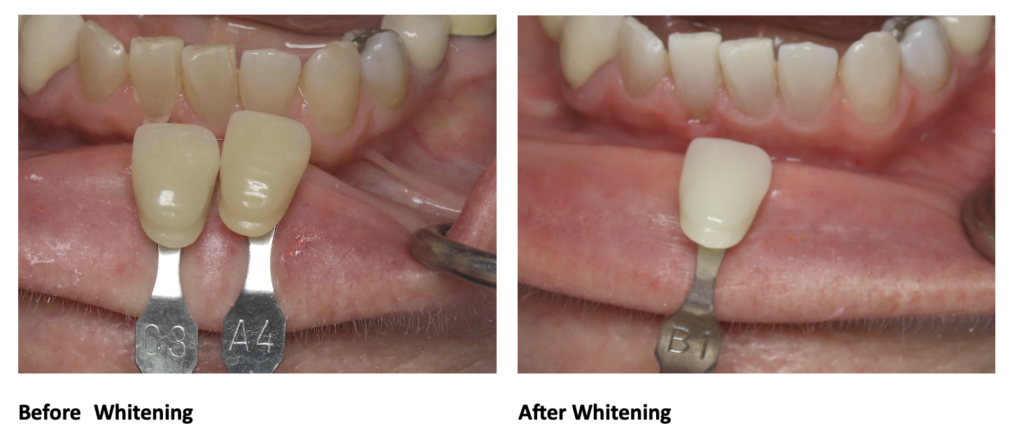
To help Alisha’s case move more quickly, Dr. DeVoe recommended traditional brackets and wires for her orthodontic treatment.  Because of this, he was able to correct her more complicated “cross-bite” and create symmetry in her gum-tissue levels.  This symmetry is especially important when gum tissues show during smiling like it does for Alisha.  After the orthodontics was complete, Alisha worked with Dr. Elizabeth to prepare her two front teeth for all porcelain crowns, complete one filling on a discolored tooth with decay, and cement the crowns into place.  Alisha chose to keep the color of her teeth more natural as she wasn’t interested in the potential maintenance involved with bleaching procedures.

What does she think?

Alisha was very open about the fact that she was nervous about the outcome for her treatment since it would impact her smile so much.  But, having been with Dr. Elizabeth for many years she knew it would go well.  “I am very pleased with how it all came out.  It didn’t take as long or hurt like I thought it would.”  Many patients are just like Alisha, very nervous to start the process that can so vastly impact their lives.  Not only does dentistry like this enhance esthetics, it does a lot to improve confidence.  When we asked Alisha what she would tell someone considering treatment she said, “If you can afford it, do it!  My teeth and my smile are going to last a long time.  It’s not just esthetic – it’s practical, it’s tooth security!”

Dr. Elizabeth and Dr. Jeff work very hard to keep their promise of “Dentistry for a Lifetime of Smiles” for their patients and Alisha is another great example of that!  We truly hope that Alisha and all of our patients are enjoying the holiday season.  If you are looking for a way to make changes and create your new beautiful smile, call Eggert Family Dentistry in North Oaks, Minnesota today, 651-482-8412. 

Your Guide to Getting into a Dental Assistant Program

By: Dr. Elizabeth Eggert

If you’re thinking about starting a career in dental assisting, you’re choosing a path that combines hands-on patient care, teamwork, and fast entry into the healthcare field. Dental assistants are vital members of dental teams, helping deliver preventive care, support dentists during procedures, handle infection control, and help patients feel comfortable. To get into the field, you’ll want to understand the application process, how to prepare in high school, where you can study locally, and how special options like the 916 Career & Tech Center program can give you an early start.

Preparing Early: High School Classes and Skills That Help

Long before you submit an application to a dental assistant program, you can start preparing in high school. Taking courses like biology, anatomy and physiology, health sciences, chemistry, and math give you a strong foundation for the sciences you’ll see in dental training. Classes such as English/communication, business or computer applications, and even psychology will help you communicate with patients and manage dental office tasks. Skills like attention to detail, excellent communication, good manual dexterity, and a genuine interest in helping others will make the training and your future work easier and more satisfying. Employers and educators look for students who are organized, empathetic, and ready to interact professionally with patients every day.

A Special Path: Dental Assisting Through the 916 Career & Tech Center

One exciting option if you’re still in high school is to take advantage of the Northeast Metro ISD 916 Career & Tech Center’s programs. The 916 Center partners with Century College (located on Century College’s campus in White Bear Lake) to offer real-world dental assisting exposure and clinical observation opportunities for juniors and seniors in high school. This means you can start building dental knowledge—and potentially college credits—before you graduate high school. To learn more or enroll, contact 916 Career & Tech directly at 651-415-5537 or talk to your high school counselor about registration and course options. careertech.916schools.org+1

What to Expect When You Apply

Once you’re ready to apply to a dental assistant program after high school (or as a high school senior via programs like 916), research the schools you’re interested in and note their application steps. Most programs require:

  • A completed application with your high school transcript (or GED),
  • Sometimes a special program application or interview,
  • Basic prerequisites such as a high school diploma or equivalent,
  • And occasionally math/English placement or GPA minimums depending on the school.

For community colleges like Century College, you’ll submit a general admissions application and the specific dental assisting program application (with deadlines announced each year). In contrast, private institutions like Herzing University may have rolling admissions, meaning you can apply when you’re ready.

Local Programs in the Twin Cities to Consider

Here are some great programs right here in the Minneapolis/St. Paul area where you can earn a diploma or degree in dental assisting:

  • Century College (White Bear Lake/St. Paul area) – Offers both Diploma and Associate of Applied Science (A.A.S.) in Dental Assisting with competitive admission and hands-on clinic experience. Century College
  • Herzing University (Minneapolis) – Provides Dental Assisting Diploma and Associate degree options with hybrid and on-campus formats. Herzing University
  • Hennepin Technical College (Brooklyn Park/Eden Prairie) – Offers both diploma and A.A.S. dental assistant programs with clinical externships and preparation for certification. Hennepin Technical College
  • Minneapolis College – Has dental assistant certificate and diploma pathways, building foundational skills and preparing you for national and state board exams. MCTC

Each of these programs has its own admissions process, so check their admissions offices or websites for current contact information and steps to apply.

Why Dental Assisting Is a Great Career

Choosing dental assisting means stepping into a rewarding medical support role with a relatively fast educational path—many diploma programs take about a year or less to complete. You’ll gain both technical skills (like chairside assisting, radiology basics, infection control, and dental materials) and interpersonal experience with patients. While in school, you’ll often complete externships or clinical experiences that give you real practice in dental offices.

Dental assistants tend to be detailed, empathetic, good communicators, and comfortable working on a team. The career offers solid job prospects and can be a stepping stone to other dental and healthcare careers (like dental hygiene or dental office management). For many students, it’s also a great way to start earning while continuing education or exploring future roles in dentistry.

Xerostomia: What It Is and How to Manage It

By: Dr. Elizabeth Eggert

Most people experience a dry mouth after a restless night’s sleep or a salty meal. Usually, a glass of water is all it takes to feel better. But when that dry, sticky feeling doesn’t go away, it may be a sign of xerostomia—the medical term for chronic dry mouth. In fact, nearly 1 in 5 people worldwide deal with it everyday. While dry mouth might just sound like an inconvenience, ongoing dry mouth can actually impact your teeth, your comfort, and even your overall health.

Why Does Dry Mouth Happen?

Dry mouth often occurs when your salivary glands don’t make enough saliva. Saliva may not seem important, but it’s essential for washing away food particles, protecting your teeth, and keeping your mouth comfortable.

A number of things can interfere with saliva production. Common factors include:

Medications: Many prescriptions including blood pressure meds, antidepressants, and allergy medications list “dry mouth” as a side effect. Cancer treatments can also restrict saliva flow.

Medical conditions: Diabetes and autoimmune diseases such as Sjögren’s syndrome increase the likelihood of dry mouth.

Lifestyle factors: Smoking, alcohol, excess caffeine, or even chronic mouth breathing can contribute to dry mouth.

Sometimes the cause is clear. Other times, it takes a bit of detective work to determine the underlying cause. Even being a chronic mouth breather can be a very likely reason for lack of saliva.

Saliva Plays an Important Role

It’s easy to underestimate saliva. After all, it’s mostly water. However, it contains small amounts of proteins, electrolytes, and enzymes and performs some important jobs. Saliva…

  • Keeps your teeth strong by supplying minerals like calcium, phosphate, and fluoride
  • Neutralizes acids so enamel doesn’t erode
  • Protects your gums and oral tissues from injury and infection
  • Helps you chew, swallow, and taste food

When saliva production or quantity is low, acids linger, bacteria thrive, and oral tissues dry out and become vulnerable to infection.

Signs You Might Be Dealing With Xerostomia

Dry mouth may start as a mild annoyance, but over time it can cause bigger problems. You might notice constant dryness or stickiness in your mouth, a rough or dry tongue, cracked lips, or sores at the corners of your mouth. It can make chewing, swallowing, and speaking uncomfortable, change the way food tastes, and increase the risk of cavities, gum disease, and oral infections like thrush. For people with dentures, braces, or mouthguards, it can lead to sore spots because there isn’t adequate saliva to cushion the mouth. Xerostomia can also cause bad breath and impact a person’s self-confidence and enjoyment of everyday life.

How We Help Patients at Eggert Family Dentistry

At Eggert Family Dentistry, Dr. Elizabeth Eggert and Dr. Jeff Eggert know that dry mouth isn’t just uncomfortable—it’s a health issue that can have some serious consequences. That’s why we address it from several angles:

Prevention and detection: Regular checkups allow us to spot early signs of xerostomia and any emerging complications. We use digital x-rays and photographs to show you exactly what’s happening.

Treatment options: From fluoride treatments to protect vulnerable teeth, to saliva substitutes or prescription medications that stimulate saliva production, we tailor care to your unique situation.

Collaboration: When systemic conditions like diabetes or autoimmune disorders may be involved, we coordinate with your physician to make sure you’re supported on all fronts.

Education and coaching: We help you identify whether medications, health conditions, or habits could be contributing to dry mouth, and share strategies you can try at home to combat the issue. Alongside in-office treatments, patients often find relief when they:

  • Sip water frequently throughout the day and keep a glass handy at night
  • Chew sugar-free gum or suck on sugar-free lozenges to stimulate saliva flow
  • Use a humidifier in the bedroom to use while sleeping
  • Avoid alcohol, caffeine, and tobacco, which tend to dry out the mouth
  • Choose gentle oral care products (like alcohol-free mouthwash and fluoride toothpaste)

Don’t Ignore Signs of Dry Mouth

It’s tempting to brush off dry chronic mouth as a minor annoyance, but over time it can significantly affect your health and comfort. The good news is, xerostomia is manageable. With the right care, you can protect your teeth, ease discomfort, and get back to enjoying life with confidence.

If you’ve been struggling with persistent dry mouth, we’re here to help. Schedule a visit with Dr. Elizabeth Eggert or Dr. Jeff Eggert. Let us create a personalized plan to give you relief and keep your smile healthy.

Call Eggert Family Dentistry at 651.482.8412 to set up an appointment today!

The Dental Hygienist Shortage: What It Means for Your Oral Healthcare

By: Dr. Elizabeth Eggert

You may have already felt the effects of the current national dental hygienist shortage—whether it’s longer wait times for your recare and cleaning visit or the appearance of unfamiliar faces in your appointment chair. This shortage isn’t limited to scattered anecdotes—it’s backed by stark data. As of early 2025, there are approximately 7,085 dental professional shortage areas across the U.S., where access to dental care—including hygiene services—is severely limited.

Meanwhile, the ADA reports that one in three dentists are actively struggling to recruit hygienists or assistants. That shortage is contributing to an estimated 11 percent reduction in dental practice capacity nationally, and roughly 40 percent of dental practices are struggling to fill vacant hygienist positions.

In Minnesota, the trend is just as real. Our state is experiencing a significant workforce shortage, especially affecting dental hygiene and assisting roles. In a recent Minnesota Dental Association member survey, about two-thirds of dentists described recruitment for hygienists and assistants as “extremely challenging” or “very challenging.” Many offices have essentially “given up.”  https://www.mndental.org/news/2024/03/mda-spearheads-introduction-of-legislation-seeking-funding-for-dental-academic-institutions

https://www.senate.mn/committees/2025-2026/3127_Committee_on_Jobs_and_Economic_Development/SF1325%20-%20Dental%20Assisting%20and%20Hygiene%20Program%20Grants.pdf

Some Minnesota practices have been even forced to cut their hours due to staff shortages, with patients being scheduled months in advance for hygiene visits. You may well have experienced this firsthand, even at Eggert Family Dentistry, where we are feeling these effects too and are unfortunately finding longer delays and difficulty booking routine recare visits.

At Eggert Family Dentistry in North Oaks, MN, we’ve observed an increasing number of dental hygienists opting for flexible, temporary work, moving between offices rather than committing to one practice exclusively. While we understand the desire for flexibility in this challenging job market, this trend will disrupt continuity of care. We are committed to the highest level of care and work hard to build a strong, ongoing relationship with you. We want to be able to truly understand your unique oral health needs, all the while, keeping dental care as affordable as possible.

We want you to know how much we value our magnificent hygienists for their professional commitment because they truly are fully dedicated to your oral health. While we actively work to hire another full-time hygienist, we ask for your patience during this transition. You will find that rescheduling a recare appointment might put you out many months. Rest assured, we’re doing everything we can—we’re opening up more recare slots as soon as possible and even the doctors are stepping in to provide hygiene services occasionally to help fill the gap.

We will do our best to contact you when new appointments are available, but we do not have the resources to continuously make calls to change appointments. To help you stay flexible, we encourage you to use our online scheduling request feature, which can be found on our website, https://schedule.solutionreach.com/scheduling/subscriber/46926/scheduler. This tool will allow you to check for earlier openings. We appreciate your understanding and partnership—together, we’ll navigate this shortage and continue to ensure your oral health remains our top priority. In the meantime, if you know of any dental hygienist ready and willing to work with us at Eggert Family Dentistry where we are a great group of highly skilled professionals, seeking to provide “Dentistry for a Lifetime of Smiles,” please get them in touch with Dr. Elizabeth Eggert at 651-482-8412. We look forward to using our network of patients to help us find our next magnificent team member. Your referral to our office would mean the world to us!

Why Rubber Dams Matter During Dental Procedures

By: Dr. Elizabeth Eggert

When you come in for dental work, you want the best results possible—and one key tool that helps ensure quality and safety is rubber dam isolation. A rubber dam is a thin, stretchy sheet (usually made of latex or a latex-free alternative) that a dentist places around the tooth being treated. It isolates that tooth from the rest of your mouth, keeping it dry and free from saliva. Though it might look a bit unusual—often green or blue and held in place with a small metal framework—it plays a crucial role in many procedures, especially bonding treatments and root canals.

For bonding procedures, like fillings or cosmetic work, a dry, clean environment is essential for long-lasting results. Moisture from your breath or saliva can interfere with how materials bond to your tooth, weakening the restoration. Similarly, during root canal treatment, a rubber dam keeps bacteria and moisture from entering the tooth while the inside is being cleaned and sealed. Without this protection, the risk of contamination goes up, which can lead to complications or even failure of the treatment. Rubber dams also help keep the airway safe from any small instruments or tools that have to be used during these dental procedures.

When a rubber dam isn’t used, the results can be compromised. For instance, contaminated bonding surfaces can cause fillings to leak, fall out, or lead to tooth sensitivity. In root canals, the absence of a rubber dam increases the chance of infection re-entering the tooth or debris being accidentally swallowed or inhaled. These risks not only threaten the success of the dental work but can also pose a risk to your health. Using a rubber dam significantly improves both the quality and the safety of your treatment.

At Eggert Family Dentistry in North Oaks, MN, Dr. Jeff Eggert and Dr. Elizabeth Eggert believe in doing things the right way from the start. That’s why they routinely use rubber dam isolation during bonding and root canal procedures. This commitment to high standards ensures that your dental treatments are more predictable, longer-lasting, and less likely to cause issues down the road. You can trust that your dental health is in the hands of professionals who prioritize excellence and your well-being.

While a rubber dam might feel a little unfamiliar at first, it actually makes the dental process easier for you in many cases—keeping your mouth more comfortable and reducing the amount of rinsing and suction needed. Using rubber dam isolation also allows you to breathe through your nose, creating a calming effect and keeping the air from passing through your mouth where the dental work is occurring. Next time you’re in the dental chair, you’ll know that the small green sheet we use at Eggert Family Dentistry is doing big work to protect your smile. At Eggert Family Dentistry, that attention to detail is just one of the many ways they care for you and your oral health. Please call us today at 651-482-8412 to set up your next appointment!

Understanding Root Canals: What You Need to Know

By: Dr. Elizabeth Eggert

If you’ve been told you need a root canal, you might be feeling nervous or unsure about what that means. A root canal is a dental procedure that treats infection or inflammation within the pulp of your tooth—the innermost layer that contains nerves and blood vessels. You may need a root canal if you’re experiencing severe tooth pain, lingering sensitivity to hot or cold, swelling around a tooth, or if your dentists at Eggert Family Dentistry notice signs of infection on an x-ray. In many cases, a root canal can save your natural tooth and relieve your discomfort, allowing you to maintain a healthy smile.

What Happens If I Need a Root Canal?

The procedure itself is more routine and comfortable than most people expect. During a root canal, the area around your tooth is numbed up to keep you pain-free. Then, the infected pulp is carefully removed, and the inside of the tooth is cleaned and disinfected. Once cleaned, the space is filled with a biocompatible material to seal off the tooth and prevent further infection. Often, you’ll also need a crown to protect and restore the tooth’s structure after the procedure. At Eggert Family Dentistry in North Oaks, MN, Dr. Elizabeth Eggert and Dr. Jeff Eggert take great care to make this process as comfortable and stress-free as possible for you.

What Happens After a Root Canal?

After a root canal, you might experience some tenderness or mild soreness in the area for a few days, especially if the infection was significant beforehand. Over-the-counter pain relievers are usually enough to manage any discomfort. It’s important to follow the instructions from Eggert Family Dentistry or the endodontist (root canal specialist) for aftercare and to return for any recommended follow-up appointments to complete your crown or final restoration. With proper care, your treated tooth can last just as long as your other natural teeth.

Healing from a root canal typically happens quickly. Most people return to their normal activities the very next day. However, you should avoid chewing on the treated tooth until Dr. Jeff Eggert or Dr. Elizabeth Eggert finishes the restoration. At Eggert Family Dentistry, your healing process will be closely monitored, and you’ll have access to expert guidance to ensure everything goes smoothly. Dr. Elizabeth Eggert and Dr. Jeff Eggert are committed to helping you heal comfortably and confidently.

What Happens If I Delay a Root Canal?

Delaying or avoiding a recommended root canal can lead to serious consequences. An untreated infection in your tooth can spread to other areas, especially in the surrounding bone, leading to increased pain, swelling, bone loss, or even systemic health problems. In some cases, the tooth may need to be extracted, which can be more costly and more complicated to treat in the long run, especially when you consider tooth replacement options. By addressing the issue early with a root canal, you preserve your natural tooth and protect your overall health.

At Eggert Family Dentistry, your dental health and comfort are the top priorities. Whether you’re experiencing tooth pain or have been advised to consider a root canal, you’ll find compassionate care and advanced technology to support your treatment. Dr. Jeff Eggert and Dr. Elizabeth Eggert bring years of expertise to the North Oaks, MN community, and are here to help you understand your options and feel confident in your care. If you think you might need a root canal—or just want a second opinion—don’t hesitate to reach out and schedule a consultation. Please call us today at 651-482-8412.

Relax and Breathe Easy: How Nitrous Oxide Can Improve Your Dental Experience

By: Dr. Elizabeth Eggert

If you’ve ever felt anxious about an upcoming dental appointment, you’re definitely not alone. Dental anxiety affects millions of people, often causing them to delay or avoid essential care. Fortunately, there’s a safe and effective solution that can make your experience much more comfortable: nitrous oxide gas. Commonly known as “laughing gas,” nitrous oxide has been used in dentistry for over 150 years to help patients stay calm and breathe easier during treatment.

How Does It Work?

Nitrous oxide is an anxiolytic and works by interacting with your central nervous system to produce a calming, euphoric effect. When you inhale the gas through a small nose mask, it quickly enters your bloodstream, promoting a sense of relaxation without putting you to sleep. This makes it especially helpful if you experience nervousness or have a sensitive gag reflex. The gas also encourages you to breathe more deeply and evenly through your nose, which not only helps with oxygen intake but also allows your dentists, Dr. Jeff Eggert and Dr. Elizabeth Eggert in North Oaks, MN to work more efficiently and it significantly increases your comfort.

The science behind nitrous oxide is both fascinating and well-established. It’s classified as a dissociative anesthetic, meaning it changes how your brain perceives pain and anxiety without causing unconsciousness. Because the effects are so fast-acting—and wear off within minutes after the mask is removed—nitrous oxide is ideal for dental settings where you need quick relief but want to resume normal activities shortly afterward. While using nitrous oxide, you’ll be fully conscious and able to communicate, but you’ll feel calm, light, and more at ease.

What Is The History And Is It Safe?

Historically, nitrous oxide was first discovered in the late 18th century and began to be used in medical and dental practices by the mid-1800s. Its use revolutionized dental care by making treatments less stressful and more accessible to patients who might otherwise avoid the dentist entirely. It also was a much safer alternative to ether, which was used commonly for pain control at that time. Today, it’s one of the most commonly used methods to promote relaxation in dental offices across the country, thanks to its proven safety and effectiveness.

At Eggert Family Dentistry in North Oaks, MN, both Dr. Jeff Eggert and Dr. Elizabeth Eggert offer nitrous oxide gas as an optional part of your dental care. If you think you’d benefit from feeling more relaxed during your visit—or simply want help breathing more easily through your nose during treatment—just let the team know ahead of your appointment. This service is available for a very reasonable cost, and the benefits to your comfort and peace of mind are well worth it.

Don’t let anxiety or discomfort hold you back from getting the care you need. Nitrous oxide can help transform your dental experience into something calm, positive, and stress-free. At Eggert Family Dentistry, your comfort is always a top priority—so breathe easy, relax, and take the first step toward a better dental visit by asking about nitrous oxide at your next appointment. Call us today for your next appointment—651.482.8412.

Exploring the Benefits of Nasal Breathing

By: Dr. Elizabeth Eggert

Breathing is an unconscious act we perform thousands of times a day, yet the method by which we breathe—through the nose or mouth—significantly impacts our health. Nasal breathing offers numerous advantages over mouth breathing, influencing everything from oxygen uptake to dental health. Understanding these benefits and learning how to become a better nasal breather can lead to substantial improvements in your overall well-being. Dr. Elizabeth Eggert and Dr. Jeff Eggert of Eggert Family Dentistry talk to their patients about nasal breathing many times each day. It is interesting how diseases of the mouth are linked to another feature on our face!  Read on to learn more!

Benefits of Nasal Breathing

Breathing through your nose is the body’s natural and most efficient method. The nasal passages filter, warm, and humidify the air before it reaches your lungs, ensuring optimal conditions for gas exchange. This process enhances oxygen absorption and helps prevent respiratory issues. Additionally, nasal breathing produces nitric oxide, a molecule that plays a crucial role in dilating blood vessels, improving circulation, and boosting immune function.  Check out this link describing how nasal breathing can impact an athlete’s performance:  trainheroic.com.

In contrast, mouth breathing can lead to several health concerns. It often results in dry mouth, which diminishes saliva production—a natural defense against tooth decay and gum disease. Mouth breathing during sleep is associated with snoring and obstructive sleep apnea, conditions that disrupt restful sleep and can lead to daytime fatigue. Over time, habitual mouth breathing may even alter facial structures, leading to orthodontic issues.

Improving Nasal Breathing

Transitioning to nasal breathing requires conscious effort and practice. One effective method is the Buteyko technique, which emphasizes gentle, nasal-only breathing to improve respiratory efficiency. Patrick McKeown, in his book “Close Your Mouth,” outlines exercises such as controlled breath-holds and reduced breathing exercises to promote nasal breathing habits.  Here is a link to more from Patrick McKeown:  drchatterjee.com

Another strategy is to practice nasal breathing during physical activities. Start by focusing on maintaining nasal breathing during light exercises, gradually increasing intensity as your comfort improves. This practice not only enhances respiratory efficiency but also improves athletic performance by ensuring better oxygen delivery to muscles.

Role of Dental Professionals in Identifying Mouth Breathing

Dentists play a pivotal role in recognizing signs of mouth breathing. At Eggert Family Dentistry in North Oaks, MN, Dr. Elizabeth Eggert and Dr. Jeff Eggert are adept at identifying symptoms associated with mouth breathing, such as dry mouth, inflamed gums, and certain tooth wear patterns, as well as increased tooth decay. They understand that mouth breathing can be linked to sleep disorders like sleep apnea and offer comprehensive evaluations to address these issues.

blog.eggertfamilydentistry.com

Collaborative Approach to Encourage Nasal Breathing

If you’re identified as a mouth breather, Drs. Elizabeth and Jeff Eggert can guide you toward effective solutions. They may recommend myofunctional therapy, which involves exercises to strengthen the oral and facial muscles, promoting proper tongue posture and nasal breathing. For patients with sleep-related breathing disorders, they offer custom-fabricated oral appliances designed to maintain an open airway during sleep, thereby reducing reliance on mouth breathing.

blog.eggertfamilydentistry.com

Incorporating nasal breathing into your daily routine can lead to significant health benefits, from improved dental health to better sleep quality. By understanding the advantages of nasal breathing and working with knowledgeable professionals like Drs. Elizabeth and Jeff Eggert, you can make meaningful strides toward enhanced well-being.

At Eggert Family Dentistry, whole body wellness is our goal for all our patients. We believe in “Dentistry for a Lifetime of Smiles.” Call us today it will be our pleasure to help you with your comprehensive care and overall health!  651-482-8412.

Elevating Dentistry: Dr. Eggert’s Insights from the AES Meeting & Other Updates

By: Dr. Elizabeth Eggert

Did you know that to be a licensed dentist in Minnesota, 50 hours of continuing education (CE) is required every 2 years?  Did you also know that Dr. Elizabeth Eggert and Dr. Jeff Eggert of Eggert Family Dentistry in North Oaks, MN participate in over 4 times the amount of required CE, by attending over 100 hours of dental education courses EVERY year?!  We are so thankful to be able to take the extra time to be able to give our patients the latest and greatest experience in dentistry.

This month, Dr. Elizabeth Eggert attended the American Equilibration Society (AES) meeting in Chicago.  The AES is a world-respected group that holds a meeting each year, originating as a group that focuses on temporal mandibular disorders (TMD).  This group has evolved to include what’s up and coming in dentistry.  This year’s theme for the meeting was “The Better Dentist Project.”

Dr. Elizabeth Eggert was lucky to hear presentations about Digital Smile design and what is happening with digital mock-ups for case planning.  There is so much that can occur digitally, but the question always remains – will the digital result be better than the tried and true analog methods?  There really are a lot of exciting things happening in this realm.

Another topic addressed during the meeting is a concept Dr. Elizabeth is familiar with, but doesn’t get the opportunity to put into practice very often.  Did you know there is a strong connection between pain, including pain in the TMJ, and full-body alignment?  Without the body in a neutral position, the muscles are pulling, and dysfunction often occurs.  The splints Dr. Elizabeth fabricates help to give the body a different neurologic reference point, however, at times other forces in the feet, hips, spine, or shoulders fight the progress until we can also work with a physical therapist (PT) to help get the body in that neutral position.  Dr. Elizabeth is excited to see the strides PT and dentistry can make together once we train more PT providers in this area.

Dr. Elizabeth heard Dr. Erin Elliott from Idaho talk about the State of the Union of Dental Sleep Medicine – the Past, Present, and Future.  This talk was again a good review of concepts Dr. Elizabeth works to put into practice for her patients so they can be the best versions of themselves.  Without adequate sleep, especially great sleep quality, it is impossible to thrive!  Dr. Elliott works with many sleep appliances to help her patients and it was great to get her take on what is working best.  There have been improvements in the materials available in the last few years and it was nice to get a summary of what’s out there.

The meeting wrapped up with new concepts in periodontal health, implants, and the future of dentistry (“Dentistry in the Metaverse”).  It’s an exciting time to not only be a dentist, but to be a dental patient!  Call us at 651-482-8412 to schedule your next dental visit.  Dr. Elizabeth Eggert and Dr. Jeff Eggert can’t wait to share their knowledge with you.

Understanding the Science Behind Emax and Zirconia Dental Crowns

By: Dr. Elizabeth Eggert

When it comes to restoring your smile with a natural-looking and durable dental crown, your options have never been better. Modern all-porcelain crowns, such as Emax (lithium disilicate) and zirconia, provide strong and esthetically pleasing solutions for damaged or weakened teeth. At Eggert Family Dentistry in North Oaks, MN, Dr. Elizabeth Eggert and Dr. Jeff Eggert carefully assess your dental needs to determine which material is best for your specific situation. Understanding the science behind these materials can help you feel confident in your dental care choices.

Emax (Lithium Disilicate): Strength and Beauty Combined

Emax crowns are made from lithium disilicate, a glass-ceramic material that offers an excellent balance of strength and translucency. This makes Emax an ideal choice for front teeth and other visible areas where appearance is crucial. The material mimics natural enamel remarkably well, allowing for a seamless blend with your surrounding teeth. Additionally, Emax crowns require minimal tooth preparation, which helps preserve more of your natural tooth structure. Dr. Elizabeth Eggert and Dr. Jeff Eggert use Emax nearly every day because it provides a highly esthetic solution for your teeth. It is also our material of choice when fabricating CEREC “in-office and same-day” crowns.

Zirconia: The Ultimate in Durability

If strength is the primary concern, zirconia crowns are often the best option. Made from zirconium dioxide, a highly durable ceramic, zirconia crowns can withstand extreme biting forces, making them an excellent choice for second molars and patients who grind their teeth. They are resistant to chipping and cracking, ensuring long-term reliability. While zirconia crowns were once considered less natural-looking than Emax, modern advancements have improved their translucency, making them a more esthetic option than ever before. Dr. Jeff Eggert and Dr. Elizabeth Eggert may choose zirconia for you if you need a crown in a high-pressure area or have a history of bruxism (teeth grinding).

Choosing the Right Crown for You

The decision between Emax and zirconia depends on several factors, including the location of the tooth, your bite strength, and your cosmetic goals. Emax is often preferred for front teeth due to its lifelike appearance, while zirconia is recommended for back teeth where durability is key. At Eggert Family Dentistry, Dr. Elizabeth Eggert and Dr. Jeff Eggert take a personalized approach, evaluating your unique needs to select the best material for your crown.

With today’s advanced dental materials, you no longer have to compromise between strength and esthetics. Whether you need the natural beauty of Emax or the resilience of zirconia, the team at Eggert Family Dentistry is committed to providing high-quality, long-lasting restorations that enhance both your smile and your dental health. If you’re considering a dental crown, schedule a consultation to learn which option is best for you! Call us today at 651-482-8412.