Don’t Forget to Celebrate with Us! 21 Years in North Oaks for Eggert Family Dentistry AND Now Voted Winner as Best Dentist from the Shoreview Press!

By: Dr. Elizabeth Eggert

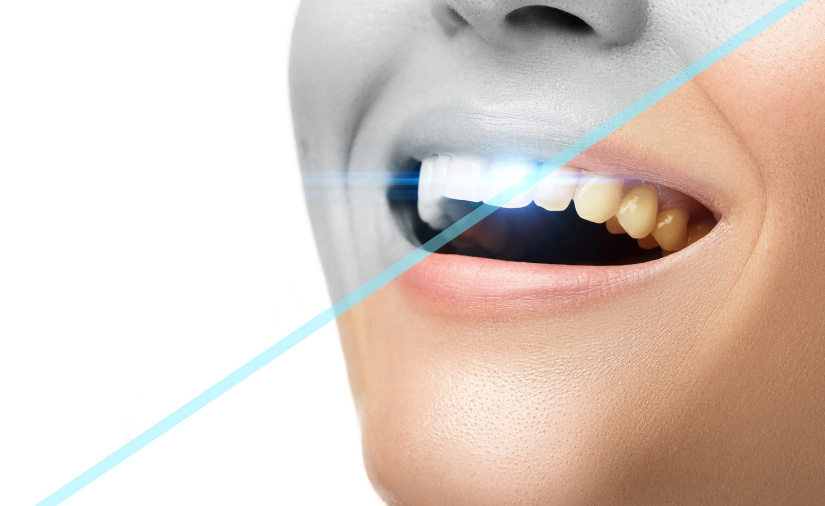
Remember our announcement last month? We’re celebrating in October and we want you to celebrate with us! Have you ever wished you could brighten your smile and feel more confident showing off your teeth? Professional Zoom Whitening may be just what you need! Unlike over-the-counter whitening products, which can be less predictable and may not give you the results you want, Zoom is an in-office professional bleaching treatment designed to lighten the color of your natural teeth. Dr. Elizabeth Eggert and Dr. Jeff Eggert as well as their amazing dental team will apply a professional-strength whitening gel, which works to break down stains and discoloration. A specialized Zoom light is used as part of the system to help activate the whitening process. In just one appointment, you can achieve a noticeably brighter smile!

Why choose professional dental bleaching instead of simply picking up whitening strips at the store? You may have stubborn discoloration from coffee, tea, red wine, or years of everyday wear that over-the-counter products struggle to improve. With professional whitening, you benefit from expert guidance, an assessment of your oral health, and a treatment plan tailored to your smile. We can also help you understand what whitening can and cannot change: natural teeth may lighten, but crowns, veneers, and fillings will not bleach in the same way. At Eggert Family Dentistry in North Oaks, MN, Dr. Elizabeth Eggert and Dr. Jeff Eggert want you to feel great about your smile while keeping your dental health a priority. That is why a complimentary bleaching consultation is available before you move forward with bleaching.

Here are just a few of our favorite Zoom results so far this month! These are all SAME DAY results, before the at-home procedures that really help get that color to “pop!”

While we’re still celebrating 21 years of caring for your smile at Eggert Family Dentistry, be sure to take advantage of our special Zoom Whitening anniversary promotion! At this point, we only have 1 spot still available, but if you are the lucky one, you can receive 21% off in-office Zoom Whitening—a savings of $151! (Previously scheduled Zoom treatments are not eligible, promotional appointments cannot be rescheduled, and cancellations incur a $100 fee.) Ready to celebrate 21 years of smiles with a brighter smile of your own? Call Eggert Family Dentistry at 651-482-8412 to secure this last opportunity for a great deal. We look forward to helping you celebrate with a smile that shines!

We also want to say a huge THANK YOU to our voters (you, our patients) for voting us Winner of the Best Dentist category for this year’s Best of the Press Award in Shoreview. It truly is an honor to be recognized.


#DentalTok: Which Viral Dental Hacks Are Actually Safe?

By: Dr. Elizabeth Eggert

Welcome to DentalTok: a world of pearly whites, DIY hacks, and supposed “quick fixes,” all promising a healthier smile.

From BookTok to TravelTok, TikTok has become a hub for just about every niche imaginable. These “Toks” bring people with shared interests together to share ideas and learn from one another. So, of course, dentistry has found its corner of TikTok, too.

Honestly, some of these tips may have a little truth behind them … but many can actually permanently damage your teeth. And when a viral video makes a hack look quick and easy, it isn’t always obvious which is which.

At Eggert Family Dentistry, we believe education is one of the most powerful tools for protecting your health. Dr. Elizabeth Eggert and Dr. Jeff Eggert look beyond the promise of a quick fix to consider what a trend is really doing to your teeth — and whether it addresses the underlying issue, or simply masks it.

So, which viral dental hacks have some science behind them, and which should stay safely on your “For You Page” (FYP)?

Lemon Juice & Banana Peels

#dentaltok: lemon juice and banana peels

Verdict: ❌ Not Approved

This viral dental hack claims that rubbing a banana peel against your teeth before swishing with lemon juice will help whiten your teeth. According to this DentalTok myth, the potassium in the banana peel is supposed to wipe away surface stains, while the citric acid in lemon juice breaks down deeper discoloration.

Sounds like a pretty sweet deal for two ingredients sitting in your kitchen! Unfortunately, your teeth probably won’t find this particular fruit salad quite as appealing.

Lemon juice is highly acidic and repeatedly exposing your teeth to that acidity can gradually wear away their protective enamel. And as enamel becomes thinner, more of the darker dentin underneath becomes visible — not to mention, your teeth also become more susceptible to decay.

As for the banana peel? Well, it’s certainly the friendlier half of this trend, but there isn’t evidence that rubbing one on your teeth will provide genuine whitening results. We’d recommend simply enjoying your banana as a “tooth-friendly” snack and using your toothbrush to take care of surface stains (in between routine professional recare appointments, that is!).

Charcoal Toothpaste

#dentaltok: charcoal toothpaste

Verdict: ⚠️ Proceed with Caution

DentalTok loves this one. The dramatic before-and-after videos tend to spread like wildfire — and, considering you’re starting with black paste all over your teeth, it’s no wonder your smile looks so much whiter by comparison!

And hey, there is a little truth behind the trend. Charcoal is abrasive, so as you brush, it can help scrub away some of the surface stains that make teeth look dull.

Unfortunately, that abrasiveness isn’t so friendly to your enamel. Over time, abrasive charcoal toothpaste can wear away at this protective outer layer, eventually contributing to sensitive and yellowing teeth. Plus, charcoal only tackles stains on the surface of your teeth; research hasn’t shown it to be particularly effective at changing their deeper, intrinsic color. Many charcoal toothpastes also lack fluoride, an important ingredient for protecting teeth against cavities.

So, before reaching for that trendy black goo in a tube, take a moment to consider the tradeoff. A maybe-slightly-brighter smile isn’t worth being rough on the enamel you want to keep it healthy for life!

The Eggert-Approved Alternative

For patients interested in whitening toothpastes, Dr. Elizabeth Eggert and Dr. Jeff Eggert recommend gentler options, such as Sensodyne True White. These products are much less abrasive, carefully balancing stain removal with enamel protection.

But, for more noticeable (and safer!) results, professional whitening is the way to go. At Eggert Family Dentistry, we offer several options, including KöR Whitening Deep Bleaching, Philips Zoom Whitening Treatments, Professional-Grade Strips, and at-home Whitening Trays. We’ll help you find an option that fits your smile while keeping your overall oral health front and center.

Oil Pulling
#dentaltok: oil pulling

Verdict: ✅/⚠️ Approved, but With Caution

Oil pulling has been around for over 3,000 years, with roots tracing back to ancient India and the practice of Ayurvedic medicine. It faded from the public eye for a while (okay, for a few thousand years), but thanks to DentalTok, it’s making a comeback!

The practice involves swishing an edible oil around your mouth for about 10 minutes before spitting it out. Modern fans claim oil pulling can reduce bacteria, cure cavities, and freshen breath.

So, how much of that is true? Let’s break it down.

Does oil pulling reduce bacteria buildup?

A little, yes! Research suggests oil pulling can reduce levels of certain harmful bacteria in the mouth.

Does oil pulling cure cavities?

No. Once a cavity has begun to form, it cannot be swished away with oil. The affected tooth needs attention from a dental professional.

Does oil pulling freshen breath?

It can! If odor-causing bacteria are behind your bad breath, reducing some of that bacteria may help. But persistent bad breath can also point to an underlying concern, such as tooth decay or more often periodontal disease or gingivitis. In those cases, freshening your breath only addresses the symptom. We want to identify and treat the cause.

So, do we recommend it? Not really. There may befaster, more effective options out there for keeping your mouth fresh and healthy. But will oil pulling hurt your smile? Probably not! If you enjoy it, there’s generally no harm in adding it to your routine — just don’t let it take the place of brushing, flossing, and other adjuncts recommended by Dr. Elizabeth Eggert or Dr. Jeff Eggert!

Rubber Bands to Close Gaps

#dentaltok: rubber bands for teeth

Verdict: ❌ Not Approved

This viral dental hack encourages viewers to use small rubber bands to close gaps between their teeth at home. According to DentalTok, wrapping a band around two teeth puts enough pressure on them to gradually pull them closer together.

Unfortunately, there are some pretty serious risks hiding behind this seemingly simple hack. A rubber band can slip beneath the gumline, where it can damage the gums and supporting bone around your teeth. That damage can cause teeth to become loose, shift even further out of place, or potentially fall out altogether. And trust us, the gap left by a fully missing tooth is much harder to fix than a little extra spacing!

The Eggert-Approved Alternative

For some patients, the best solution to unwanted gapping may be Invisalign. Invisalign clear aligners are a set of custom plastic trays that slowly shift your teeth into the desired position. They function similarly to traditional braces, but they’re much more discreet.

Dr. Elizabeth Eggert is highly trained in the Invisalign system, which means Eggert Family Dentistry patients can complete this type of orthodontic treatment right here in our office. No rubber bands from the junk drawer required!

Tongue Scraping

#dentaltok: tongue scraper

Verdict: ✅ Approved

Now this is a viral dental hack we can get behind! Tongue scraping is when you … well, scrape your tongue (clever name, right?). You might have noticed those U-shaped tools popping up more frequently in the oral hygiene aisle. Simply glide the scraper along your tongue to remove buildup as part of your daily oral care routine.

A lot of that buildup is made up of bacteria, dead skin cells, and food debris — all things Dr. Elizabeth Eggert and Dr. Jeff Eggert are happy to send packing! A few of the benefits include:

  • Fresher breath. Odor-causing bacteria love to hang out on the tongue. Removing that buildup can help keep your breath feeling fresher.
  • A cleaner-looking tongue. Scraping away buildup can reduce the white or yellow coating on your tongue, leaving it looking pinker and healthier.
  • Better oral hygiene. Your tongue can harbor bacteria that contribute to plaque buildup and gum inflammation. Regularly removing some of those bacteria helps support a healthier environment throughout your mouth.

Just remember: tongue scraping is an addition to a healthy oral care routine, not a replacement for brushing and flossing. But as far as DentalTok trends go? This one gets a thumbs-up from Eggert Family Dentistry!

Teeth Filing with a Nail File

#dentaltok: nail file

Verdict: ❌ ABSOLUTELY NOT APPROVED

This may be the craziest viral dental hack we’ve seen yet. It encourages people to literally file their teeth down with a nail file. Some users are trying to shorten prominent or uneven teeth. Others are going for something a little more out of pocket, like vampire fangs or American Girl doll-style teeth (yes, really).

But filing your teeth can cause serious, irreversible damage. How serious? Well, that depends on how far you file:

Through the enamel: Enamel is the hard outer layer that protects your teeth, and once it’s gone, it doesn’t grow back. Removing too much leaves the softer layers underneath more vulnerable to bacteria, decay, sensitivity, and further damage.

↓

Down to the dentin: Beneath your enamel is dentin, which has a naturally more yellow appearance and contains tiny tubules that connect toward the nerve of the tooth. Exposing it can make your teeth much more sensitive to hot, cold, sweet, and acidic foods and drinks. Dentin exposure puts the tooth at extremely high risk for decay.

↓

Into the pulp: Go even deeper and you can reach the pulp, the innermost part of your tooth containing nerves and blood vessels. Damage here can cause severe pain and may require a root canal and crown to save the tooth. If a tooth becomes too damaged to restore, it may even need to be extracted and replaced.

No matter how far you go, the damage can be serious enough to require extensive dental repair work. And even if you don’t feel immediate pain, the effects can catch up with you down the road. Changing the shape of your teeth messes with your bite, which can impact your jaw alignment, too. From there, the effects can ripple outward, impacting everything from your temporomandibular joints (TMJs) to your airway and quality of sleep.

If you’re interested in cosmetic dentistry, keep the nail file far, far away from your teeth! Dr. Elizabeth Eggert and Dr. Jeff Eggert can help you explore a safe way to reshape your smile while protecting the healthy tooth structure you already have.

Final Verdict? Leave It to the Professionals

Before trying the next viral dental hack, ask yourself one question: Would I rather trust TikTok … or my dentist?

If you’re looking to whiten your smile, straighten your teeth, repair chipped teeth, or simply improve your oral health, Dr. Elizabeth Eggert and Dr. Jeff Eggert can recommend safe treatments that deliver long-lasting results — without risking permanent damage. And remember, the dentists at Eggert Family Dentistry come with over 40 years of clinical experience, we’re thinking the TikTok’ers can’t claim anything close to that fact!

Let’s separate dental fact from internet fiction; call or text 651.482.8412 to schedule your next appointment at Eggert Family Dentistry. We can’t wait to see you soon!

Another New Beginning: An Update After Dental Trauma to an Even MORE Confident Smile – Sarah’s Story

By: Dr. Elizabeth Eggert

How did this start?

Sarah began her journey with Eggert Family Dentistry more than 10 years ago as a high school senior, searching for a solution for a front tooth that had been injured years earlier. The trauma she experienced in her early teens resulted in the need for root canal treatment, but despite those efforts, the tooth had a poor long-term prognosis.

The teenage years are filled with milestones, friendships, and countless reasons to smile. But, if you’re self-conscious about your smile, those moments can feel much more challenging. Because of the trauma, Sarah’s long-term prognosis for her front teeth was unpredictable. Plus, there was still a chance that Sarah could grow or experience bony facial changes.  Therefore, as you can see from our first blog with Sarah from 2016, some composite bonding was done to give a cosmetic improvement, but mostly to help “buy some time.”

What did she want?

Over the years, Sarah and Dr. Elizabeth worked together through several challenges to preserve her natural front tooth for as long as possible. Whenever it is healthy and predictable to do so, preserving a natural tooth is often the best option. Keeping the natural tooth helps maintain the surrounding bone, supports the natural bite, and preserves facial structure and alignment. While modern dentistry offers excellent replacement options such as dental implants and bridges, nothing can completely replace the unique qualities of a natural tooth. Over the years, Sarah started in her career and wanted to invest in herself. She knew her bite was not ideal to support an implant so in planning for the need to eventually replace her traumatized tooth, she started looking into orthodontics with Dr. DeVoe in 2020.

What was involved?

Sarah did many treatments with Dr. DeVoe, including orthognathic surgery with the oral surgery team, to improve her tooth and jaw positions. This took awhile and unfortunately, Sarah noticed her traumatized front tooth starting to darken again, while Dr. Elizabeth noticed that the tooth wasn’t looking healthy on the x-rays. Sarah’s tooth was experiencing root resorption – a condition where the body begins to break down the root structure of the tooth. So, although every effort was made to save Sarah’s tooth, Sarah knew that she wanted something different after her orthodontic treatment. She also was planning to get married and wanted a brighter, more pleasant smile for that.

After a thorough evaluation and careful collaboration between Dr. Elizabeth and Dr. DeVoe, the plan was to keep the resorbing tooth until orthodontics was complete and then move Sarah to a dental implant to replace the tooth. As Sarah was finishing her orthodontic treatment, she had the surgery done to place a dental implant with a temporary crown to be used during the healing phase. Sarah also underwent some gingival recontouring surgery to help gain more symmetry between her front two teeth.

Once Sarah’s dental implant had healed and her orthodontic treatment was complete, she returned to Dr. Elizabeth to begin the final phase of her smile transformation. With a healthy, stable foundation in place, the focus shifted to creating a smile that was not only beautiful, but also functional, balanced, and natural-looking.

Sarah’s customized treatment plan began with Opalescence GO® whitening to brighten her natural teeth and establish the ideal shade for her final restorations. Once whitening was complete, Dr. Elizabeth carefully designed three porcelain veneers for Sarah’s upper front teeth, as well as the porcelain implant restoration for her implant. Each veneer was meticulously planned to complement her facial features, match the implant restoration seamlessly, and create a harmonious smile that looked as though it had always been hers.

After years of preserving her natural tooth, coordinating orthodontic treatment, and thoughtfully planning every step of care, Sarah’s journey culminated in a healthy, confident smile designed to last for years to come.

What does she think?

We asked Sarah a few questions about how the process went for her.  She told us “I knew it would be a long process, but I also knew it was something I wanted to do because of the long-term benefits. I felt it would be worth the investment in my smile and my future.” Sarah let us know that the process was much easier than she expected it would be. In fact, she said “The oral surgery was a breeze and the final restorations were surprisingly simple! It only took a few appointments, which was really nice, and the team was wonderful about helping me schedule everything before my wedding!”

Sarah told us that if she were talking to someone considering similar treatment, she’d tell them “I would absolutely recommend it. Do it sooner rather than later because the entire process can take some time – but it’s completely worth it. 100% worth it!”

Sarah’s story is a wonderful reminder that transforming a smile is often a journey rather than a single procedure. Through years of careful planning, collaboration between specialists, and a commitment to preserving her oral health whenever possible, Sarah achieved a smile that is healthy, functional, and beautifully natural.

At Eggert Family Dentistry, our goal is always Dentistry for a Lifetime of Smiles. We are grateful that Sarah trusted us through every stage of her journey and are honored to have helped restore not only her smile, but also the confidence that comes with it. She made a beautiful bride!

“I am so happy with the results. I would never look back. I’m so glad I followed all of Dr. Elizabeth’s recommendations. I feel more confident, and honestly, I feel like a new person.” – Sarah

With So Many Ways to Whiten Your Smile, Which Tooth Bleaching Option Is Right for You?

By: Dr. Elizabeth Eggert

If you’ve ever searched for teeth whitening products, you’ve probably discovered there are countless options available—and it can be overwhelming trying to decide which one is worth your time and money. The truth is, the “best” whitening treatment depends on your teeth, your goals, and the type of coloring you have. That’s why Dr. Elizabeth Eggert and Dr. Jeff Eggert at Eggert Family Dentistry in North Oaks, MN don’t believe in a one-size-fits-all approach. Instead, they’ll help you choose the whitening option that will give you the best results for your unique smile.

If you’re looking for the most affordable way to brighten your teeth, over-the-counter whitening strips or Professional Opalescence Go! kits may be a perfect place to start. But, while store-bought strips are generally inexpensive and available immediately, they often cause more tooth sensitivity, can slip around during use, may irritate your gums, and only whiten the teeth they cover (usually the front teeth only). Opalescence Go! offers many of the same conveniences but with professional-strength whitening and desensitizing agents infused into the formulation,  they cause less sensitivity, making it an excellent entry-level professional option. However, neither system is ideal if your teeth have brown or gray undertones or discoloration from tetracycline antibiotics, as those types of stains require a more advanced approach.

For many patients, professionally made, custom-fit bleaching trays offer an outstanding balance of comfort, effectiveness, and long-term value. Because the trays are made specifically for your teeth, they fit comfortably, distribute the whitening gel evenly, and can be reused for years as long as your teeth don’t change shape. Once your trays are fabricated—usually within about a week—you can purchase professional bleach refills whenever you’d like to touch up your smile. If you’re hoping for dramatic results before a wedding, graduation, vacation, or another special occasion, Dr. Elizabeth Eggert or Dr. Jeff Eggert may instead recommend in-office Zoom Whitening. Completed in a single 2 hour appointment, Zoom can lighten your teeth by approximately four to ten shades and includes custom take-home trays for future bleach touch-ups!

If your teeth have deeper discoloration, especially brown or gray undertones, we may recommend one of the KöR Professional Deep Bleaching Systems. The KöR at-home system is exceptionally effective while also producing less sensitivity than other whitening options. For patients with the most challenging stains—including tetracycline staining—the Complete KöR Professional Deep Bleaching System provides the most dramatic results available. Although these systems require a larger investment and approximately three weeks for tray fabrication, they offer the most customized fit, outstanding long-term whitening, and the ability to purchase refill gel to maintain your beautiful results for years to come.

A whiter smile can help you feel more confident every time you laugh, speak, or smile. The best whitening treatment isn’t necessarily the fastest or the least expensive—it’s the one that’s right for your smile. During your consultation at Eggert Family Dentistry, Dr. Elizabeth Eggert and Dr. Jeff Eggert will examine your teeth, discuss the cause of your darkening teeth, review your goals, and recommend the bleaching system most likely to give you beautiful, predictable results with the least amount of sensitivity. Whether you’re looking for a simple touch-up or a complete smile transformation, you’ll have professional guidance every step of the way, so you can smile with confidence knowing you’ve chosen the whitening solution that’s best for you. Call or text for your appointment today at Eggert Family Dentistry – 651-482-8412!

The Truth About DIY Teeth Whitening Trends

By: Dr. Elizabeth Eggert

Social media is packed with “natural teeth whitening” hacks promising brighter smiles through foods, pantry staples, and household ingredients. Strawberries, charcoal toothpaste, lemon juice, apples, baking soda, coconut oil pulling — you name it, someone’s probably claimed it can whiten your teeth.

But which methods have science behind them, and which ones could put your enamel at risk?

At Eggert Family Dentistry, we believe education is one of the most powerful tools for protecting your oral health. That’s one of the reasons we work hard to provide you with access to our monthly blog articles. Dr. Elizabeth Eggert and Dr. Jeff Eggert spend a great deal of time helping patients sort through conflicting information online so they can make confident, informed decisions about their smiles.

So, let’s separate fact from fiction and take a closer look at which DIY teeth whitening trends may offer modest benefits, and which trends you’re better off avoiding.

(Spoiler alert — we’ll also explain why professional whitening remains the gold standard for noticeable results).

Why Do Teeth Become Yellow in the First Place?

yellow teeth

Many people assume yellow teeth are simply the result of poor brushing habits. In reality, tooth discoloration can happen for several different reasons.

Some of the most common causes include:

Understanding the source of discoloration is important, because different causes respond differently to treatment.

That’s one reason Dr. Elizabeth Eggert and Dr. Jeff Eggert take a comprehensive approach when discussing whitening options with patients. The most effective solution depends on what’s causing the color change in the first place.

Can Natural Remedies Help Whiten Teeth?

While some foods may help your teeth look cleaner or slightly brighter, none of them can replicate the results of professional whitening. Still, several foods can support oral health and help reduce the buildup that contributes to staining — BONUS! They’re all healthy.

Coincidence? We think not.

Crunchy Fruits and Vegetables (A.K.A., “Nature’s Toothbrush”)

Crunchy fruits and vegetables can help remove some surface debris from teeth while stimulating saliva production.

You may have heard that carrots support eye health, but they’re also great for your smile. Foods with crisp, fibrous textures create a gentle scrubbing effect as you chew, helping reduce some of the buildup that can make teeth look dull.

Some excellent choices include:

  • Apples
  • Carrots
  • Celery
  • Cucumbers
  • Bell peppers

These foods also encourage saliva flow, which helps rinse away bacteria, food particles, and stain-causing compounds throughout the day.

But here’s the important distinction: crunchy fruits and vegetables can help teeth look cleaner, but they do not bleach teeth. They won’t change the underlying color of your enamel.

It is a little disappointing, but still … from a holistic oral health perspective, these foods deserve plenty of credit. A healthier mouth tends to look better, feel better, and stay healthier for the long haul.

Can Strawberries Help Whiten Teeth?

Strawberries won’t dramatically whiten your teeth, but they do contain malic acid, a naturally occurring compound that may help reduce minor surface stains.

That’s where the popular whitening claim comes from. The effect, however, is typically subtle and temporary. Strawberries don’t change the underlying color of teeth the way professional whitening treatments do.

It’s also worth remembering that malic acid is still an acid. Frequent exposure to acidic foods can contribute to enamel wear and thinning over time, which may make teeth appear more yellow as the darker dentin underneath becomes more visible.

🦷 From shape to dental decay, acidic foods affect much more than just the color of your teeth! At Eggert Family Dentistry in North Oaks, MN, Dr. Jeff Eggert and Dr. Elizabeth Eggert are passionate about educating patients about the harmful effects of acidity on dental health: Protecting Your Smile: Understanding Acidity and Dental Decay

Does that mean you should avoid strawberries? Not at all. Strawberries are packed with nutrients and can absolutely be part of a tooth-friendly diet. Drs. Elizabeth Eggert and Jeff Eggert would simply recommend thinking of strawberries as a healthy snack with a few oral-health perks … not a substitute for professional whitening.

Can Pineapple Help Whiten Teeth?

Pineapple may support a cleaner-looking smile because it contains bromelain, an enzyme that helps break down plaque and surface buildup.

This trend has more scientific merit than many people realize. In fact, bromelain has been incorporated into some whitening toothpaste formulas because of its ability to help remove debris from the surface of teeth.

That said, eating pineapple is not going to produce dramatic whitening results.

Like strawberries, pineapple is acidic and should be consumed in moderation. The better takeaway is that bromelain shows promise as an ingredient in professionally formulated oral care products, not as a standalone whitening treatment.

Water — the Unsung Hero

drinking water

Water helps reduce staining by rinsing away pigments, acids, and food particles before they have a chance to linger on your teeth. It’s especially useful after enjoying stain-prone favorites such as:

  • Coffee
  • Tea
  • Wine
  • Berries

Water also supports healthy saliva production and helps combat dry mouth, both of which contribute to a healthier oral environment.

🦷 Need a few more reasons to reach for a glass after a particularly colorful meal? Four Ways Drinking Water Benefits Teeth

It may not be trendy enough for TikTok, but it remains one of the simplest habits for maintaining a brighter-looking smile.

Which DIY Teeth Whitening Trends Are Overhyped … or Downright Risky?

So far, we’ve looked at foods that may offer some oral health benefits, even if their whitening abilities are overstated. In most cases, there’s little harm in enjoying apples, strawberries, or pineapple as part of a balanced diet. The biggest risk is expecting more from them than they’re realistically able to deliver.

Unfortunately, not every viral whitening trend falls into that category. Some simply don’t work. Others can be downright harmful, contributing to enamel erosion, tooth sensitivity, and long-term discoloration when used repeatedly.

Let’s take a look at a few trends that deserve a cautious approach.

Lemon Juice Whitening

Let’s start with a popular one.

Dr. Elizabeth Eggert and Dr. Jeff Eggert have been hearing about lemon juice as a DIY teeth whitening remedy for years, and for whatever reason, it never seems to fade from the spotlight.

The logic sounds reasonable at first. Lemons contain citric acid, which can help remove some surface stains. But remember how we talked about strawberries? How we said there may be some minor benefits, but the acidity probably outweighs any whitening effect?

Well, lemons take that concern and crank it up several notches.

Strawberries are considered only mildly acidic, with a pH of around 3.9. Lemon juice, on the other hand, has a pH closer to 2.0, therefore, making it nearly 100 time more acidic. To put that into perspective, that means lemon juice is roughly 100,000 times more acidic than pure water.

🦷 At Eggery Family Dentistry, Dr. Elizabeth Eggert and Dr. Jeff Eggert encourage patients to learn which healthy snacks have pH levels your teeth will thank you for, and which ones may damage your enamel. For example, these 8 fruits have lower acid levels: Bananas (pH 4.5 to 5.2), Figs (pH 5.05 to 5.98), Watermelon (pH 5.18 to 5.6), Papaya (pH 5.2 to 6.0), Green Mango (pH 5.8 to 6.0), Honeydew (pH 6.0  to 6.67), Cantaloupe (pH 6.13 to 6.58), Avocados (pH 6.27 to 6.58).

Repeated exposure to highly acidic substances can gradually weaken and erode enamel. And as enamel wears away, the darker dentin underneath becomes more visible. In other words, the very thing you’re using to make your teeth look whiter could eventually make them appear more yellow.

So lemon juice isn’t the miracle whitening hack the internet makes it out to be.

At Eggert Family Dentistry, we’d much rather help our patients protect their enamel than chase a temporary whitening effect. A brighter smile should never come at the expense of a healthy one.

Activated Charcoal Toothpaste

charcoal toothpaste

Activated charcoal toothpaste can remove some surface stains, but there is little evidence that it significantly whitens teeth. Its popularity largely stems from the dramatic black color and before-and-after pictures that spread like wildfire on social media.

The reality is far less exciting … and far more concerning.

Charcoal works through abrasion. As you brush, the particles help scrub away surface buildup that contributes to staining. The problem is that charcoal products can also be abrasive to enamel.

Many charcoal toothpastes lack fluoride as well, which means they may not provide the cavity protection found in traditional toothpaste formulas.

Research has not shown charcoal toothpaste to be particularly effective at changing the intrinsic color of teeth. Most of the improvement people notice comes from removing superficial stains rather than whitening the tooth structure itself.

For patients interested in whitening toothpaste, Dr. Elizabeth Eggert and Dr. Jeff Eggert generally recommend professionally formulated products that balance stain removal with enamel protection. A toothpaste should support your oral health, not force your enamel to fight for its life every morning.

DIY Baking Soda Pastes

Baking soda can remove some surface stains as well, but it cannot bleach teeth.

Because baking soda is mildly abrasive, it can help polish away certain types of discoloration. That’s why you’ll find it in many commercial toothpaste formulas.

But the issue arises when people begin creating homemade whitening pastes and using them too aggressively. Overuse of an abrasive ingredient like baking soda can increase enamel wear — especially when combined with harsh brushing techniques.

🦷 Check out Dr. Elizabeth Eggert’s article to learn more about protecting your enamel! 5 Helpful Tips for Preventing Tooth Enamel Erosion

And if you’ve seen recipes that combine baking soda with lemon juice, please do yourself a favor and keep scrolling! One ingredient is abrasive. The other is highly acidic. Combining them does not create a stronger whitening treatment. It simply creates two opportunities to irritate your enamel at the same time.

Oil Pulling

Oil pulling has been around for thousands of years, long before social media wellness influencers got their hands on it.

🦷 It’s not the only interesting thing in the history of oral health! Learn more here: The History of Tooth Whitening.

The practice involves swishing oil (typically coconut oil) around your mouth for several minutes before spitting it out. Advocates often claim it can whiten teeth, freshen breath, reduce bacteria, and improve overall oral health.

Of all the trends on this list, this one is probably the hardest to classify. Unlike lemon juice or abrasive DIY whitening pastes, oil pulling isn’t likely to damage your enamel. The bigger issue is that it simply doesn’t have much evidence supporting it as a whitening treatment.

Some studies suggest oil pulling may help reduce certain bacteria in the mouth and support gum health when used alongside regular brushing and flossing. But when researchers have evaluated the practice, they’ve generally focused on plaque levels, bacteria, and oral hygiene — not meaningful changes in tooth color.

In other words, even if oil pulling contributes to a healthier oral environment, there is very little evidence that it can significantly whiten teeth.

The Healthiest Path to a Brighter Smile

professional teeth whitening

If there’s one takeaway from all of these whitening trends, it’s this: keeping teeth clean and whitening teeth are not the same thing.

Many viral whitening hacks promise far more than they can deliver. Some offer little to no whitening benefit, while others can contribute to enamel erosion, tooth sensitivity, and long-term discoloration.

Professional whitening works differently. Rather than simply removing buildup from the surface of the tooth, professional whitening treatments use carefully researched whitening agents to target the tooth beneath the enamel. The result is a brighter smile that is typically more noticeable and longer-lasting than what DIY teeth whitening methods can achieve.

But don’t just take our word for it! Check out some of our patients’ stories:

Discover the Best Option for YOU at Eggert Family Dentistry

At Eggert Family Dentistry, Dr. Elizabeth Eggert and Dr. Jeff Eggert take a holistic approach to cosmetic dentistry. Before recommending any whitening treatment, they consider your overall oral health, existing restorations, sensitivity concerns, and long-term smile goals.

For some patients, professional whitening is the ideal solution. For others, treatments such as veneers may provide a more dramatic and lasting transformation.

If you’re ready to explore your options, we’d love to connect. Contact Eggert Family Dentistry today to schedule a consultation with Dr. Elizabeth Eggert or Dr. Jeff Eggert and take the first step toward a whiter smile.

Call or text 651.482.8412 to schedule your next appointment. We can’t wait to see you soon!

New Crowns and Veneers – Not Scary at All! – Joy’s Story

By: Dr. Elizabeth Eggert

How did this start?

Eggert Family Dentistry is celebrating 20 years this October!  Joy has been there with Dr. Elizabeth the whole time!  In 1993, Joy fell and experienced trauma to her front teeth.  She had root canals and crowns done at that time, but was starting to notice a crack in the porcelain of one of the crowns and she didn’t like the staining that showed.  She also wondered about better color matching for all her front teeth since at that time, only 2 teeth had crowns.  For a few years, she asked Dr. Elizabeth what could be done, but was always nervous to move forward with treatment because she couldn’t decide if she was willing to accept her currently darker coloring or if she wanted something brighter and younger looking for her smile.  She also now has Parkinson’s disease and notices that caring for her teeth is getting more difficult, as well as sitting through dental treatment, so she didn’t want to keep putting off the decision.   

Before

Before

What was recommended?

Dr. Elizabeth verified the recommended treatment using photographs and 3D models of Joy’s teeth.  Joy wanted to improve the color of her teeth, making everything brighter.  Therefore, it was recommended to do porcelain restorations for all 4 of her upper front teeth.  That way, the old crowns could be replaced and the other front teeth could also be better protected where wear and cracking was starting.  Since Joy also wanted brighter teeth throughout her mouth, it was recommended that she start with bleaching so the rest of the teeth could be brighter too!

What was involved?

Joy wondered about her lower teeth and if anything could be done for the crowding, but she didn’t want to undergo Invisalign so she decided to just move ahead with the bleaching and upper restorations.  Dr. Elizabeth worked up Joy’s case by mocking up a proposal on Joy’s models, looking at how the crowding in the lower teeth contributed to the slight length discrepancy of her front teeth.

Dr. Elizabeth suggested making the front teeth the same length which would also require adjusting on Joy’s lower teeth.  Joy thought this was a better idea for her than Invisalign, so they moved ahead with the plan.

Joy started with Zoom whitening, which really helped her teeth brighten up multiple shades and allowed Joy to have all her teeth brightened, while minimizing the number of restorations.

Before and After Zoom

Joy underwent the preparation appointment.  Dr. Elizabeth noticed that Joy’s previously traumatized teeth were especially dark from the trauma.  She worked to mask the color difference as much as possible, but informed Joy that perfect color matching might not be possible.  Joy accepted that since she really wanted to keep her teeth, rather than extract them and replace with implants.  So, after a couple of weeks, Dr. Elizabeth inserted Joy’s porcelain restorations – 2 veneers and 2 crowns.

What does Joy think?

After the procedures were completed we met with Joy to reevaluate her restorations and see how she was feeling about the treatment.  She reported that everything was been feeling great and that her bite felt good.  We asked Joy what she thought about getting the procedures done.  She noted, “It was kind of scary.  I knew a lot would be involved so I was scared.”  In the end, Joy said the process was better than she thought it would be – actually, not scary at all!  Joy told us, “I am so happy with it.  I was looking a little dull so this brightens my smile, but it’s not over the top – it’s just enough!  It’s better!”  When we asked her what she would tell a friend or relative who was considering the same treatment, she said “It’s worth the investment!”

You look fabulous Joy and we appreciate your trust in us for over 20 years!  We look forward to continuing to bring you “Dentistry for a Lifetime of Smiles!”

“I Want a Bright and Beautiful Smile!” – Shelley’s Story

By: Dr. Elizabeth Eggert

How did this start?

Shelley has been a long-time patient of Eggert Family Dentistry and was interested in Invisalign treatment as she felt that her teeth were crooked and she wanted to have a smile that she felt good about in family pictures.  Dr. Elizabeth Eggert recommended that she go through the complete Records Process to analyze her bite and airway as well.  Dr. Elizabeth wondered if there was more at play due to information that Shelley has shared with us over the years.  Shelley also wanted to learn more about sleep appliances as she uses a CPAP.

Shelley Before

What did she want?

Shelley wanted to have a white, bright, and beautiful smile.  She wanted to feel good about her smile in family pictures, and with the many moments in the future that would be captured, she wanted to be confident about her smile and be able to enjoy and cherish these memories.

What was recommended?

Through the records process and with information from her doctor, it was determined that the position of Shelley’s front teeth and the existing wear likely are at least partially due to airway compromises, both at night and during the day.  To correct the crowding, it was recommended that Shelley start with Invisalign.  Through this process, Dr. Elizabeth would be able to unravel the crowding.  However, it was noted Shelley’s tongue and arch form needed more space than her teeth would allow, so Invisalign would create spacing between her teeth.  Dr. Elizabeth talked with Shelley about restoring her upper front teeth with crowns or veneers after Invisalign to account for the space discrepancy and to help protect the enamel that Shelley has worn away over the years.

What was involved?

Once the Invisalign was completed, Shelley did some whitening to brighten her smile and prepare for her restorations.  Impressions were taken to develop a wax-up or “blue print.”  It was only necessary to do restorations for Shelley’s upper front six teeth to help with the spacing issue and to better protect her enamel.  Shelley was happy with the wax-up and so Dr. Elizabeth Eggert prepared her teeth and the restorations were fabricated.  It was necessary to do more extensive porcelain restorations for Shelley – crowns that covered the whole tooth, because of existing fillings in those teeth.  Zirconia crowns were done.  Zirconia is a very strong all-porcelain material that has become very esthetic as well.  More and more, it is being chosen for even front teeth.

Before Invisalign Shelley

After invisalign Shelley

What does she think?

We asked Shelley what she thought once the Invisalign and restorations were all completed and what she thought about the whole process.  She said, “This is awesome and I’ve gotten a lot of compliments.”  “Everything was great and went very smoothly – you guys were perfect!”  When asked what advice she would offer a friend or family member thinking of changing their smile, she said, “Prepare and be patient, but I’m so happy I did this!”   Congratulations Shelley!  We love working with patients like you!  If you’ve been thinking about improving your smile, contact us today to learn more about what Eggert Family Dentistry can do for you!  651-482-8412.

Unlocking A Brighter Smile with Zoom Whitening – Kimberly’s Story

By: Dr. Elizabeth Eggert

At Eggert Family Dentistry we find that a lot of our patients are interested in professional teeth whitening and want to know the options that we offer.  They are often looking for quick results, lower chances of sensitivity, longevity, and an affordable cost for the treatment.  One of our most popular options that checks all of these boxes is the Zoom Whitening System.  This procedure includes an in-office whitening treatment, which can brighten your teeth up to 8 shades, as well as take-home bleaching trays, which help to set and maintain the color.  Using a special whitening gel and a blue LED light, in just 2 hours you will have a brighter smile.

Where did Kimberly start?

Kimberly and her family have been loyal patients of Eggert Family Dentistry for a very long time, always consistent with recare appointments and they follow through with recommended treatment by Dr. Elizabeth.  Recently, Kimberly decided that she wanted to brighten her smile and set-up an appointment for the Zoom Whitening procedure.    

What did Kimberly want?

Kimberly, like so many of us, had staining to her teeth and noticed that in the last few years, her teeth were getting darker and more yellow.  She wanted to whiten them quickly and decided that the Zoom Whitening procedure was perfect for her needs.  She was afraid that the over-the-counter whitening strip options would cause sensitivity.  She also had heard from friends that the white strips can take numerous applications for very minimal improvements.

Kim Before

What was involved?

Kimberly came to our office for a 2-hour appointment.  The Zoom Whitening procedure is performed in the office and starts with photographs, obtaining an initial shade, and taking impressions to create custom bleaching trays.  After these initial steps, Kimberly relaxed in the dental chair as our assistant, Heather, applied a barrier layer for her gum tissues before the bleach was applied.  Kimberly sat through four 15-minute sessions where the Zoom LED light shined onto her teeth with the bleaching gel.  Zoom uses this light to activate the gel, which in turn accelerates the bleaching process.  Essentially, the light energy speeds up the chemical reaction that whitens the teeth.  While the LED light is bright and blue, some people mistakenly think it emits UV rays, but this is not the case at all.  The blue light is perfectly safe!

While Kimberly was enjoying time to herself, Heather was busy fabricating her at-home bleaching trays so she could have them as soon as possible to help set the color at home.  These trays can also be used to apply a desensitizing gel, if necessary.

Custom At-Home Trays

What does Kimberly think?

“I was curious of how the process worked and wondered if it would work for me?”  Kimberly found it to be very easy and she told us she was very pleased with the results.  She would tell her friends that it was an easy process!  Now with the trays that were designed especially for her and included in the treatment, she can continue to brighten her smile at home for even whiter results or she can use the trays when her teeth start taking on some discoloration again, therefore allowing her to keep her confident with her beautiful new smile for many years to come!

Kimberly After

Kimberly Before and After

The History of Tooth Whitening

By: Dr. Elizabeth Eggert

When you think of tooth whitening, you may imagine the sleek kits available today or the sparkling smiles from toothpaste commercials. But did you know that the quest for whiter teeth has been around for centuries? Tooth whitening has evolved significantly, both in its methods and its understanding. By exploring its history and how it works scientifically, you can better appreciate the advancements that have made achieving a bright smile safer and more effective than ever.

Your journey through the history of tooth whitening would take you back to ancient Egypt, where beauty and hygiene were held in high esteem. Egyptians reportedly used a mixture of ground pumice stone and vinegar to clean and whiten their teeth. This is actually a very primitive version of the prophy polishing paste now used by your friendly hygienists at Eggert Family Dentistry! The Romans had their unique methods as well, often using urine—yes, urine—because of its ammonia content, which has bleaching properties. These practices, while effective to some extent, were harsh and likely caused damage to the teeth over time.

Fast forward to the 18th and 19th centuries, when barbers doubled as dentists. You might be surprised to learn that they performed tooth whitening by filing teeth and applying acid. While it might have temporarily brightened teeth, it also eroded enamel and left teeth vulnerable to decay. It wasn’t until the 20th century that safer and more scientifically sound methods began to emerge, paving the way for modern whitening techniques.

Today, tooth whitening is backed by science and advanced formulations. But how does it actually work? When you use whitening products, you’re likely interacting with two primary active ingredients: hydrogen peroxide or carbamide peroxide. These compounds penetrate the porous enamel of your teeth to break down stains at a molecular level. Whether the discoloration is caused by coffee, tea, red wine, smoking, or simply aging, these ingredients oxidize the chromogens (colored compounds) into smaller, less visible molecules, making your teeth appear whiter. There is also the effect of extra oxygen penetrating inside the teeth, therefore scattering the light differently and allowing the teeth to appear brighter!

You may wonder whether tooth whitening is safe. Thanks to rigorous testing and regulation, modern whitening products are designed to be both effective and gentle. However, overuse or misuse can lead to sensitivity or enamel damage. That’s why it’s essential to follow product instructions carefully or consult Dr. Elizabeth or Dr. Jeff Eggert of Eggert Family Dentistry. Many products now incorporate desensitizing agents like potassium nitrate or fluoride to minimize discomfort.

Understanding the history and science of tooth whitening helps you make informed decisions about your oral health. Whether you choose at-home kits, professional treatments at Eggert Family Dentistry, or whitening toothpaste, you’re partaking in a practice with deep historical roots and a bright future. So next time you flash your pearly whites, you’ll know just how far humanity has come in the pursuit of that radiant smile.

Make 2025 your year to make history!  Dr. Elizabeth Eggert or Dr. Jeff Eggert would love to help you explore your teeth-whitening options. Give our office a call at 651.482.8412 to schedule your appointment!

What Good is Whitening Toothpaste Anyway?

By: Dr. Elizabeth Eggert

When it comes to whitening toothpastes, the choices can feel overwhelming. Each brand promises to deliver whiter teeth, often within weeks. But have you ever wondered how these products work and whether they live up to their claims? Understanding the types of whitening toothpastes and their effectiveness can help you choose the best option for your smile.

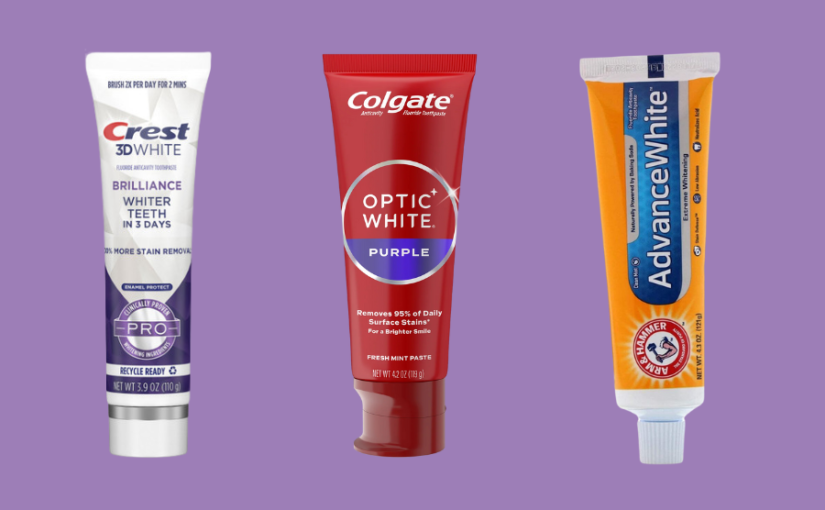
Most whitening toothpastes use mild abrasives to scrub away surface stains caused by coffee, tea, or smoking. Brands like Colgate Optic White and Crest 3D White go a step further by incorporating chemical agents like hydrogen peroxide. These chemicals not only polish the teeth but also slightly penetrate the enamel to break down stains. On the other hand, brands like Sensodyne True White focus on providing a gentler whitening experience, catering to those with sensitive teeth by minimizing abrasive content.

You might notice that some brands claim to “whiten teeth by several shades” in just a few weeks. While these claims are partly true, it’s important to understand the limitations. Whitening toothpastes primarily address surface stains and don’t change the natural color of your teeth or address deeper stains. If you’re looking for dramatic results, you may need to consider professional treatments or whitening kits with your dental professionals at Eggert Family Dentistry.

The effectiveness of whitening toothpastes also depends on how consistently you use them. With twice-daily brushing, you may start to see noticeable improvements in two to six weeks. However, the results are typically temporary. Surface stains can reappear if you continue consuming staining foods and drinks. To maintain your results, you’ll need to keep using the toothpaste or combine it with other whitening methods.

Are these toothpastes safe for everyday use? For most people, the answer is yes. However, overuse can lead to enamel erosion or increased sensitivity. That’s why it’s essential to follow the product’s guidelines and consult Dr. Elizabeth or Dr. Jeff Eggert if you have concerns. Some brands, like Arm & Hammer Advance White, incorporate baking soda to provide a milder, low-abrasion option for regular use.

Choosing the right whitening toothpaste depends on your individual needs and goals. If you’re seeking gentle care for sensitive teeth, a product like Sensodyne might be your best bet. For those aiming for quicker results, a toothpaste with hydrogen peroxide, like Colgate Optic White, could be more effective. By understanding how these products work and setting realistic expectations, you can achieve a brighter smile while protecting your oral health.

Do you have more questions? The team at Eggert Family Dentistry in North Oaks, MN is here to help!  We look forward to seeing you soon for your first 2025 recare appointment. Call us today and get you and your family scheduled! 651.482.8412.