How to Floss Properly and Why It Matters

By: Dr. Elizabeth Eggert

When it comes to keeping your mouth healthy, brushing alone isn’t enough – you also need to floss daily. Flossing helps remove plaque and food debris between your teeth, in places your toothbrush simply can’t reach. To floss properly, start with about 18 inches of string floss. Wrap most of it around your middle fingers, leaving a short section to work with. Gently slide the floss between your teeth using your thumb and forefinger to guide the floss in a back-and-forth motion, then curve it into a “C” shape against one tooth. Carefully move the floss up and down, making sure it goes just under the gumline. Repeat this process for each tooth, using a clean section of floss as you go.

Why String Floss Stands Out

String floss remains the gold standard for cleaning between your teeth. It’s effective at removing plaque when used correctly, and it gives you full control over pressure and placement. At Eggert Family Dentistry in North Oaks, MN, Dr. Jeff Eggert and Dr. Elizabeth Eggert often find that patients who use a woven type of string floss have lower plaque levels compared to those who use other products. For years, one of our favorite woven flosses was unavailable, but we’re happy to share that it’s back! You can once again find Reach Ultraclean Gentle Gum Care woven floss on Amazon, and it’s available at a reasonable price – it’s back by popular demand.

Flossing Alternatives: Water Flossers

Many people turn to flossing alternatives such as water flossers. These devices use a steady stream of water to clean between teeth and along the gumline. The main advantage is that they’re easy to use, especially if you have braces, implants, or bridges. They can also feel gentler for sensitive gums. However, water flossers don’t scrape plaque from the sides of your teeth as effectively as string floss. They are a helpful supplement, but they shouldn’t replace traditional flossing altogether.

Floss Picks and Interdental Brushes

Floss picks and interdental brushes are other popular alternatives. Floss picks are convenient and portable, making them great for on-the-go use. The drawback is that they don’t allow you to curve the floss properly around each tooth, so you may not get the same thorough clean. Interdental brushes, on the other hand, are especially effective for cleaning larger spaces or around orthodontic appliances. The downside is that they’re not always practical for tight contacts between teeth. Both tools can be helpful additions, but neither fully matches the effectiveness of string floss when it comes to daily plaque removal.

Finding What Works Best for You

Ultimately, the best flossing method is the one you’ll use consistently. At Eggert Family Dentistry, we’re always happy to review flossing techniques with you at your next recare visit and help you find the right product for your unique needs. Whether you prefer classic woven floss, a water flosser, or an interdental brush, the key is making flossing part of your daily routine. With the return of Reach Ultraclean Gentle Gum Care woven floss, you now have another excellent option to keep your smile healthy and your gums strong. Call us today for your next appointment – 651.492.8412.

Images courtesy of Vectorstock.com

Scaling and Root Planing:
 A Deeper Clean for Better Health

By: Dr. Elizabeth Eggert

If you visit our office regularly, you’re already educated about the threat of gum disease. We make it a priority to teach our patients how to care for their teeth and prevent its harmful effects. Unfortunately, it can sometimes develop despite our best efforts, and when it does, Dr. Elizabeth Eggert and Dr. Jeff Eggert of Eggert Family Dentistry in North Oaks, MN address it directly.

In this article, we’ll provide a concise overview of gum disease, also known as periodontal disease, and explain how scaling and root planing can help stop—and in some cases even reverse—its effects before it leads to tooth loss or other systemic health issues.

Understanding Gum Disease

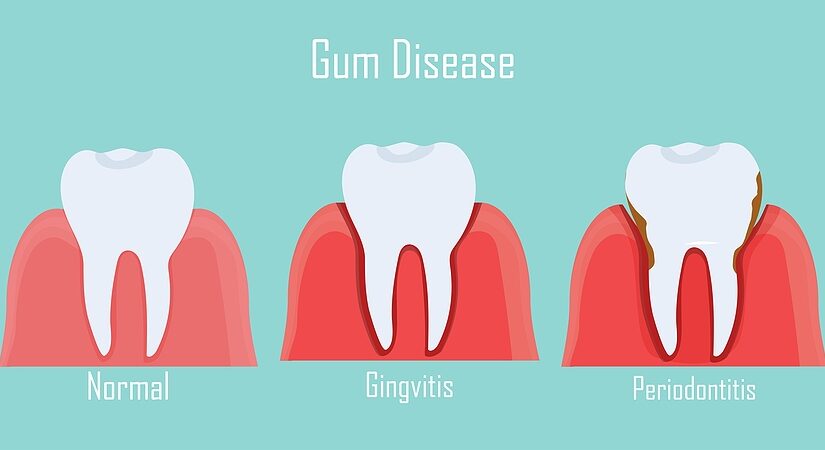
Gum disease is an infection of the tissues that support your teeth, typically starting as gingivitis—the mild, reversible stage marked by red, swollen gums that may bleed easily. Without treatment, it can progress to a more serious form of periodontal disease, often referred to as periodontitis, where the infection damages the bone and connective tissue, leading to gum recession, loose teeth, and often tooth loss.

Gum disease develops when plaque—a sticky film of bacteria—builds up on teeth and hardens into tartar, irritating the gums and causing inflammation. Common signs include bleeding gums, bad breath, swollen or tender gums, receding gums, and shifting teeth. Good oral hygiene at home and regular dental visits are key to preventing and treating gum disease.

What Is Scaling and Root Planing?

Scaling and root planing is a deep-cleaning treatment used to address gum disease. Scaling involves removing plaque and tartar from both above and below the gum line, where regular brushing, flossing, and routine dental cleanings can’t reach. Root planing smooths the surfaces of the tooth roots, making it harder for bacteria to cling and helping the gums heal and reattach to the teeth.

Dr. Elizabeth Eggert and Dr. Jeff Eggert typically recommend this procedure when gum disease has advanced beyond gingivitis and deep pockets have formed between the gums and teeth. Unlike a routine cleaning, which focuses on the visible surfaces of teeth, scaling and root planing targets the deeper areas where infection has taken hold, especially below the gum line, helping to stop disease progression and protect your smile.

The Benefits of Scaling and Root Planing

Scaling and root planing delivers lasting benefits that protect your gums, teeth, and overall oral health. By targeting the bacteria and tartar that contribute to gum disease, this treatment can improve healing, prevent further damage, and support a healthier mouth.

Key benefits include:

  • Halting the progression of gum disease by removing plaque and tartar from deep beneath the gums
  • Reducing inflammation and bleeding, allowing gums to heal and stay healthy
  • Helping prevent tooth loss by stopping the infection that can loosen teeth
  • Supporting bone and gum tissue regeneration, promoting recovery of oral structures
  • Improving breath and overall oral hygiene by eliminating bacteria and plaque buildup

What to Expect from Scaling and Root Planing

Scaling and root planing is typically done over one or more visits, depending on the extent of the gum disease. During the procedure, the magnificent hygienists at Eggert Family Dentistry will use specialized instruments to carefully remove plaque and tartar from above and below the gum line. Then they will smooth the tooth roots to help the gums reattach. Often both a water treatment, using a Cavitron, and hand instrumentation is used. A local anesthetic is generally used to ensure your comfort throughout the treatment.

After the procedure, proper healing and maintenance are essential. Our patients are encouraged to continue diligent oral hygiene at home—brushing, flossing, and using antimicrobial rinses, as recommended. Follow-up appointments allow our team to monitor your progress and, in some cases, prescribe antibiotics to support healing. At Eggert Family Dentistry, patient comfort and personalized care are a top priority, ensuring each visit is as gentle and effective as possible.

Addressing gum disease early on is one key to protecting your teeth, gums, and overall oral health, and advanced treatments like scaling and root planing can make a significant difference in halting its progression and promoting healing.

During routine recare visits, we can spot potential issues early—before they become serious. If you’re experiencing symptoms of gum disease or want to learn more about how scaling and root planing can support your oral health, give Eggert Family Dentistry a call at 651.482.8412 to set up an appointment!

What Gingival Inflammation Means to Your Whole Body

By: Dr. Elizabeth Eggert

Inflammation is your body’s natural response to injury or infection, but when it becomes chronic, it can lead to serious health complications—including those affecting your gums. Whole-body inflammation often manifests in the gingival tissues as redness, swelling, and bleeding. Unfortunately, this is a “silent disease” because often during the early stages of the disease, there is no pain. This is unfortunate because many people then overlook it until it has progressed to a more serious stage. Your oral health is deeply connected to your overall well-being, making it essential to recognize the early warning signs and take action.

When systemic inflammation affects your gums, you may notice tenderness, persistent bad breath, gum recession, or increased tooth sensitivity. These symptoms are often indicators of underlying conditions such as cardiovascular disease, diabetes, or autoimmune disorders, which are all linked to chronic inflammation. Even if you don’t experience pain, your gums may still be at risk. Regular dental checkups can help detect subtle changes in your oral tissues before they escalate into severe periodontal disease.

At Eggert Family Dentistry in North Oaks, MN, Dr. Elizabeth Eggert and Dr. Jeff Eggert, along with our skilled team of hygienists – Lea, Cassie, Emily, and Lisa, are trained to identify early signs of inflammation in your gingival tissues. We assess your gum health during routine exams, looking for telltale signs such as puffiness, discoloration, and excessive plaque buildup. By addressing these symptoms early, we can help you manage inflammation and prevent long-term damage to your gums and overall health.

One of the best ways to combat gum inflammation is by adopting a proactive oral hygiene routine. Brushing twice a day with a soft-bristled toothbrush, flossing daily, and using an antimicrobial mouthwash can help reduce bacterial buildup and prevent your immune system from overreacting. Additionally, maintaining a balanced diet rich in anti-inflammatory foods, such as leafy greens, fatty fish, and nuts, can support your body’s natural defenses against chronic inflammation.

Beyond oral hygiene, lifestyle choices play a crucial role in managing inflammation. Stress reduction techniques, such as mindfulness and regular exercise, can lower levels of inflammatory markers in your body. Staying hydrated and avoiding smoking or excessive alcohol consumption can also help keep inflammation in check. If you have underlying health conditions that contribute to chronic inflammation, working with your medical providers as well as us at Eggert Family Dentistry will help manage them and will further protect your gums and overall health.

Your dental team at Eggert Family Dentistry is committed to helping you recognize and address gum inflammation before it leads to serious complications. Through regular professional cleanings, personalized care plans, and patient education, we empower you to take control of your oral and systemic health. By staying vigilant and proactive, you can reduce inflammation, protect your gums, and improve your overall quality of life. Call us today for your next appointment!  651-482-8412

The Surprising Ways Oral Health Influences Inflammatory Diseases

By: Dr. Elizabeth Eggert

You know oral health is important, but what you may not realize is that oral health impacts overall wellness. Many studies link poor oral health to serious systemic issues, including diabetes and heart disease. The culprits? Harmful bacteria and inflammation. Let’s take a closer look!

The Oral-Systemic Connection

Poor dietary and lifestyle habits, preexisting health conditions, dry mouth, or infrequent dental care can cause harmful bacteria to build up in a person’s mouth. When these bacteria are allowed to persist, they easily infect gums, often leading to gum disease, also known as periodontitis. From that point, they can seep into the bloodstream and affect other parts of the body.

Anytime your body perceives a threat, it will begin an inflammatory process to protect that part of the body and promote healing. In the case of an injury, for example, the body rushes white blood cells to the site of an injury to protect it and promote healing. With chronic inflammation, however, white blood cells perceive a constant threat over time, often sending white blood cells into nearby organs and systems. This can harm surrounding tissues and damage organs.

When harmful bacteria lodge in the gums, an inflammatory process begins. When these bacteria move through your bloodstream into other parts of your body, inflammation follows.

Thus, what begins as oral negligence can result in inflammatory diseases throughout the body.

Key Inflammatory Diseases Linked to Oral Health

Diabetes: Diabetes is a common inflammatory disease that can be linked to oral health…and it’s a two-way street.

People with Type 1 and Type 2 diabetes are at a higher risk for gum disease. That’s because higher glucose levels in the body mean higher glucose levels in the mouth. Elevated sugar levels in the mouth make it a more habitable place for harmful bacteria to grow and thrive, often leading to periodontal disease.

In another scenario, poor oral care can lead to periodontal disease, causing elevated blood sugar, contributing to insulin resistance, and leading to the development of diabetes or making diabetes more difficult to control.

Heart Disease: Heart disease is another inflammatory disease that can result from untreated gum disease. In fact, periodontitis increases a person’s risk for cardiovascular disease by 20%.

It all begins when harmful bacteria enter the bloodstream through inflamed gums and cause plaque to build up on the artery walls. When this plaque builds up, the artery walls narrow, restricting blood flow. This scenario puts a person at a higher risk of a heart attack or stroke. Bacteria can also build up on the heart valves, resulting in endocarditis.

Alzheimer’s Disease: Gum disease results in the formation of the bacteria porphyromonas gingivalis. These bacteria produce a toxic enzyme known as gingipains. Gingipains contribute to the buildup of beta-amyloid plaques, a hallmark of Alzheimer’s disease. When gingipains migrate to the brain, they can damage nerve cells essential for memory, leading to memory loss and, over time, Alzheimer’s disease.

Preventative Care to Protect Your Health

While the thought of oral health issues going systemic might make you nervous, prevention starts with simple steps that help you keep your mouth healthy!

  • Brush, floss, and swish with mouthwash daily to remove food particles before they turn into plaque, harden into tartar, and trap bacteria under the gum line, leading to gum disease. 
  • Limit the consumption of sugars and acidic foods. Avoid smoking, vaping, and other unhealthy lifestyle habits.
  • Visit Eggert Family Dentistry for routine professional cleanings. During these visits, Dr. Elizabeth Eggert and Dr. Jeff Eggert will look closely for any inflammation or early signs of gum disease. They’re equipped with the knowledge and tools to help you maintain—or reclaim—a healthy mouth!

As we approach World Oral Health Day on Thursday, March 20, we want to empower you to take charge of your oral health and for a healthier mouth, a healthier body, and a happier life! Schedule your next recare visit with Eggert Family Dentistry by calling us at 651.482.8412. 

Antibacterial Therapies & Gum Disease

By: Dr. Elizabeth Eggert

Periodontal diseases are a group of inflammatory conditions affecting the gums and teeth. They range from mild gum inflammation, known as gingivitis, to more severe forms such as periodontitis (gum disease), which can lead to tooth loss if left untreated.

The root cause of periodontal diseases is the proliferation of bacteria on the surface of the teeth, which infects the gums. While deep dental cleanings and oral surgery are key treatments to get rid of bacteria under the gums, non-surgical treatments such as antibacterial therapies are also highly effective.

The Role of Bacteria in Periodontal Diseases

Oral bacteria naturally reside in the mouth, forming a biofilm known as dental plaque. When we don’t keep up consistent oral hygiene practices, this plaque can accumulate and become a breeding ground for harmful bacteria.

These bacteria release toxins and trigger an immune response, leading to inflammation and damage to the gums and supporting structures of the teeth. If left unchecked, the bacterial infection can progress from a mild case of gingivitis to advanced periodontitis, resulting in bone loss and eventual tooth loss.

Non-Surgical Periodontal Treatments:

Non-surgical periodontal treatments aim to remove bacterial plaque and tartar, reduce inflammation, and promote the healing of gum tissues. These treatments are usually the first line of defense against periodontal diseases and may include:

  1. Scaling and Root Planing: This procedure involves the thorough removal of plaque and tartar from above and below the gumline. It helps to eliminate bacteria and smooth the tooth roots, allowing the gums to reattach to the teeth.
  2. Antibacterial Mouthwashes: Dentists may prescribe antimicrobial mouth rinses containing ingredients such as chlorhexidine. These rinses can help reduce the bacterial load in the mouth and promote healing.
  3. Local Antibiotics: In some cases, local antibiotic therapies may be applied directly to periodontal pockets under the gums to eliminate bacteria. This approach enhances the effectiveness of non-surgical treatments like scaling and root planing.

The Role of Antibacterial Therapies in Treating Periodontal Diseases

Antibacterial therapies play a crucial role in combating periodontal diseases by directly targeting the underlying bacterial infection. They can be administered two different ways: systemically and locally.

  • Locally Delivered Antibiotics: In most cases, antibiotics are applied directly to the affected areas in the form of topical gels or powders. These topical treatments can be placed into periodontal pockets, localizing the effects of the medication. This approach is usually completed immediately after scaling and root planing procedures.
  • Systemic Antibiotics: In severe cases of periodontal diseases, where the bacterial infection has spread extensively, systemic antibiotics may be prescribed for a longer period than average at a low dose. This can enhance the success of deep cleaning procedures. These antibiotics are taken orally and circulate throughout the body to combat bacterial infections.

Think You Need Antibacterial Therapies for Periodontitis?

Non-surgical periodontal treatments, coupled with antibacterial therapies, can help control bacterial infections, reduce inflammation, and promote gum tissue healing. If you think you might require antibiotics to treat periodontitis, come into Eggert Family Dentistry and consult with Dr. Jeff Eggert or Dr. Elizabeth Eggert.

When you schedule an appointment with us, we can assess the severity of the disease and determine whether topical or oral antibacterial therapies are needed. We’ll be able to provide personalized treatment recommendations based on your unique oral health situation. Call us today at 651-482-8412 to schedule an appointment!

Scaling and Root Planing vs. a Regular Teeth Cleaning: What’s the Difference?

By: Dr. Elizabeth Eggert

During a routine recare visit, you may have felt the dental hygienist using instruments to remove plaque and calculus from your teeth and wondered if they were performing a periodontal scaling and root planing  procedure. The answer is no — periodontal scaling and root planing and a “regular” professional teeth cleaning are very different from each other.

Our patients come in for regular recare appointments as recommended, usually every 3 or 6 months. Your recommended interval may be different from your neighbor’s. During these recare appointments, our marvelous hygienists remove plaque and tartar build-up on the surfaces of the teeth. But, when our patients have signs or symptoms of gum disease (periodontitis), they often need a more detailed and deep cleaning called periodontal scaling and root planing.

Let’s take a deeper look at what you can expect from a routine teeth cleaning vs. a scaling and root planing procedure.

Professional Recare and Teeth Cleaning

What’s Involved?

During a routine teeth cleaning, a dental hygienist will remove any plaque and tartar from your teeth. Once the tartar and plaque are cleared away, your teeth will be cleaned and polished with a highly defined polishing toothpaste, and flossed. Additionally, x-rays may be taken if needed and Dr. Jeff Eggert or Dr. Elizabeth Eggert will complete a thorough dental exam looking for signs of common oral health issues, like gingivitis, periodontal disease, tooth decay, bruxism (teeth grinding), and oral cancer. They’ll discuss your results with you, and recommend any follow-up appointments you might need. Regular recare visits and teeth cleanings are usually about an hour in length for an adult and can be completed within one appointment.

Benefits of Routine Teeth Cleaning:

  • Helps to keep your teeth and gums healthy by removing plaque and tartar.
  • Reduces the likelihood of developing tooth decay, cavities, and gum disease.
  • Improves the appearance of your teeth by removing stains caused by coffee, tea, tobacco, soda, etc.
  • Allows us to monitor your oral health and identify any potential issues early on.

Periodontal Scaling and Root Planing

What’s Involved?

Periodontal scaling and root planing is a procedure that is commonly used to treat gum disease. While the goal of this procedures is to remove plaque and tartar just like a regular dental cleaning, this procedure allows for therapy much deeper on the root surface to attack any lurking bacteria.

During Periodontal Scaling and Root Planing, dental curettes and scalers, specialized instruments, remove all the plaque and tartar from above and below the gumline, all the way down to the bottom of the pocket. A topical or local anesthetic will be applied to numb the area so that no discomfort is felt during treatment. At times, it is also helpful to use high powered water irrigating instruments like the Cavitron to smooth out the roots of your teeth to help your gums reattach to your teeth. Depending on the severity of your infection, the time needed for these procedures can vary. It is common to complete treatment on one half of the mouth per session.

Benefits of Scaling and Root Planing:

  • Helps to control the progression of gum disease by removing the source of infection.
  • Reduces gum inflammation and promotes healing of the gum tissue.
  • Helps reduce the depth of periodontal pockets, which are spaces that form between the teeth and gums due to gum disease.
  • Prevents tooth loss and maintains overall oral health.

Schedule Your Routine Dental Cleaning Today!

Both regular teeth cleanings and scaling and root planing have their unique purposes and benefits, so be sure to consult with Dr. Elizabeth Eggert or Dr. Jeff Eggert for personalized oral care recommendations. When you come into Eggert Family Dentistry for a routine dental cleaning, we will be able to conduct an oral exam and recommend the appropriate procedures based on your unique oral health needs. Remember, regular dental recare visits and good oral hygiene habits are essential for a healthy smile! Call us at 651-482-8412 to book an appointment today!

Worried About Periodontal Disease? Don’t Skip Your Regular Dental Check-ups!

By: Dr. Elizabeth Eggert

If your at-home regimen is the “key” to healthy teeth and gums, regular dental check-ups are the lock — you need both to ensure that your teeth and gums are being properly cared for.

At Eggert Family Dentistry, we encourage all of our patients to come in for regular dental check-ups. Not only do regular check-ups keep our patients’ teeth clean, they also allow us to monitor our patients for any signs of serious dental problems, such as periodontal disease.

Let’s take a look at how regular dental check-ups play a crucial role in preventing and managing gum disease.

Understanding Periodontal Disease and Inflammatory Diseases

Periodontal Disease (commonly called gum disease) is loss of bone support for the tooth. This usually starts as inflammation of gum tissue and is caused by bacterial growth around the tooth, often along and under the gum line. According to the CDC, 47.2% of adults aged 30 years and older have some form of periodontal disease.

In its early stage (AKA gingivitis) the gums can become swollen and red, and they may bleed. In its more serious form, called periodontitis, the gums can pull away from the tooth, bone is lost, and the teeth may loosen or even fall out.

There are four stages of Periodontal Disease:

Stage 1: Gingivitis, indicated by red or inflamed gums that may bleed during brushing.

Stage 2: Early periodontitis, in which the bone supporting the teeth shows slight loss of bone mass. Other symptoms may not be apparent.

Stage 3: Moderate periodontitis, in which bone around the teeth and gum tissue are damaged and teeth may start loosening.

Stage 4: Advanced periodontitis, in which symptoms are more severe, teeth may be very loose and biting and chewing can be painful. At this stage, it may prove to be difficult to save the teeth.

The best way to avoid periodontitis is to maintain healthy oral hygiene habits and to schedule regular dental check-ups at Eggert Family Dentistry. You can also reduce your likelihood of developing periodontitis by minimizing or eliminating risk factors that can lead to gum disease.

Causes and Risk Factors of Gum Disease

During a dental check up, or recare visit,, Dr. Jeff Eggert  or Dr. Elizabeth Eggert will be able to assess whether or not any risk factors are present that increase your likelihood of developing periodontitis. Risk factors of gum disease include:

Tobacco use: Smoking or chewing tobacco can significantly increase the risk of gum disease and impede the healing process.

Hormonal changes: Hormonal fluctuations during pregnancy, puberty, and menopause can make gums more susceptible to inflammation and gingivitis.

Genetic factors: Some individuals may be genetically predisposed to developing gum disease, even with proper oral hygiene practices.

Certain medications: Some medications, such as oral contraceptives, antidepressants, and certain heart medications, can increase the risk of gum disease.

Chronic illnesses: Conditions like diabetes, autoimmune disorders, and cancer weaken the immune system and make individuals more susceptible to gum disease.

Poor nutrition: A diet lacking in essential nutrients can compromise the body’s ability to fight off infections, including gum disease.

The Role of Regular Dental Check-ups

Your continued health is our main goal at Eggert Family Dentistry, and regular dental check-ups allow us to protect your oral health for the long-haul. With regular dental check-ups, we can:

  1. Determine your exposure to any risk factors and decide if any extra preventative measures are necessary to keep your teeth and gums healthy.
  2. Monitor your oral health for any signs of gum disease before it becomes more serious. We are trained to recognize the early signs of gum disease, even before symptoms become noticeable to the individual. During recare visits, we provide a thorough examination, including measuring pocket depths (spaces between teeth and gums) and evaluating gum health.  Early detection allows for timely intervention and prevents the disease from progressing further.
  3. Perform professional teeth cleaning on a consistent basis. Using specialized tools, we will remove plaque, tartar, and bacteria from above and below the gumline. This thorough cleaning helps prevent the progression of gum disease by eliminating its main causes.

Benefits of Professional Dental Cleanings

There are so many benefits of having your teeth cleaned professionally and regularly, including:

  • Preventing tooth decay and cavities. Professional dental cleanings remove plaque and tartar buildup from the teeth, stopping cavities before they start.
  • Removal of stubborn stains. Over time, teeth can accumulate stains from various sources such as coffee, tea, tobacco, or soda. Professional dental cleanings include a process called dental polishing, which helps remove these surface stains and improve the appearance of your teeth.
  • Freshening breath. Persistent bad breath, also known as halitosis, can be a result of accumulated bacteria and food particles in the mouth. Professional dental cleanings remove these, leaving your breath fresher and more pleasant.

Ready to Schedule Your Dental Recare Visit?

Take control of your oral health and enjoy the benefits of a brighter smile, fresher breath, and peace of mind knowing your dental health is in good hands. Call Eggert Family Dentistry today at 651.482.8412 to schedule a dental check-up with us. We look forward to seeing you soon!

Vaping: What Every Parent and Teen Should Know

By: Dr. Elizabeth Eggert

Most teenagers are averse to the taste and smell of cigarettes, and we’ve seen a sharp decline in cigarette use among teens in recent decades (it’s helped that smoking cigarettes has fallen “out of style”). However, the lure of smoking is still just as strong as it was in the 20th century – it just looks a little different.

E-cigarettes or “vapes” are electronic devices that heat nicotine and disperse it as an aerosol. There is no smoke or tobacco involved, so many teenagers have been led to believe that vaping isn’t as bad for you.

Regardless of whether or not they realize it, the #1 problem of vaping is still the exact same as smoking: Nicotine is one of the most addictive chemicals on the planet.

At Eggert Family Dentistry, our patient’s health and well-being are our top priority, and we are here to support you in any way we can. Here’s what you and your teenager need to know about vaping.

Who’s Vaping and Why?

A 2022 study released by the U.S. Food and Drug Administration (FDA) and the U.S. Centers for Disease Control and Prevention (CDC) found that 2.55 million U.S. middle and high school students reported current e-cigarette use in 2022. That number represents 14.1% of high school students and 3.3% of middle school students.

Students vape because of three main reasons:

  1. Many teens believe vaping is less harmful than smoking.
  2. E-cigarettes have a lower per-use cost than traditional cigarettes.
  3. Youths and adults find the lack of smoke appealing. With no smell, e-cigarettes reduce some of the stigma of smoking.

It’s true that vaping is thought to be less harmful to the lungs than inhaling smoke, however, research is still being done and due to all the chemicals involved with e-cigarettes, the evidence isn’t clear.  However, if this is the reason your teen cites to defend their vaping addiction, tell them that it’s also true that knives are less harmful than guns. That said, we still wouldn’t want to be faced with either.

Additionally, nicotine as an aerosol comes with its own serious health risks — not only does the vapor contain a known pesticide, but there are hundreds of chemicals present in aerosols that have yet to be identified. We don’t yet know all the side effects and risks.

Side Effects and Dangers of Vaping

What we know for sure is that E-cigarettes contain harmful chemicals such as:

  • Formaldehyde, which is known to cause cancer.
  • Acrolein which is used as a weed killer and can cause irreversible lung damage.
  • Flavorants such as diacetyl, a chemical linked to serious lung disease.
  • Volatile organic compounds such as benzene, which is found in car exhaust.
  • Heavy metals, such as nickel, tin, and lead.
  • Nicotine, which is highly addictive and damaging to the brain.

Just like smoking, there are two sets of side effects when it comes to vaping. One category of side effects has to do with the physical act of inhaling chemicals/vapor into the lungs (vaping). The other category has to do with becoming a nicotine addict.

Side Effects of Vaping:

Because vaping is relatively new, researchers don’t yet know all the effects vaping can have on your body. What we do know, though, is alarming enough:

  • Difficulty Breathing: The particles you inhale while vaping can cause inflammation (swelling) and irritation in your lungs, making it harder to catch your breath.
  • Asthma: Vaping can make you more likely to get asthma and other lung conditions. It can also make your existing asthma worse.
  • Lung Scarring: Diacetyl, a chemical used in some flavorings, can cause bronchiolitis obliterans (“popcorn lung”). Bronchiolitis obliterans causes permanent scarring in your lungs. That means that even if someone quits vaping, the negative effects of it will be with them for the rest of their lives.

Side Effects of Being a Nicotine Addict:

Any addictive substance is going to cause harm, but nicotine addiction can be especially harmful.

  • Nicotine Dependency: When you start vaping, it only takes a few days of consistent use before your brain starts to rely on the presence of nicotine in order to feel normal. Without a constant supply, nicotine addicts go into withdrawal and feel anxious, stressed, unsettled, irritable, and fidgety.
  • Inability to Focus: Nicotine is the one of the most addictive chemicals on the planet because it enters and leaves your system quickly, which is why smokers and vapers feel the need to smoke/vape every 20 minutes or so. This makes it noticeably more difficult to focus for prolonged periods of time. Whether you’re writing an essay, taking a test, drawing a picture, relaxing with friends, or watching a movie, so long as you are still vaping, your addiction will always make you feel the need to vape.
  • Increased Anxiety: The popular belief is that smoking and vaping can calm you down. Researchers know that the exact opposite is true: Nicotine spikes your heart rate and blood pressure, which is directly responsible for increasing anxiety.
  • Other Mood Disorders: Several studies have also found that nicotine addiction during adolescence is also associated with a higher risk of developing mental and behavioral problems during adulthood, including: major depressive disorder, agoraphobia, and panic disorder.

How Vaping Affects Your Oral Health

Nicotine, whether smoked or vaped, restricts blood flow to the gums, which can contribute to gum disease. The fluid in e-cigarettes only increases the risks. Other ways that nicotine and aerosol can harm your oral health include:

  • Dry mouth: Nicotine in e-liquid inhibits saliva production which leads to dry mouth. When your mouth is dry, it’s a perfect habitat for bacteria which can lead to tooth decay.
  • Damage to soft tissue/enamel: Propylene glycol is used as a carrier ingredient in e-liquid, propylene glycol has toxic effects on soft tissue and enamel. Additionally, e-liquid flavorings when added to vegetable glycerin cause a 27% decrease in the hardness and integrity of tooth enamel.
  • Receding Gums: Continued nicotine exposure causes reduced blood flow which can cause gum tissue to die and recede, exposing more of the tooth.
  • Tooth Decay/Loss: Exposed gums leads to tooth sensitivity, an increase in cavities, and in some cases, tooth loss.

The Bottom Line

Even if you believe your child would never use e-cigarettes or vapes, it’s important to talk to your teenager about vaping. Even those teens who manage to avoid peer pressure are still going to be exposed to vaping at some point in their lives. It’s important to make sure your child is prepared with the right information to make the correct decision.

Questions About Vaping and Your Oral Health?

Vaping poses significant risks to your oral and overall health. If you or a loved one are struggling to quit vaping or have any concerns about its effects on your oral health, please don’t hesitate to reach out to us at Eggert Family Dentistry. Dr. Jeff Eggert and Dr. Elizabeth Eggert are committed to providing comprehensive dental care to our patients and are happy to answer any questions you may have. Give us a call at 651-482-8412 to schedule an appointment today, or to learn more about how we can help you and your teen maintain a healthy, beautiful smile.

What Are the Long-Term Effects of Drug Abuse on Dental Health?

By: Dr. Elizabeth Eggert

Drug and alcohol abuse have been on the rise in the last few years, and those numbers increased even more during the pandemic. Numbers from the CDC suggest that more than 10% of Americans over the age of 12 have abused illegal drugs in the last month. In addition, 24% of American adults had at least one episode of heavy drinking in the last year.

Unfortunately, drug and alcohol abuse can cause numerous dental health problems, including:

Enamel Breakdown and Mouth Sores from Drug and Alcohol Abuse

One of the most common impacts of drug abuse on dental health is enamel breakdown. Because cocaine and many other drugs are highly acidic, they can break down the enamel on teeth. Cocaine is especially damaging when it is smoked or when people use powdered cocaine in their mouths to be absorbed through their gums. This can lead to mouth sores, which can get infected.

Cocaine can also cause injuries in the mouth when it is snorted. The tissues in the upper palate are weakened, which can cause a hole to form between the nose and the mouth.

Essentially all alcoholic beverages are acidic, with some having a higher pH level than others. Wine is especially acidic and seeing tooth erosion in wine drinkers is very common. So many mixed drinks also contain mixers like juices and sodas, all of which have high levels of acidity and can cause damage to tooth enamel.

Another negative dental health consequence from drug abuse is called transient chorea. This causes muscle spasms in the jaw and mouth, which can make people grind their teeth. When people grind their teeth too much, it weakens the tooth enamel and causes the teeth to crack.

Drug Abuse Can Make Teeth Rot

Tooth rot is so common from meth use that the condition is known as “meth mouth.” Black and brown holes form all over the teeth due to decay. Meth kills blood vessels, which causes problems in the gums. Meth also makes the mouth feel dry. And without saliva, the enamel on the teeth is much more subject to the harmful bacteria that causes tooth decay.

Bad Dental Hygiene from Drug and Alcohol Abuse

When people abuse drugs and alcohol, their dental health suffers. The drugs and alcohol themselves are hard on people’s teeth. However, another side effect of the abuse is neglecting basic dental hygiene.

When people use drugs and alcohol, they often forget to take care of their basic dental needs – such as brushing, flossing, and using mouth wash. Finally, some drugs, such as meth, make people crave sugary foods and drinks, which are hard on your teeth. This combination makes it hard to keep your mouth healthy.

A No-Judgment Appointment to Discuss the Effects of Drug and Alcohol Abuse on Your Dental Health

If you’re concerned about the impact drugs or alcohol are having on your oral health, contact Dr. Elizabeth or Dr. Jeff for a no-judgement appointment. Call our office at 651-482-8412 to schedule your appointment.

Causes and Treatment of Gum Recession

By: Dr. Elizabeth Eggert

Gum recession happens when the gum tissue that surrounds the teeth wears away, or pulls back, and starts to show the tooth root. The first sign of gum recession you might notice is tooth sensitivity. Gum recession can also make your tooth look longer than normal or you may feel a notch on the tooth near the  gum line.

Treatment for gum recession is necessary, because otherwise the trend is likely to continue, and the supporting tissue and bone structure of the teeth may suffer damage.

What Causes Gum Recession?

Many things can cause your gums to recede, including:

Periodontal disease: Periodontal disease is when bacteria causes an infection and the gum tissue and bone surrounding the teeth are damaged.

Poor dental hygiene: Inadequate brushing, flossing, and rinsing helps plaque to turn into calculus (tartar), which can promote gum recession.

Aggressive tooth brushing: Brushing your teeth too hard or the wrong way can wear away the gums and cause your gums to recede.

Tobacco: Tobacco use causes a sticky plaque to adhere to the teeth. It’s difficult to remove and can cause gum recession.

Teeth grinding and clenching: The excess force of clenching or grinding teeth can make gums recede because of the extra flexure the tooth is subjected to.

Genetics: Some people, as many as 30% of the population, have a genetic vulnerability to periodontal disease, which is a known cause for gum recession.

Hormonal changes: The normal fluctuations in hormone levels which women experience can increase gum sensitivity, making them more vulnerable to gum recession.

Misaligned bite: When teeth come together unevenly, it can place too much force on the gums and bone, promoting gum recession.

Lip or tongue piercing: Friction from jewelry in the mouth can cause gum tissue to erode.

Treatment for Gum Recession

Dr. Elizabeth or Dr. Jeff will have ideas about the right procedure to treat gum recession based on your needs.

For minor gum recession, they may be able to treat it by deep cleaning the affected area. This process is also called scaling and root planning. The treatment involves removing the bacteria surrounding the tooth in the plaque and tartar, including on the root surfaces below the gum line. This procedure can also have additional success if a localized antibiotic is used to kill remaining bacteria and discourage harmful bacteria from re-populating.

When gum recession is more advanced, surgical options are available.

Preventing Gum Recession

Prevention entails the usual steps to improve dental and overall health. Brush and floss daily and come in for regular checkups. Brush with a soft-bristled toothbrush and with proper technique. Dr. Elizabeth, Dr. Jeff, and all the hygienists at Eggert Family Dentistry can help you with this. In addition, there are many options for correcting misaligned bites, quitting tobacco use, and eating a healthy, balanced diet. Call us today at 651.482.8412 to talk about your gum recession issues.