Healing After Oral Surgery: What To Expect and How To Speed Up Recovery

By: Dr. Elizabeth Eggert

Oral and maxillofacial surgery can help correct disease, injury, or defects in the hard and soft tissues. But for proper healing and lasting results, a successful recovery from surgery is essential.

Here, we’re sharing some practical tips for healing after oral surgery—including pain management, diet, and oral hygiene—to help you have a smooth recovery.

What To Expect When Healing From Oral Surgery

Within the first few days after surgery, you can expect to experience some or all of the following:

  • Intermittent bleeding and oozing from the surgical site for up to 24 hours (possibly longer if you are taking blood thinning medication).
  • Pain or discomfort. It’s normal to feel more soreness on day two or three after surgery than on the day of surgery itself. In most cases, pain should reach its peak within 48-72 hours, then gradually begin to improve.
  • Nausea. Pain medications may cause nausea. Taking them with food and sipping on carbonated beverages can help.
  • Swelling at or near the surgical site. This can last for several days—swelling typically peaks around the 48-hour mark, then begins to improve.

If you experience these symptoms within the timeframes listed, please know that this is normal and should improve as you heal. Keep reading for tips to manage these symptoms, as well as  what symptoms to watch for that could indicate a need to contact Eggert Family Dentistry.

Pain Management and Swelling Control

Most oral and maxillofacial surgery will be accompanied by some pain or discomfort. In many cases, some form of pain reliever will be prescribed or recommended during your recovery period.

This could be an over-the-counter medication like ibuprofen, acetaminophen, or aspirin; or a prescribed stronger pain medication. In either case, make sure to follow the instructions from our office for how much medication to take, and when and how long to take it. Note that it is rare that we would prescribe a narcotic medication, however, if prescribed, this medication will cause impaired judgment and reflexes, so you will need to avoid driving or operating other heavy machinery while you’re taking it.

Swelling is another part of the body’s normal reaction to oral surgery. It should gradually decrease within five days. In the meantime, keeping your head elevated with extra pillows when lying down can help minimize swelling. You can also apply ice packs or cold compresses to your face during the first 48-72 hours (30 minutes on/30 minutes off). After that point, a warm compress (30 minutes on/30 minutes off) can be used until the swelling subsides.

Smart Eating: Post-Surgery Diet Tips

While it may be more difficult to eat after surgery, eating regular nutritious meals will give your body the fuel it needs to recover.

For the first 24 hours, stick to cool or room-temperature liquids and soft foods, such as:

  • Ginger ale, milk, or other cool beverages
  • Milkshakes or Protein shakes
  • Mashed potatoes (cooled)
  • Soup (cooled)
  • Oatmeal (cooled)
  • Yogurt or Jell-O®  (without fruit pieces)
  • Ice cream, sherbet, or frozen yogurt (without fruit, nuts, or other hard or chewy pieces)
  • Apple sauce or other pureed food

This is not an exhaustive list—it’s just meant to give you an idea of what kinds of foods are best. Stick to cool or room temperature beverages and foods until all numbness wears off. In addition, avoid foods that contain nuts, seeds, rice, corn, or chips, as well as those that are hot, spicy, tough, or chewy.

When chewing, chew softly and away from your surgical site. Make sure you’re also drinking plenty of water to stay hydrated. After the first 24 hours, you can gradually begin to add in more solid foods and warmed foods and beverages.

Dental Hygiene While Healing After Oral Surgery

Maintaining good dental care while recovering from oral surgery will help you avoid infection and ensure your surgery site heals properly.

On the day of surgery, you will likely have gauze pads in your mouth to help stop the bleeding. Change these gauze pads regularly until the bleeding stops or slows to a minimum. The day after surgery, gently rinse your mouth with warm salt water three or four times per day for a couple of days. You should also start gently brushing your teeth with a manual toothbrush beginning the day after surgery, taking care to avoid the surgery site.

Note: The dental care instructions you receive may vary depending on the type of surgery. Make sure to always follow the instructions given by Dr. Elizabeth Eggert or Dr. Jeff Eggert.

Tips for a Speedy Recovery

While recovery from oral surgery will take time, there are a few simple things you can do to ease pain and swelling, prevent infection, and speed up your recovery time.

  1. Rest. This is one of the most important elements of recovery. Your body is working hard to heal itself, so you need to support it with plenty of rest. Try to take it easy for at least the first 48-72 hours.
  2. Take medication as directed. If we prescribe a pain reliever, antibiotics, or anti-nausea medication, take it as directed, for as long as directed.
  3. Keep your head elevated. For the first day or two, keep your head slightly elevated when you’re lying down to help reduce pain, swelling, and bleeding.
  4. Use cold and warm compresses. For the first 48-72 hours, apply an ice pack or cold compress to your face near the surgical site for about 30 minutes at a time to help bring down swelling. If you develop bruising within the few days after surgery, applying a warm compress can help speed up the healing process.
  5. Avoid heavy lifting, pushing, pulling, and exercising for at least a week after surgery.
  6. Don’t use a straw and don’t spit for a week after surgery, as these actions may disrupt the blood clot in the surgical site and cause bleeding.
  7. Avoid smoking and alcohol for a week after surgery. Smoking restricts blood flow, and alcohol can conflict with your medication. Both will delay healing.
  8. Attend all your follow-up appointments and follow all instructions given to you after your surgery to ensure you heal well and avoid complications.

When To Contact Eggert Family Dentistry

As you heal after your oral surgery, there are a few symptoms you should watch for that could indicate a problem:

  • Persistent pain, swelling, or nausea that lasts longer than your post-op instructions state
  • Pain that radiates to other areas of the jaw, teeth, or ear. This could indicate a dry socket (loss of the blood clot in the surgical site) and needs to be addressed
  • Fever or pus. This could signify an infection
  • Heavy bleeding or bleeding that continues for more than 24 hours
  • Rash, itching, or trouble swallowing or breathing. This could indicate an allergic reaction to your anesthetic or your antibiotics

If you experience any of these symptoms, contact Eggert Family Dentistry right away. Prompt care can prevent any complications and get you back on the road to recovery.

If you have an upcoming oral surgery or questions about recovery, don’t hesitate to reach out to our team at Eggert Family Dentistry. We’re here to help you heal comfortably—and get back to your best smile!

Scaling and Root Planing:
 A Deeper Clean for Better Health

By: Dr. Elizabeth Eggert

If you visit our office regularly, you’re already educated about the threat of gum disease. We make it a priority to teach our patients how to care for their teeth and prevent its harmful effects. Unfortunately, it can sometimes develop despite our best efforts, and when it does, Dr. Elizabeth Eggert and Dr. Jeff Eggert of Eggert Family Dentistry in North Oaks, MN address it directly.

In this article, we’ll provide a concise overview of gum disease, also known as periodontal disease, and explain how scaling and root planing can help stop—and in some cases even reverse—its effects before it leads to tooth loss or other systemic health issues.

Understanding Gum Disease

Gum disease is an infection of the tissues that support your teeth, typically starting as gingivitis—the mild, reversible stage marked by red, swollen gums that may bleed easily. Without treatment, it can progress to a more serious form of periodontal disease, often referred to as periodontitis, where the infection damages the bone and connective tissue, leading to gum recession, loose teeth, and often tooth loss.

Gum disease develops when plaque—a sticky film of bacteria—builds up on teeth and hardens into tartar, irritating the gums and causing inflammation. Common signs include bleeding gums, bad breath, swollen or tender gums, receding gums, and shifting teeth. Good oral hygiene at home and regular dental visits are key to preventing and treating gum disease.

What Is Scaling and Root Planing?

Scaling and root planing is a deep-cleaning treatment used to address gum disease. Scaling involves removing plaque and tartar from both above and below the gum line, where regular brushing, flossing, and routine dental cleanings can’t reach. Root planing smooths the surfaces of the tooth roots, making it harder for bacteria to cling and helping the gums heal and reattach to the teeth.

Dr. Elizabeth Eggert and Dr. Jeff Eggert typically recommend this procedure when gum disease has advanced beyond gingivitis and deep pockets have formed between the gums and teeth. Unlike a routine cleaning, which focuses on the visible surfaces of teeth, scaling and root planing targets the deeper areas where infection has taken hold, especially below the gum line, helping to stop disease progression and protect your smile.

The Benefits of Scaling and Root Planing

Scaling and root planing delivers lasting benefits that protect your gums, teeth, and overall oral health. By targeting the bacteria and tartar that contribute to gum disease, this treatment can improve healing, prevent further damage, and support a healthier mouth.

Key benefits include:

  • Halting the progression of gum disease by removing plaque and tartar from deep beneath the gums
  • Reducing inflammation and bleeding, allowing gums to heal and stay healthy
  • Helping prevent tooth loss by stopping the infection that can loosen teeth
  • Supporting bone and gum tissue regeneration, promoting recovery of oral structures
  • Improving breath and overall oral hygiene by eliminating bacteria and plaque buildup

What to Expect from Scaling and Root Planing

Scaling and root planing is typically done over one or more visits, depending on the extent of the gum disease. During the procedure, the magnificent hygienists at Eggert Family Dentistry will use specialized instruments to carefully remove plaque and tartar from above and below the gum line. Then they will smooth the tooth roots to help the gums reattach. Often both a water treatment, using a Cavitron, and hand instrumentation is used. A local anesthetic is generally used to ensure your comfort throughout the treatment.

After the procedure, proper healing and maintenance are essential. Our patients are encouraged to continue diligent oral hygiene at home—brushing, flossing, and using antimicrobial rinses, as recommended. Follow-up appointments allow our team to monitor your progress and, in some cases, prescribe antibiotics to support healing. At Eggert Family Dentistry, patient comfort and personalized care are a top priority, ensuring each visit is as gentle and effective as possible.

Addressing gum disease early on is one key to protecting your teeth, gums, and overall oral health, and advanced treatments like scaling and root planing can make a significant difference in halting its progression and promoting healing.

During routine recare visits, we can spot potential issues early—before they become serious. If you’re experiencing symptoms of gum disease or want to learn more about how scaling and root planing can support your oral health, give Eggert Family Dentistry a call at 651.482.8412 to set up an appointment!

How Dental Insurance Works, Common Coverage Gaps, and Why Dental Procedures Are Worth the Investment

By: Dr. Elizabeth Eggert

Dental insurance can be a valuable tool in helping you manage the cost of maintaining a healthy smile. However, many patients are surprised to learn that dental insurance doesn’t always cover the full cost—or in some cases, any of the cost—of the treatments recommended by Dr. Elizabeth Eggert or Dr. Jeff Eggert of Eggert Family Dentistry. Understanding how dental insurance works, where coverage gaps occur, and why it’s worth investing in procedures not covered by your plan can help you make informed, confident decisions about your oral health.

How Dental Insurance Plans Work

Unlike medical insurance, dental insurance is designed more as a benefit than a comprehensive health care plan. Most dental plans follow a cost-sharing model between the insurer and patient, which includes deductibles, copays, annual maximums, and coinsurance.

  • Deductible: A deductible is the amount you must pay out of pocket before your insurance begins covering costs. Preventive services like cleanings and exams often don’t require a deductible. But, unfortunately in this changing market, some new plans WILL require deductibles before they provide any benefits.
  • Copay: A copay is a predetermined dollar amount that patients must pay upfront for a medical or dental service. These can vary depending on the type of service you receive.
  • Annual Maximum: Most plans cap how much they’ll pay per year—commonly around $1,000–$1,500. Once you reach that limit, you pay for additional treatments out of pocket.
  • Coinsurance: After meeting your deductible, you typically share in the cost of treatments. For example, your plan might cover 80% of a procedure, leaving you responsible for the remaining 20%.

At Eggert Family Dentistry, we do a lot to help you understand your insurance plan and how these terms apply to you. However, we always need you to understand that we have nothing to do with the makeup of your plan, we do not  determine your coverage, and we cannot do anything to “make your insurance company pay.” Your plan is decided by the agreement between your employer and the insurance provider, or by the plan you purchase individually. As always, Dr. Elizabeth Eggert and Dr. Jeff Eggert may recommend a procedure because it’s best for your health, but that does not necessarily mean that you will have benefits from your insurance company for the procedure and your insurance may not agree to pay for it for you.

Why Doesn’t Insurance Cover Everything?

Most dental plans do not cover all procedures. Typically, they provide:

  • 100% coverage for preventive care, such as exams, cleanings, and x-rays
  • 80% coverage for basic procedures, such as fillings and simple extractions
  • 50% coverage for major procedures, such as crowns, bridges, and dentures

Some procedures—such as dental implants, orthodontics, or cosmetic dentistry—may not be covered at all. Why? Insurance companies are a big business and many of them are out to maximize their profits. This means they often opt for the least expensive alternative treatment (LEAT). For example, Dr. Elizabeth Eggert or Dr. Jeff Eggert may recommend a dental implant for its durability and long-term benefits, but your plan might only cover a partial denture because it costs them less.

Other common coverage limitations include:

  • Pre-existing conditions: Your plan might not cover treatments for conditions you had before enrollment.
  • Frequency limits: Your plan may limit the number of times they will pay for a procedure, like cleanings or exams per year, even if you need more to keep your oral health in tip-top shape.
  • Downcoding: Your insurance may change the procedure to a less expensive one, and you may be responsible for the difference.
  • Bundling: Multiple procedures may be combined into one “bundle” by the insurer, reducing your benefits.

Remember: Your dental plan is a financial agreement, not a treatment guide. It’s designed to manage costs, not dictate what care you receive. The most accurate way to think of it is like a good pre-paid coupon.

What to Do if a Procedure Isn’t Covered

If Dr. Elizabeth Eggert or Dr. Jeff Eggert recommends a procedure that isn’t covered, you have a few options:

  1. Look for covered alternatives: Sometimes, there’s a less expensive procedure that may at least partially address your dental issue and is covered by insurance. However, cheaper isn’t always better. Discuss with Dr. Elizabeth Eggert or Dr. Jeff Eggert whether the alternative is a good fit for your situation.
  2. Ask us about payment options: At Eggert Family Dentistry, we want you to be able to receive the care you need. Please ask our business team about payment options, which can include credit cards or medical financing options like CareCredit, which let you spread out payments over time, often with little or no interest.
  3. Appeal insurance decisions: If a claim is denied because the procedure was deemed “not dentally necessary,” you can appeal. Kristina in our office works hard for you, appealing insurance company decisions every day. If she needs you to get involved, she’ll let you know and a phone call by you can also help move things along. Your insurance company wants to maintain a good relationship with you as you are their customer (often through your employer).

Ultimately, never skip a medically necessary procedure due to insurance limitations. Dental issues don’t resolve on their own—they worsen. Treating problems early can prevent pain, infection, and higher costs down the line.

Why Investing in Dental Procedures Is Worth It

While it’s natural to focus on cost and insurance coverage, sometimes it’s smarter—and more cost-effective—to invest in a procedure not fully covered by insurance. Here’s why:

  • Durability: Procedures like dental implants may cost more upfront but last for decades, unlike dentures or bridges that may need to be replaced.
  • Functionality: Higher-quality restorations often look, feel, and function like natural teeth, improving comfort and confidence.
  • Preventive Value: Early treatment can stop issues from escalating, saving you time, money, and discomfort later. It is also less likely that you will need to have things replaced as quickly if done right the first time!

Make Treatment Decisions Based on Your Health, Not Just on Coverage

Dental insurance is a helpful tool, but it should not be the only factor in deciding your treatment. Your oral health has lifelong impacts on your comfort, nutrition, self-confidence, and even overall health. When facing a treatment decision, talk openly with Dr. Elizabeth Eggert or Dr. Jeff Eggert about your options, insurance coverage, and financing solutions.

Do you still have questions about what your plan covers or how to afford the treatment you need? Contact our team at Eggert Family Dentistry at 651.482.8412! We’re here to help you understand your options and get the care you need to stay healthy.


Questions About Dental Veneers? Check Out Our Veneer FAQs!

By: Dr. Elizabeth Eggert

Considering dental veneers? Our veneer FAQs address the most common questions so you can feel informed and confident when exploring whether veneers are the right fit for your needs—today or in the future.

Q: What are dental veneers?

A: Dental veneers are thin, custom-made shells crafted from porcelain or composite resin that are bonded to the front of your teeth. They’re designed to enhance your smile by improving your teeth’s shape, color, and alignment.

Q. How are crowns different from veneers?

A. Crowns can be an excellent solution when you need to support a tooth and restore its integrity. Dr. Elizabeth Eggert and Dr. Jeff Eggert reshape the tooth and custom fit the crown over it like a cap or helmet. Crowns require more preparation of the natural tooth and are a good choice when needed, but if you are just changing the tooth for esthetic purposes, veneers are a great and more conservative option.

Q. Is getting veneers painful?

A. The procedure is considered minimally invasive, and most patients report little to no pain. Dr. Elizabeth Eggert and Dr. Jeff Eggert typically use a local anesthetic to reduce the likelihood of any discomfort. Your teeth may be sensitive to hot or cold for a few days, but this should resolve quickly.

Q: Am I a good candidate for veneers?

A: If you have healthy teeth and gums and are looking for a long-term solution to enhance your smile, veneers may be a great fit. At Eggert Family Dentistry, we’ll perform a comprehensive exam where we evaluate your oral health and discuss your smile goals to determine if veneers are right for you.

Q: How long do veneers last?

A: With proper care, porcelain veneers can last 10–15 years or even longer. Composite veneers have a shorter lifespan, but have a lower initial investment so some people find them to be a more affordable option. Maintaining good oral hygiene, scheduling routine dental visits, and avoiding habits like biting hard objects can help extend the life of your veneers.

Q: What is the process like for getting veneers?

A: The process usually involves three steps: consultation and planning, tooth preparation and temporary veneers, and then bonding the permanent veneers. Dr. Elizabeth Eggert and Dr. Jeff Eggert take time to understand your goals and carefully design a smile that looks natural and feels comfortable.

Q: Will getting veneers damage my natural teeth?

A: Veneers require reshaping the teeth and therefore a small amount of enamel is removed from your natural teeth to ensure a proper fit. This is irreversible, but it’s often a very minimal reduction and your teeth will still be protected by the veneer. Our team at Eggert Family Dentistry takes a conservative approach to preserve as much of your natural tooth structure as possible.

Q: Do veneers look natural?

A: Yes! Veneers are carefully crafted to match the color, shape, and translucency of natural teeth. At Eggert Family Dentistry, we customize each veneer to ensure a seamless and natural-looking result that complements your features and personality.

Q: What’s the difference between porcelain and composite veneers?

A: Porcelain veneers are stronger, more stain-resistant, and longer-lasting, while composite veneers can be placed in one appointment and start out as more budget-friendly. We’ll help you decide which material is best based on your needs and goals.

Q: Can I whiten my veneers?

A: Veneers don’t respond to whitening treatments like natural teeth do. If you’re considering whitening, we recommend doing it before getting veneers so we can match your veneers to your brightened smile.

Q. Are veneers covered by dental insurance?

A. Because veneers are considered a cosmetic procedure, they’re generally not covered by dental insurance. However, a veneer is occasionally placed to cover trauma or decay and may warrant insurance coverage. It’s best to check with your insurance company prior to pursuing veneers so you know what to expect. Also, many patients choose to use their FSAs or HSAs to offset the cost of their veneers.

Dental veneers are a minimally invasive and attractive choice that can give you a more confident smile. If you found our veneer FAQs helpful and you’d like to explore if they’re the right choice for you, give Eggert Family Dentistry a call at 651.482.8412 to set up a consultation!

3 Ways to Fix a Chipped Tooth

By: Dr. Elizabeth Eggert

A chipped tooth is no laughing matter. Depending on the severity of the break, a chipped tooth can be embarrassing and extremely painful. At Eggert Family Dentistry, we have three options for repairing a chipped tooth: bonding, veneers and crowns. Let’s take a closer look at each of these three options.

Dental Bonding
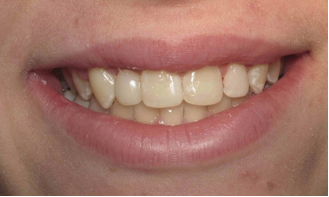
One of the biggest perks of dental bonding is the ease of the process. Dental bonding can be completed in a single appointment. Elizabeth and Dr. Jeff apply a putty-like composite resin to your tooth and then sculpt and shape it before curing and hardening the material with an intense blue light. Once polished, composite bonded restorations have a smooth and shiny finish, blending in well with the natural teeth.

Dental bonding is an effective way to repair and reshape a cracked tooth and is also used to correct gaps in teeth or cover up stains. Dental bonding usually lasts for 5-10 years and is a cost-effective solution that helps restore your natural smile.

Check out Lia’s story about her experience with dental bonding here!

Veneers
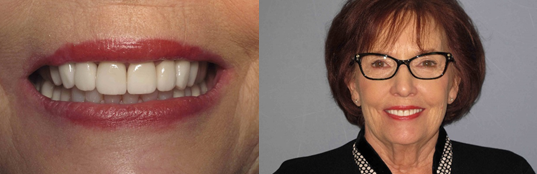
Sarah's Smile After

Veneers are a stunning option for cracked teeth as well as stained, gaping, and misaligned teeth. They consist of a thin porcelain shell that covers your existing tooth. Applying veneers is a little more labor-intensive process than dental bonding and requires 2-3 visits to complete. At your first visit, Dr. Elizabeth or Dr. Jeff will discuss the result they hope to achieve with the veneers. Then, they prepare your teeth for the custom porcelain overlay and take an impression of your prepared teeth. This impression is then sent to a dental lab where your veneers are fabricated. In the meantime, Dr. Elizabeth or Dr. Jeff will fit you with an attractive temporary solution. The veneer preparation process takes 2-3 weeks. Once your custom veneers are created, you will come back into our office where we will polish your teeth and bond your veneers in place. We work hard to make sure they feel like natural teeth and that you love the results.

Take a look at Katie’s story to learn how porcelain veneers transformed her smile!

Crowns
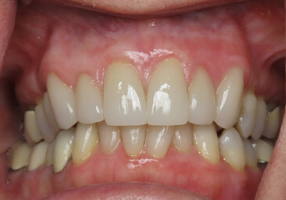
A crown is an excellent option for repairing a severely cracked or damaged tooth. Commonly made from 100% porcelain, crowns restore the integrity of a damaged tooth more than dental bonding or porcelain veneers because they “cap” or fully encompass the entire tooth. They facilitate chewing and can be color-matched to the rest of your teeth for a flawless appearance.

Creating and placing your custom crown will take 1-2 visits with Dr. Elizabeth or Dr. Jeff. A local anesthetic will ensure your comfort while your tooth is prepared for the crown. In many cases, we can take a CEREC scan of your tooth and fabricate your custom crown in our office the same day! Sometimes, however, a lab fabricated crown may still be the better choice for your situation. If that is the case, we will take an impression of your tooth and surrounding teeth and send this impression into one of our trusted labs where they will fabricate your custom crown. This process usually takes 2 weeks. In the meantime, we will fashion a temporary crown for you to wear.

When we fit your crown, we use a cement bonding agent to ensure that your crown stays securely in place. Crowns usually last 10-20 years with proper care.

Read Mary’s story to learn how crowns dramatically improved her smile!

Do you have a chipped tooth that needs to be repaired? Give us a call at 651.482.8412 to make an appointment and discuss your options!


Smile Your Way into a More Confident 2020!

As 2019 wraps up, you probably have your sights on goals for the new year. And one thing those goals require is confidence in your ability to achieve them. Is a less-than-perfect smile impacting your self-esteem and keeping you from going after things that are important to you? At Eggert Family Dentistry, we understand how crooked, decaying, chipped, discolored or missing teeth can have this effect. Fortunately, we offer many cosmetic dentistry procedures that can restore your smile…and your confidence.

Teeth whitening: Over time, teeth become stained from certain foods, beverages, medications and smoking. Eggert Family Dentistry has many great options to help restore your pearly whites. We provide professional-grade strips and whitening trays that are more effective and gentler on your teeth and gums than their over-the-counter counterparts. We also offer the Zoom and Kor Whitening procedures. Zoom is performed in a single, two-hour appointment, we apply a professional whitening gel to your teeth and activate the gel with an LED light which allows the gel to better penetrate the teeth. Kor bleaching is the most effective whitening system known and is backed by scientific research to bleach even the previously-thought-impossible-to-bleach tetracycline stained teeth.

Veneers: Porcelain dental veneers are ultra-thin porcelain shells that cover the front of teeth. Veneers dramatically transform chipped, misaligned, discolored or worn teeth. They can also be used to close unsightly gaps. Dr. Elizabeth and Dr. Jeff custom make dental veneers that compliment your skin tone, facial features and personality and feel just like your natural teeth. This process takes two or three visits and the results last for many years.

Composite Bonded Veneers: Composite bonded veneers can be completed in a single appointment. Dr. Elizabeth and Dr. Jeff apply composite resin to your tooth and cure it with intense blue light. Then they sculpt and polish the tooth for a transformational effect. Composite bonded veneers are popular since they are a more cost-effective option than porcelain veneers.  However, they don’t last as long, but can typically be expected to last upwards of 10 years.

Invisalign: A low-profile alternative to metal braces, Invisalign uses retainer-like tooth aligners made from BPA-free medical-grade polyurethane thermoplastic to move teeth. While this option isn’t for everyone, it can be an excellent choice for people with mild to moderate gaping or crowding and helps to discreetly straighten your smile.

At Eggert Family Dentistry, we don’t think anything should keep you from achieving your goals. Are you dissatisfied with your smile and want to explore which cosmetic dentistry options are right for you? Give us a call at 651.482.8412 to set up an appointment. We would love to help you regain that beautiful smile and set you off on a more confident path in 2020!

Colds, The Flu and Oral Health: Is There a Connection?

By: Dr. Elizabeth Eggert

Did you know that when you practice good oral health habits you’re investing in your overall health? While researchers are only beginning to uncover these connections, the findings are significant. Let’s take a closer look.

It all begins with bacteria

When teeth and gums are not properly cared for, bacteria builds up, causing plaque to form and inflaming the gums. When gums become inflamed, bacteria can easily sneak under the gums and enter the bloodstream. Bacteria in the bloodstream can infect tissues throughout the body and make you sick.
An increased risk of developing pneumonia and chronic disease

This ripple effect of poor oral health can be a major risk factor in developing serious diseases, like pneumonia. In fact, a lot of bacteria in the mouth will increase the likelihood of developing pneumonia after a cold or the flu, sometimes by 100%.

And it’s not just pneumonia. Oral disease shares common risk factors with other chronic diseases like heart disease and cancer. These risk factors include diet, tobacco, alcohol, hygiene, injuries, stress and socioeconomic status.

While it’s difficult to say at this point whether the relationships between poor oral health and chronic disease is due to association or causation, it reinforces the importance of taking good care of your teeth and gums. To learn more about the connection between oral health and other diseases, check out one of our recent posts here.

Toothbrush care tips

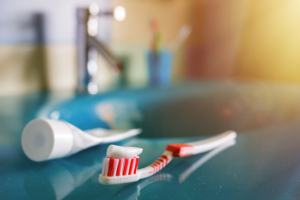
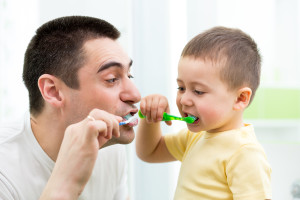
During cold and flu season, vigilance is your best defense. In addition to healthy eating, routine handwashing and getting enough sleep, it’s important to practice good toothbrush care. At Eggert Family Dentistry, we recommend tossing your toothbrush after any cold or flu to avoid the likelihood of reinfection. We also recommend washing your hands before you brush and floss, rinsing your toothbrush well and allowing it to air dry after each use and keeping family members’ toothbrushes separate from each other in order to avoid cross-contamination. And regardless of the season, don’t ever share a toothbrush!


Are you experiencing any tooth pain or discomfort? Have dental health questions? Need to schedule a recare visit? Give Eggert Family Dentistry a call at 651.482.8412!


Ways Oral Health Can Affect Your Overall Health and Wellness

By: Dr. Elizabeth Eggert

Cavities aren’t the only thing that flossing, brushing, and regular visits to Eggert Family Dentistry can protect you from. In fact, the mouth can be considered a window into your body, giving you information about potential medical disorders and problems your body may be battling.

How could your oral health be affecting your overall health? Here are some physical ways that the two are connected.

Health Conditions Related to your Oral Health

Your mouth can reveal a lot about your overall health. In fact, some systemic diseases like HIV or diabetes are found by oral signs and symptoms, such as lesions.

Although not conclusive, studies have found connections between oral conditions like Gum Disease and the following physical conditions:

  • Heart Disease: Gingivitis, or oral inflammation due to bacteria, can potentially cause inflammation throughout the body which can increase your risk of heart attack and stroke.
  • Poorly Controlled Diabetes: When you have diabetes, your risk of gum disease increases. In turn, chronic gum disease can make diabetes more difficult to control by causing insulin resistance.
  • Pre-term Birth: Gum disease can potentially increase the risk of pre-term delivery. The theory behind this is that the toxins released by oral bacteria get to the placenta and cause problems between the growth and development of the fetus.

Saliva as a Diagnostic Tool and a First Line of Defense

Your saliva can actually be a tell-tale sign to a doctor that something may be wrong with your body. In fact, for newborn babies, saliva is one of the most pivotal diagnostic tools in determining stress levels because cortisol levels can be found in saliva. And for those prone to diseases like osteoporosis, bone-related proteins in saliva can indicate bone loss.

Did you know that saliva is also one of your bodies’ main defenses against bacteria and viruses? Because of the antibodies and proteins (histatins) that saliva carries, it can fight off diseases and harmful invaders.

How can I protect my oral health?

If you didn’t already have a case for taking good care of your mouth, hopefully understanding the connection your oral and physical health have with one another may help you. Here are some ways to maintain a healthy smile!



  • Brush your teeth twice a day with a soft-bristled brush (Contact Eggert Family Dentistry for recommendations on brushes!)
  • Floss every day
  • Get a new toothbrush every couple of months and pay attention to bristles
    Regularly go to the dentist (we recommend coming to see us at least two times a year!)
  • Stay away from smoking or using tobacco products

Taking Charge of your Health & Wellness Journey

As we approach a new year, now is a great time to start making resolutions to take control of your health and wellness journey! Journey is a key word here, as each small step in the right direction will make a big difference.

At Eggert Family Dentistry, we believe that your oral, mental health, and physical health are related and important components of your wellness journey. If you’re ready to begin the first step toward a healthier you, we recommend making an appointment with your primary physician as well as with Dr. Elizabeth or Dr. Jeff at 651.482.8412 or by contacting us here.

Oral Care Tips for Cold & Flu Season

By: Dr. Elizabeth Eggert

Like it or not, cold and flu season is upon us. While we can’t always avoid getting sick, there are some things to keep in mind when a cold or the flu hits your family. Here are some important tips from your friends at Eggert Family Dentistry to help you protect your teeth and gums when you’re under the weather!

Tip #1 – Continue to maintain good oral hygiene

When you’re not feeling well, your energy level is typically lower which translates into lower motivation. Continue to brush and floss twice a day to combat bacteria and protect your teeth and gums.

Tip #2 – Choose sugar-free options

Sugar erodes enamel and contributes to tooth decay. When you’re sick, it’s easy to reach for sugary cough drops and sugary sports drinks. Instead, soothe your throat and replenish your electrolytes with sugar-free options and show your teeth some love.

Tip #3 – Stay hydrated

Staying hydrated is always important but when you’re sick, this is especially true. Not only does proper hydration aid your kidneys in balancing electrolytes and help reduce mucus and congestion, but it also helps you combat the effects of cold and flu meds. Antihistamines, pain meds and decongestants can cause dry mouth, an uncomfortable condition that makes you more prone to cavities. Sip on water and suck on sugar-free cough drops to keep saliva active, which helps rid your mouth of harmful bacteria.

Tip #4 – Gargle with salt water

Frequently gargling with salt water ticks multiple boxes: It helps keep your mouth hydrated, it kills bacteria that causes bad breath and plaque and it soothes a dry or scratchy throat. Win-win-win!

Tip #5 – Rinse and spit after vomiting

While it may seem logical to reach for your toothbrush after vomiting, it’s best to wait 30 minutes and rinse your mouth with water and spit in the interim. This helps cleanse your mouth from stomach acid and allows your saliva to reach a more neutral pH again. Brushing too soon can abrade the enamel softened by the acid.

Tip #6 – Toss your toothbrush

Did you know that the flu virus can live on moist surfaces, including toothbrushes, for up to 72 hours and strep bacteria can live for up to 48 hours? It’s best to err on the side of caution and use a cold or flu bug as an opportunity to swap your old toothbrush out for a new one!

At Eggert Family Dentistry, we want you to enjoy a healthy mouth year-round. If you haven’t already, give us a call to schedule your winter recare visit at 651.482.8412!


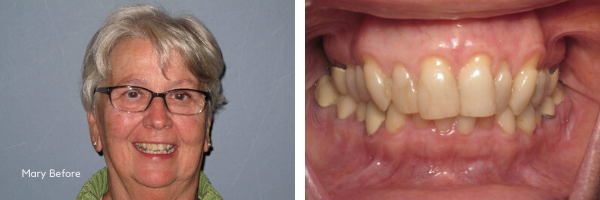
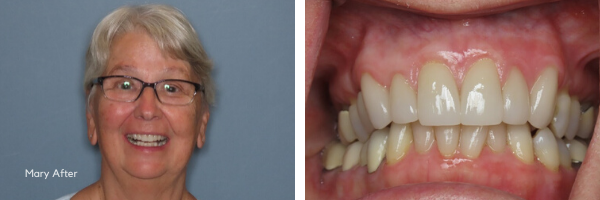
A New Smile with Porcelain Crowns – Mary’s Story

How did this start?
Mary had composite restorations on her upper front teeth that she had needed to have replaced several times since they were first done in the 1970’s. She noticed they were beginning to look discolored and wanted to have them replaced with something that would offer better long-term predictability. To find out her options, Mary went through the records process with Dr. Jeff. This process allows our doctors to determine the best course of treatment using models, x-rays, and photos of the patient’s teeth, gums, and bite.

What did she want?
While Mary was happy with the overall shade of her teeth, she had noticed some areas of discoloration that she wanted to correct. Mary was also concerned that her teeth appeared crowded and was hoping to improve their appearance.

What was involved?
Dr. Jeff recommended that Mary go through the records process so that he could asses the current health of the teeth and gums, and the function of her jaw and muscles. After the records were taken Dr. Jeff was able to formulate a treatment plan for Mary that would address her concerns with the appearance and position of her teeth, which he presented at her consult appointment. Dr. Jeff recommended Mary start with an orthodontic consult to learn about possible options for changing the position of her teeth to alleviate the crowding. Dr. Jeff explained that it would be ideal to move her teeth before doing any restorations on her upper teeth as it would allow him to be more conservative when preparing the teeth and would offer better long-term predictability. He then recommended Mary replace her existing composite restorations on her upper front teeth with porcelain crowns, as they would be stronger and more durable than composites and would give her teeth the consistent shade she desired.

After a lot of consideration, Mary decided to move forward with restoring her front teeth without doing orthodontics. Mary was not interested in taking the time it would need to move her teeth and she felt she could be happy with her results using restorations alone to improve her smile. Before starting her treatment, Dr. Jeff worked with a local lab to fabricate a wax mock-up of Mary’s new teeth to show her what they would look like. Mary was very happy with how they looked with the mock-up, and over the course of two appointments, Dr. Jeff prepared and restored her teeth with the final porcelain crowns.

What does she think?
Mary is excited to say that she likes her teeth much better now that she had them re-done. She thought the procedures were fast and professional. She would recommend the procedures to anyone as she notes “It wasn’t as bad as I was afraid it would be.” Mary loved working with our team and feels more confident with her brighter, straighter smile! Congratulations Mary! We love working with patients like you!

If you’ve been thinking about improving your smile, contact us today to learn more about what we can do for you!