Scaling and Root Planing:
 A Deeper Clean for Better Health

By: Dr. Elizabeth Eggert

If you visit our office regularly, you’re already educated about the threat of gum disease. We make it a priority to teach our patients how to care for their teeth and prevent its harmful effects. Unfortunately, it can sometimes develop despite our best efforts, and when it does, Dr. Elizabeth Eggert and Dr. Jeff Eggert of Eggert Family Dentistry in North Oaks, MN address it directly.

In this article, we’ll provide a concise overview of gum disease, also known as periodontal disease, and explain how scaling and root planing can help stop—and in some cases even reverse—its effects before it leads to tooth loss or other systemic health issues.

Understanding Gum Disease

Gum disease is an infection of the tissues that support your teeth, typically starting as gingivitis—the mild, reversible stage marked by red, swollen gums that may bleed easily. Without treatment, it can progress to a more serious form of periodontal disease, often referred to as periodontitis, where the infection damages the bone and connective tissue, leading to gum recession, loose teeth, and often tooth loss.

Gum disease develops when plaque—a sticky film of bacteria—builds up on teeth and hardens into tartar, irritating the gums and causing inflammation. Common signs include bleeding gums, bad breath, swollen or tender gums, receding gums, and shifting teeth. Good oral hygiene at home and regular dental visits are key to preventing and treating gum disease.

What Is Scaling and Root Planing?

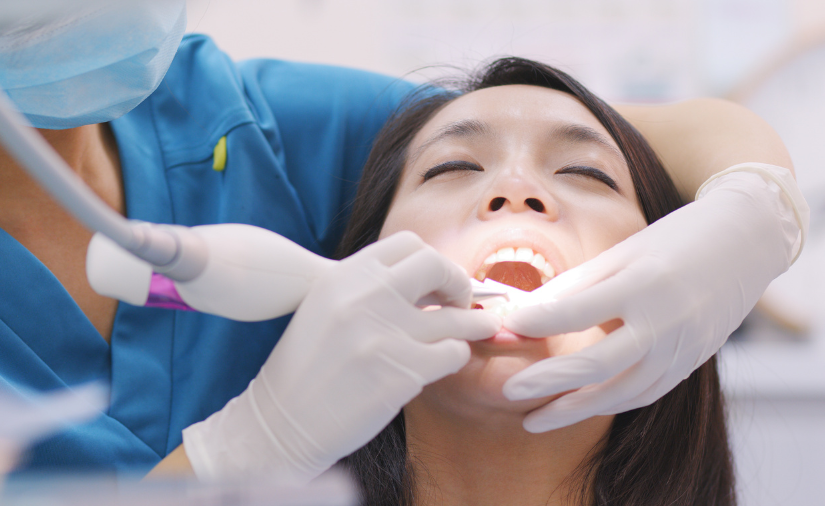
Scaling and root planing is a deep-cleaning treatment used to address gum disease. Scaling involves removing plaque and tartar from both above and below the gum line, where regular brushing, flossing, and routine dental cleanings can’t reach. Root planing smooths the surfaces of the tooth roots, making it harder for bacteria to cling and helping the gums heal and reattach to the teeth.

Dr. Elizabeth Eggert and Dr. Jeff Eggert typically recommend this procedure when gum disease has advanced beyond gingivitis and deep pockets have formed between the gums and teeth. Unlike a routine cleaning, which focuses on the visible surfaces of teeth, scaling and root planing targets the deeper areas where infection has taken hold, especially below the gum line, helping to stop disease progression and protect your smile.

The Benefits of Scaling and Root Planing

Scaling and root planing delivers lasting benefits that protect your gums, teeth, and overall oral health. By targeting the bacteria and tartar that contribute to gum disease, this treatment can improve healing, prevent further damage, and support a healthier mouth.

Key benefits include:

  • Halting the progression of gum disease by removing plaque and tartar from deep beneath the gums
  • Reducing inflammation and bleeding, allowing gums to heal and stay healthy
  • Helping prevent tooth loss by stopping the infection that can loosen teeth
  • Supporting bone and gum tissue regeneration, promoting recovery of oral structures
  • Improving breath and overall oral hygiene by eliminating bacteria and plaque buildup

What to Expect from Scaling and Root Planing

Scaling and root planing is typically done over one or more visits, depending on the extent of the gum disease. During the procedure, the magnificent hygienists at Eggert Family Dentistry will use specialized instruments to carefully remove plaque and tartar from above and below the gum line. Then they will smooth the tooth roots to help the gums reattach. Often both a water treatment, using a Cavitron, and hand instrumentation is used. A local anesthetic is generally used to ensure your comfort throughout the treatment.

After the procedure, proper healing and maintenance are essential. Our patients are encouraged to continue diligent oral hygiene at home—brushing, flossing, and using antimicrobial rinses, as recommended. Follow-up appointments allow our team to monitor your progress and, in some cases, prescribe antibiotics to support healing. At Eggert Family Dentistry, patient comfort and personalized care are a top priority, ensuring each visit is as gentle and effective as possible.

Addressing gum disease early on is one key to protecting your teeth, gums, and overall oral health, and advanced treatments like scaling and root planing can make a significant difference in halting its progression and promoting healing.

During routine recare visits, we can spot potential issues early—before they become serious. If you’re experiencing symptoms of gum disease or want to learn more about how scaling and root planing can support your oral health, give Eggert Family Dentistry a call at 651.482.8412 to set up an appointment!

How Dental Insurance Works, Common Coverage Gaps, and Why Dental Procedures Are Worth the Investment

By: Dr. Elizabeth Eggert

Dental insurance can be a valuable tool in helping you manage the cost of maintaining a healthy smile. However, many patients are surprised to learn that dental insurance doesn’t always cover the full cost—or in some cases, any of the cost—of the treatments recommended by Dr. Elizabeth Eggert or Dr. Jeff Eggert of Eggert Family Dentistry. Understanding how dental insurance works, where coverage gaps occur, and why it’s worth investing in procedures not covered by your plan can help you make informed, confident decisions about your oral health.

How Dental Insurance Plans Work

Unlike medical insurance, dental insurance is designed more as a benefit than a comprehensive health care plan. Most dental plans follow a cost-sharing model between the insurer and patient, which includes deductibles, copays, annual maximums, and coinsurance.

  • Deductible: A deductible is the amount you must pay out of pocket before your insurance begins covering costs. Preventive services like cleanings and exams often don’t require a deductible. But, unfortunately in this changing market, some new plans WILL require deductibles before they provide any benefits.
  • Copay: A copay is a predetermined dollar amount that patients must pay upfront for a medical or dental service. These can vary depending on the type of service you receive.
  • Annual Maximum: Most plans cap how much they’ll pay per year—commonly around $1,000–$1,500. Once you reach that limit, you pay for additional treatments out of pocket.
  • Coinsurance: After meeting your deductible, you typically share in the cost of treatments. For example, your plan might cover 80% of a procedure, leaving you responsible for the remaining 20%.

At Eggert Family Dentistry, we do a lot to help you understand your insurance plan and how these terms apply to you. However, we always need you to understand that we have nothing to do with the makeup of your plan, we do not  determine your coverage, and we cannot do anything to “make your insurance company pay.” Your plan is decided by the agreement between your employer and the insurance provider, or by the plan you purchase individually. As always, Dr. Elizabeth Eggert and Dr. Jeff Eggert may recommend a procedure because it’s best for your health, but that does not necessarily mean that you will have benefits from your insurance company for the procedure and your insurance may not agree to pay for it for you.

Why Doesn’t Insurance Cover Everything?

Most dental plans do not cover all procedures. Typically, they provide:

  • 100% coverage for preventive care, such as exams, cleanings, and x-rays
  • 80% coverage for basic procedures, such as fillings and simple extractions
  • 50% coverage for major procedures, such as crowns, bridges, and dentures

Some procedures—such as dental implants, orthodontics, or cosmetic dentistry—may not be covered at all. Why? Insurance companies are a big business and many of them are out to maximize their profits. This means they often opt for the least expensive alternative treatment (LEAT). For example, Dr. Elizabeth Eggert or Dr. Jeff Eggert may recommend a dental implant for its durability and long-term benefits, but your plan might only cover a partial denture because it costs them less.

Other common coverage limitations include:

  • Pre-existing conditions: Your plan might not cover treatments for conditions you had before enrollment.
  • Frequency limits: Your plan may limit the number of times they will pay for a procedure, like cleanings or exams per year, even if you need more to keep your oral health in tip-top shape.
  • Downcoding: Your insurance may change the procedure to a less expensive one, and you may be responsible for the difference.
  • Bundling: Multiple procedures may be combined into one “bundle” by the insurer, reducing your benefits.

Remember: Your dental plan is a financial agreement, not a treatment guide. It’s designed to manage costs, not dictate what care you receive. The most accurate way to think of it is like a good pre-paid coupon.

What to Do if a Procedure Isn’t Covered

If Dr. Elizabeth Eggert or Dr. Jeff Eggert recommends a procedure that isn’t covered, you have a few options:

  1. Look for covered alternatives: Sometimes, there’s a less expensive procedure that may at least partially address your dental issue and is covered by insurance. However, cheaper isn’t always better. Discuss with Dr. Elizabeth Eggert or Dr. Jeff Eggert whether the alternative is a good fit for your situation.
  2. Ask us about payment options: At Eggert Family Dentistry, we want you to be able to receive the care you need. Please ask our business team about payment options, which can include credit cards or medical financing options like CareCredit, which let you spread out payments over time, often with little or no interest.
  3. Appeal insurance decisions: If a claim is denied because the procedure was deemed “not dentally necessary,” you can appeal. Kristina in our office works hard for you, appealing insurance company decisions every day. If she needs you to get involved, she’ll let you know and a phone call by you can also help move things along. Your insurance company wants to maintain a good relationship with you as you are their customer (often through your employer).

Ultimately, never skip a medically necessary procedure due to insurance limitations. Dental issues don’t resolve on their own—they worsen. Treating problems early can prevent pain, infection, and higher costs down the line.

Why Investing in Dental Procedures Is Worth It

While it’s natural to focus on cost and insurance coverage, sometimes it’s smarter—and more cost-effective—to invest in a procedure not fully covered by insurance. Here’s why:

  • Durability: Procedures like dental implants may cost more upfront but last for decades, unlike dentures or bridges that may need to be replaced.
  • Functionality: Higher-quality restorations often look, feel, and function like natural teeth, improving comfort and confidence.
  • Preventive Value: Early treatment can stop issues from escalating, saving you time, money, and discomfort later. It is also less likely that you will need to have things replaced as quickly if done right the first time!

Make Treatment Decisions Based on Your Health, Not Just on Coverage

Dental insurance is a helpful tool, but it should not be the only factor in deciding your treatment. Your oral health has lifelong impacts on your comfort, nutrition, self-confidence, and even overall health. When facing a treatment decision, talk openly with Dr. Elizabeth Eggert or Dr. Jeff Eggert about your options, insurance coverage, and financing solutions.

Do you still have questions about what your plan covers or how to afford the treatment you need? Contact our team at Eggert Family Dentistry at 651.482.8412! We’re here to help you understand your options and get the care you need to stay healthy.


Questions About Dental Veneers? Check Out Our Veneer FAQs!

By: Dr. Elizabeth Eggert

Considering dental veneers? Our veneer FAQs address the most common questions so you can feel informed and confident when exploring whether veneers are the right fit for your needs—today or in the future.

Q: What are dental veneers?

A: Dental veneers are thin, custom-made shells crafted from porcelain or composite resin that are bonded to the front of your teeth. They’re designed to enhance your smile by improving your teeth’s shape, color, and alignment.

Q. How are crowns different from veneers?

A. Crowns can be an excellent solution when you need to support a tooth and restore its integrity. Dr. Elizabeth Eggert and Dr. Jeff Eggert reshape the tooth and custom fit the crown over it like a cap or helmet. Crowns require more preparation of the natural tooth and are a good choice when needed, but if you are just changing the tooth for esthetic purposes, veneers are a great and more conservative option.

Q. Is getting veneers painful?

A. The procedure is considered minimally invasive, and most patients report little to no pain. Dr. Elizabeth Eggert and Dr. Jeff Eggert typically use a local anesthetic to reduce the likelihood of any discomfort. Your teeth may be sensitive to hot or cold for a few days, but this should resolve quickly.

Q: Am I a good candidate for veneers?

A: If you have healthy teeth and gums and are looking for a long-term solution to enhance your smile, veneers may be a great fit. At Eggert Family Dentistry, we’ll perform a comprehensive exam where we evaluate your oral health and discuss your smile goals to determine if veneers are right for you.

Q: How long do veneers last?

A: With proper care, porcelain veneers can last 10–15 years or even longer. Composite veneers have a shorter lifespan, but have a lower initial investment so some people find them to be a more affordable option. Maintaining good oral hygiene, scheduling routine dental visits, and avoiding habits like biting hard objects can help extend the life of your veneers.

Q: What is the process like for getting veneers?

A: The process usually involves three steps: consultation and planning, tooth preparation and temporary veneers, and then bonding the permanent veneers. Dr. Elizabeth Eggert and Dr. Jeff Eggert take time to understand your goals and carefully design a smile that looks natural and feels comfortable.

Q: Will getting veneers damage my natural teeth?

A: Veneers require reshaping the teeth and therefore a small amount of enamel is removed from your natural teeth to ensure a proper fit. This is irreversible, but it’s often a very minimal reduction and your teeth will still be protected by the veneer. Our team at Eggert Family Dentistry takes a conservative approach to preserve as much of your natural tooth structure as possible.

Q: Do veneers look natural?

A: Yes! Veneers are carefully crafted to match the color, shape, and translucency of natural teeth. At Eggert Family Dentistry, we customize each veneer to ensure a seamless and natural-looking result that complements your features and personality.

Q: What’s the difference between porcelain and composite veneers?

A: Porcelain veneers are stronger, more stain-resistant, and longer-lasting, while composite veneers can be placed in one appointment and start out as more budget-friendly. We’ll help you decide which material is best based on your needs and goals.

Q: Can I whiten my veneers?

A: Veneers don’t respond to whitening treatments like natural teeth do. If you’re considering whitening, we recommend doing it before getting veneers so we can match your veneers to your brightened smile.

Q. Are veneers covered by dental insurance?

A. Because veneers are considered a cosmetic procedure, they’re generally not covered by dental insurance. However, a veneer is occasionally placed to cover trauma or decay and may warrant insurance coverage. It’s best to check with your insurance company prior to pursuing veneers so you know what to expect. Also, many patients choose to use their FSAs or HSAs to offset the cost of their veneers.

Dental veneers are a minimally invasive and attractive choice that can give you a more confident smile. If you found our veneer FAQs helpful and you’d like to explore if they’re the right choice for you, give Eggert Family Dentistry a call at 651.482.8412 to set up a consultation!

The Long-Term Effects of Untreated Dental Trauma

By: Dr. Elizabeth Eggert

Whether from a fall, a sports injury, or an accident, dental trauma is common and can happen when you least expect it. It includes any injury to the teeth, gums, lips, or jaw. Let’s dive into untreated dental trauma and what you can do to prevent long-term damage and preserve your smile.

Types of Dental Trauma

Dental trauma can take many forms. It includes chipped or cracked teeth, dislodged or knocked-out teeth, teeth that are jammed into the socket, cuts in the mouth’s soft tissue, or a broken or dislocated jaw.

These issues range in severity and require a variety of treatments.

Signs of Dental Trauma

Signs of dental trauma can vary depending on the type and severity of the injury, but there are several common signs to watch for. A sudden toothache or mouth pain may indicate a crack, fracture, or damage to the tooth’s nerve. Swelling of the gums, lips, or face often accompanies injury, and bleeding can occur if soft tissues or the gumline are affected. Another sign of trauma is a discolored tooth, in which the tooth may appear dark or gray due to damage to the blood supply inside the tooth.

You might also notice a loose tooth, a change in how your teeth fit together when you bite, or even difficulty opening your mouth or moving your jaw. These symptoms could point to more serious issues such as jaw dislocation, tooth luxation, or fractures.

If you experience any of these issues, we recommend you call Eggert Family Dentistry right away. Dr. Elizabeth Eggert or Dr. Jeff Eggert would be happy to talk with you to assess the situation and determine the best path forward.

Consequences of Untreated Dental Trauma

If left untreated, something as seemingly minor as a fractured tooth or a small cut in your mouth can develop into more serious problems.

  • Cavities: Harmful oral bacteria can sneak into chips and cracks in teeth and set up camp. These bacteria can then spread, eroding enamel and causing pain, sensitivity, and infection.
  • Bite issues: Also known as malocclusion, dental injuries can cause the bite to become misaligned. Trauma can shift teeth out of their proper position or cause damage to the supporting bone and soft tissue. For example, if a tooth is pushed inward, outward, or sideways, it can disrupt how your upper and lower teeth come together when biting and chewing. Similarly, if a tooth is knocked loose or fractured, the surrounding teeth may shift slightly, leading to uneven contact or pressure.
  • Tooth loss: A blow to the mouth can cause tooth damage that makes a tooth more susceptible to decay. It can also weaken the tooth, which, left unattended, can lead to eventual tooth loss.
    Of course, some teeth get knocked out on contact, this is called avulsion. In this case, we recommend rinsing the tooth under clean running water—being careful not to touch the root—and putting it into a jar of water or milk to preserve it. Call Eggert Family Dentistry right away. In some instances, Dr. Elizabeth Eggert or Dr. Jeff Eggert can reinsert a tooth into the socket, especially if the avulsed tooth is properly cared for and reinserted quickly.
  • Nerve damage: This occurs when the nerves inside the tooth’s pulp become injured or inflamed. Nerve damage can cause extreme tooth sensitivity, discomfort when chewing, and aching around the base of the tooth. If the nerve issue isn’t addressed promptly, the nerve inside the tooth can become necrotic and die. At this point, Dr. Elizabeth Eggert or Dr. Jeff Eggert will likely recommend a root canal or tooth extraction.
  • Gum disease: Commonly referred to as periodontal disease, gum disease often sets in after an injury to the mouth. This is because, when teeth shift around, they can leave areas along the gumline more exposed and susceptible to harmful bacteria. These bacteria can inflame gums and, if they aren’t removed, can harden into tartar. Eventually, the diseased gums can pull away from the teeth even more, leading to additional loose teeth or even tooth loss.
  • Facial asymmetry: When dental trauma affects the jaw, it’s crucial to come in to Eggert Family Dentistry so Dr. Elizabeth Eggert or Dr. Jeff Eggert can assess the situation. When the jaw isn’t repositioned, a cascade of issues can ensue, including TMD, inflammation, and jawbone deterioration. In addition to increasing pain and discomfort, it can cause a person’s face to become asymmetric.  
  • Low self-esteem: Whether it’s a chipped, discolored, or missing tooth or an asymmetric face from a jaw injury, untreated dental trauma can negatively affect a person’s self-esteem. It can make people more timid in social situations and cause them to hide their smiles or even avoid public situations whenever possible.

If you or someone you love has experienced dental trauma—whether recently or in the past—schedule a visit to Eggert Family Dentistry. Dr. Elizabeth Eggert and Dr. Jeff Eggert offer a range of effective treatments to protect your smile and prevent the long-term consequences of untreated dental trauma. Call us today at 651.482.8412!

What Your Saliva Can Tell You About Your Oral Health

By: Dr. Elizabeth Eggert

Saliva: you know, that stuff we normally call “spit.” While most people may cringe and call it “gross,” dentists know that saliva is actually a healthy mouth’s best friend! 

Healthy saliva production is a good indicator that your oral health is in tip-top shape. On the other hand, if your saliva production or the consistency of your saliva is unusual, it may be a warning sign of some underlying conditions that need to be addressed. 

What is Saliva? 

Saliva is a clear liquid that’s created by your mouth 24 hours a day, seven days a week. Produced by the salivary glands, saliva keeps your mouth moist and comfortable, but it also performs a number of other important functions. 

Within your saliva are tiny amounts of some very important substances, including mucus, proteins, minerals, electrolytes, antibacterial compounds and enzymes. These minerals and enzymes have a huge role to play when it comes to your overall health. For example, the enzyme amylase allows saliva to aid in digestion, by turning starches into sugars which your body can more easily absorb. Unsurprisingly, saliva also plays a key role in your oral health, protecting you from a host of dental problems.

3 Ways Saliva Protects Your Mouth

Apart from good dental health habits, when it comes to fighting off bacteria and disease in your mouth, consider saliva your superhero. From killing germs and preventing bad breath, to defending against gum disease and tooth decay, you can count on your saliva to save the day! But how does it do it? 

  1. Every time you swallow, saliva sweeps away food and bacteria. This reduces the amount of bacteria in your mouth and neutralizes acids that would otherwise break down enamel and cause tooth decay. 
  2. Saliva also contains antimicrobial agents that kill disease-causing bacteria. Without this daily “cleaning service,” you’d find that you’d develop gingivitis, gum disease, and other oral infections much faster. 
  3. When acid does manage to damage tooth enamel, saliva actually repairs the tooth’s protective surface in a process called remineralization. Calcium, phosphorus, fluoride, and other minerals contained in saliva work together to coat and repair your enamel. 

Saliva Symptoms and What They Mean 

Aside from protecting your mouth, sometimes your saliva can be a key indicator that something is wrong in your body. Unusual production or consistency in your saliva can be a red flag to let you know that there’s a problem. 

Not Enough Saliva

This is a condition known as dry mouth. Without enough saliva to coat your mouth, it can feel dry, sticky, and very uncomfortable. Dry mouth can be caused by a number of things, including: 

  • Dehydration
  • Certain medications
  • Medical treatments
  • Diabetes
  • Anemia
  • Hypertension

…and more. Depending on the cause, dry mouth can be relieved by hydration, special oral rinses, medication to promote saliva production, and more.

Too Much Saliva: 

Also known as hypersalivation, having too much saliva in your mouth can be just as uncomfortable as dry mouth. You may find yourself having to constantly spit or swallow throughout the day, which can even cause anxiety. Causes of hypersalivation include: 

  • Nausea
  • Inability to swallow 
  • Inability to keep mouth closed 
  • Sinus or throat infections 
  • Ulcers, inflammation, or pain in the mouth 
  • Parkinson’s disease 

…and more. In minor cases, hyper salivation can be treated at home with remedies such as brushing your teeth and using mouthwash to temporarily dry out the mouth. Hypersalivation can also be treated with medication, periodic botulinum toxin (Botox) injections, or in extreme cases, surgery.

Unusual Consistency 

If your saliva is thick and opaque, that may be a sign that you have a yeast infection called oral thrush. This condition is more common in children and the elderly, and is treated with antifungal medications taken orally. 

If your saliva is bloody, that may be an indication that you have developed gum disease. Bloody saliva will be most noticeable in the sink after brushing or flossing. If you think you have gum disease, call Eggert Family Dentistry and schedule an appointment right away. Treatments for gum disease include periodontal scaling and root planing. 

Have Concerns About Your Saliva? 

If you find that you’re producing excessive amounts of saliva, are experiencing bouts of dry mouth, or have noticed an unusual consistency in your saliva, call our office to schedule an appointment. Dr. Jeff Eggert or Dr. Elizabeth Eggert will be able to diagnose any problems and recommend or prescribe any treatments you may need. Call us today at 651-482-8412.


List Join

Diabetes and Your Dental Health

By: Dr. Elizabeth Eggert

If you have type I or type II diabetes, you’re at a higher risk for developing cavities, gingivitis, and periodontitis. That means it’s especially important that you take good care of your teeth and gums by brushing and flossing regularly. 

If you or a loved one has been diagnosed with diabetes, Dr. Elizabeth and Dr. Jeff Eggert can answer any questions you may have about how to best take care of your oral health. With the right strategies, managing the effects of diabetes on your dental health can be easy! Read on for more information about how diabetes can affect your dental health, and how the team at Eggert Family Dentistry can help.

What is Diabetes? 

To understand how diabetes affects your dental health, we need to understand how diabetes works. 

Most of the food you eat is processed as sugar. When your blood sugar reaches a certain level, a hormone called insulin is released. Insulin allows the sugar in your blood to be transferred to cells and used as energy. 

With diabetes, however, your body doesn’t make enough insulin, or can’t use it as well as it should. Without enough insulin, too much sugar stays in your bloodstream. 

High blood sugar can also weaken white blood cells, which are your body’s main way to fight infections. Over time, this decreased immune response can cause serious health problems, such as heart disease, vision loss, and kidney disease.

How Does Diabetes Affect Dental Health? 

Everyone has billions of tiny bacteria living in their mouths. Some are good bacteria, and some are bad. When a person doesn’t brush their teeth or floss enough, the bad bacteria surrounding your teeth are given the opportunity to enter the gums and cause irritation, inflammation, and bleeding.

According to the American Diabetes Association, “If you have diabetes—especially if you’re not meeting your targets—you will have more of an inflammatory response [to the bad bacteria], which could result in a loss of supporting tissue for your teeth.” Too much loss of this gum and bone tissue that supports a tooth could result in the tooth needing to be removed.

To put it simply, diabetes accelerates the negative effects of bad bacteria in your mouth. While it may take a while for someone without diabetes to develop cavities and gum disease, for someone with diabetes, these processes occur at an accelerated rate and the damage is more severe. 

Once you have an infection, diabetes can make it hard for your body to fight it. High blood sugar can weaken white blood cells, which means your overall immune response is also weakened.  

Diabetes can also cause dry mouth. The lack of saliva from dry mouth means food debris, sugar, acid and bacteria don’t get washed away as easily. This leads to the formation of more plaque, which erodes the enamel and causes the aforementioned infections.

How to Protect Your Dental Health 

Developing and maintaining good oral health is the best way to prevent cavities, gingivitis, and periodontal disease, whether you have diabetes or not. But if you do have diabetes, it’s extra important that you create good dental health habits.

The cornerstones of good dental health are: 

  • Brushing your teeth twice a day 
  • Flossing between your teeth once a day 
  • Regularly scheduling dentist cleanings/appointments

Good blood sugar control will also help your body fight any bacterial or fungal infections in your mouth. The better you’re hitting your targets, the better equipped your body will be to protect itself against gingivitis and gum disease. It will also help relieve dry mouth caused by diabetes.

Don’t Let Diabetes Hurt Your Dental Health—Eggert Dentistry Can Help!

If you’ve been diagnosed with diabetes, come see Dr. Elizabeth Eggert and Dr. Jeff Eggert. We have experience in helping our patients with diabetes protect against tooth decay, gingivitis, periodontal disease, and more with regularly scheduled recare visits and fluoride treatments.

To talk with us about any questions you may have, or to schedule an appointment, call our office at 651.482.8412. We’re here to help you maintain a happy, healthy mouth! We provide “Dentistry for a Lifetime of Smiles!” 

List Join

Periodontal Scaling and Root Planing: What Does It Mean?

By: Dr. Elizabeth Eggert

Periodontal scaling and root planing may sound like a funny way to treat periodontal disease It may even sound a bit intimidating, but this treatment is actually a simple way to immediately start treating gum disease ( periodontal disease). Before we go into an explanation of this procedure, let’s first clarify what gum disease is. 

Gingivitis and Periodontitis (Gum Disease)

Gingivitis is an inflammatory reaction of the gums due to excessive bacteria. When you don’t brush and floss regularly, the bacteria surrounding your teeth enters the gums and causes irritation, inflammation, and bleeding of the gums. This can be especially noticeable after brushing or flossing. 

Gingivitis can be easily treated with a professional cleaning. If left untreated, however, gingivitis will develop into a serious gum infection called periodontitis, also known as gum disease. 

When your gums are chronically inflamed, the space between your gums and your teeth, also known as your gum tissue pockets, gets so deep that the bacteria and plaque become trapped and can no longer be removed with regular brushing or even flossing. Without treatment, gum disease will destroy the bone that supports your teeth. Without the bone to act as a foundation, the teeth get loose and eventually need to be removed. 

Symptoms of gum disease include:

  • Receding gums
  • Gums that bleed after brushing
  • Red, swollen gums
  • Persistent bad breath 
  • Loose teeth
  • Tooth loss

Aside from damaging one’s oral health, there are other serious risk factors associated with gum disease. It’s long been proven that there is a connection between gum disease and heart disease. In fact, a person with gum disease has two to three times the risk of having a heart attack, stroke, or other cardiovascular event than someone with healthy gums. 

For pregnant women, gum disease has also been linked to pregnancy complications and low birth weight. 

Treatment for Gum Disease 

Luckily, the treatment for gum disease is simple and can be performed right here at Eggert Family Dentistry. One of our amazing hygienists along with Dr. Elizabeth or Dr. Jeff will administer treatment known as periodontal scaling and root planing. These procedures are typically quick and can be performed using onlyl local anesthetic.

What is Periodontal Scaling and Root Planing? 

Periodontal scaling is a procedure that uses a dental curette or scaler to remove all the plaque and tartar from above and below the gumline, all the way down to the bottom of the pocket. A topical or local anesthetic will be applied to numb the area so that no discomfort is felt during treatment. Root planing is then when our dental team members use instruments or the high powered water irrigating Cavitron to smooth out the roots of your teeth to help your gums reattach to your teeth. Depending on the severity of the infection, the time needed for these procedures can vary. It is common to complete treatment on one half of the mouth per session. 

Aftercare: 

After the procedure, you may experience slight tenderness or discomfort with your gums, however, this typically resolves within a couple of days. The full healing process can take weeks, however, as your tissue reattaches to your tooth root.

  • To minimize sensitivity, avoid eating sweet items or food that is extremely hot or cold for a few days. 
  • If you experience any pain while brushing, reduce brushing intensity for at least 48 hours. 
  • Over-the-counter pain medication will help reduce any discomfort following treatment. 
  • You can also speed up your recovery by rinsing your mouth with a warm saline solution multiple times a day. 

Prevention is Better Than Intervention

Once you have periodontal disease, you will always have periodontal disease, but luckily managing this disease can be straight forward if you follow your recommended recare interval and do your hygiene homework! Typically, a periodontal patient will need a recare visit for a periodontal maintenance cleaning every 3 months.

Don’t Let Gum Disease Get the Best of You

If you’re experiencing any of the symptoms of gingivitis or gum disease, don’t hesitate to contact our office for an appointment. Upon examination, we’ll be able to tell you if it can be remedied with a simple cleaning, or if it requires periodontal scaling and root planing. Call our office to schedule an appointment with us at 651-482-8412.

List Join

How Thumb Sucking and Orofacial Myofunctional Disorders Are Linked

By: Dr. Elizabeth Eggert

Thumb sucking is a normal part of child development. It’s a natural reflex for babies, giving them a sense of security. And as they grow, it can become a habit to self-soothe or help them sleep.

Orofacial Myofunctional Disorders (OMD) are also common in children and toddlers. OMD affects the growth and development of mouth and facial structures and can affect a child’s speech and feeding abilities, as well as their developing airway.

So, what is the relationship between thumb sucking and Orofacial Myofunctional Disorders? 

Read on to learn more about OMD and its connection to thumb sucking, how to help your child stop sucking their thumb, and how Dr. Elizabeth and Dr. Jeff can help if you think your child may have OMD.

What Is an Orofacial Myofunctional Disorder?

Orofacial Myofunctional Disorder is a disorder of the muscles and functions of the face and mouth that interferes with normal growth, development, or function of orofacial structures. It presents as improper tongue, jaw, or lip positioning during eating, swallowing, and speaking. 

Symptoms of OMD include:

  • Malocclusion
  • Mouth breathing
  • Tongue thrust
  • Sleep disordered breathing
  • Snoring
  • Airway obstruction
  • TMD 
  • Headaches
  • Fatigue, anxiety, or depression
  • Difficulty articulating sounds like the “s” in “sun,” “sh” in “ship,” or “j” in “jump”
  • Drooling past age 2
  • Difficulty closing the lips to swallow

OMD can cause dental problems, changes in facial appearance (such as grimace, tight chin, or weak, parted lips), sleep issues like sleep apnea, and speech difficulties.

Causes of an Orofacial Myofunctional Disorder

There is no single determined cause of Orofacial Myofunctional Disorder. It is sometimes hereditary, but it can also be caused by:

  • Thumb sucking or finger sucking past the age of 1 year
  • Extended use of a pacifier (after 12 months)
  • Cheek or nail biting
  • Bruxism
  • Tongue, lip, or cheek sucking
  • Tongue-tie
  • Neurological deficits
  • Developmental delays

Let’s take a closer look at the first item on this list, thumb sucking and figure out how it’s connected to OMD and how to help your child stop sucking their thumb or finger.

Thumb sucking and Orofacial Myofunctional Disorders: How They Are Connected

Long term thumb sucking can affect the roof of the mouth or alignment of the teeth, and can be a risk factor for increased malocclusion. When a child sucks their thumb or finger for long periods of time, it can exert force against the front teeth as well as the palate (roof of the mouth) and cause changes to the dentition, including:

  • Posterior crossbites
  • Anterior excessive overjet
  • Anterior open bite

It can also affect the direction of jaw growth and lead to the development of a narrow, high arched palate, an open-lipped posture, altered respiration, and abnormal tongue rest and function patterns. People with a high, narrow palate do not develop their nasal passage to its full potential and often have difficulty with nose breathing.

Over time, thumb sucking can anchor the tongue down and forward rather than allowing it to rest on the roof of the mouth. This can, in turn, affect speech development, resulting in improper speech patterns, such as lisping.

How to Help Your Child Stop Thumb sucking

Thumb sucking can be a difficult habit to break. 

Children often stop thumb sucking on their own (typically by 6-7 months). It isn’t generally worrisome at that young age. But if your child is still sucking their thumb or finger after the age of 2, it is time to be serious about breaking the habit.

Appliances like thumb guards have limited success and have been associated with negative results like excessive weight loss, pain, poor sensory perception, and development of atypical lingual movement.

Instead, try the following approaches to help your child stop sucking their thumb:

  • Ignore it, especially if they use thumb sucking to get attention. Sometimes all it takes is for the habit to become less effective for them.
  • Talk to them about it. If ignoring it doesn’t work, try discussing it with your child. If your child wants to stop and has some agency in how they stop, you’re more likely to be successful.
  • Use positive reinforcement. Give praise, positive attention, or small rewards when they refrain from thumb sucking. Keep track of their progress in a fun way, such as putting stickers on a calendar.
  • Set attainable goals. Start with small steps, like instituting a rule of no thumb sucking in certain situations or at certain times of day.
  • Watch for triggers. Notice when your child begins to suck their thumb: Is it when they’re tired? Stressed? Identify the root issue and offer other ways for them to find comfort, such as asking for a hug or squeezing their favorite stuffed animal.
  • Be gentle with reminders. Scolding your child for thumb sucking is bound to backfire…especially if they’re doing so to comfort themselves. And pressuring them to stop can delay the quitting process. Simply offer a gentle reminder to stop. 
  • Ask Dr. Elizabeth or Dr. Jeff to talk with them. Sometimes having your child talk with one of us about why it’s important to stop sucking their thumb is more effective than a conversation with mom and dad.
  • Try completing treatment with Dr. Elizabeth using the Myobrace Infant Trainer. This device helps to shape the developing facial structures in a positive manner and gives your child something else to satisfy their oral fixation. 

Think Your Child May Have Developed an Orofacial Myofunctional Disorder?

If you think your child may have developed an Orofacial Myofunctional Disorder, come see Dr. Elizabeth and Dr. Jeff. We have experience identifying OMD and creating custom treatment plans for our patients.

To talk with us about your concerns and OMD intervention options, call our office at 651.482.8412. We’re here to help your child achieve a confident, healthy smile.

List Join

Sensitive teeth? How to prevent issues and make yourself more comfortable.

By: Dr. Elizabeth Eggert

For people who struggle with sensitive teeth, eating or drinking anything too hot or cold can be uncomfortable. Sometimes, even brushing your teeth or using floss can be uncomfortable if you have sensitive teeth. 

But what causes tooth sensitivity and will you ever be able to enjoy hot coffee or cold ice cream again? 

Causes and Symptoms of Sensitive Teeth

Sensitive teeth are caused by enamel on the teeth that gets worn down. Enamel is the hard outer layer that protects the softer interior of your teeth. When the enamel gets worn down, the softer, more sensitive part of your teeth are exposed. When the dentin or dentin tubules that run to the nerves in your teeth are exposed to heat, cold, or pressure from chewing, the nerves get hyperactive and can send a jolt of pain through your mouth. 

The things that most commonly wear down the enamel on your teeth are:

Tooth sensitivity is often caused by underlying tooth problems. By finding and fixing those problems, discomfort from sensitive teeth often resolves on its own. Some of the most common causes of sensitive teeth include:

  • Infrequent brushing
  • Overly aggressive brushing 
  • Gum recession
  • Periodontal disease
  • Clenching or grinding your teeth
  • A dysfunctional bite

What to Do if You Have Sensitive Teeth

If you have mild tooth sensitivity, Dr. Elizabeth and Dr. Jeff can recommend a desensitizing toothpaste or prescription fluoride toothpaste to use at home. The ingredients in these toothpastes help prevent hot and cold sensations from reaching your mouth. Regular fluoride varnish treatments at our office can also help reduce pain. 

There are also at-home remedies we found online, you could try these to get relief: 

  • Salt-water rinse: Add ¼ to ¾ teaspoon of salt to a glass of lukewarm water. Gargle the salt water twice daily for up to 30 seconds. 
  • Hydrogen peroxide rinse: Add two caps of 3% hydrogen peroxide to an equal amount of warm water, and swish in your mouth for up to 30 seconds. The mild antiseptic and disinfectant can help deal and prevent inflammation. 
  • Honey and warm water: Mix a spoonful of honey with warm water, and rinse your mouth with the mixture. Hone is an antibacterial agent that helps speed healing and reduce pain, swelling, and inflammation. 
  • Turmeric: Massage ground turmeric on your teeth and gums twice a day for pain relief. Turmeric is an anti-inflammatory treatment and enhances wound healing. 

If you have severe tooth sensitivity, you may need more involved treatment to resolve your discomfort. When sensitivity is caused by decay or when teeth are worn or decayed, we may recommend a filling, crown, or bonding to fix the root issue. Also, if a dysfunctional bite is keeping the nerves of your teeth hyperactive, changing the tooth positions is an important part of the healing process. 

Addressing the Underlying Issues That Cause Tooth Sensitivity 

Another way to make huge improvements in relieving tooth sensitivity is to look for and treat underlying issues with your bite. By undergoing our records process, we can determine if improvements to how your teeth come together and how you chew can stop your tooth sensitivity – often for good!

One of the best ways to improve sensitive teeth is by developing healthy oral hygiene habits, including regular visits to the dentist. To schedule an appointment with Dr. Elizabeth or Dr. Jeff, contact our office at 651-482-8412.

List Join

How Does Laughing Gas Help, and What Does It Do?

By: Dr. Elizabeth Eggert

What Is Laughing Gas?

Nitrous oxide gas – also known as laughing gas – is the most commonly used option to reduce anxiety in dentistry. Nitrous oxide is considered an anxiolytic, which means it doesn’t sedate you, but helps you feel comfortable, free from your usual dental anxieties and able to relax while dental procedures are performed.

Laughing gas is commonly used to help patients who have:

  • Dental anxieties or phobias
  • Trouble sitting still or cooperating (typically pediatric patients)
  • Special needs
  • Strong gag reflexes
  • Trouble breathing in and out the nose
  • An inability to respond adequately to local anesthesia alone

It also works well for children who need to have longer procedures done.

How Does It Work?

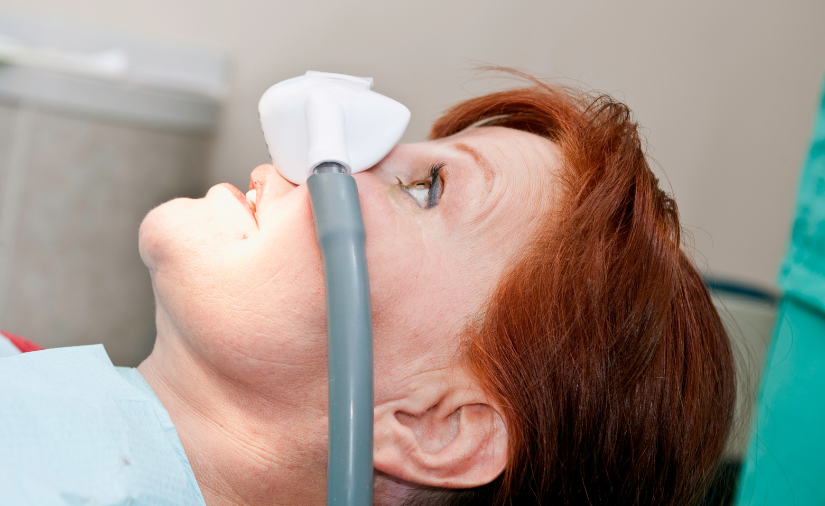
Laughing gas is given to patients through a mask that’s placed over the nose. When you breathe, you inhale the gas mixture and fall into a relaxed, nearly euphoric state. This leaves most patients feeling anxiety-free, with all their fears in the distant background.

Although the name laughing gas might make you think the medicine would make you giggly, that’s not how it works. The nitrous oxide slows your nervous system, which makes you feel less inhibited. It might make you feel light or tingly, and some people even say it makes their arms or legs feel like they are floating. The result, however, is that you feel calm and comfortable.

What Are the Benefits of Laughing Gas?

It is used commonly in dental offices because it works quickly and safely to help patients relax. It is given throughout your dental procedure and when the procedure is over, patients breathe pure oxygen through the mask, allowing the effects of the nitrous oxide gas to wear off quickly. Therefore, patients are able to drive themselves home.

In addition, although laughing gas helps you relax, it doesn’t put you to sleep. This helps ensure patients are still able to hear Dr. Elizabeth and Dr. Jeff and respond to any questions or instructions.

What Are the Side Effects?

When laughing gas is given correctly, most patients don’t have any negative side effects when it wears off. However, if the level of nitrous oxide rises too quickly, or if the amount being inhaled changes too quickly, patients may experience side effects such as:

  • Headaches
  • Shivering
  • Excessive sweating
  • Nausea or vomiting
  • Sleepiness

To prevent headaches, patients are given oxygen for five minutes at the end of the procedure. This helps clear the remaining gas from the lungs, and it helps you become more alert and awake.

You can also help prevent nausea or vomiting by eating lightly before your procedure and avoiding a large meal for up to three hours after your appointment. If you do start to have any of the side effects, Dr. Elizabeth or Dr. Jeff can turn the nitrous oxide level down and by simply breathing more straight oxygen, any adverse side effects diminish quickly.

Interested in Using Laughing Gas at Your Next Appointment?

Laughing gas is a helpful strategy for managing severe pain or dental anxieties. Talk with Dr. Elizabeth or Dr. Jeff if you’re interested in learning more about using nitrous oxide gas at your next appointment. To schedule an appointment, call our office at 651-482-8412.