How Dental Insurance Works, Common Coverage Gaps, and Why Dental Procedures Are Worth the Investment

By: Dr. Elizabeth Eggert

Dental insurance can be a valuable tool in helping you manage the cost of maintaining a healthy smile. However, many patients are surprised to learn that dental insurance doesn’t always cover the full cost—or in some cases, any of the cost—of the treatments recommended by Dr. Elizabeth Eggert or Dr. Jeff Eggert of Eggert Family Dentistry. Understanding how dental insurance works, where coverage gaps occur, and why it’s worth investing in procedures not covered by your plan can help you make informed, confident decisions about your oral health.

How Dental Insurance Plans Work

Unlike medical insurance, dental insurance is designed more as a benefit than a comprehensive health care plan. Most dental plans follow a cost-sharing model between the insurer and patient, which includes deductibles, copays, annual maximums, and coinsurance.

  • Deductible: A deductible is the amount you must pay out of pocket before your insurance begins covering costs. Preventive services like cleanings and exams often don’t require a deductible. But, unfortunately in this changing market, some new plans WILL require deductibles before they provide any benefits.
  • Copay: A copay is a predetermined dollar amount that patients must pay upfront for a medical or dental service. These can vary depending on the type of service you receive.
  • Annual Maximum: Most plans cap how much they’ll pay per year—commonly around $1,000–$1,500. Once you reach that limit, you pay for additional treatments out of pocket.
  • Coinsurance: After meeting your deductible, you typically share in the cost of treatments. For example, your plan might cover 80% of a procedure, leaving you responsible for the remaining 20%.

At Eggert Family Dentistry, we do a lot to help you understand your insurance plan and how these terms apply to you. However, we always need you to understand that we have nothing to do with the makeup of your plan, we do not  determine your coverage, and we cannot do anything to “make your insurance company pay.” Your plan is decided by the agreement between your employer and the insurance provider, or by the plan you purchase individually. As always, Dr. Elizabeth Eggert and Dr. Jeff Eggert may recommend a procedure because it’s best for your health, but that does not necessarily mean that you will have benefits from your insurance company for the procedure and your insurance may not agree to pay for it for you.

Why Doesn’t Insurance Cover Everything?

Most dental plans do not cover all procedures. Typically, they provide:

  • 100% coverage for preventive care, such as exams, cleanings, and x-rays
  • 80% coverage for basic procedures, such as fillings and simple extractions
  • 50% coverage for major procedures, such as crowns, bridges, and dentures

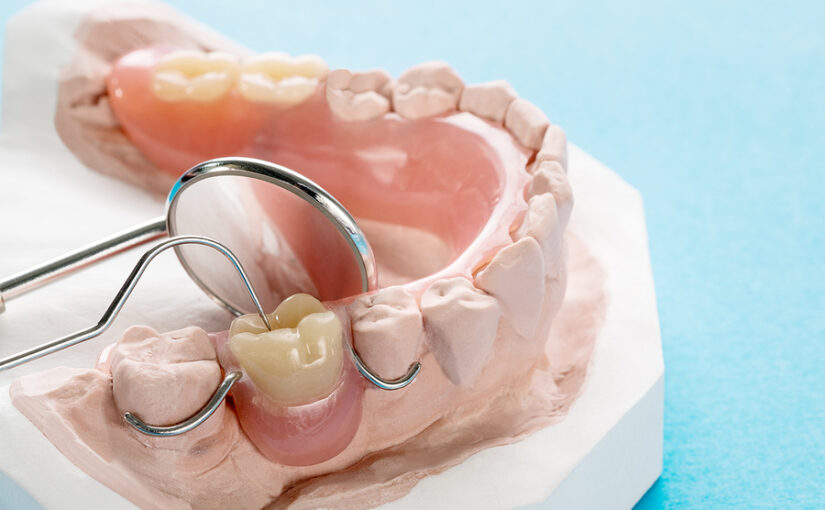
Some procedures—such as dental implants, orthodontics, or cosmetic dentistry—may not be covered at all. Why? Insurance companies are a big business and many of them are out to maximize their profits. This means they often opt for the least expensive alternative treatment (LEAT). For example, Dr. Elizabeth Eggert or Dr. Jeff Eggert may recommend a dental implant for its durability and long-term benefits, but your plan might only cover a partial denture because it costs them less.

Other common coverage limitations include:

  • Pre-existing conditions: Your plan might not cover treatments for conditions you had before enrollment.
  • Frequency limits: Your plan may limit the number of times they will pay for a procedure, like cleanings or exams per year, even if you need more to keep your oral health in tip-top shape.
  • Downcoding: Your insurance may change the procedure to a less expensive one, and you may be responsible for the difference.
  • Bundling: Multiple procedures may be combined into one “bundle” by the insurer, reducing your benefits.

Remember: Your dental plan is a financial agreement, not a treatment guide. It’s designed to manage costs, not dictate what care you receive. The most accurate way to think of it is like a good pre-paid coupon.

What to Do if a Procedure Isn’t Covered

If Dr. Elizabeth Eggert or Dr. Jeff Eggert recommends a procedure that isn’t covered, you have a few options:

  1. Look for covered alternatives: Sometimes, there’s a less expensive procedure that may at least partially address your dental issue and is covered by insurance. However, cheaper isn’t always better. Discuss with Dr. Elizabeth Eggert or Dr. Jeff Eggert whether the alternative is a good fit for your situation.
  2. Ask us about payment options: At Eggert Family Dentistry, we want you to be able to receive the care you need. Please ask our business team about payment options, which can include credit cards or medical financing options like CareCredit, which let you spread out payments over time, often with little or no interest.
  3. Appeal insurance decisions: If a claim is denied because the procedure was deemed “not dentally necessary,” you can appeal. Kristina in our office works hard for you, appealing insurance company decisions every day. If she needs you to get involved, she’ll let you know and a phone call by you can also help move things along. Your insurance company wants to maintain a good relationship with you as you are their customer (often through your employer).

Ultimately, never skip a medically necessary procedure due to insurance limitations. Dental issues don’t resolve on their own—they worsen. Treating problems early can prevent pain, infection, and higher costs down the line.

Why Investing in Dental Procedures Is Worth It

While it’s natural to focus on cost and insurance coverage, sometimes it’s smarter—and more cost-effective—to invest in a procedure not fully covered by insurance. Here’s why:

  • Durability: Procedures like dental implants may cost more upfront but last for decades, unlike dentures or bridges that may need to be replaced.
  • Functionality: Higher-quality restorations often look, feel, and function like natural teeth, improving comfort and confidence.
  • Preventive Value: Early treatment can stop issues from escalating, saving you time, money, and discomfort later. It is also less likely that you will need to have things replaced as quickly if done right the first time!

Make Treatment Decisions Based on Your Health, Not Just on Coverage

Dental insurance is a helpful tool, but it should not be the only factor in deciding your treatment. Your oral health has lifelong impacts on your comfort, nutrition, self-confidence, and even overall health. When facing a treatment decision, talk openly with Dr. Elizabeth Eggert or Dr. Jeff Eggert about your options, insurance coverage, and financing solutions.

Do you still have questions about what your plan covers or how to afford the treatment you need? Contact our team at Eggert Family Dentistry at 651.482.8412! We’re here to help you understand your options and get the care you need to stay healthy.


Questions About Dental Veneers? Check Out Our Veneer FAQs!

By: Dr. Elizabeth Eggert

Considering dental veneers? Our veneer FAQs address the most common questions so you can feel informed and confident when exploring whether veneers are the right fit for your needs—today or in the future.

Q: What are dental veneers?

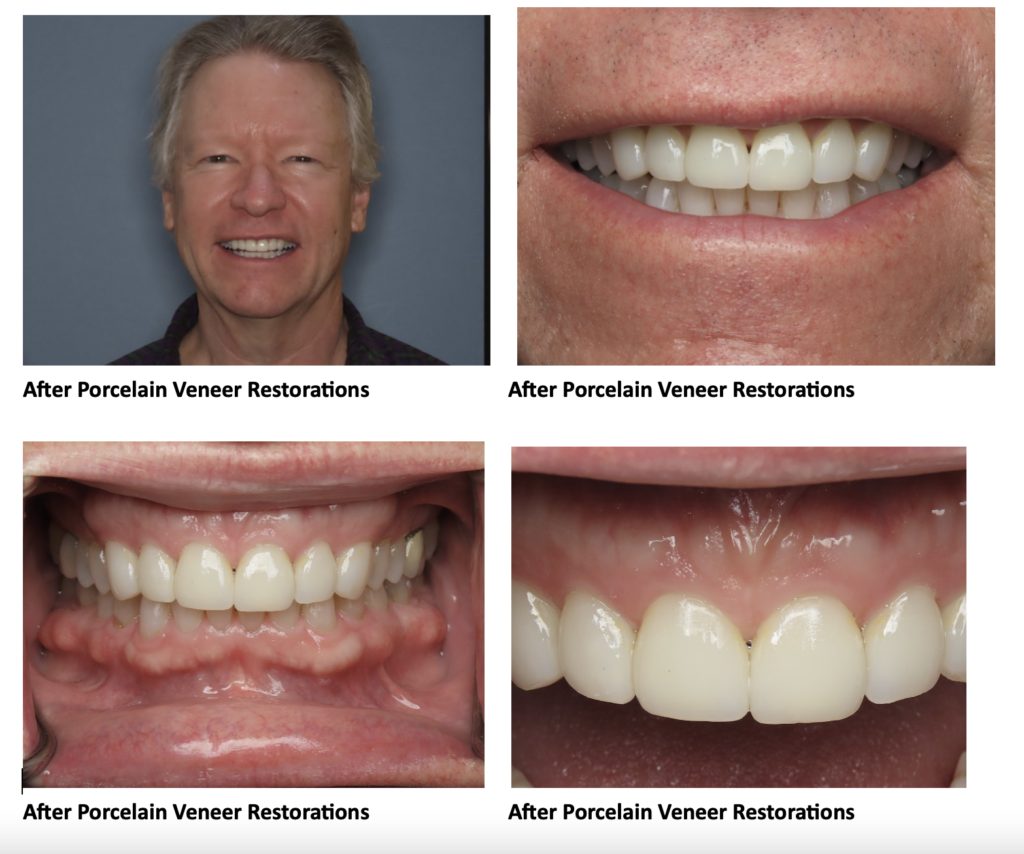
A: Dental veneers are thin, custom-made shells crafted from porcelain or composite resin that are bonded to the front of your teeth. They’re designed to enhance your smile by improving your teeth’s shape, color, and alignment.

Q. How are crowns different from veneers?

A. Crowns can be an excellent solution when you need to support a tooth and restore its integrity. Dr. Elizabeth Eggert and Dr. Jeff Eggert reshape the tooth and custom fit the crown over it like a cap or helmet. Crowns require more preparation of the natural tooth and are a good choice when needed, but if you are just changing the tooth for esthetic purposes, veneers are a great and more conservative option.

Q. Is getting veneers painful?

A. The procedure is considered minimally invasive, and most patients report little to no pain. Dr. Elizabeth Eggert and Dr. Jeff Eggert typically use a local anesthetic to reduce the likelihood of any discomfort. Your teeth may be sensitive to hot or cold for a few days, but this should resolve quickly.

Q: Am I a good candidate for veneers?

A: If you have healthy teeth and gums and are looking for a long-term solution to enhance your smile, veneers may be a great fit. At Eggert Family Dentistry, we’ll perform a comprehensive exam where we evaluate your oral health and discuss your smile goals to determine if veneers are right for you.

Q: How long do veneers last?

A: With proper care, porcelain veneers can last 10–15 years or even longer. Composite veneers have a shorter lifespan, but have a lower initial investment so some people find them to be a more affordable option. Maintaining good oral hygiene, scheduling routine dental visits, and avoiding habits like biting hard objects can help extend the life of your veneers.

Q: What is the process like for getting veneers?

A: The process usually involves three steps: consultation and planning, tooth preparation and temporary veneers, and then bonding the permanent veneers. Dr. Elizabeth Eggert and Dr. Jeff Eggert take time to understand your goals and carefully design a smile that looks natural and feels comfortable.

Q: Will getting veneers damage my natural teeth?

A: Veneers require reshaping the teeth and therefore a small amount of enamel is removed from your natural teeth to ensure a proper fit. This is irreversible, but it’s often a very minimal reduction and your teeth will still be protected by the veneer. Our team at Eggert Family Dentistry takes a conservative approach to preserve as much of your natural tooth structure as possible.

Q: Do veneers look natural?

A: Yes! Veneers are carefully crafted to match the color, shape, and translucency of natural teeth. At Eggert Family Dentistry, we customize each veneer to ensure a seamless and natural-looking result that complements your features and personality.

Q: What’s the difference between porcelain and composite veneers?

A: Porcelain veneers are stronger, more stain-resistant, and longer-lasting, while composite veneers can be placed in one appointment and start out as more budget-friendly. We’ll help you decide which material is best based on your needs and goals.

Q: Can I whiten my veneers?

A: Veneers don’t respond to whitening treatments like natural teeth do. If you’re considering whitening, we recommend doing it before getting veneers so we can match your veneers to your brightened smile.

Q. Are veneers covered by dental insurance?

A. Because veneers are considered a cosmetic procedure, they’re generally not covered by dental insurance. However, a veneer is occasionally placed to cover trauma or decay and may warrant insurance coverage. It’s best to check with your insurance company prior to pursuing veneers so you know what to expect. Also, many patients choose to use their FSAs or HSAs to offset the cost of their veneers.

Dental veneers are a minimally invasive and attractive choice that can give you a more confident smile. If you found our veneer FAQs helpful and you’d like to explore if they’re the right choice for you, give Eggert Family Dentistry a call at 651.482.8412 to set up a consultation!

The Long-Term Effects of Untreated Dental Trauma

By: Dr. Elizabeth Eggert

Whether from a fall, a sports injury, or an accident, dental trauma is common and can happen when you least expect it. It includes any injury to the teeth, gums, lips, or jaw. Let’s dive into untreated dental trauma and what you can do to prevent long-term damage and preserve your smile.

Types of Dental Trauma

Dental trauma can take many forms. It includes chipped or cracked teeth, dislodged or knocked-out teeth, teeth that are jammed into the socket, cuts in the mouth’s soft tissue, or a broken or dislocated jaw.

These issues range in severity and require a variety of treatments.

Signs of Dental Trauma

Signs of dental trauma can vary depending on the type and severity of the injury, but there are several common signs to watch for. A sudden toothache or mouth pain may indicate a crack, fracture, or damage to the tooth’s nerve. Swelling of the gums, lips, or face often accompanies injury, and bleeding can occur if soft tissues or the gumline are affected. Another sign of trauma is a discolored tooth, in which the tooth may appear dark or gray due to damage to the blood supply inside the tooth.

You might also notice a loose tooth, a change in how your teeth fit together when you bite, or even difficulty opening your mouth or moving your jaw. These symptoms could point to more serious issues such as jaw dislocation, tooth luxation, or fractures.

If you experience any of these issues, we recommend you call Eggert Family Dentistry right away. Dr. Elizabeth Eggert or Dr. Jeff Eggert would be happy to talk with you to assess the situation and determine the best path forward.

Consequences of Untreated Dental Trauma

If left untreated, something as seemingly minor as a fractured tooth or a small cut in your mouth can develop into more serious problems.

  • Cavities: Harmful oral bacteria can sneak into chips and cracks in teeth and set up camp. These bacteria can then spread, eroding enamel and causing pain, sensitivity, and infection.
  • Bite issues: Also known as malocclusion, dental injuries can cause the bite to become misaligned. Trauma can shift teeth out of their proper position or cause damage to the supporting bone and soft tissue. For example, if a tooth is pushed inward, outward, or sideways, it can disrupt how your upper and lower teeth come together when biting and chewing. Similarly, if a tooth is knocked loose or fractured, the surrounding teeth may shift slightly, leading to uneven contact or pressure.
  • Tooth loss: A blow to the mouth can cause tooth damage that makes a tooth more susceptible to decay. It can also weaken the tooth, which, left unattended, can lead to eventual tooth loss.
    Of course, some teeth get knocked out on contact, this is called avulsion. In this case, we recommend rinsing the tooth under clean running water—being careful not to touch the root—and putting it into a jar of water or milk to preserve it. Call Eggert Family Dentistry right away. In some instances, Dr. Elizabeth Eggert or Dr. Jeff Eggert can reinsert a tooth into the socket, especially if the avulsed tooth is properly cared for and reinserted quickly.
  • Nerve damage: This occurs when the nerves inside the tooth’s pulp become injured or inflamed. Nerve damage can cause extreme tooth sensitivity, discomfort when chewing, and aching around the base of the tooth. If the nerve issue isn’t addressed promptly, the nerve inside the tooth can become necrotic and die. At this point, Dr. Elizabeth Eggert or Dr. Jeff Eggert will likely recommend a root canal or tooth extraction.
  • Gum disease: Commonly referred to as periodontal disease, gum disease often sets in after an injury to the mouth. This is because, when teeth shift around, they can leave areas along the gumline more exposed and susceptible to harmful bacteria. These bacteria can inflame gums and, if they aren’t removed, can harden into tartar. Eventually, the diseased gums can pull away from the teeth even more, leading to additional loose teeth or even tooth loss.
  • Facial asymmetry: When dental trauma affects the jaw, it’s crucial to come in to Eggert Family Dentistry so Dr. Elizabeth Eggert or Dr. Jeff Eggert can assess the situation. When the jaw isn’t repositioned, a cascade of issues can ensue, including TMD, inflammation, and jawbone deterioration. In addition to increasing pain and discomfort, it can cause a person’s face to become asymmetric.  
  • Low self-esteem: Whether it’s a chipped, discolored, or missing tooth or an asymmetric face from a jaw injury, untreated dental trauma can negatively affect a person’s self-esteem. It can make people more timid in social situations and cause them to hide their smiles or even avoid public situations whenever possible.

If you or someone you love has experienced dental trauma—whether recently or in the past—schedule a visit to Eggert Family Dentistry. Dr. Elizabeth Eggert and Dr. Jeff Eggert offer a range of effective treatments to protect your smile and prevent the long-term consequences of untreated dental trauma. Call us today at 651.482.8412!

Waking Up Tired? Your Dentists at Eggert Family Dentistry Might Hold the Key to Better Sleep

By: Dr. Elizabeth Eggert

The quality of our sleep can make or break the day ahead. There’s nothing like a clear head and boatloads of motivation after a solid night’s sleep! Consistent, quality sleep can set us up for success in all aspects of life. Conversely, over time, poor sleep can take a toll—affecting our focus, job performance, relationships, and overall well-being. Surprising to many, dental interventions like the Seattle Protocol and oral sleep appliances are often the key to better sleep. Read on to learn more!

Understanding Sleep-Disordered Breathing

Just because your head is on your pillow for 7-9 hours at night, you’re not guaranteed solid sleep. If you’re waking up feeling tired and you’re fighting daytime fatigue, you may be struggling with sleep-disordered breathing.

Sleep-disordered breathing (SDB) encompasses a range of conditions that interfere with normal airflow during sleep. The most commonly understood form of SDB—sleep apnea—occurs when the airway becomes partially or completely blocked, often due to the jaw’s position or relaxed throat muscles and tissues. Symptoms can include loud snoring, gasping for air, morning headaches, dry mouth, and daytime fatigue, among others. There are many other patterns of sleep disordered breathing that aren’t as extreme as sleep apnea, but can still cause you to get poor quality sleep. Working to address any SDB is beneficial to your overall health.

The Role of Dentists in Treating Sleep Apnea

You might not expect your dentist to be the one to help with sleep issues, but they’re actually in a unique position to identify and treat sleep disordered breathing, including sleep apnea. At Eggert Family Dentistry, we specialize in evaluating the structure and function of your jaw and airway, as well as the status of your teeth, to determine whether they may be contributing to sleep dysfunction.

The Seattle Protocol and Its Benefits

So where does it all begin? The Seattle Protocol is a six-step process that helps patients with symptoms of sleep-disordered breathing and other conditions to determine whether a compromised airway is causing their ailments.

Each of the six steps builds upon the last to open the airway as much as possible, but patients don’t necessarily need to complete the entire process to identify their best solution. The purpose of the protocol is to determine which step provides the patient with the most relief of symptoms.

The Six-Step Seattle Protocol Process:

  1. Nose Breathing and Mouth Taping: During this stage, you will gently train your body to breathe through your nose, not your mouth.
  2. Temporary Splint for Lower Jaw and Mouth Taping: Once you’ve adjusted to the mouth taping, the second step of the protocol adds a temporary splint for your lower jaw while you sleep.
  3. Temporary Splint for Lower Jaw with Lower Jaw Pulled Forward and Mouth Taping: If adding the lower splint only isn’t giving you the restful sleep you deserve, we add an element that holds your lower jaw forward.
  4. Temporary Splint for Lower and Upper Jaw with Mouth Taping: If you aren’t getting relief from the previous step, we remove the forward jaw posturing component and add a splint for your upper jaw.
  5. Temporary Splint for Lower and Upper Jaw with Lower Jaw Pulled Forward and Mouth Taping: If you need to continue in the protocol, step five again adds a horizontal component by linking the upper and lower splints together and moving the lower jaw forward.
  6. Temporary Splint for Lower and Upper Jaw with Lower Jaw Progressively Pulled Forward and Mouth Taping: If you still aren’t getting that good night’s sleep, we move to the final stage of the Seattle Protocol. In this stage, we keep moving your lower jaw forward incrementally until you feel well-rested.

Once they gather information from the Seattle Protocol—and if they determine that sleep-disordered breathing is a factor for you—Dr. Elizabeth Eggert and Dr. Jeff Eggert can create a custom night guard or splint or sleep appliance that opens up your airway and curbs any inflammation or damage to your teeth, jaws, or soft tissue. These custom-fit devices gently reposition the jaw to keep the airway open while you sleep—reducing snoring and improving oxygen flow. These appliances are non-invasive, convenient, and generally more comfortable than a CPAP machine.

At Eggert Family Dentistry, our ultimate goal is to help you reclaim the rest your body and brain need to thrive.

Are You Struggling With Sleep?

Be mindful of your symptoms. Take note of how often you feel fatigued, whether you snore, or if you wake up frequently during the night. It’s also helpful to ask your partner about any sleep habits they’ve noticed. Partners often detect signs of sleep apnea or other disturbances that may go unnoticed by the person experiencing them. And, partners aren’t always willing to share what they know about your sleep habits unless you ask, since they don’t want to hurt your feelings!

Next, schedule a consultation with Eggert Family Dentistry. We’ll assess your symptoms and explore whether sleep-disordered breathing could be the underlying issue. If it is, we’ll work with you to create a customized treatment plan. Professional solutions, such as a tooth-based appliance or other interventions, can even contribute to better overall health.

You don’t have to suffer from inferior sleep. Give us a call at 651.482.8412 to set up your appointment with Dr. Elizabeth Eggert or Dr. Jeff Eggert and see if dentistry holds the key to unlocking the key to better sleep for you!

Keeping Your Invisalign Journey on Track: Tips for Success

By: Dr. Elizabeth Eggert

What Is Invisalign?

Invented in the late 1990’s and first marketed in 2000, Invisalign® is a less invasive, more aesthetic alternative to traditional braces. The Invisalign journey consists of a series of see-through trays, or aligners, that a patient swaps out regularly to help realign teeth into their proper position. These aligners are constructed of medical-grade thermoplastic polymers and are considered safe by the FDA.

Who Is and Who Isn’t a Candidate for Invisalign?

As opposed to traditional braces, the Invisalign journey requires a level of developmental maturity. Trays must be worn consistently, maintained properly, and swapped out at regular intervals per Dr. Elizabeth Eggert’s or Dr. Jeff Eggert’s recommendations. Consequently, Invisalign is typically recommended for responsible adolescents and adults as opposed to young children.

If you’re dealing with active gum disease or other severe oral issues, or if you think your adolescent isn’t mature enough to properly manage their Invisalign aligners and treatment, traditional braces may still be the best choice.

Learn more in our article Invisalign vs. Traditional Braces: Which is Right for You?

Tips for a Successful Invisalign Journey!

To make your Invisalign treatment successful, keep these important tips in mind!

  • Practice good oral hygiene.

Good hygiene is always important, but because aligners fit snugly against teeth and create a sealed environment, it’s even more crucial during an Invisalign treatment. Thoroughly brushing your teeth after each meal and before putting your aligners back in will ensure that food particles don’t get trapped against your teeth, causing cavities, plaque build-up, or gum disease. Good oral care will also keep aligners from becoming stained and keep your breath and aligners fresh.

  • Wear your aligners for 20+ hours a day.When it comes to Invisalign success, consistency is key. It might take a little time to adjust to speaking while wearing your aligners. Don’t worry! You will adjust quickly. Be sure to keep your aligners in unless you’re eating or drinking anything other than water. Then, replace them as soon as you brush your teeth. The more consistent you are with the process, the more quickly you’ll see results.
  • Use aligner chewies for proper placement.Biting down on these soft cylinder “chewies” will reduce any gaps between your aligners and your teeth and ensure your aligners fit snugly. Chewies help ease discomfort from improperly fitting aligners and can be ordered through Invisalign. Using your plastic toothbrush handle can be an easy alternative for chewies.
  • Swap aligners at recommended intervals.Aligners need to be replaced every week or two. Keep track of which day you need to swap out your aligner, and don’t try to stretch the length of time you wear each one.

Tip: Use the Invisalign app! Not only does it remind you when it’s time to swap out your aligner, but it will also help you monitor your progress, manage your appointments, keep up on best practices, and get customer support.

  • Always hold onto your previous aligner.

That way, if your current aligner cracks or gets lost, you can revert to your previous aligner until you can talk with Eggert Family Dentistry about your next best plan!

  • Follow the protocol outlined by Dr. Elizabeth Eggert or Dr. Jeff Eggert.

Ultimately, we highly recommend you stick with all of Dr. Elizabeth Eggert’s and Dr. Jeff Eggert’s recommendations. Each person’s Invisalign treatment is unique and our office will create a customized treatment plan that sets you up for success and helps you reach your goals.

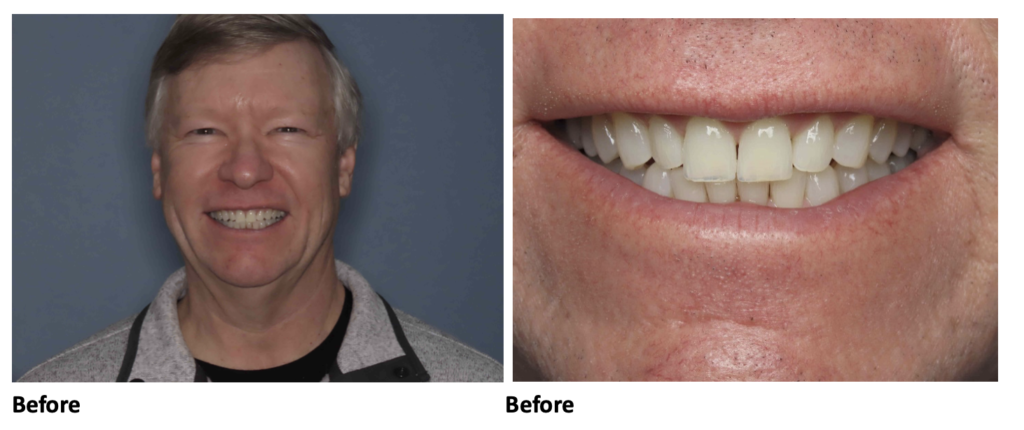
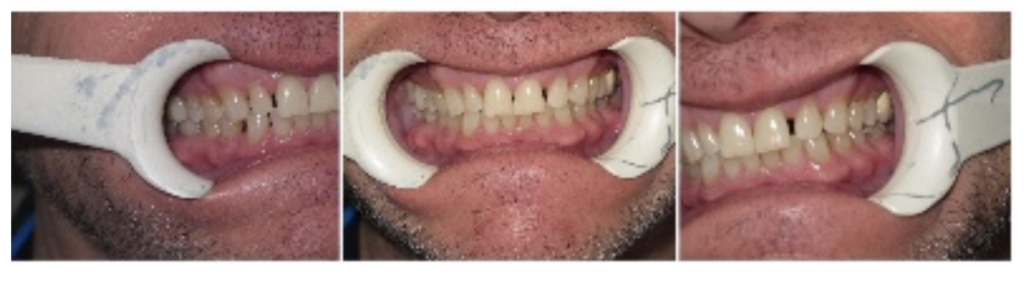
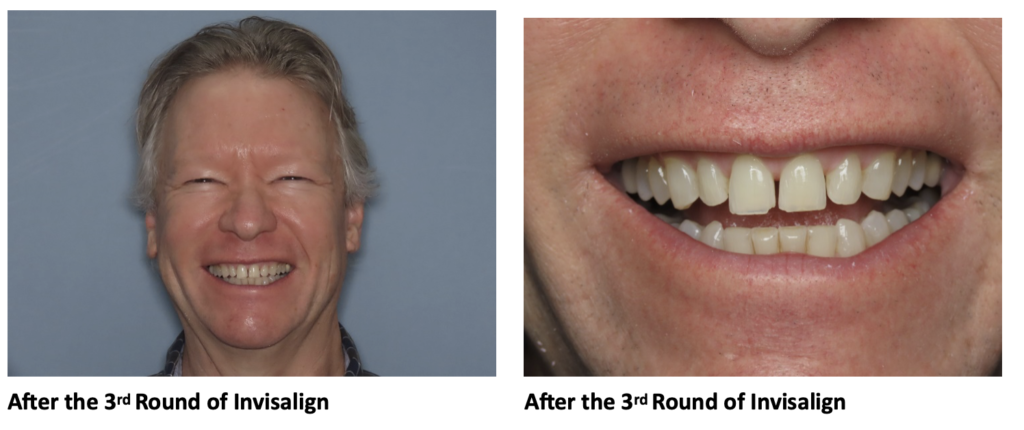
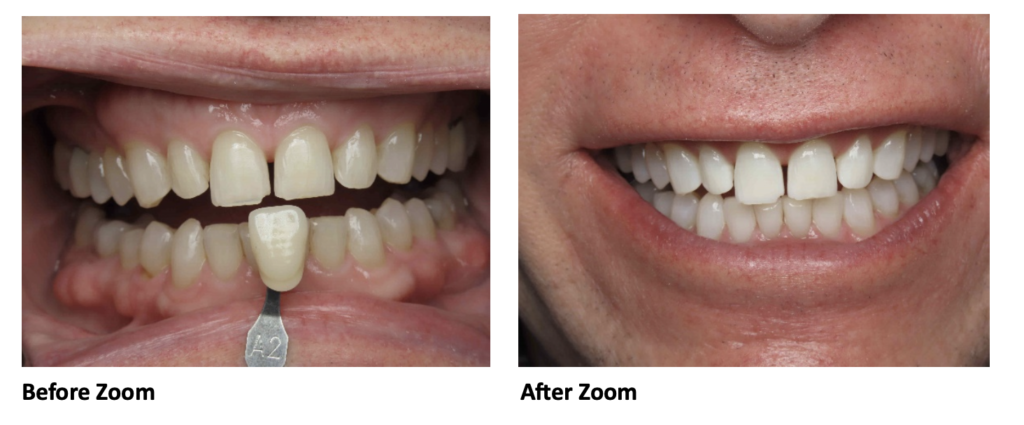
Read Matthew’s Invisalign success story here!  And, our latest patient of the month, “W’s” story here.

If you’re interested in learning more about the Invisalign journey and if it’s right for you, we’d love to see you for a consultation in our office! Schedule an appointment at Eggert Family Dentistry today by calling us at 651.482.8412.

The Surprising Ways Oral Health Influences Inflammatory Diseases

By: Dr. Elizabeth Eggert

You know oral health is important, but what you may not realize is that oral health impacts overall wellness. Many studies link poor oral health to serious systemic issues, including diabetes and heart disease. The culprits? Harmful bacteria and inflammation. Let’s take a closer look!

The Oral-Systemic Connection

Poor dietary and lifestyle habits, preexisting health conditions, dry mouth, or infrequent dental care can cause harmful bacteria to build up in a person’s mouth. When these bacteria are allowed to persist, they easily infect gums, often leading to gum disease, also known as periodontitis. From that point, they can seep into the bloodstream and affect other parts of the body.

Anytime your body perceives a threat, it will begin an inflammatory process to protect that part of the body and promote healing. In the case of an injury, for example, the body rushes white blood cells to the site of an injury to protect it and promote healing. With chronic inflammation, however, white blood cells perceive a constant threat over time, often sending white blood cells into nearby organs and systems. This can harm surrounding tissues and damage organs.

When harmful bacteria lodge in the gums, an inflammatory process begins. When these bacteria move through your bloodstream into other parts of your body, inflammation follows.

Thus, what begins as oral negligence can result in inflammatory diseases throughout the body.

Key Inflammatory Diseases Linked to Oral Health

Diabetes: Diabetes is a common inflammatory disease that can be linked to oral health…and it’s a two-way street.

People with Type 1 and Type 2 diabetes are at a higher risk for gum disease. That’s because higher glucose levels in the body mean higher glucose levels in the mouth. Elevated sugar levels in the mouth make it a more habitable place for harmful bacteria to grow and thrive, often leading to periodontal disease.

In another scenario, poor oral care can lead to periodontal disease, causing elevated blood sugar, contributing to insulin resistance, and leading to the development of diabetes or making diabetes more difficult to control.

Heart Disease: Heart disease is another inflammatory disease that can result from untreated gum disease. In fact, periodontitis increases a person’s risk for cardiovascular disease by 20%.

It all begins when harmful bacteria enter the bloodstream through inflamed gums and cause plaque to build up on the artery walls. When this plaque builds up, the artery walls narrow, restricting blood flow. This scenario puts a person at a higher risk of a heart attack or stroke. Bacteria can also build up on the heart valves, resulting in endocarditis.

Alzheimer’s Disease: Gum disease results in the formation of the bacteria porphyromonas gingivalis. These bacteria produce a toxic enzyme known as gingipains. Gingipains contribute to the buildup of beta-amyloid plaques, a hallmark of Alzheimer’s disease. When gingipains migrate to the brain, they can damage nerve cells essential for memory, leading to memory loss and, over time, Alzheimer’s disease.

Preventative Care to Protect Your Health

While the thought of oral health issues going systemic might make you nervous, prevention starts with simple steps that help you keep your mouth healthy!

  • Brush, floss, and swish with mouthwash daily to remove food particles before they turn into plaque, harden into tartar, and trap bacteria under the gum line, leading to gum disease. 
  • Limit the consumption of sugars and acidic foods. Avoid smoking, vaping, and other unhealthy lifestyle habits.
  • Visit Eggert Family Dentistry for routine professional cleanings. During these visits, Dr. Elizabeth Eggert and Dr. Jeff Eggert will look closely for any inflammation or early signs of gum disease. They’re equipped with the knowledge and tools to help you maintain—or reclaim—a healthy mouth!

As we approach World Oral Health Day on Thursday, March 20, we want to empower you to take charge of your oral health and for a healthier mouth, a healthier body, and a happier life! Schedule your next recare visit with Eggert Family Dentistry by calling us at 651.482.8412. 

The Role of Dental Crowns in Dentistry

By: Dr. Elizabeth Eggert

Believe it or not, dental crowns have been around since ancient times. Thought to have originated in Italy in the 700s BC, these first crowns were made of gold and communicated status among the aristocratic population. Fast forward two millennia to 1903, when Dr. Charles Land developed the first crown with hints of porcelain material as a way to repair a broken tooth.

Today, the role of crowns is two-fold. Crowns are both structural and aesthetic. Let’s take a closer look!

What Are Dental Crowns?

If you’ve heard people talk about crowns but you’re not entirely sure what they are, think of a crown like a hat or helmet for your tooth. This “helmet” fits snugly over your natural tooth, protecting it from splitting or breaking. Then it’s bonded into place. Before placing a crown, Dr. Elizabeth Eggert or Dr. Jeff Eggert removes a small amount of enamel from your tooth to ensure a proper fit.

Crowns are available in porcelain, metal, or a combination of the two. With the steadily improving porcelains over the years, porcelain remains the most popular choice among today’s dentists. It is highly durable, looks natural, and can be matched closely to the color of your existing teeth. Porcelain is both functional and aesthetic.

How Are Dental Crowns Created?

Dr. Elizabeth Eggert or Dr. Jeff Eggert begins by examining your tooth and taking any necessary imagery to check its health and structure. If they determine that a crown is the best choice for your tooth, they will prepare the tooth by removing any decay and reshaping it to ready it for the crown. Then, they will take an impression or scan of your tooth either electronically or with putty.

In many cases, our amazing dentists can create your crown the same day with our CEREC method. If they need to order your crown from an outside dental lab, they will fit you with a temporary acrylic crown, and you will schedule an appointment for your permanent crown two weeks later. Any crown you receive at Eggert Family Dentistry will match the color, shape, and size of your natural tooth for a flawless appearance!

When Are Dental Crowns The Best Choice?

By nature, teeth are subjected to significant wear and tear. Over time, they can develop cracks, fractures and even start to decay. In these instances, Dr. Elizabeth Eggert and Dr. Jeff Eggert generally recommend dental crowns to strengthen these weak teeth and extend the life of the natural teeth as long as possible. Restoring the integrity of a tooth or teeth is a crown’s primary function.

A Crown’s Many Jobs

Indeed, crowns are champs when it comes to protecting compromised teeth. But crowns have other important jobs as well!

  • Crowns can be placed on the teeth adjacent to a missing tooth to anchor a dental bridge securely.
  • Crowns can cover discolored teeth, creating a brighter smile.
    Read Mary’s story!
  • Crowns should always be placed over a tooth after a root canal treatment to keep the tooth from cracking.
  • Crowns are placed on top of dental implants to restore function and appearance.

Extend Crown Life With Proper Maintenance

Crowns are durable, but they’re not indestructible. With proper care, crowns should last 5-15 years. In some cases, crowns must be prematurely replaced on account of poor dental hygiene or fractures to the crown itself. In most cases, however, Dr. Elizabeth Eggert and Dr. Jeff Eggert replace crowns because acidic and sugary foods or dry mouth cause the underlying tooth to decay.

A crown is a lasting investment in your dental health. Use these tips to help extend its lifespan:

1. Maintain a consistent daily dental care routine.

When you brush and floss regularly, you remove harmful bacteria and sticky plaque from the surface of your teeth and between your crown and your gum line, decreasing the likelihood of tooth decay.

2. Wear a custom night guard if you grind your teeth.

Limit excessive bite force with a custom night guard. This is especially important if you’ve been diagnosed with bruxism. Learn more about the custom night guards we create for our Eggert Family Dentistry patients!

3. Limit your intake of sugary or acidic foods.

You might not think that sugary and acidic foods can affect a crown, but these substances can hang out around the gum line and cause the underlying natural tooth to deteriorate. They can also eat enamel on surrounding teeth, creating a visible contrast between the color of your natural teeth and your crown.

4. Steer clear of sticky or hard, crunchy foods.

Biting on hard candies, popcorn kernels, and other crunchy foods can weaken crowns or cause them to crack, just like your natural teeth can. Sticky foods like taffy and gooey candies can actually dislodge crowns while increasing your risk of tooth decay. Foods in these categories are best avoided.

If it’s been awhile since your last recare visit, schedule an appointment at Eggert Family Dentistry in North Oaks, MN. In addition to a thorough cleaning and careful inspection of your jaws, teeth, and gums, Dr. Elizabeth Eggert and Dr. Jeff Eggert will closely inspect any existing dental work to make sure it’s structurally sound and doing its job and recommend dental crowns and other interventions when needed. Call us at 651.482.8412!

Vaping: What Every Parent and Teen Should Know

By: Dr. Elizabeth Eggert

Most teenagers are averse to the taste and smell of cigarettes, and we’ve seen a sharp decline in cigarette use among teens in recent decades (it’s helped that smoking cigarettes has fallen “out of style”). However, the lure of smoking is still just as strong as it was in the 20th century – it just looks a little different.

E-cigarettes or “vapes” are electronic devices that heat nicotine and disperse it as an aerosol. There is no smoke or tobacco involved, so many teenagers have been led to believe that vaping isn’t as bad for you.

Regardless of whether or not they realize it, the #1 problem of vaping is still the exact same as smoking: Nicotine is one of the most addictive chemicals on the planet.

At Eggert Family Dentistry, our patient’s health and well-being are our top priority, and we are here to support you in any way we can. Here’s what you and your teenager need to know about vaping.

Who’s Vaping and Why?

A 2022 study released by the U.S. Food and Drug Administration (FDA) and the U.S. Centers for Disease Control and Prevention (CDC) found that 2.55 million U.S. middle and high school students reported current e-cigarette use in 2022. That number represents 14.1% of high school students and 3.3% of middle school students.

Students vape because of three main reasons:

  1. Many teens believe vaping is less harmful than smoking.
  2. E-cigarettes have a lower per-use cost than traditional cigarettes.
  3. Youths and adults find the lack of smoke appealing. With no smell, e-cigarettes reduce some of the stigma of smoking.

It’s true that vaping is thought to be less harmful to the lungs than inhaling smoke, however, research is still being done and due to all the chemicals involved with e-cigarettes, the evidence isn’t clear.  However, if this is the reason your teen cites to defend their vaping addiction, tell them that it’s also true that knives are less harmful than guns. That said, we still wouldn’t want to be faced with either.

Additionally, nicotine as an aerosol comes with its own serious health risks — not only does the vapor contain a known pesticide, but there are hundreds of chemicals present in aerosols that have yet to be identified. We don’t yet know all the side effects and risks.

Side Effects and Dangers of Vaping

What we know for sure is that E-cigarettes contain harmful chemicals such as:

  • Formaldehyde, which is known to cause cancer.
  • Acrolein which is used as a weed killer and can cause irreversible lung damage.
  • Flavorants such as diacetyl, a chemical linked to serious lung disease.
  • Volatile organic compounds such as benzene, which is found in car exhaust.
  • Heavy metals, such as nickel, tin, and lead.
  • Nicotine, which is highly addictive and damaging to the brain.

Just like smoking, there are two sets of side effects when it comes to vaping. One category of side effects has to do with the physical act of inhaling chemicals/vapor into the lungs (vaping). The other category has to do with becoming a nicotine addict.

Side Effects of Vaping:

Because vaping is relatively new, researchers don’t yet know all the effects vaping can have on your body. What we do know, though, is alarming enough:

  • Difficulty Breathing: The particles you inhale while vaping can cause inflammation (swelling) and irritation in your lungs, making it harder to catch your breath.
  • Asthma: Vaping can make you more likely to get asthma and other lung conditions. It can also make your existing asthma worse.
  • Lung Scarring: Diacetyl, a chemical used in some flavorings, can cause bronchiolitis obliterans (“popcorn lung”). Bronchiolitis obliterans causes permanent scarring in your lungs. That means that even if someone quits vaping, the negative effects of it will be with them for the rest of their lives.

Side Effects of Being a Nicotine Addict:

Any addictive substance is going to cause harm, but nicotine addiction can be especially harmful.

  • Nicotine Dependency: When you start vaping, it only takes a few days of consistent use before your brain starts to rely on the presence of nicotine in order to feel normal. Without a constant supply, nicotine addicts go into withdrawal and feel anxious, stressed, unsettled, irritable, and fidgety.
  • Inability to Focus: Nicotine is the one of the most addictive chemicals on the planet because it enters and leaves your system quickly, which is why smokers and vapers feel the need to smoke/vape every 20 minutes or so. This makes it noticeably more difficult to focus for prolonged periods of time. Whether you’re writing an essay, taking a test, drawing a picture, relaxing with friends, or watching a movie, so long as you are still vaping, your addiction will always make you feel the need to vape.
  • Increased Anxiety: The popular belief is that smoking and vaping can calm you down. Researchers know that the exact opposite is true: Nicotine spikes your heart rate and blood pressure, which is directly responsible for increasing anxiety.
  • Other Mood Disorders: Several studies have also found that nicotine addiction during adolescence is also associated with a higher risk of developing mental and behavioral problems during adulthood, including: major depressive disorder, agoraphobia, and panic disorder.

How Vaping Affects Your Oral Health

Nicotine, whether smoked or vaped, restricts blood flow to the gums, which can contribute to gum disease. The fluid in e-cigarettes only increases the risks. Other ways that nicotine and aerosol can harm your oral health include:

  • Dry mouth: Nicotine in e-liquid inhibits saliva production which leads to dry mouth. When your mouth is dry, it’s a perfect habitat for bacteria which can lead to tooth decay.
  • Damage to soft tissue/enamel: Propylene glycol is used as a carrier ingredient in e-liquid, propylene glycol has toxic effects on soft tissue and enamel. Additionally, e-liquid flavorings when added to vegetable glycerin cause a 27% decrease in the hardness and integrity of tooth enamel.
  • Receding Gums: Continued nicotine exposure causes reduced blood flow which can cause gum tissue to die and recede, exposing more of the tooth.
  • Tooth Decay/Loss: Exposed gums leads to tooth sensitivity, an increase in cavities, and in some cases, tooth loss.

The Bottom Line

Even if you believe your child would never use e-cigarettes or vapes, it’s important to talk to your teenager about vaping. Even those teens who manage to avoid peer pressure are still going to be exposed to vaping at some point in their lives. It’s important to make sure your child is prepared with the right information to make the correct decision.

Questions About Vaping and Your Oral Health?

Vaping poses significant risks to your oral and overall health. If you or a loved one are struggling to quit vaping or have any concerns about its effects on your oral health, please don’t hesitate to reach out to us at Eggert Family Dentistry. Dr. Jeff Eggert and Dr. Elizabeth Eggert are committed to providing comprehensive dental care to our patients and are happy to answer any questions you may have. Give us a call at 651-482-8412 to schedule an appointment today, or to learn more about how we can help you and your teen maintain a healthy, beautiful smile.

Quitting Smoking: Health Effects of Smoking and Cessation Resources

By: Dr. Elizabeth Eggert

Smoking is a dangerous habit that can have severe effects on both your overall health and oral health. This is something that research has proven time and time again — and it’s something that the majority of smokers already know.

However, many people are still unaware of the sheer range of problems that smoking can cause. In this blog, we’re taking a look at these health problems, as well as addressing how and why smokers can quit.

While we believe it’s important to inform our patients, we also understand that frightening health facts don’t often help smokers quit. So, if you are considering quitting smoking, but are still on the fence, we encourage you to skip the health section for now, and simply scroll down to our “Why Quit” section, where we discuss the reasons smokers believe they need to smoke. At the end of this article, we also provide you with a list of resources to help you get started on your quitting journey.

Effects of Smoking on Your Overall Health:

When people think of the negative effects of smoking, most people think of the big one: lung cancer. However, because smoking affects nearly every part of the body, it can be the culprit behind a laundry list of illnesses. According to the Center for Disease Control, for every person who dies because of smoking, at least 30 people live with a serious smoking-related illness. Let’s take a deeper look at what smoking does to the body:

Difficulty Breathing:

Smoking causes a range of respiratory problems. When you inhale cigarette smoke, it irritates your airways and causes inflammation, which can make it difficult to breathe. This  leads to chronic coughing, wheezing, and shortness of breath. Over time, smoking often leads to chronic obstructive pulmonary disease (COPD), emphysema, and lung cancer.

Increased Anxiety and Depression:

Smoking can also have negative effects on your mental health. Studies have shown that smokers are more likely to experience anxiety and depression than non-smokers. Nicotine acts as a stimulant, increasing feelings of anxiety, while withdrawal symptoms lead to feelings of depression.

Increased Risk of Heart Attack:

Smoking is a major risk factor for heart attack. The chemicals in tobacco smoke damage your heart and blood vessels, leading to an increased risk of heart disease, heart attack, and stroke. In fact, smokers are twice as likely to have a heart attack as non-smokers.

Oxygen Deprivation of All Muscles:

When you smoke, the nicotine in tobacco causes your blood vessels to narrow, which restricts blood flow and oxygen to your body. This leads to oxygen deprivation in every single muscle of the body, which causes chronic fatigue, poor wound healing, and peripheral artery disease.

Effects of Smoking on Your Oral Health:

Yellowed Teeth:

One of the most visible effects of smoking on your oral health is yellowed teeth. The tar and nicotine in tobacco smoke will stain your teeth, giving them a yellow or brownish hue. This staining is usually unsightly and difficult to remove.

Dry Mouth:

Smoking also causes dry mouth, which occurs when there is a decrease in the production of saliva. Saliva plays an important role in keeping your mouth healthy by washing away food particles and neutralizing acids produced by bacteria. When you have a dry mouth, you are more susceptible to tooth decay and gum disease.

Receding Gums:

Smoking can also lead to receding gums, which is when the gum tissue around your teeth pulls back, exposing the roots of your teeth. This can cause tooth sensitivity, as well as an increased risk of tooth decay and tooth loss.

Increased Cavities and Tooth Loss:

Smoking also increases your risk of cavities and tooth loss. The chemicals in tobacco smoke can damage the enamel on your teeth, making them more susceptible to decay. Additionally, smoking can lead to gum disease, which is a major cause of tooth loss.

Oral Cancer:

Some of the chemicals contained in tobacco smoke and chewing tobacco are carcinogenic, meaning they cause genetic changes in cells of the mouth cavity and cause oral cancer. Regular dentist visits are a must if you’re worried about developing oral cancer, as Dr. Jeff Eggert or Dr. Elizabeth Eggert can provide thorough oral cancer screenings as a part of our proactive approach to dentistry.

In conclusion, smoking has a range of negative effects on your overall health and oral health. Quitting smoking is the best way to reduce your risk of developing these health problems and improve your overall well-being.

Why Quit?

Every smoker knows they should quit for the detrimental health risks. And yet every smoker wants to continue smoking. So, before we talk about quitting, it’s important that we first address why smokers smoke in the first place — or why they believe they have to smoke.

Smokers usually cite a number of reasons for why they smoke, including:

  • Stress: Smokers believe that smoking relieves stress or calms them down.
  • Boredom: Smokers believe that they smoke because they are bored.
  • Concentration: Smokers believe that smoking helps them concentrate.

Because they hold these beliefs about what smoking does for them, smokers are under the impression that quitting smoking would rob them of these supposed “benefits” of smoking. The wonderful truth is, smoking does none of these things for you.

Smoking doesn’t calm you down. In fact, it does quite the opposite. Nicotine is a known stimulant that raises your heart rate and blood pressure, causing increased stress and anxiety in both the short and long-term.

Smoking doesn’t relieve boredom. When smokers are bored, it’s true that they often light a cigarette. However, smoking cigarettes itself isn’t exciting. If you weren’t a smoker, chances are you’d find something else to do that would be significantly more entertaining than inhaling cigarette smoke for seven minutes.

Smoking doesn’t help you concentrate. Research confirms that smoking is terrible for your concentration. Having a nicotine addiction – or any addiction, for that matter – is incredibly distracting, and makes it much more difficult to concentrate on day-to-day tasks.

So, to the question “Why quit?” We answer:

  • To be free of nicotine addiction.
  • To experience a vastly improved bill of health.
  • And because smoking does nothing for you in the first place. You have nothing to lose!

Resources to Help You Get Started with Quitting Smoking

Allan Carr’s “EasyWay To Stop Smoking”: Developed by a former chainsmoker, this smoking cessation technique uses a combination of logic and psychology to break down all the reasons why smokers believe they need to smoke, and then explodes each myth one by one. (For example, our points in the above section were taken from Allan Carr’s work.) Carr’s method is available in print, as an audiobook, or in-person as a seminar.

National Cancer Institute Quitline: The National Cancer Institute provides a free smoking cessation hotline where people can receive counseling and support to quit smoking. The Quitline can be reached at 1-877-44U-QUIT (1-877-448-7848).

Smokefree.gov: Smokefree.gov is a website created by the U.S. Department of Health and Human Services that provides a range of resources to help people quit smoking, including a step-by-step quit guide, mobile apps, and text message support.

American Lung Association: The American Lung Association offers a range of resources to help people quit smoking, including online tools, support groups, and a free quit smoking helpline at 1-800-LUNGUSA (1-800-586-4872).

Your healthcare provider: Your healthcare provider can provide guidance on quitting smoking and may be able to prescribe medications or recommend other treatments to help you quit smoking.

Community resources: Many communities have resources to help people quit smoking, including local support groups, smoking cessation programs, and community health clinics. Check with your local health department or community center to find out what resources are available in your area.

Lean on The Experts at Eggert Family Dentistry

The negative health effects of smoking are vast and far-reaching, impacting both overall health and oral health. However, quitting smoking is the single most important step you can take to improve your health and wellbeing. If you or someone you know is struggling with smoking cessation, there are many resources available to help you on your journey.

At Eggert Family Dentistry, we are committed to helping our patients achieve optimal oral health. If you have questions or need assistance with smoking cessation, please don’t hesitate to reach out to us at 651-482-8412. Our team is here to support you on your journey to a healthier, smoke-free life!

Smoking Marijuana: 6 Oral Health Effects You Should Know

By: Dr. Elizabeth Eggert

Marijuana (AKA cannabis) is commonly used for both medicinal and recreational purposes. Just like other recreational drugs, such as alcohol, it’s important for patients to be aware of the potential negative health effects associated with the use of marijuana. With all the buzz lately about legalizing marijuana in Minnesota, we thought this topic very timely.

Because the majority marijuana users ingest it by smoking, one’s oral health can be significantly impacted by marijuana use. According to research, the negative oral health side-effects of smoking marijuana include:

  • Dry mouth, which can lead to a number of other oral health conditions.
  • Cavities and tooth decay because of appetite stimulation associated with use.
  • Gum disease has been linked to frequent marijuana use.
  • Oral Candidiasis (thrush) which causes redness, white plaque, and soreness inside the mouth.
  • Yellow teeth are a common side effect of smoking, whether it’s cannabis or tobacco.
  • Risk of oral cancer is increased in regular marijuana smokers.

At Eggert Family Dentistry, one of our top priorities is to educate our patients about their oral health. Here’s an in-depth look at the oral health effects of marijuana use.

1. Dry Mouth

Also known as xerostomia, smoking marijuana can cause dry mouth by decreasing the production of saliva. Saliva acts as a natural cleanser for your mouth, carrying antimicrobial agents that kill disease-causing bacteria. Without it, bacteria are allowed to flourish in the mouth, leading to a higher risk of tooth decay and gum disease.

2. Cavities

While dry mouth makes you more likely to experience tooth decay, appetite stimulation that marijuana users experience can also lead to an increased presence of cavities. Many cannabis users report that their consumption of high-sugar foods increases during cannabis use. This, in combination with a lack of saliva, creates the perfect environment for cavities to develop.

3. Gum Inflammation/Gum Disease

Any kind of smoke, marijuana or not, has the potential to irritate and inflame the gum tissue. Inflammation and irritation can contribute to gum disease, which is a serious oral health problem that causes tooth loss and other health complications. Gum disease can also be caused by the proliferation of bacteria that’s caused by dry mouth. It cannot be cured and requires regular treatment to manage.

4. Oral Candidiasis

Commonly known as Thrush, oral candidiasis is a fungal infection in the mouth caused by an increased production of yeast colonies. These colonies are normally present in the mouth, but the effects of cannabis in combination with poor oral hygiene can promote overgrowth. This results in redness, excess white plaque, and soreness inside the mouth.

5. Yellowed Teeth

Just like cigarette smoke, marijuana smoke contains tar and other chemicals that can adhere to the surface of the teeth, causing them to become discolored and yellow. A regular marijuana smoker may notice that these stains are difficult to remove with regular brushing and flossing. Patients may need professional whitening treatments to remove stains from marijuana smoke.

6. Oral Cancer

The link between oral cancer and marijuana smoke is still being debated and researched today. However, it has been reported that a synergistic effect between tobacco and cannabis smoke may increase oral and neck cancer risk for people who smoke both (that includes cigars that have been hollowed out and filled with cannabis).

Questions? Call Eggert Family Dentistry

Just like it’s important to be aware of the negative health effects of alcohol, so too must one be aware of the negative health effects of marijuana. If you’re a regular smoker, it is important to practice good oral hygiene and visit Eggert Family Dentistry regularly so that we can monitor your oral health. If you have questions about the oral health effects of marijuana smoking, or would like to make an appointment to have your oral health evaluated, please call us at 651-482-8412. We look forward to helping you take care of your oral health!