How to Floss Properly and Why It Matters

By: Dr. Elizabeth Eggert

When it comes to keeping your mouth healthy, brushing alone isn’t enough – you also need to floss daily. Flossing helps remove plaque and food debris between your teeth, in places your toothbrush simply can’t reach. To floss properly, start with about 18 inches of string floss. Wrap most of it around your middle fingers, leaving a short section to work with. Gently slide the floss between your teeth using your thumb and forefinger to guide the floss in a back-and-forth motion, then curve it into a “C” shape against one tooth. Carefully move the floss up and down, making sure it goes just under the gumline. Repeat this process for each tooth, using a clean section of floss as you go.

Why String Floss Stands Out

String floss remains the gold standard for cleaning between your teeth. It’s effective at removing plaque when used correctly, and it gives you full control over pressure and placement. At Eggert Family Dentistry in North Oaks, MN, Dr. Jeff Eggert and Dr. Elizabeth Eggert often find that patients who use a woven type of string floss have lower plaque levels compared to those who use other products. For years, one of our favorite woven flosses was unavailable, but we’re happy to share that it’s back! You can once again find Reach Ultraclean Gentle Gum Care woven floss on Amazon, and it’s available at a reasonable price – it’s back by popular demand.

Flossing Alternatives: Water Flossers

Many people turn to flossing alternatives such as water flossers. These devices use a steady stream of water to clean between teeth and along the gumline. The main advantage is that they’re easy to use, especially if you have braces, implants, or bridges. They can also feel gentler for sensitive gums. However, water flossers don’t scrape plaque from the sides of your teeth as effectively as string floss. They are a helpful supplement, but they shouldn’t replace traditional flossing altogether.

Floss Picks and Interdental Brushes

Floss picks and interdental brushes are other popular alternatives. Floss picks are convenient and portable, making them great for on-the-go use. The drawback is that they don’t allow you to curve the floss properly around each tooth, so you may not get the same thorough clean. Interdental brushes, on the other hand, are especially effective for cleaning larger spaces or around orthodontic appliances. The downside is that they’re not always practical for tight contacts between teeth. Both tools can be helpful additions, but neither fully matches the effectiveness of string floss when it comes to daily plaque removal.

Finding What Works Best for You

Ultimately, the best flossing method is the one you’ll use consistently. At Eggert Family Dentistry, we’re always happy to review flossing techniques with you at your next recare visit and help you find the right product for your unique needs. Whether you prefer classic woven floss, a water flosser, or an interdental brush, the key is making flossing part of your daily routine. With the return of Reach Ultraclean Gentle Gum Care woven floss, you now have another excellent option to keep your smile healthy and your gums strong. Call us today for your next appointment – 651.492.8412.

Images courtesy of Vectorstock.com

Scaling and Root Planing:
 A Deeper Clean for Better Health

By: Dr. Elizabeth Eggert

If you visit our office regularly, you’re already educated about the threat of gum disease. We make it a priority to teach our patients how to care for their teeth and prevent its harmful effects. Unfortunately, it can sometimes develop despite our best efforts, and when it does, Dr. Elizabeth Eggert and Dr. Jeff Eggert of Eggert Family Dentistry in North Oaks, MN address it directly.

In this article, we’ll provide a concise overview of gum disease, also known as periodontal disease, and explain how scaling and root planing can help stop—and in some cases even reverse—its effects before it leads to tooth loss or other systemic health issues.

Understanding Gum Disease

Gum disease is an infection of the tissues that support your teeth, typically starting as gingivitis—the mild, reversible stage marked by red, swollen gums that may bleed easily. Without treatment, it can progress to a more serious form of periodontal disease, often referred to as periodontitis, where the infection damages the bone and connective tissue, leading to gum recession, loose teeth, and often tooth loss.

Gum disease develops when plaque—a sticky film of bacteria—builds up on teeth and hardens into tartar, irritating the gums and causing inflammation. Common signs include bleeding gums, bad breath, swollen or tender gums, receding gums, and shifting teeth. Good oral hygiene at home and regular dental visits are key to preventing and treating gum disease.

What Is Scaling and Root Planing?

Scaling and root planing is a deep-cleaning treatment used to address gum disease. Scaling involves removing plaque and tartar from both above and below the gum line, where regular brushing, flossing, and routine dental cleanings can’t reach. Root planing smooths the surfaces of the tooth roots, making it harder for bacteria to cling and helping the gums heal and reattach to the teeth.

Dr. Elizabeth Eggert and Dr. Jeff Eggert typically recommend this procedure when gum disease has advanced beyond gingivitis and deep pockets have formed between the gums and teeth. Unlike a routine cleaning, which focuses on the visible surfaces of teeth, scaling and root planing targets the deeper areas where infection has taken hold, especially below the gum line, helping to stop disease progression and protect your smile.

The Benefits of Scaling and Root Planing

Scaling and root planing delivers lasting benefits that protect your gums, teeth, and overall oral health. By targeting the bacteria and tartar that contribute to gum disease, this treatment can improve healing, prevent further damage, and support a healthier mouth.

Key benefits include:

  • Halting the progression of gum disease by removing plaque and tartar from deep beneath the gums
  • Reducing inflammation and bleeding, allowing gums to heal and stay healthy
  • Helping prevent tooth loss by stopping the infection that can loosen teeth
  • Supporting bone and gum tissue regeneration, promoting recovery of oral structures
  • Improving breath and overall oral hygiene by eliminating bacteria and plaque buildup

What to Expect from Scaling and Root Planing

Scaling and root planing is typically done over one or more visits, depending on the extent of the gum disease. During the procedure, the magnificent hygienists at Eggert Family Dentistry will use specialized instruments to carefully remove plaque and tartar from above and below the gum line. Then they will smooth the tooth roots to help the gums reattach. Often both a water treatment, using a Cavitron, and hand instrumentation is used. A local anesthetic is generally used to ensure your comfort throughout the treatment.

After the procedure, proper healing and maintenance are essential. Our patients are encouraged to continue diligent oral hygiene at home—brushing, flossing, and using antimicrobial rinses, as recommended. Follow-up appointments allow our team to monitor your progress and, in some cases, prescribe antibiotics to support healing. At Eggert Family Dentistry, patient comfort and personalized care are a top priority, ensuring each visit is as gentle and effective as possible.

Addressing gum disease early on is one key to protecting your teeth, gums, and overall oral health, and advanced treatments like scaling and root planing can make a significant difference in halting its progression and promoting healing.

During routine recare visits, we can spot potential issues early—before they become serious. If you’re experiencing symptoms of gum disease or want to learn more about how scaling and root planing can support your oral health, give Eggert Family Dentistry a call at 651.482.8412 to set up an appointment!

Two Brothers, Both Missing Teeth – the Stories of Anders and Lars

By: Dr. Elizabeth Eggert

How did this start?

Family is very important to us here at Eggert Family Dentistry and serving entire families is one of our biggest joys.  We love following trends in families because we can often help stop dental disease in its tracks, especially for children of parents that have been patients for years.  We truly appreciate the trust so many families put in the care of our doctors – Dr. Elizabeth Eggert and Dr. Jeff Eggert, as well as our dedicated team.  A positive dentist-patient relationship is the cornerstone of good oral health for your whole family.  Now, meet Anders and Lars, two brothers who came to us as new patients, joining their father who had been seeing Dr. Elizabeth for over a decade.

Lars and Anders both had congenitally missing teeth, meaning they weren’t born with certain teeth.  Missing teeth, also known as hypodontia, is a hereditary condition and often runs in families.  A congenitally missing tooth is one of the most common dental developmental anomalies.  In fact, roughly 20% of adults have at least one tooth that never developed.

Before

What did Lars and Anders want?

Lars and Anders both started orthodontics before they were patients at Eggert Family Dentistry.  With their parents and their orthodontist, Lars and Anders chose to close the space where they were missing a lateral incisor (tooth #10).  The hope was that when they were old enough, the canine tooth could be “converted” to look like a lateral incisor.  This is not the easiest restorative conversion and it can lead to long-term bite issues, but Dr. Jeff and Dr. Elizabeth were ready to take on the challenge and help Lars and Anders address their esthetic concerns, meanwhile, hoping to help them stabilize their bites for long-term success.   

What was involved?

In addition to the missing lateral incisors, both Lars and Anders had spacing and tooth size discrepancies for their other incisors.  It was recommended to buildup their anterior teeth with composite resin, doing composite veneers, to address these spacing and tooth shape issues.  Because Lars and Anders are still young adults, composite resin was chosen as the material of choice because it is a very conservative option and will allow for easy conversion to porcelain materials down the line for ultimate esthetics as these two move along into adulthood.

After preplanning appointments to gather impressions for models to use for a wax-up and an appointment to mock-up the teeth and view the proposal, both Lars and Anders had their tooth changes done in only one appointment!

What do they think?

Both brothers are typical, busy, college students, but we were able to flag them down regarding their treatment.  They report that things have settled in nicely and they are getting used to the changes.  Lars told us, “I feel good about the treatment.  It’s different, but as I look at them every day, I really like it.”  He told us he was a little nervous before the treatment because we were changing the look of his teeth, but he was confident in the doctors at Eggert Family Dentistry and knew the process would be worth it.  He would tell someone else considering this procedure to “Trust the process.  The doctors at Eggert Family Dentistry know what they are doing.  It can be scary, but really there isn’t anything to worry about.”

We are so pleased to be able to give these brothers a new matching set to smile with.  Thank you for the trust you place in our team at Eggert Family Dentistry.  We look forward to many years caring for you and your family!


How Dental Insurance Works, Common Coverage Gaps, and Why Dental Procedures Are Worth the Investment

By: Dr. Elizabeth Eggert

Dental insurance can be a valuable tool in helping you manage the cost of maintaining a healthy smile. However, many patients are surprised to learn that dental insurance doesn’t always cover the full cost—or in some cases, any of the cost—of the treatments recommended by Dr. Elizabeth Eggert or Dr. Jeff Eggert of Eggert Family Dentistry. Understanding how dental insurance works, where coverage gaps occur, and why it’s worth investing in procedures not covered by your plan can help you make informed, confident decisions about your oral health.

How Dental Insurance Plans Work

Unlike medical insurance, dental insurance is designed more as a benefit than a comprehensive health care plan. Most dental plans follow a cost-sharing model between the insurer and patient, which includes deductibles, copays, annual maximums, and coinsurance.

  • Deductible: A deductible is the amount you must pay out of pocket before your insurance begins covering costs. Preventive services like cleanings and exams often don’t require a deductible. But, unfortunately in this changing market, some new plans WILL require deductibles before they provide any benefits.
  • Copay: A copay is a predetermined dollar amount that patients must pay upfront for a medical or dental service. These can vary depending on the type of service you receive.
  • Annual Maximum: Most plans cap how much they’ll pay per year—commonly around $1,000–$1,500. Once you reach that limit, you pay for additional treatments out of pocket.
  • Coinsurance: After meeting your deductible, you typically share in the cost of treatments. For example, your plan might cover 80% of a procedure, leaving you responsible for the remaining 20%.

At Eggert Family Dentistry, we do a lot to help you understand your insurance plan and how these terms apply to you. However, we always need you to understand that we have nothing to do with the makeup of your plan, we do not  determine your coverage, and we cannot do anything to “make your insurance company pay.” Your plan is decided by the agreement between your employer and the insurance provider, or by the plan you purchase individually. As always, Dr. Elizabeth Eggert and Dr. Jeff Eggert may recommend a procedure because it’s best for your health, but that does not necessarily mean that you will have benefits from your insurance company for the procedure and your insurance may not agree to pay for it for you.

Why Doesn’t Insurance Cover Everything?

Most dental plans do not cover all procedures. Typically, they provide:

  • 100% coverage for preventive care, such as exams, cleanings, and x-rays
  • 80% coverage for basic procedures, such as fillings and simple extractions
  • 50% coverage for major procedures, such as crowns, bridges, and dentures

Some procedures—such as dental implants, orthodontics, or cosmetic dentistry—may not be covered at all. Why? Insurance companies are a big business and many of them are out to maximize their profits. This means they often opt for the least expensive alternative treatment (LEAT). For example, Dr. Elizabeth Eggert or Dr. Jeff Eggert may recommend a dental implant for its durability and long-term benefits, but your plan might only cover a partial denture because it costs them less.

Other common coverage limitations include:

  • Pre-existing conditions: Your plan might not cover treatments for conditions you had before enrollment.
  • Frequency limits: Your plan may limit the number of times they will pay for a procedure, like cleanings or exams per year, even if you need more to keep your oral health in tip-top shape.
  • Downcoding: Your insurance may change the procedure to a less expensive one, and you may be responsible for the difference.
  • Bundling: Multiple procedures may be combined into one “bundle” by the insurer, reducing your benefits.

Remember: Your dental plan is a financial agreement, not a treatment guide. It’s designed to manage costs, not dictate what care you receive. The most accurate way to think of it is like a good pre-paid coupon.

What to Do if a Procedure Isn’t Covered

If Dr. Elizabeth Eggert or Dr. Jeff Eggert recommends a procedure that isn’t covered, you have a few options:

  1. Look for covered alternatives: Sometimes, there’s a less expensive procedure that may at least partially address your dental issue and is covered by insurance. However, cheaper isn’t always better. Discuss with Dr. Elizabeth Eggert or Dr. Jeff Eggert whether the alternative is a good fit for your situation.
  2. Ask us about payment options: At Eggert Family Dentistry, we want you to be able to receive the care you need. Please ask our business team about payment options, which can include credit cards or medical financing options like CareCredit, which let you spread out payments over time, often with little or no interest.
  3. Appeal insurance decisions: If a claim is denied because the procedure was deemed “not dentally necessary,” you can appeal. Kristina in our office works hard for you, appealing insurance company decisions every day. If she needs you to get involved, she’ll let you know and a phone call by you can also help move things along. Your insurance company wants to maintain a good relationship with you as you are their customer (often through your employer).

Ultimately, never skip a medically necessary procedure due to insurance limitations. Dental issues don’t resolve on their own—they worsen. Treating problems early can prevent pain, infection, and higher costs down the line.

Why Investing in Dental Procedures Is Worth It

While it’s natural to focus on cost and insurance coverage, sometimes it’s smarter—and more cost-effective—to invest in a procedure not fully covered by insurance. Here’s why:

  • Durability: Procedures like dental implants may cost more upfront but last for decades, unlike dentures or bridges that may need to be replaced.
  • Functionality: Higher-quality restorations often look, feel, and function like natural teeth, improving comfort and confidence.
  • Preventive Value: Early treatment can stop issues from escalating, saving you time, money, and discomfort later. It is also less likely that you will need to have things replaced as quickly if done right the first time!

Make Treatment Decisions Based on Your Health, Not Just on Coverage

Dental insurance is a helpful tool, but it should not be the only factor in deciding your treatment. Your oral health has lifelong impacts on your comfort, nutrition, self-confidence, and even overall health. When facing a treatment decision, talk openly with Dr. Elizabeth Eggert or Dr. Jeff Eggert about your options, insurance coverage, and financing solutions.

Do you still have questions about what your plan covers or how to afford the treatment you need? Contact our team at Eggert Family Dentistry at 651.482.8412! We’re here to help you understand your options and get the care you need to stay healthy.


The Dental Hygienist Shortage: What It Means for Your Oral Healthcare

By: Dr. Elizabeth Eggert

You may have already felt the effects of the current national dental hygienist shortage—whether it’s longer wait times for your recare and cleaning visit or the appearance of unfamiliar faces in your appointment chair. This shortage isn’t limited to scattered anecdotes—it’s backed by stark data. As of early 2025, there are approximately 7,085 dental professional shortage areas across the U.S., where access to dental care—including hygiene services—is severely limited.

Meanwhile, the ADA reports that one in three dentists are actively struggling to recruit hygienists or assistants. That shortage is contributing to an estimated 11 percent reduction in dental practice capacity nationally, and roughly 40 percent of dental practices are struggling to fill vacant hygienist positions.

In Minnesota, the trend is just as real. Our state is experiencing a significant workforce shortage, especially affecting dental hygiene and assisting roles. In a recent Minnesota Dental Association member survey, about two-thirds of dentists described recruitment for hygienists and assistants as “extremely challenging” or “very challenging.” Many offices have essentially “given up.”  https://www.mndental.org/news/2024/03/mda-spearheads-introduction-of-legislation-seeking-funding-for-dental-academic-institutions

https://www.senate.mn/committees/2025-2026/3127_Committee_on_Jobs_and_Economic_Development/SF1325%20-%20Dental%20Assisting%20and%20Hygiene%20Program%20Grants.pdf

Some Minnesota practices have been even forced to cut their hours due to staff shortages, with patients being scheduled months in advance for hygiene visits. You may well have experienced this firsthand, even at Eggert Family Dentistry, where we are feeling these effects too and are unfortunately finding longer delays and difficulty booking routine recare visits.

At Eggert Family Dentistry in North Oaks, MN, we’ve observed an increasing number of dental hygienists opting for flexible, temporary work, moving between offices rather than committing to one practice exclusively. While we understand the desire for flexibility in this challenging job market, this trend will disrupt continuity of care. We are committed to the highest level of care and work hard to build a strong, ongoing relationship with you. We want to be able to truly understand your unique oral health needs, all the while, keeping dental care as affordable as possible.

We want you to know how much we value our magnificent hygienists for their professional commitment because they truly are fully dedicated to your oral health. While we actively work to hire another full-time hygienist, we ask for your patience during this transition. You will find that rescheduling a recare appointment might put you out many months. Rest assured, we’re doing everything we can—we’re opening up more recare slots as soon as possible and even the doctors are stepping in to provide hygiene services occasionally to help fill the gap.

We will do our best to contact you when new appointments are available, but we do not have the resources to continuously make calls to change appointments. To help you stay flexible, we encourage you to use our online scheduling request feature, which can be found on our website, https://schedule.solutionreach.com/scheduling/subscriber/46926/scheduler. This tool will allow you to check for earlier openings. We appreciate your understanding and partnership—together, we’ll navigate this shortage and continue to ensure your oral health remains our top priority. In the meantime, if you know of any dental hygienist ready and willing to work with us at Eggert Family Dentistry where we are a great group of highly skilled professionals, seeking to provide “Dentistry for a Lifetime of Smiles,” please get them in touch with Dr. Elizabeth Eggert at 651-482-8412. We look forward to using our network of patients to help us find our next magnificent team member. Your referral to our office would mean the world to us!

Can You Get Decay Under a Dental Crown?

By: Dr. Elizabeth Eggert

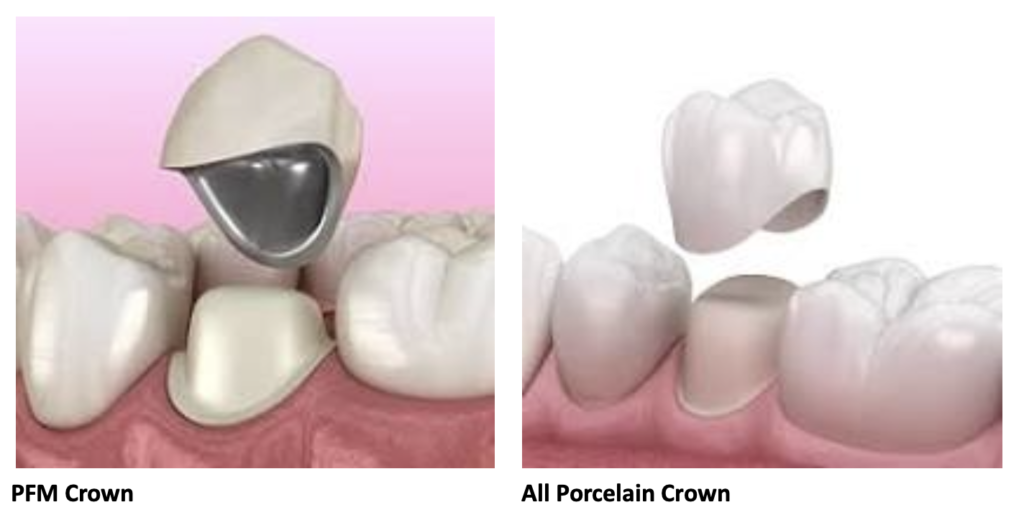
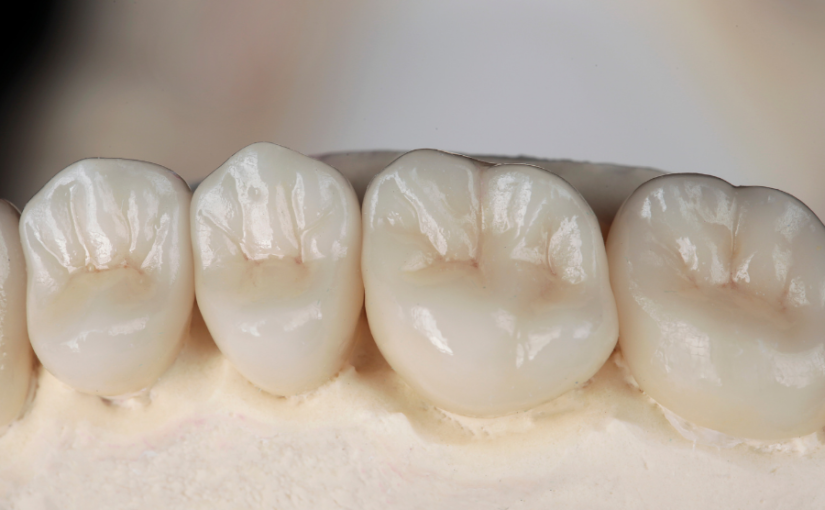
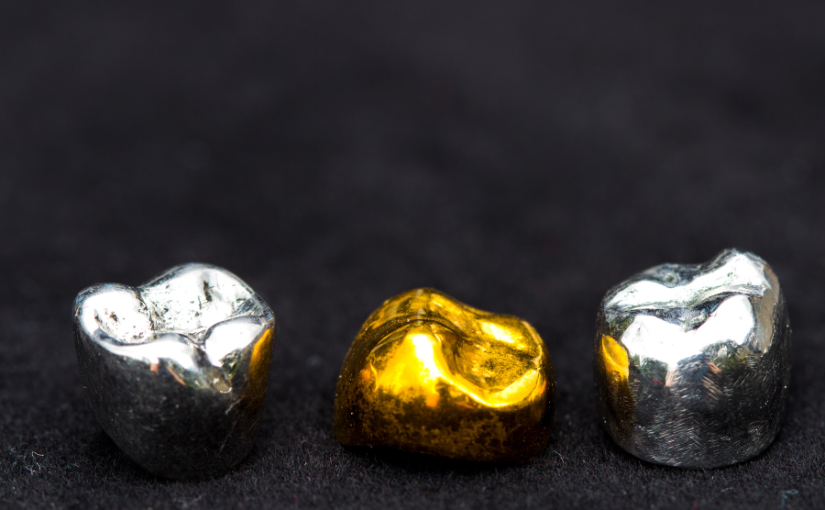
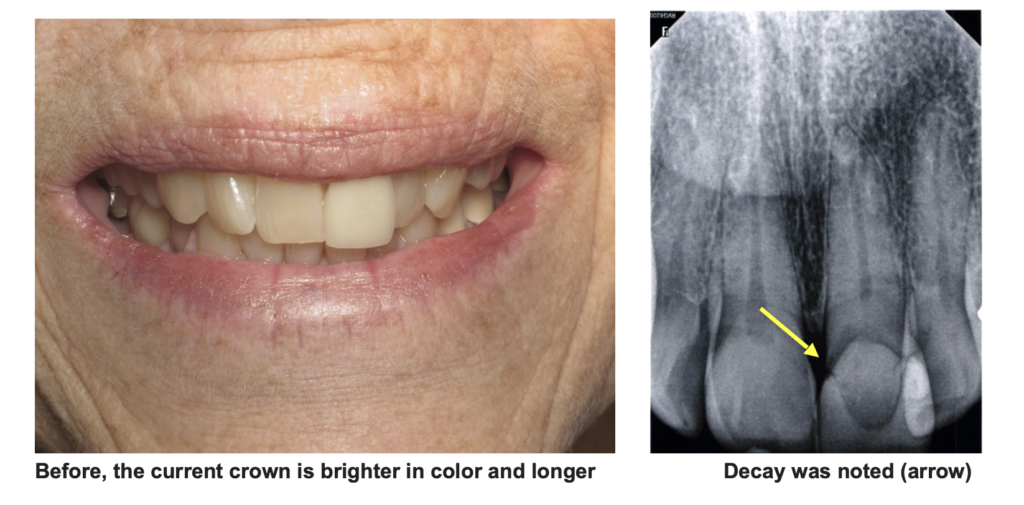
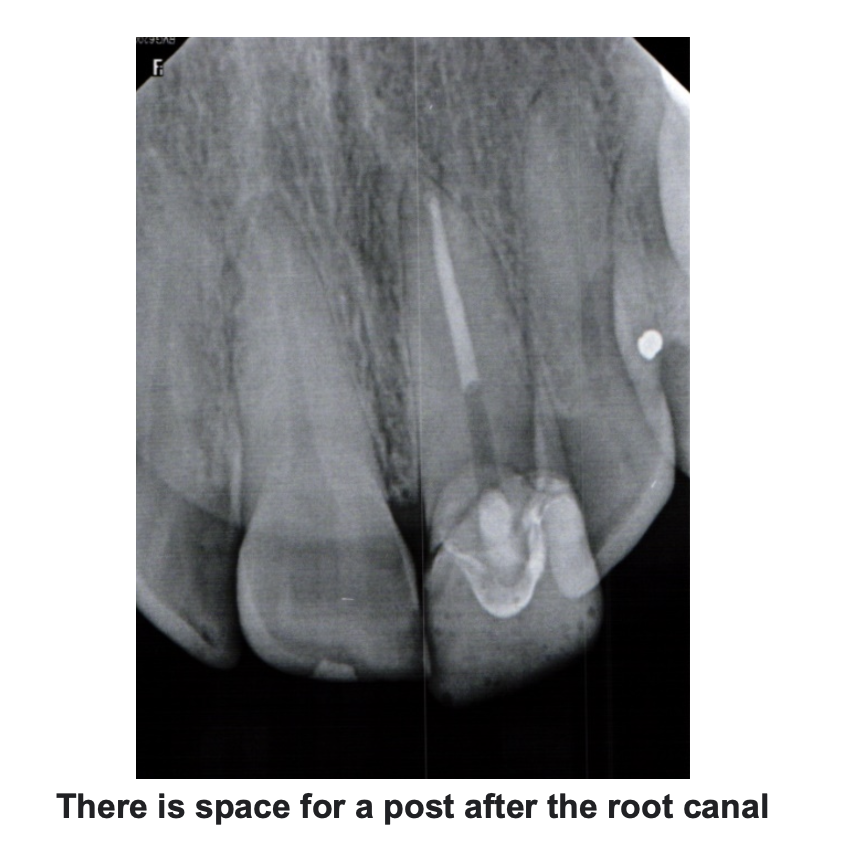
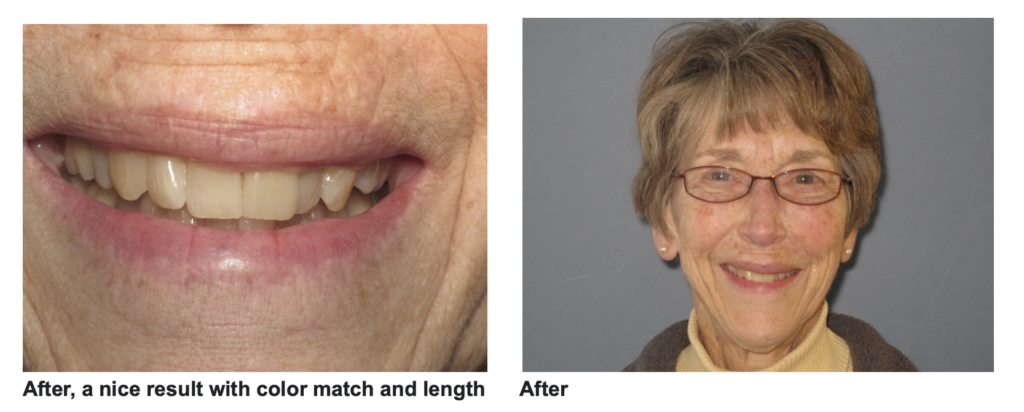
When you invest in a dental crown, you expect it to last for many years. Crowns are designed to restore both the look and function of your tooth, but did you know it’s still possible to get decay under a crown? Even though a crown itself cannot decay, the natural tooth structure underneath it is still vulnerable. If decay develops under the crown, it can compromise the health of your tooth and eventually require crown replacement.

Decay under a crown often happens when bacteria find their way to the margin where the crown meets your natural tooth. If you don’t brush and floss regularly, plaque can build up along this edge and cause cavities just like it would on any other tooth. Excessive force from habits like grinding or clenching your teeth can also cause tiny openings or fractures in the crown or cause a breakdown in the marginal seal, creating space for bacteria to sneak in. Over time, these issues can lead to decay hidden beneath the crown.

On average, statistics suggest that dental crowns last between 10 and 15 years, although with excellent care, many can last even longer. The exact lifespan depends on a variety of factors including your oral hygiene, dietary habits, bite force, and how well the crown was initially placed. Even the best crowns are not indestructible, and wear and tear over time is normal. Think of all the chewing cycles your teeth go through every year, like tires on your car, they are not immune to wearing out or breaking down.

The best way to extend the life of your crown is to take care of it just like you would your natural teeth. Daily brushing and flossing are essential, especially around the gumline where bacteria like to gather. Using a night guard if you grind your teeth can protect your crowns from unnecessary force. Regular dental check-ups and cleanings are equally important because they give your dentists at Eggert Family Dentistry in North Oaks, MN a chance to detect early signs of wear or decay before problems become serious.

Dr. Elizabeth Eggert and Dr. Jeff Eggert are committed to helping you maintain your crowns for as long as possible. During your recare exams, we carefully evaluate your crowns to make sure they are functioning properly and to look for any signs of decay. If a crown does need to be replaced, we work with you to ensure the process is smooth and your smile stays healthy and strong. By partnering with us and staying proactive about your dental care, you can enjoy the longest possible lifespan from your crowns.

Is it time for your recare exam or do you need to establish care with a caring dental office? Don’t delay! Call us at 651-482-8412 for an appointment today!

Deep Cavities and Conservative Treatment – John’s Story!

By: Dr. Elizabeth Eggert

How did this start?

We met John back in 2013 when he was only 3 years old and needed some fillings on his primary (baby) teeth.  After completing this treatment, unfortunately, his family moved out of state and we lost touch with him.  Fast forward to this summer when his dad reached out for a second opinion because John was having a severe toothache.  They sought out a dentist in Texas, where they live, but the recommendations were extreme, especially for a 15-year-old young man.

Here are the x-rays taken in Texas and sent to Dr. Elizabeth Eggert for a second opinion.  It is easy to see the extreme decay in these images on multiple teeth.  While Dr. Elizabeth was very concerned that the decay was so deep, it might be infecting the nerves of these teeth, she was also discouraged to hear that the other dental professionals had recommended extraction, or root canals and crowns for someone so young, without truly exploring what was happening in these teeth.

Luckily the family was headed to Minnesota for the summer and after a limited exam with Dr. Elizabeth, along with additional x-rays, it was determined that it was at least worth seeing how deep the decay was in these teeth to see if the teeth were working to protect their nerves by laying down protective layers of tooth structure.

Dr. Elizabeth had a serious conversation with John and his family about why John got infected with these cavities.  To only attempt a repair without determining how to prevent serious issues like this in the future, would not help break the cycle.  Tooth decay in teenagers is primarily caused by a combination of poor oral hygiene, frequent consumption of sugary foods and drinks, and the presence of bacteria in the mouth that produce acids that erode tooth enamel.  In John’s case, the most likely culprit was the sugary candy he often consumed (and hid from his parents) as well as inconsistent dental care over the years.

What did he want?

John and his parents were hoping to avoid the extreme options presented by the dentists in Texas.  Not only are the treatments recommended irreversible, but they would have been a huge investment and financial strain for the family.  Therefore, they liked Dr. Elizabeth’s conservative option of decay excavation, which is almost like an exploratory surgery.  If the decay hadn’t yet reached the nerve, or even if it still was just over the nerve canal system, with John’s young age, there would be a chance that his teeth could heal and protect the nerve if the decay is removed.

In Dr. Elizabeth’s mind, it is very important to attempt to preserve the natural tooth and root for as long as possible.  Dr. Elizabeth recommended that they start with decay excavation on the three teeth with the deepest decay, do indirect pulp caps if needed, and finish the treatment with a composite buildup, which will help build back the tooth until the nerve has some time to heal and before a crown is done.  This option gives John time to heal and see how well his teeth respond to the treatment.        

What was involved?

Dr. Elizabeth saw John for multiple appointments to address as much decay as possible when he was in town.  She started on John’s lower right side, where John had the most discomfort.  The most interesting thing about John’s case was how deep the decay got internally without giving many outward signs until his toothaches started.  These photos show the three teeth with the deepest decay.  While there is evidence of “holes” or cavities forming, they do not appear to be as extreme as what the x-rays were showing.  This likely kept John’s family from realizing the severity of John’s situation and why regular dental care is so important because it is likely that these areas of decay would have been caught much earlier.

Dr. Elizabeth removed the decay, but had to leave a small amount in order to avoid the nerve.  This is called an indirect pulp cap and can help the tooth promote healing.  A protective layer is placed over the decay with the hopes that the natural tooth structure will continue to lay down more natural protection.  The amount of tooth lost to decay was extreme, but with ideal bonding ability, Dr. Elizabeth replaced the missing tooth structure with resin (composite) filling material for a buildup, knowing that if John is able to keep the infection away and keep his teeth, crowns will be in order in the future.

Johns Results

What does he think?

John and his family were so appreciative for the alternative and conservative treatment option.  This definitely is a favorable result, although not necessarily conventional.  Unfortunately, since John’s treatment was a unique approach, John’s family is still fighting for insurance coverage and they may never see the benefits they deserve.  We are finding that more and more insurance policies place strict limits on what they will and will not cover.  Still, John’s family believes this treatment was the right choice for them.

John and his family have gone back to Texas so we won’t be able to follow his treatment long-term.  We hope he is able to keep his teeth for many more years to come and that his teeth cooperate and heal fully.  John’s story is an important example of why it is very important to implement dental recare appointments at a very young age.  These appointments are crucial for maintaining optimal oral health by catching problems early to help prevent serious long-term problems.  We’re happy to have your trust John and we wish you the best!

Why Are So Many People Questioning Fluoride in Public Water Systems?

By: Dr. Elizabeth Eggert

If you’ve noticed a growing conversation around removing fluoride from public water systems, you’re not alone. Across the country—and even globally—more individuals and communities are pushing back against water fluoridation, something that’s been standard practice in the U.S. since the 1940s. While fluoride has long been praised for its cavity-fighting benefits, a mix of health concerns, misinformation, and shifting public attitudes have led to renewed skepticism. Understanding the reasons behind this movement can help you make informed decisions about your own oral health.

At Eggert Family Dentistry, we want you to understand the controversy, but also give you some facts about why water fluoridation is an important part of our current state of oral health. In fact, the American Academy of Pediatric Dentistry, noted recently that “With an abrupt departure from water fluoridation, our nation would undoubtedly experience a rapidly rising incidence of decay. The US does not have capacity in the oral health workforce to support the emergency surgical and restorative dental needs that would result. There would be increased pain and suffering, and more missed school and work. None of this is necessary.”

One major reason you’re hearing more about anti-fluoride efforts is the rising concern about overexposure. Fluoride isn’t just in drinking water—it’s also found in many toothpastes, mouth rinses, processed foods, and even certain bottled beverages. This accumulation has raised fears about potential health risks, especially for children. However, a lot of the hype has been driven by political and social avenues rather than scientific perspectives.

Some people are also concerned about possible links between fluoride and broader health issues. Studies—many questionable—have suggested potential associations with thyroid dysfunction, bone fractures, and neurodevelopmental concerns like lower IQ in children. While the scientific community hasn’t reached a clear consensus on many of these points, the sheer volume of mixed messaging online can easily make fluoride feel more like a threat than a benefit.

Another factor driving this shift is the growing emphasis on personal choice and natural health. You may find yourself more drawn to filtered water, fluoride-free toothpaste, or alternative dental care options simply because you want more control over what goes into your body. This mindset has led many communities to re-evaluate whether mass fluoridation aligns with modern health values, especially when other preventive dental strategies—like good oral hygiene and access to professional care—are readily available.

It’s important to know, however, that fluoride still has strong support from many public health organizations. Groups like the CDC and the American Dental Association continue to endorse water fluoridation as a safe, cost-effective way to prevent tooth decay, especially in underserved populations. In fact, the CDC estimates that providing optimally fluoridated water to US communities for one year save $6.5 billion in dental treatment costs and that communities with water fluoridation experience 25% fewer cavities. If you’re unsure what’s right for you or your family, talking with your dentists at Eggert Family Dentistry is one of the best steps you can take. Dr. Jeff Eggert and Dr. Elizabeth Eggert want to help you weigh your personal risk factors and make recommendations tailored to your needs.

As dentists, we see the direct consequences that fluoride removal has on our patients and it’s a real tragedy when policymakers or popular “You Tubers” make decisions or share information that can hurt vulnerable kids and adults in the long term. Blindly calling for a ban on fluoridated water hurts people, costs money, and will ultimately harm our economy.

At Eggert Family Dentistry in North Oaks, MN, Dr. Jeff Eggert and Dr. Elizabeth Eggert are committed to helping you stay informed and empowered. Our priority is your long-term oral health and we want to help you make confident choices for yourself and your loved ones. Please call us today to set up your next appointment! 651-482-8412!

The Evolution of Veneers: What’s Happened in the Last 20 Years?

By: Dr. Elizabeth Eggert

If you’ve ever dreamed of achieving a stunning, confident smile, porcelain veneers may be the perfect solution—and they’ve come a long way in the past two decades. Veneers, which are thin shells bonded to the front of your teeth, were once limited in both material and appearance. But thanks to advances in dental technology and materials, veneers today look more natural, last longer, and require less alteration to your natural tooth structure than they did 20 years ago.

In the early 2000s, veneers were typically made from composite resin or early-generation porcelain. While these materials offered cosmetic improvements, they were often thicker, more opaque, and not as durable. Today, modern veneers are typically crafted from advanced porcelain materials like lithium disilicate (often branded as emax). This material provides superior strength, lifelike translucency, and longevity—meaning your smile looks more natural and can last well over a decade with proper care.

Choosing veneers can offer you many benefits beyond just esthetics. Veneers can correct a variety of dental issues, including discoloration, chips, gaps, misalignment, and worn teeth. They’re custom-made to match your ideal tooth shape and shade, allowing you to design the smile you’ve always wanted. Plus, modern techniques allow for minimal tooth reduction, preserving more of your natural tooth structure than ever before.

It’s no surprise that many celebrities have turned to veneers to perfect their smiles. Stars like Tom Cruise, Miley Cyrus, and Zac Efron are known to have undergone smile makeovers that included at least some veneers. These transformations have made veneers a popular option not just for the rich and famous, but for anyone looking to boost their confidence and improve their appearance. Whether you’re prepping for a wedding, an important presentation, or just want to love your smile more, veneers offer a dramatic yet natural-looking upgrade.

How Eggert Family Dentistry Can Help

At Eggert Family Dentistry in North Oaks, MN, Dr. Elizabeth Eggert and Dr. Jeff Eggert specialize in transforming lives with cosmetic treatments like porcelain veneers. They take a comprehensive, personalized approach to ensure your new smile complements your facial features, personality, and oral health goals. Their expertise and attention to detail have helped countless patients achieve beautiful, functional results they can be proud of.

If you’re considering a smile transformation, now is the perfect time to explore what veneers can do for you. Many patients who come in hoping for a Tom Cruise–level transformation leave with a boost in confidence, better function, and lasting esthetic results. With advancements in materials and techniques, and the skilled hands of the team at Eggert Family Dentistry, you can experience the life-changing confidence of a flawless smile with minimal reduction to your natural teeth. Schedule a consultation today and take the first step toward becoming the best version of yourself—starting with your smile.

If you’re inspired by what Tom Cruise, Miley Cyrus, and Zac Efron achieved, imagine what the personalized expertise and attention at Eggert Family Dentistry can do for you. Whether you’re dealing with slight misalignment, discoloration, spacing, or simply want to enhance your smile, veneers combined with a tailored treatment plan—just like theirs—could be your path to a transformation. Call us today at 651-482-8412 so we can help YOU shine too!

Questions About Dental Veneers? Check Out Our Veneer FAQs!

By: Dr. Elizabeth Eggert

Considering dental veneers? Our veneer FAQs address the most common questions so you can feel informed and confident when exploring whether veneers are the right fit for your needs—today or in the future.

Q: What are dental veneers?

A: Dental veneers are thin, custom-made shells crafted from porcelain or composite resin that are bonded to the front of your teeth. They’re designed to enhance your smile by improving your teeth’s shape, color, and alignment.

Q. How are crowns different from veneers?

A. Crowns can be an excellent solution when you need to support a tooth and restore its integrity. Dr. Elizabeth Eggert and Dr. Jeff Eggert reshape the tooth and custom fit the crown over it like a cap or helmet. Crowns require more preparation of the natural tooth and are a good choice when needed, but if you are just changing the tooth for esthetic purposes, veneers are a great and more conservative option.

Q. Is getting veneers painful?

A. The procedure is considered minimally invasive, and most patients report little to no pain. Dr. Elizabeth Eggert and Dr. Jeff Eggert typically use a local anesthetic to reduce the likelihood of any discomfort. Your teeth may be sensitive to hot or cold for a few days, but this should resolve quickly.

Q: Am I a good candidate for veneers?

A: If you have healthy teeth and gums and are looking for a long-term solution to enhance your smile, veneers may be a great fit. At Eggert Family Dentistry, we’ll perform a comprehensive exam where we evaluate your oral health and discuss your smile goals to determine if veneers are right for you.

Q: How long do veneers last?

A: With proper care, porcelain veneers can last 10–15 years or even longer. Composite veneers have a shorter lifespan, but have a lower initial investment so some people find them to be a more affordable option. Maintaining good oral hygiene, scheduling routine dental visits, and avoiding habits like biting hard objects can help extend the life of your veneers.

Q: What is the process like for getting veneers?

A: The process usually involves three steps: consultation and planning, tooth preparation and temporary veneers, and then bonding the permanent veneers. Dr. Elizabeth Eggert and Dr. Jeff Eggert take time to understand your goals and carefully design a smile that looks natural and feels comfortable.

Q: Will getting veneers damage my natural teeth?

A: Veneers require reshaping the teeth and therefore a small amount of enamel is removed from your natural teeth to ensure a proper fit. This is irreversible, but it’s often a very minimal reduction and your teeth will still be protected by the veneer. Our team at Eggert Family Dentistry takes a conservative approach to preserve as much of your natural tooth structure as possible.

Q: Do veneers look natural?

A: Yes! Veneers are carefully crafted to match the color, shape, and translucency of natural teeth. At Eggert Family Dentistry, we customize each veneer to ensure a seamless and natural-looking result that complements your features and personality.

Q: What’s the difference between porcelain and composite veneers?

A: Porcelain veneers are stronger, more stain-resistant, and longer-lasting, while composite veneers can be placed in one appointment and start out as more budget-friendly. We’ll help you decide which material is best based on your needs and goals.

Q: Can I whiten my veneers?

A: Veneers don’t respond to whitening treatments like natural teeth do. If you’re considering whitening, we recommend doing it before getting veneers so we can match your veneers to your brightened smile.

Q. Are veneers covered by dental insurance?

A. Because veneers are considered a cosmetic procedure, they’re generally not covered by dental insurance. However, a veneer is occasionally placed to cover trauma or decay and may warrant insurance coverage. It’s best to check with your insurance company prior to pursuing veneers so you know what to expect. Also, many patients choose to use their FSAs or HSAs to offset the cost of their veneers.

Dental veneers are a minimally invasive and attractive choice that can give you a more confident smile. If you found our veneer FAQs helpful and you’d like to explore if they’re the right choice for you, give Eggert Family Dentistry a call at 651.482.8412 to set up a consultation!