By: Dr. Elizabeth Eggert
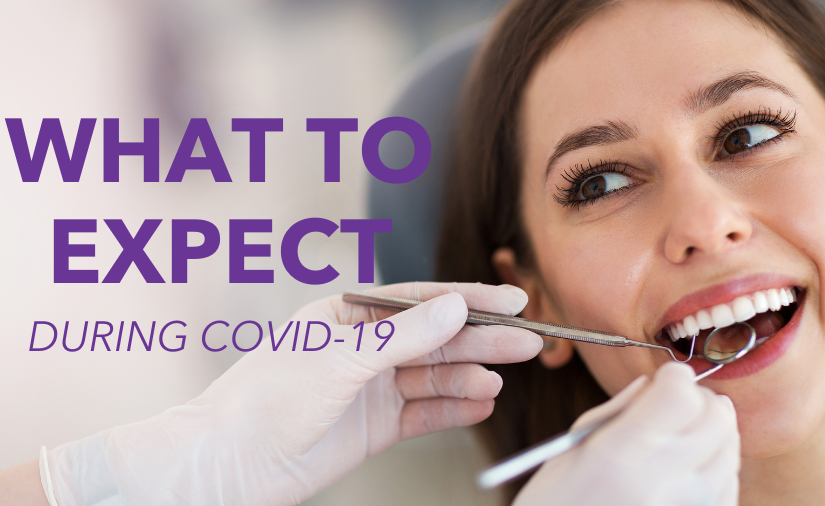
Most people understand the importance of regular dental visits for maintaining good oral health. Oral health has a run-off effect on a person’s overall health as well. Gum disease can easily creep in and, when left untreated, can lead to heart disease, stroke or even death. Sadly, during the COVID-19 pandemic, some have been avoiding the dentist for fear of catching or transmitting the virus. Our team at Eggert Family Dentistry wants you to know the facts about our COVID-19 safety measures and what you can expect at your visit as well as answer some common questions so you can feel comfortable coming in to see us!
Safety measures at Eggert Family Dentistry
When you visit our office, you can be assured that we are:
- Keeping up with the latest CDC and OSHA guidelines
- Running HEPA air scrubbers to remove particulates from the air
- Disinfecting all surfaces regularly throughout the day
- Providing hand sanitizer
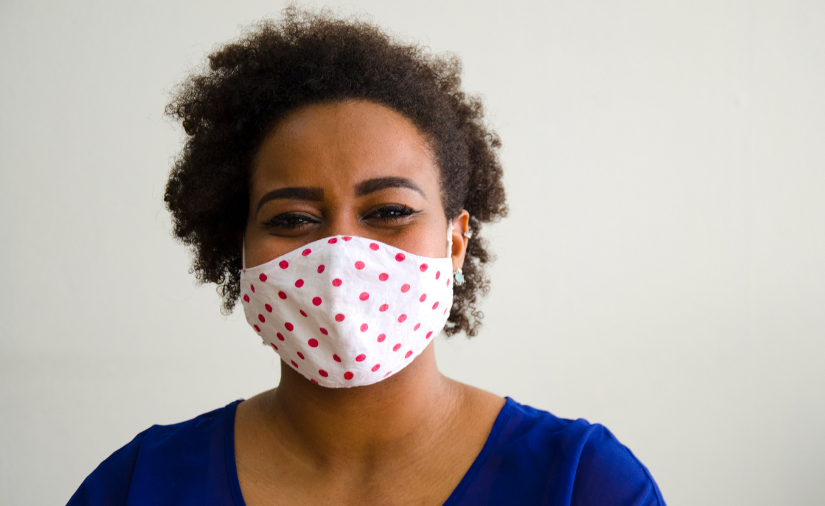
- Mandating face coverings for all our patients
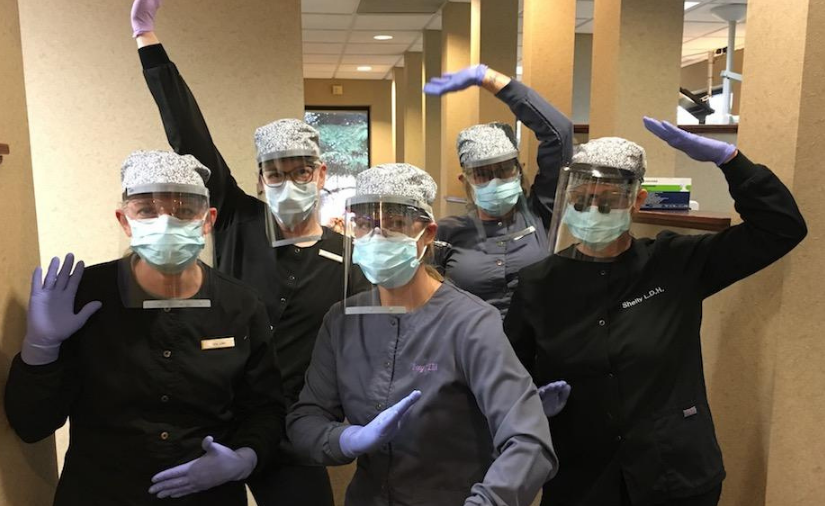
- Mandating PPE such as face shields, long gowns and high-filtration respirator masks for our team members.
Important instructions for your visit
Throughout the last year, we have been maintaining some infection control protocols of stricter magnitude, out of an abundance of caution. We know these measures have been keeping our patients, as well as our team members, safe from COVID-19. While we are happy to see so many members of our community able to get vaccinated, we wanted to review the current protocols as change can only come slowly and only as the virus continues to decrease in our state. Therefore, when you come in to see us, you will still notice the COVID-19 protocols we have in place.
In addition to asking that you wear a mask to your appointment, we will:
- Have you wait in your car and text us upon arrival since our reception area is still closed due to the need to socially distance. When possible, you may also be asked to come into our building and wait in the hallway near our door.
- Ask you to complete a COVID-19 screening questionnaire. You will see that you can save time in our office by filling out your survey electronically prior to your appointment. See your email for details.
- NO LONGER take your temperature prior to entering the office unless requested by you. It has been decided by the CDC that temperature screening is not an accurate tool.
- Continue to ask that you don’t bring guests along with you to your appointment unless it’s absolutely necessary. This continues to minimize contact with other people.
FAQs about your recare visit during COVID-19
I would like to see that things have been wiped down—the community pen, the electronic pen, the handles of the chairs, etc.
“Even before the COVID-19 outbreak, our office followed strict infection control guidelines that would have prevented the transmission of the novel coronavirus (or any other virus) to our patients or staff. In an abundance of caution, we have increased the frequency and thoroughness of our sanitizing procedures and we are following safety procedures recommended by the Center for Disease Control, American Dental Association and OSHA. Our cleaning procedures include the electronic pen and the chair handles. We also either wipe any touched pens or ask you to take home any pen you use.”
I am concerned that the risk of virus transmission is too high for the benefits associated with a routine checkup.
“Our hygienists have streamlined their protocols so that patients can return to their recare intervals which are key in maintaining health and well-being. There are many articles noting that those with the highest levels of inflammatory diseases are the most at risk for contracting COVID-19. We are happy to be able to provide high-level dental care to reduce whole-body inflammation and keep you at your healthiest.”
How will I be safe if my mouth is open?
“All patients coming to the practice will be asked to wear a face covering, limiting the particles in the air. Patients will be ushered directly to a clean and sterilized treatment room. All clinical team members will be protected with eye protection, a tight-fitting respirator mask, a surgical mask to eliminate contamination and often a face shield. This will mean that, if your mouth is uncovered, it will be your particles in the air. In addition, we have HEPA air-scrubbing units in the clinic area to eliminate particles in the air.”
I am concerned that dental tools are being used on multiple patients. What are you doing for safety and sanitizing?
“We have always maintained a high level of cleanliness and sterilization in our office, our operatories, and with our dental instruments, or tools. In addition to our new high powered instrument washer to remove debris, we use an autoclave to sterilize our instruments which destroys all forms of microbial life, including viruses and bacteria. The autoclave accomplishes sterilization by using steam under pressure. All instruments that are placed into the autoclave are completely sterilized at the end of the complete sterilization cycle and we ensure that the sterilization indicators prove that before using the instruments on another patient.”
To see our full list of FAQs, visit this link on our website.
If you have any questions about our COVID-19 safety measures or to get on our schedule for your next recare visit, contact us at 651.482.8412!


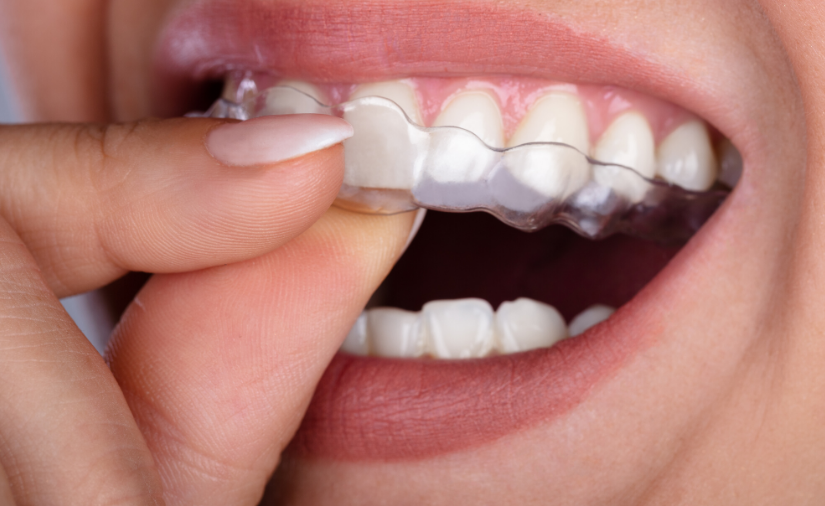
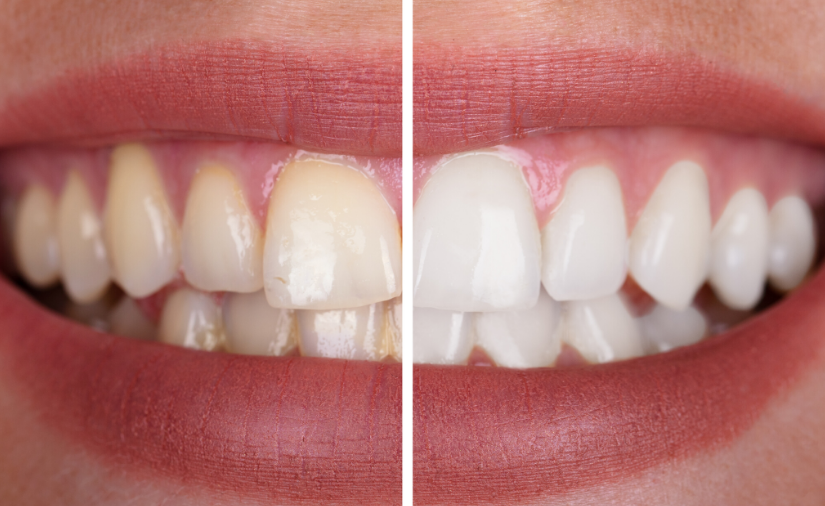
 Teeth whitening: Over time, teeth become stained from certain foods, beverages, medications and smoking. Eggert Family Dentistry has many great options to help restore your pearly whites. We provide professional-grade strips and whitening trays that are more effective and gentler on your teeth and gums than their over-the-counter counterparts. Dr. Elizabeth and Dr. Jeff also offer the Zoom and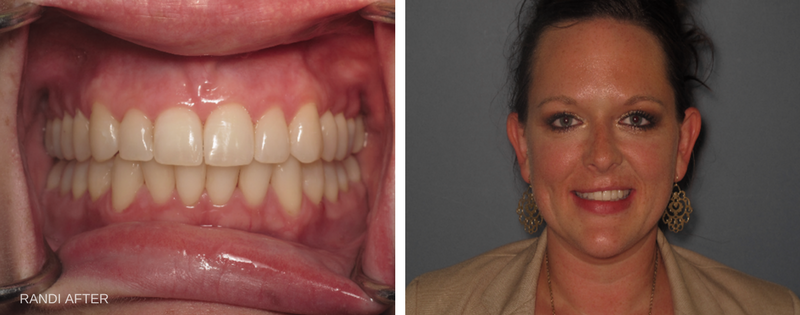
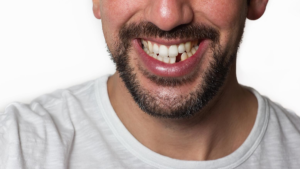 Tooth replacement: Losing permanent teeth can happen from trauma to the jaw, from gum disease or from tooth decay. Regardless, it can be an awkward situation and one that most people want to remedy as quickly as possible. If you’re dealing with missing permanent teeth, you have some excellent options. These options include dental implants, bridges, partial dentures or full dentures.
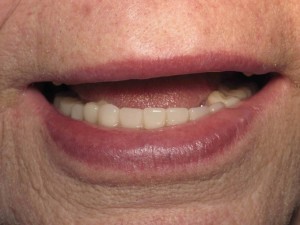 Full Dentures: Full dentures are full sets of upper and/or lower artificial teeth that are suctioned into place and removable for cleaning. While they can take some getting used to, they start to feel more normal over time. Full dentures will eventually become loose as bone mass degrades.
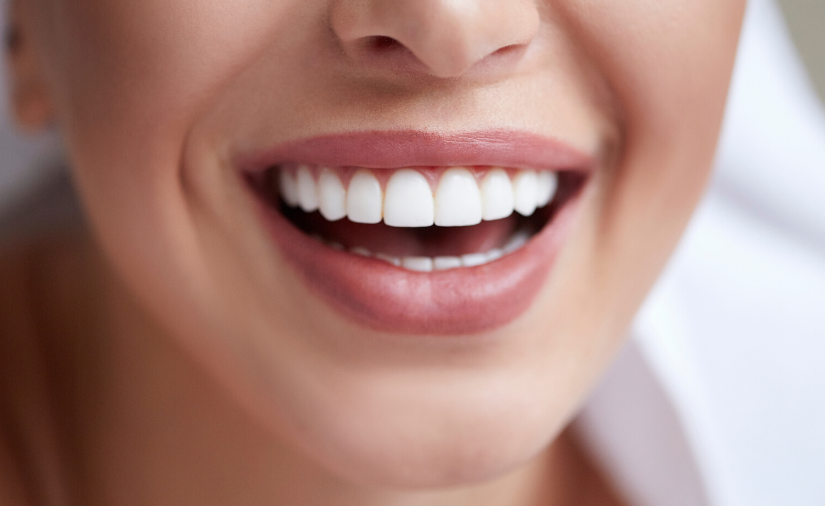
 It’s not disputed that whiter teeth lend themselves to a more attractive smile. Statistically,
  Avoid foods and beverages that stain teeth:
 Practice daily dental care: The single best way to prevent tooth discoloration is by brushing and flossing faithfully each day. Brush in the morning and evening (more often if you eat sugary, acidic, or highly pigmented foods) and floss at least once a day. Additionally, you can incorporate a daily swish of fluoride mouthwash to cleanse your mouth from residual food particles and bacteria and keep enamel strong.
 Zoom Whitening: Another popular option we offer at Eggert Family Dentistry is