With So Many Ways to Whiten Your Smile, Which Tooth Bleaching Option Is Right for You?

By: Dr. Elizabeth Eggert

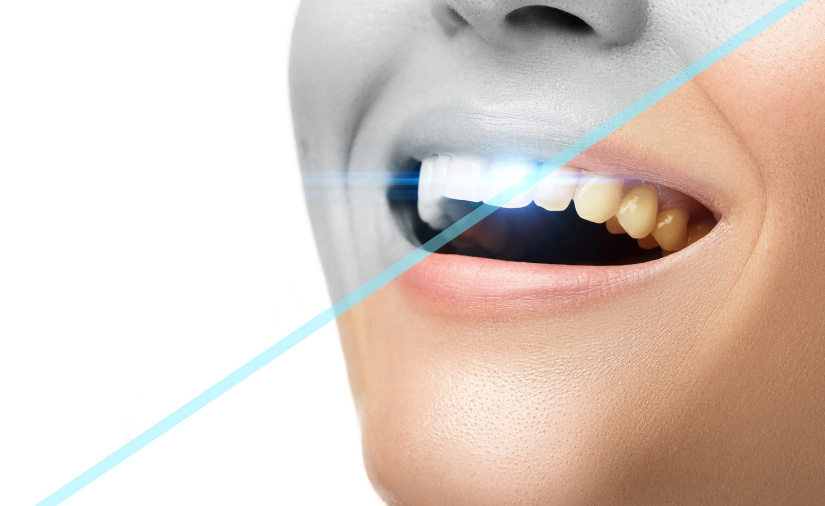
If you’ve ever searched for teeth whitening products, you’ve probably discovered there are countless options available—and it can be overwhelming trying to decide which one is worth your time and money. The truth is, the “best” whitening treatment depends on your teeth, your goals, and the type of coloring you have. That’s why Dr. Elizabeth Eggert and Dr. Jeff Eggert at Eggert Family Dentistry in North Oaks, MN don’t believe in a one-size-fits-all approach. Instead, they’ll help you choose the whitening option that will give you the best results for your unique smile.

If you’re looking for the most affordable way to brighten your teeth, over-the-counter whitening strips or Professional Opalescence Go! kits may be a perfect place to start. But, while store-bought strips are generally inexpensive and available immediately, they often cause more tooth sensitivity, can slip around during use, may irritate your gums, and only whiten the teeth they cover (usually the front teeth only). Opalescence Go! offers many of the same conveniences but with professional-strength whitening and desensitizing agents infused into the formulation,  they cause less sensitivity, making it an excellent entry-level professional option. However, neither system is ideal if your teeth have brown or gray undertones or discoloration from tetracycline antibiotics, as those types of stains require a more advanced approach.

For many patients, professionally made, custom-fit bleaching trays offer an outstanding balance of comfort, effectiveness, and long-term value. Because the trays are made specifically for your teeth, they fit comfortably, distribute the whitening gel evenly, and can be reused for years as long as your teeth don’t change shape. Once your trays are fabricated—usually within about a week—you can purchase professional bleach refills whenever you’d like to touch up your smile. If you’re hoping for dramatic results before a wedding, graduation, vacation, or another special occasion, Dr. Elizabeth Eggert or Dr. Jeff Eggert may instead recommend in-office Zoom Whitening. Completed in a single 2 hour appointment, Zoom can lighten your teeth by approximately four to ten shades and includes custom take-home trays for future bleach touch-ups!

If your teeth have deeper discoloration, especially brown or gray undertones, we may recommend one of the KöR Professional Deep Bleaching Systems. The KöR at-home system is exceptionally effective while also producing less sensitivity than other whitening options. For patients with the most challenging stains—including tetracycline staining—the Complete KöR Professional Deep Bleaching System provides the most dramatic results available. Although these systems require a larger investment and approximately three weeks for tray fabrication, they offer the most customized fit, outstanding long-term whitening, and the ability to purchase refill gel to maintain your beautiful results for years to come.

A whiter smile can help you feel more confident every time you laugh, speak, or smile. The best whitening treatment isn’t necessarily the fastest or the least expensive—it’s the one that’s right for your smile. During your consultation at Eggert Family Dentistry, Dr. Elizabeth Eggert and Dr. Jeff Eggert will examine your teeth, discuss the cause of your darkening teeth, review your goals, and recommend the bleaching system most likely to give you beautiful, predictable results with the least amount of sensitivity. Whether you’re looking for a simple touch-up or a complete smile transformation, you’ll have professional guidance every step of the way, so you can smile with confidence knowing you’ve chosen the whitening solution that’s best for you. Call or text for your appointment today at Eggert Family Dentistry – 651-482-8412!

The Truth About DIY Teeth Whitening Trends

By: Dr. Elizabeth Eggert

Social media is packed with “natural teeth whitening” hacks promising brighter smiles through foods, pantry staples, and household ingredients. Strawberries, charcoal toothpaste, lemon juice, apples, baking soda, coconut oil pulling — you name it, someone’s probably claimed it can whiten your teeth.

But which methods have science behind them, and which ones could put your enamel at risk?

At Eggert Family Dentistry, we believe education is one of the most powerful tools for protecting your oral health. That’s one of the reasons we work hard to provide you with access to our monthly blog articles. Dr. Elizabeth Eggert and Dr. Jeff Eggert spend a great deal of time helping patients sort through conflicting information online so they can make confident, informed decisions about their smiles.

So, let’s separate fact from fiction and take a closer look at which DIY teeth whitening trends may offer modest benefits, and which trends you’re better off avoiding.

(Spoiler alert — we’ll also explain why professional whitening remains the gold standard for noticeable results).

Why Do Teeth Become Yellow in the First Place?

yellow teeth

Many people assume yellow teeth are simply the result of poor brushing habits. In reality, tooth discoloration can happen for several different reasons.

Some of the most common causes include:

Understanding the source of discoloration is important, because different causes respond differently to treatment.

That’s one reason Dr. Elizabeth Eggert and Dr. Jeff Eggert take a comprehensive approach when discussing whitening options with patients. The most effective solution depends on what’s causing the color change in the first place.

Can Natural Remedies Help Whiten Teeth?

While some foods may help your teeth look cleaner or slightly brighter, none of them can replicate the results of professional whitening. Still, several foods can support oral health and help reduce the buildup that contributes to staining — BONUS! They’re all healthy.

Coincidence? We think not.

Crunchy Fruits and Vegetables (A.K.A., “Nature’s Toothbrush”)

Crunchy fruits and vegetables can help remove some surface debris from teeth while stimulating saliva production.

You may have heard that carrots support eye health, but they’re also great for your smile. Foods with crisp, fibrous textures create a gentle scrubbing effect as you chew, helping reduce some of the buildup that can make teeth look dull.

Some excellent choices include:

  • Apples
  • Carrots
  • Celery
  • Cucumbers
  • Bell peppers

These foods also encourage saliva flow, which helps rinse away bacteria, food particles, and stain-causing compounds throughout the day.

But here’s the important distinction: crunchy fruits and vegetables can help teeth look cleaner, but they do not bleach teeth. They won’t change the underlying color of your enamel.

It is a little disappointing, but still … from a holistic oral health perspective, these foods deserve plenty of credit. A healthier mouth tends to look better, feel better, and stay healthier for the long haul.

Can Strawberries Help Whiten Teeth?

Strawberries won’t dramatically whiten your teeth, but they do contain malic acid, a naturally occurring compound that may help reduce minor surface stains.

That’s where the popular whitening claim comes from. The effect, however, is typically subtle and temporary. Strawberries don’t change the underlying color of teeth the way professional whitening treatments do.

It’s also worth remembering that malic acid is still an acid. Frequent exposure to acidic foods can contribute to enamel wear and thinning over time, which may make teeth appear more yellow as the darker dentin underneath becomes more visible.

🦷 From shape to dental decay, acidic foods affect much more than just the color of your teeth! At Eggert Family Dentistry in North Oaks, MN, Dr. Jeff Eggert and Dr. Elizabeth Eggert are passionate about educating patients about the harmful effects of acidity on dental health: Protecting Your Smile: Understanding Acidity and Dental Decay

Does that mean you should avoid strawberries? Not at all. Strawberries are packed with nutrients and can absolutely be part of a tooth-friendly diet. Drs. Elizabeth Eggert and Jeff Eggert would simply recommend thinking of strawberries as a healthy snack with a few oral-health perks … not a substitute for professional whitening.

Can Pineapple Help Whiten Teeth?

Pineapple may support a cleaner-looking smile because it contains bromelain, an enzyme that helps break down plaque and surface buildup.

This trend has more scientific merit than many people realize. In fact, bromelain has been incorporated into some whitening toothpaste formulas because of its ability to help remove debris from the surface of teeth.

That said, eating pineapple is not going to produce dramatic whitening results.

Like strawberries, pineapple is acidic and should be consumed in moderation. The better takeaway is that bromelain shows promise as an ingredient in professionally formulated oral care products, not as a standalone whitening treatment.

Water — the Unsung Hero

drinking water

Water helps reduce staining by rinsing away pigments, acids, and food particles before they have a chance to linger on your teeth. It’s especially useful after enjoying stain-prone favorites such as:

  • Coffee
  • Tea
  • Wine
  • Berries

Water also supports healthy saliva production and helps combat dry mouth, both of which contribute to a healthier oral environment.

🦷 Need a few more reasons to reach for a glass after a particularly colorful meal? Four Ways Drinking Water Benefits Teeth

It may not be trendy enough for TikTok, but it remains one of the simplest habits for maintaining a brighter-looking smile.

Which DIY Teeth Whitening Trends Are Overhyped … or Downright Risky?

So far, we’ve looked at foods that may offer some oral health benefits, even if their whitening abilities are overstated. In most cases, there’s little harm in enjoying apples, strawberries, or pineapple as part of a balanced diet. The biggest risk is expecting more from them than they’re realistically able to deliver.

Unfortunately, not every viral whitening trend falls into that category. Some simply don’t work. Others can be downright harmful, contributing to enamel erosion, tooth sensitivity, and long-term discoloration when used repeatedly.

Let’s take a look at a few trends that deserve a cautious approach.

Lemon Juice Whitening

Let’s start with a popular one.

Dr. Elizabeth Eggert and Dr. Jeff Eggert have been hearing about lemon juice as a DIY teeth whitening remedy for years, and for whatever reason, it never seems to fade from the spotlight.

The logic sounds reasonable at first. Lemons contain citric acid, which can help remove some surface stains. But remember how we talked about strawberries? How we said there may be some minor benefits, but the acidity probably outweighs any whitening effect?

Well, lemons take that concern and crank it up several notches.

Strawberries are considered only mildly acidic, with a pH of around 3.9. Lemon juice, on the other hand, has a pH closer to 2.0, therefore, making it nearly 100 time more acidic. To put that into perspective, that means lemon juice is roughly 100,000 times more acidic than pure water.

🦷 At Eggery Family Dentistry, Dr. Elizabeth Eggert and Dr. Jeff Eggert encourage patients to learn which healthy snacks have pH levels your teeth will thank you for, and which ones may damage your enamel. For example, these 8 fruits have lower acid levels: Bananas (pH 4.5 to 5.2), Figs (pH 5.05 to 5.98), Watermelon (pH 5.18 to 5.6), Papaya (pH 5.2 to 6.0), Green Mango (pH 5.8 to 6.0), Honeydew (pH 6.0  to 6.67), Cantaloupe (pH 6.13 to 6.58), Avocados (pH 6.27 to 6.58).

Repeated exposure to highly acidic substances can gradually weaken and erode enamel. And as enamel wears away, the darker dentin underneath becomes more visible. In other words, the very thing you’re using to make your teeth look whiter could eventually make them appear more yellow.

So lemon juice isn’t the miracle whitening hack the internet makes it out to be.

At Eggert Family Dentistry, we’d much rather help our patients protect their enamel than chase a temporary whitening effect. A brighter smile should never come at the expense of a healthy one.

Activated Charcoal Toothpaste

charcoal toothpaste

Activated charcoal toothpaste can remove some surface stains, but there is little evidence that it significantly whitens teeth. Its popularity largely stems from the dramatic black color and before-and-after pictures that spread like wildfire on social media.

The reality is far less exciting … and far more concerning.

Charcoal works through abrasion. As you brush, the particles help scrub away surface buildup that contributes to staining. The problem is that charcoal products can also be abrasive to enamel.

Many charcoal toothpastes lack fluoride as well, which means they may not provide the cavity protection found in traditional toothpaste formulas.

Research has not shown charcoal toothpaste to be particularly effective at changing the intrinsic color of teeth. Most of the improvement people notice comes from removing superficial stains rather than whitening the tooth structure itself.

For patients interested in whitening toothpaste, Dr. Elizabeth Eggert and Dr. Jeff Eggert generally recommend professionally formulated products that balance stain removal with enamel protection. A toothpaste should support your oral health, not force your enamel to fight for its life every morning.

DIY Baking Soda Pastes

Baking soda can remove some surface stains as well, but it cannot bleach teeth.

Because baking soda is mildly abrasive, it can help polish away certain types of discoloration. That’s why you’ll find it in many commercial toothpaste formulas.

But the issue arises when people begin creating homemade whitening pastes and using them too aggressively. Overuse of an abrasive ingredient like baking soda can increase enamel wear — especially when combined with harsh brushing techniques.

🦷 Check out Dr. Elizabeth Eggert’s article to learn more about protecting your enamel! 5 Helpful Tips for Preventing Tooth Enamel Erosion

And if you’ve seen recipes that combine baking soda with lemon juice, please do yourself a favor and keep scrolling! One ingredient is abrasive. The other is highly acidic. Combining them does not create a stronger whitening treatment. It simply creates two opportunities to irritate your enamel at the same time.

Oil Pulling

Oil pulling has been around for thousands of years, long before social media wellness influencers got their hands on it.

🦷 It’s not the only interesting thing in the history of oral health! Learn more here: The History of Tooth Whitening.

The practice involves swishing oil (typically coconut oil) around your mouth for several minutes before spitting it out. Advocates often claim it can whiten teeth, freshen breath, reduce bacteria, and improve overall oral health.

Of all the trends on this list, this one is probably the hardest to classify. Unlike lemon juice or abrasive DIY whitening pastes, oil pulling isn’t likely to damage your enamel. The bigger issue is that it simply doesn’t have much evidence supporting it as a whitening treatment.

Some studies suggest oil pulling may help reduce certain bacteria in the mouth and support gum health when used alongside regular brushing and flossing. But when researchers have evaluated the practice, they’ve generally focused on plaque levels, bacteria, and oral hygiene — not meaningful changes in tooth color.

In other words, even if oil pulling contributes to a healthier oral environment, there is very little evidence that it can significantly whiten teeth.

The Healthiest Path to a Brighter Smile

professional teeth whitening

If there’s one takeaway from all of these whitening trends, it’s this: keeping teeth clean and whitening teeth are not the same thing.

Many viral whitening hacks promise far more than they can deliver. Some offer little to no whitening benefit, while others can contribute to enamel erosion, tooth sensitivity, and long-term discoloration.

Professional whitening works differently. Rather than simply removing buildup from the surface of the tooth, professional whitening treatments use carefully researched whitening agents to target the tooth beneath the enamel. The result is a brighter smile that is typically more noticeable and longer-lasting than what DIY teeth whitening methods can achieve.

But don’t just take our word for it! Check out some of our patients’ stories:

Discover the Best Option for YOU at Eggert Family Dentistry

At Eggert Family Dentistry, Dr. Elizabeth Eggert and Dr. Jeff Eggert take a holistic approach to cosmetic dentistry. Before recommending any whitening treatment, they consider your overall oral health, existing restorations, sensitivity concerns, and long-term smile goals.

For some patients, professional whitening is the ideal solution. For others, treatments such as veneers may provide a more dramatic and lasting transformation.

If you’re ready to explore your options, we’d love to connect. Contact Eggert Family Dentistry today to schedule a consultation with Dr. Elizabeth Eggert or Dr. Jeff Eggert and take the first step toward a whiter smile.

Call or text 651.482.8412 to schedule your next appointment. We can’t wait to see you soon!
Looking Beyond Your Teeth: How Modern Dental Technology Can Help You Breathe and Sleep Better

By: Dr. Elizabeth Eggert

It may seem strange that your dentists, Dr. Elizabeth Eggert and Dr. Jeff Eggert at Eggert Family Dentistry in North Oaks, MN, could play a role in helping you understand how well you breathe, but advances in dental technology have created exciting opportunities to improve your overall health. One of the most valuable tools available today is Cone Beam Computed Tomography (CBCT), a specialized 3D imaging system that allows dentists to see far more than just your teeth. While dentists are not Ear, Nose, and Throat (ENT) medical specialists and do not diagnose or treat many airway disorders, CBCT imaging can sometimes reveal signs that suggest your airway may be compromised. In many cases, this information helps you become a stronger advocate for your own health and seek the specialized care you need.

CBCT imaging
An example of the most narrow area of the airway, can see the airway lacks space for air!

If you grind your teeth, clench your jaw, wake up with headaches, experience jaw discomfort, or struggle with poor sleep, your teeth may be trying to tell a bigger story. For years, dentistry focused primarily on repairing the damage caused by grinding and clenching. While protecting and restoring your teeth remains important, Drs. Eggert now recognize that airway compromise can sometimes be an underlying contributor to these habits. When your body struggles to get adequate airflow during sleep, it may unconsciously respond by shifting your jaw position or activating muscles that contribute to grinding and clenching. Simply repairing worn or broken teeth without addressing the underlying cause leads to ongoing damage and frustration, both for your teeth and your overall health!

tooth root compromise
This patient has worn his teeth and we can see a tooth root compromising his sinus space.

This is where CBCT technology becomes such a valuable tool. The detailed three-dimensional images allow your dentists at Eggert Family Dentistry to evaluate structures that may influence your breathing and airway function. While the scan itself does not replace a medical evaluation by a medical professional, it can provide important clues that warrant further investigation. In some cases, you may discover that enlarged tissues, anatomical restrictions, narrow airways, or other factors could be contributing to your symptoms. Having this information empowers you to ask informed questions and seek appropriate care from medical professionals who specialize in airway health and sleep-related breathing disorders.

Examples of sinus anatomy that may be compromising airway flow – a mass in the sinus and deviations in the septum.

At Eggert Family Dentistry in North Oaks, MN, Dr. Elizabeth Eggert and Dr. Jeff Eggert are passionate about helping you understand the bigger picture behind your oral health. They recognize that healthy teeth do not exist in isolation from the rest of your body. When they identify potential airway concerns, their goal is not to replace your ENT physician, sleep physician, or other medical specialists. Instead, they work collaboratively with those providers, helping ensure that you have the information necessary to pursue answers. This team-based approach often leads to better outcomes because everyone involved is focused on the same goal—helping you breathe better, sleep better, and enjoy better overall health.

Perhaps the most exciting part of modern dentistry is that your dental visit can now provide insights that extend far beyond cavities and gum disease. By using advanced technologies like CBCT imaging, your dentists at Eggert Family Dentistry can help identify concerns that may otherwise go unnoticed for years. If you have been struggling with grinding, clenching, poor sleep, fatigue, or other symptoms that seem difficult to explain, a conversation about your airway may be worthwhile. Dr. Elizabeth Eggert and Dr. Jeff Eggert love helping you advocate for yourself and connect with the right healthcare professionals. Together, you can take meaningful steps toward protecting not only your smile, but also your long-term health and quality of life.

Call Eggert Family Dentistry at 651-482-8412 today for insights into your TOTAL health!


Small Light, Big Benefits: How Diode Lasers Improve Your Dental Care

By: Dr. Elizabeth Eggert

When you think about lasers, dentistry may not be the first thing that comes to mind. However, diode lasers have become a valuable tool that can help make many dental procedures more comfortable and efficient. A diode laser uses a concentrated beam of light energy to precisely treat soft tissues in your mouth. Because the laser can target specific areas with exceptional accuracy, it often allows your dentists at Eggert Family Dentistry in North Oaks, MN to perform certain procedures with less bleeding, reduced swelling, and improved healing compared to traditional techniques.

You may be surprised by the variety of ways a diode laser can be used during your dental care. For example, it can help reshape gum tissue, expose partially erupted teeth, treat areas affected by gum disease, reduce bacteria around infected tissues, and even assist in managing canker sores or other oral lesions. In some situations, laser treatment can make procedures more comfortable and may reduce the need for extensive surgical intervention. The laser’s ability to simultaneously cut and cauterize tissue often leads to a cleaner treatment area and a more comfortable recovery experience.

The Biolase Diode Dental Laser, Available at Eggert Family Dentistry

Diode LaserAnother exciting benefit of diode lasers is their ability to support better long-term oral health. By helping reduce harmful bacteria and inflammation, laser therapy can be a useful adjunct to periodontal treatment. If you have gum disease, laser therapy can be a part of a comprehensive treatment plan designed to improve gum health and support the structures that hold your teeth in place. The technology is not a replacement for good oral hygiene and regular recare dental visits, but it can be a valuable tool when specific conditions require additional treatment or especially when certain sites stay inflamed despite your best efforts!

At Eggert Family Dentistry in North Oaks, MN, Dr. Elizabeth Eggert and Dr. Jeff Eggert are committed to providing you with modern and high-tech treatment options that enhance your comfort and care. We use diode laser technology when appropriate to help achieve the best possible outcomes for our patients. Whether you need soft tissue treatment, assistance with gum health, or management of certain oral conditions, laser dentistry may offer advantages that help make your experience more comfortable and efficient. If you have questions about whether laser treatment could benefit your specific situation, Dr. Elizabeth Eggert and Dr. Jeff Eggert would be happy to discuss your options during your next visit. Call or text us today – 651-482-8412!

How High-Tech Dentistry Is Changing the Patient Experience

By: Dr. Elizabeth Eggert

You’re supposed to go to the dentist regularly — whether it’s for unexplained tooth pain, TMD causing breathing issues, a child still sucking their thumb past the typical age, or simply your routine six-month checkup. But for many people, life gets in the way. And, if we’re being honest, going to the dentist kind of has a “bad reputation.”

🦷 If you have trouble setting (and sticking to) your dental goals, check out Dr. Elizabeth Eggert’s article for some helpful tips: How to Set Dental Health Resolutions That Actually Stick.

But modern dentistry looks very different today — especially at Eggert Family Dentistry.

At Eggert Family Dentistry in North Oaks, Minnesota, high-tech dentistry helps patients feel more informed, more comfortable, and far less anxious about getting the care they need. Tools like intraoral cameras and intraoral scanners let patients follow along in real time, while 3D CBCT imaging lets Dr. Elizabeth Eggert and Dr. Jeff Eggert look deep beneath the surface.

Patients are leaving with clearer answers and greater confidence than ever before.

The Clinical Benefits of High-Tech Dentistry

While high-tech dentistry certainly improves comfort and communication, it also plays an important clinical role behind the scenes. High-tech dentistry supports clinical care in several important ways:

  • It allows Drs. Elizabeth Eggert and Jeff Eggert to gather more detailed diagnostic information
  • It improves accuracy during treatment planning (fitting for braces, retainers, veneers, etc.)
  • It may reduce the need for certain traditional impression methods
  • It can allow for more efficient appointments

Of course, technology alone doesn’t create great dental care. But when advanced tools are paired with the experience and patient-focused approach of Dr. Elizabeth Eggert and Dr. Jeff Eggert, they can make a truly meaningful difference in how patients experience dentistry.

Let’s Dive In

Some people assume all this technology is just about adding more gadgets to the dental office, but that couldn’t be further from the truth.

The truth is, high-tech dentistry’s benefits are two-fold. It creates a better overall experience for patients, yes, but it also helps Dr. Elizabeth Eggert and Dr. Jeff Eggert make more informed decisions about treatment recommendations and care. Advanced imaging and digital scanning technology can give a more detailed view of teeth, gums, bone, bite alignment, and overall oral health — often allowing concerns to be identified earlier and evaluated more thoroughly.

Let’s take a look at a few examples of high-tech dentistry in Eggert Family Dentistry’s toolkit.

Digital Scanning

Digital scanning is a great example of how high-tech dentistry can improve comfort while helping Dr. Elizabeth Eggert and Dr. Jeff Eggert provide some of the most modern and precise care possible.

While there is still a place for traditional dental impressions, it is true that the gooey putty doesn’t make for the most popular procedure at the dental office.

Luckily, at Eggert Family Dentistry, Dr. Elizabeth Eggert and Dr. Jeff Eggert often use advanced scanning technology— including Primescan and iTero scanners — to create detailed 3D images of your teeth and bite without the messy molds many patients would rather avoid.

How Does It Work?

A small handheld scanner moves comfortably around your mouth, capturing thousands of data points to create a highly accurate digital 3D “model” of your teeth and bite. These digital scans are then used alongside Eggert Family Dentistry’s CEREC technology to help design and create custom restorations. Or, in some cases, these scans can be sent to the dental lab for restoration fabrication or to Invisalign for orthodontic treatments.

Digital scanning also improves the overall experience by making appointments:

  • More comfortable for patients with sensitive gag reflexes
  • Faster and cleaner than traditional impressions
  • More convenient for patients’ schedules, as CEREC technology allows for crowns to be created and installed in just one visit
  • More precise for customized treatment planning
  • Simpler to store and share digitally when needed

To learn more about the specific pieces of digital scanning technology at Eggert Family Dentistry (and to learn more about how Dr. Elizabeth Eggert and Dr. Jeff Eggert use them to improve patient care), check out this blog: The Importance of Dental Technology and What You Can Expect at Eggert Family Dentistry.

3D CBCT Radiographic Imaging

One of the most advanced forms of dental imaging used today is CBCT (cone beam computed tomography). Unlike traditional dental X-rays that capture flat images, CBCT technology creates a detailed 3D view of your teeth, jaws, bone structure, root canal spaces, airway, joints, and surrounding structures.

This is different from the digital scanning previously discussed; digital scanners create highly accurate images of the surfaces of your teeth and gums … which is incredibly helpful for things like Invisalign, crowns, veneers, dentures, but not so helpful for issues lurking beneath the surface. CBCT imaging goes deeper.

At Eggert Family Dentistry, Dr. Elizabeth Eggert and Dr. Jeff Eggert use CBCT technology to help diagnose and plan treatment for a wide range of dental concerns, including:

  • Dental implants
  • Wisdom teeth evaluations
  • Root canal treatment
  • TMJ or TMD-related issues

Patients are often surprised by how quick and comfortable the process feels. The scan itself only takes less than a minute You simply stay put while the machine rotates around your head and captures detailed images in seconds.

🦷 For patients dealing with symptoms related to TMD, this type of imaging can be especially valuable. The temporomandibular joints are small, complex joints with a lot going on in a very compact space. Learn more here: How CBCT Technology at Eggert Family Dentistry Can Help with TMD Diagnosis and Treatment.

While 3D imaging may sound futuristic, at Eggert Family Dentistry, it’s simply part of making dental visits smarter, more efficient, and a little easier on everyone involved.

Intraoral Cameras

At Eggert Family Dentistry, intraoral cameras are one of Dr. Elizabeth Eggert’s and Dr. Jeff Eggert’s favorite high-tech dentistry tools. It’s hard for you to see inside your mouth – even with a mirror, you just can’t get the correct angle on your own.

Well, intraoral cameras fix that.

Dr. Elizabeth Eggert and Dr. Jeff Eggert use intraoral cameras to help patients see what they see, which changes the whole conversation. Instead of hearing, “There’s a small crack on this tooth,” you can view the image on a screen right beside you.

It’s a little easier to understand why a tooth feels sensitive when it suddenly appears on a monitor looking like it lost a fight with a popcorn kernel.

So, while some high-tech dental tools are designed to improve clinical procedures, intraoral imaging is really about education and connection. It allows Dr. Elizabeth Eggert and Dr. Jeff Eggert to show patients exactly what’s happening in real time, helping them feel more informed and confident about their dental care.

Experience the Difference for Yourself

Modern dental technology is helping transform the patient experience in meaningful ways. From digital scanning and 3D imaging to intraoral cameras and beyond, high-tech dentistry allows patients to experience care that is more precise, more informative, and more comfortable than ever before.

If you’ve been wondering what modern dentistry looks like today, we invite you to schedule an evaluation. Call 651.482.8412 to schedule your next appointment at Eggert Family Dentistry.

We can’t wait to see you soon!

How “High-Tech” at Eggert Family Dentistry Can Create Joy and Comfort – Dean’s Story

By: Dr. Elizabeth Eggert

How did this start?

Dean has been a marvelous patient of Dr. Elizabeth Eggert at Eggert Family Dentistry for over 20 years.  However, Dean always had a “sour taste” for going to the dentist.  Sure, he has always been friendly to Dr. Elizabeth and very polite with his hygienists over the years, but years ago, Dean shared with us that he has always been very fearful of dental work.  We suspect this stems from Dean’s severe gag-reflex.  Of course, it is difficult for anyone to like being in a situation that doesn’t feel safe.

Dean tried to keep his dental needs to a minimum by coming regularly for his recare visits, but over time, he started noticing that his teeth were becoming increasingly fragile and thin on the edges.  He told Dr. Elizabeth Eggert, “I would like to be able to eat without my teeth crumbling and I am worried with how thin they are getting that I won’t be able to stop that.”  He also was dissatisfied with the color of his teeth and told Dr. Elizabeth that he had been wondering about what he could do for 10 to 15 years or longer.  He put off asking for more information though because of his significant anxiety regarding dental impressions because they make him feel like he will choke.

Dean Before

What was recommended?

Dr. Elizabeth recommended that Dean complete our comprehensive “Records Process” to better understand the underlying causes of his concerns and to help determine the WHY as to what was causing Dean’s teeth to wear, thin, and chip so significantly.  With all the information that was gathered, Dr. Elizabeth was able to analyze Dean’s status and develop a tour of his mouth to discuss during the consultation phase.

The Records Process is a comprehensive diagnostic approach that allows Dr. Elizabeth and Dr. Jeff to evaluate not only the teeth, but the entire oral system contributing to symptoms.  The process includes diagnostic models, clinical photographs, 3D CBCT radiographs, digital X-rays, along with a detailed assessment of the jaw joints, bite, and surrounding muscles.

Because Dean experiences dental anxiety and had concerns about traditional impressions, we were able to utilize our iTero scanner—an advanced intraoral 3D digital imaging system that captures highly accurate digital impressions of the teeth, jaws, and bite to capture his diagnostic models.  This technology eliminates the need for the gooey putty of traditional impressions and for Dean created a more comfortable and stress-free experience.  At Eggert Family Dentistry we want to be sure we are staying abreast of the latest dental techniques and we have made a commitment to you to include the newest dental technologies in your treatment.

By collecting and analyzing this information, Dr. Elizabeth gained a complete understanding of Dean’s oral health, including the condition of his teeth and gums, as well as the function and balance of his jaw and muscles.  This thorough evaluation provided the foundation for a personalized treatment plan designed to create predictable, comfortable, and long-lasting results.

Dean (Final) Scan

What was involved?

Dr. Elizabeth presented her findings to Dean.  She was concerned that Dean’s strong muscles were putting too much stress on his joints and teeth and contributing heavily to why his teeth were wearing.  She recommended he start with Splint Therapy using a Tanner Appliance in order to get his function more in harmony.

Following six months of Splint Therapy, Dean experienced significant improvement in his jaw function and was ready to move forward with the next phase of treatment.  Through Splint Therapy, Dean and Dr. Elizabeth learned that an important element to getting Dean a more stable bite was to give his teeth more room to function.  Therefore, Dean needed to move his teeth and this was possible with Invisalign.  Once again, Dean’s scans were done with the iTero intraoral scanner and Dean completed Invisalign in a little over a year.

Dean After Invisalign

One of the reasons Dean’s teeth were chipping and wearing thin was because they were too tight together to be able to function in a healthy manner.  Invisalign helped get Dean’s teeth in a better position for his bite to function, but because of the narrow shape of his teeth, spaces opened up between the teeth.  Dr. Elizabeth had warned Dean this would happen so therefore, they moved into Dean’s restorative phase.  To best protect his teeth where he had lost enamel and to fill in his spacing, Dean needed restorations on his upper and lower anterior teeth.  Instead of impressioning, Dr. Elizabeth was again able to use an intraoral scanner to capture the tooth preparations so the dental laboratory could fabricate Dean’s new veneers.   

Dean After

What does Dean think?

We asked Dean to share his perspective — what he thought before beginning treatment, how he feels now that it’s complete, and what he would say to others considering a similar procedure.  Dean told us, “I wasn’t happy with my teeth cracking.  I was cracking teeth in the back of my mouth and my front upper and lower teeth were chipping and eroding.  I also wasn’t happy with the color.  I was hesitant about doing anything though – I’m still not sure how I was able to say YES!, but I trusted Dr. Elizabeth and it all made sense to me.”  As far as the process goes, Dean told us, “It was still freaky and I was very nervous to do it, but really, it wasn’t that bad.  I was able to go through months of treatment and I came out on top!”

Dean told us, “I’m very happy with how everything turned out.  The teeth look natural, the color is great, and they feel like much more solid teeth.  I’m delighted with how they look.  I’ve even been getting compliments!”  Dean told us that if he had a friend wondering what to do about their crumbling teeth, he would tell them to talk with Dr. Elizabeth Eggert.  If it’s needed, she’ll help develop a plan.  “If they’re considering it and it’s necessary, they should do it!”

Dean After Close Up

Dean’s concerns, goals, and apprehensions were both valid and are commonly encountered at Eggert Family Dentistry.  Many patients share similar worries regarding the appearance, function, and long-term health of their teeth, but are afraid to ask more questions because of an overall anxiety about dental procedures.  Luckily, dentistry has evolved significantly, with advancements in techniques, materials, and technology designed to improve patient comfort, while still giving Dr. Elizabeth Eggert and Dr. Jeff Eggert the information they need to provide a fabulous outcome.  These innovations help create a more comfortable and predictable experience for patients while ensuring the highest standard of care.  You don’t have to be afraid anymore to ask what improvements are available for you!

Dean – thank you for sharing your experiences with us and for trusting us with your smile transformation.  Your journey to better health shows how advanced dentistry, personalized care, and a comfortable approach can make a world of difference.  Your smile looks excellent, and we are thrilled that you are happy with your results!  At Eggert Family Dentistry, our goal is “Dentistry for a Lifetime of Smiles” – we look forward to continuing to care for you and your family for many years to come!

Sip Smart This Summer: The Best Tooth-Friendly Drinks to Keep You Cool

By: Dr. Elizabeth Eggert

When the summer heat arrives in Minnesota, you naturally reach for cold, refreshing drinks to help you cool down. Unfortunately, many popular summer beverages are loaded with sugar and acids that can quietly damage your teeth. At Eggert Family Dentistry in North Oaks, Minnesota, Dr. Elizabeth Eggert and Dr. Jeff Eggert often help our patients understand how everyday drinks can contribute to cavities, enamel erosion, and tooth sensitivity. The good news is that you do not have to give up refreshing summer drinks completely — you simply need to make smarter choices that protect your smile while still helping you beat the heat.

One of the biggest surprises for many patients is how much sugar is hiding inside popular iced coffees and lemonades. That “healthy-looking” flavored iced coffee you grab on the way to work may contain 30 to 50 grams of sugar — sometimes even more than a can of soda. Lemonade can be just as problematic because it combines both high sugar levels and strong acidity. Even if you sip slowly throughout the day, your teeth are constantly being exposed to sugar-loving bacteria and acid attacks that weaken enamel and increase your risk for cavities. Energy drinks, sweet tea, frozen coffee beverages, and sports drinks can create similar problems, especially when consumed frequently during hot summer months.

Fortunately, there are many refreshing drinks that are much safer for your teeth. Plain water remains the gold standard because it keeps you hydrated, rinses away food particles, and does not feed cavity-causing bacteria. If you want something more exciting, you can infuse water with fresh strawberries, cucumber slices, mint leaves, watermelon, or citrus wedges for flavor without adding large amounts of sugar. Sparkling water without added sugar can also be a refreshing alternative, although Dr. Elizabeth Eggert and Dr. Jeff Eggert generally recommend choosing options without citric acid whenever possible. Unsweetened iced tea is another excellent choice because many teas contain antioxidants that may even support your oral and overall health.

If you still enjoy sweet summer drinks occasionally, there are ways to reduce the damage to your teeth. Drinking sugary beverages with meals instead of sipping them all afternoon can help minimize prolonged acid exposure. Using a straw can also help limit direct contact between the drink and your tooth enamel. After finishing acidic beverages like lemonade or iced coffee, it is helpful to rinse your mouth with water to neutralize acids. However, you should avoid brushing immediately afterward because acidic drinks temporarily soften enamel, and brushing too soon can actually increase enamel wear. Waiting about 30 minutes before brushing is usually the safest option.

Summer should be enjoyable for both you and your smile. By choosing tooth-friendly beverages more often and limiting sugary drinks to occasional treats, you can greatly reduce your risk for cavities while still staying cool and refreshed. At Eggert Family Dentistry, Dr. Elizabeth Eggert and Dr. Jeff Eggert are always happy to help you make choices that support long-term oral health. Small changes in your daily habits — including what you drink — can make a tremendous difference in keeping your teeth healthy, strong, and beautiful all summer long. Call us today for your summer recare appointment! Appointments are filling fast!  651-482-8412.

Composite Bonding Through the Years: How Your Smile Can Be Transformed at Eggert Family Dentistry

By: Dr. Elizabeth Eggert

If you have ever wished you could close spaces between your teeth, repair chipped enamel, reshape undersized teeth, or improve your smile without aggressive treatment, composite bonding may be the solution you have been searching for.  Over the years, Eggert Family Dentistry in North Oaks, Minnesota has shared many inspiring patient stories highlighting how Dr. Elizabeth Eggert and Dr. Jeff Eggert use artistic composite bonding techniques to conservatively transform smiles.  From teenagers with congenitally missing teeth to adults recovering from dental trauma, these stories demonstrate how customized bonding procedures can help you feel more confident, comfortable, and proud of your smile.

One of the recurring themes in these patient stories is helping young patients who have “space/size discrepancies” after orthodontics.  In the blog article, “Say Cheese! – Composite Bonding and Veneers – Grace and Abigail’s Stories,” Dr. Elizabeth Eggert explains how conservative composite veneers can beautifully close spaces while still allowing for future growth and development.  These minimally invasive restorations can often be completed in a single visit and help create a natural, balanced smile while preserving healthy tooth structure.

Grace and Abigail
Grace and Abigail
Anders and Lars

Another popular theme for composite bonding is the use to improve smiles where there are congenitally missing teeth.  In the story of brothers Anders and Lars, composite bonding was used to reshape teeth and restore smile symmetry while they wait until adulthood for possible future implant treatment or porcelain restorations.  The composite bonding gave these brothers the patients fixed, natural-looking solutions during their important teenage and young adult years.  Dr. Jeff Eggert and Dr. Elizabeth Eggert want to emphasize that composite bonding allows you to improve esthetics and function while remaining conservative and flexible for future treatment options.

Composite bonding is not only useful for spacing and missing teeth – it can also dramatically improve smiles after dental trauma or enamel wear.  In Sarah’s story, Dr. Elizabeth Eggert shares shared how bonding and cosmetic treatment planning helped restore confidence after years of discoloration and complications from a traumatic dental injury.  Patients frequently report that they are surprised by how comfortable and easy the process feels and how natural their results look afterward.

As you look back through years of composite bonding success stories on our Eggert Family Dentistry website and blog site, one thing becomes very clear: every smile is unique, and your treatment should be personalized to fit your goals, your age, and your long-term oral health. Whether you are hoping to close spaces, repair chipped teeth, improve tooth proportions, or explore conservative cosmetic dentistry options, Dr. Elizabeth Eggert and Dr. Jeff Eggert will work closely with you to create a treatment plan designed specifically for your needs.  The life-changing confidence that comes from loving your smile again is something the Eggert Family Dentistry team has proudly helped patients achieve for many years.  Call us today at 651-482-8412 to get started with the “new you!”

A Better Bite, A Brighter Smile: Invisalign and Bonding – Sam’s Story

By: Dr. Elizabeth Eggert

How did this start?

Members of Sam’s family have been part of Eggert Family Dentistry for over 20 years and Sam joined in after aging out of her pediatric dental clinic.  Although she already completed treatment with traditional bracket braces, she continued to experience crowding and bite issues into her early 20’s.  She also struggled with frequent headaches and ongoing problems with her retainers, which led her to begin exploring a new solution for a healthier bite and a more confident smile.  She asked Dr. Elizabeth Eggert what her options were and it seemed that Invisalign (orthodontics done with clear aligners) and composite bonding could help her achieve the smile she desired as well as address her pain issues.

Sam Before

What did Sam want?

Sam wasn’t ready to invest in the process right away, but after discussing possible options at her recare appointments, she was ready to move forward and explore Invisalign treatment.  Sam felt strongly about continuing her care with Dr. Elizabeth and trusted her throughout the process.  It was also convenient to complete the Invisalign with Dr. Elizabeth as Sam also wanted bonding for her front teeth to help with symmetry and color.  Confident in both her dentist and the Invisalign system, Sam chose to move forward with treatment at Eggert Family Dentistry.

What was recommended?

Sam first went through the Invisalign records process.  This included photos, a 3D digital scan, and x-rays of the tooth roots and jaw bones.  These records were submitted to Align Technology, Invisalign’s parent company, and a 3D ClinCheck treatment plan was created.

ClinCheck is a virtual 3D treatment planning system that maps out the step-by-step movement of the teeth throughout treatment.  This technology allows Dr. Elizabeth to carefully review and refine your smile’s projected final outcome using Align Technology’s software before the custom clear aligners are manufactured.

invisalign liners example

What was involved?

Sam completed her Invisalign treatment in approximately 16 months.  The goals of Invisalign for Sam were to make her gum tissue alignment more symmetric as well as alleviate her crowding, improve her bite, and decrease the muscle tension that was causing her headaches.  Once her teeth were in a better position, Dr. Elizabeth planned for restorations for Sam for only 2 teeth with composite bonding.  Before starting the final planning stage, Dr. Elizabeth performed an equilibration for Sam to perfect her biting contacts.  Dr. Elizabeth then recommended composite veneers for her right side upper incisors (one lateral incisor and one central incisor).  Composite veneers use plastic filling material that bonds to the natural tooth enamel to help improve any chipping, gaps, or discoloration. Composite bonding can be a nice alternative to porcelain veneers because it can be completed in a single appointment.  The initial investment is less than porcelain veneers as well, although it generally won’t last or hold up as long.

Before and after invisalign and composite - Sam

What does Sam think?

At Eggert Family Dentistry, it’s important to us to understand how our patients feel before and after treatment.  Here’s what Sam shared about her experience:

Before treatment:

“I thought it would be very scary, and I wasn’t sure I was ready to do it.  Moving my teeth felt intimidating, especially not knowing how everything would turn out – whether it would be better or worse.  I also wasn’t sure if it would be worth the investment.”

During the process:

“It was completely worth the investment.  The process went very smoothly.  I really appreciated how much attention Dr. Elizabeth Eggert gave to every detail.  I’d rather have it take a little more time now than have to go through it all again later.”

After treatment:

“I used to get headaches from my bite and now they’re gone, which is a huge relief!   I feel less stressed and much more confident in my smile.  Talking, biting, and smiling all feel better – it’s all much more functional now.”

Her advice to others:

“It’s really worth it – especially working with Dr. Elizabeth Eggert at Eggert Family Dentistry – because the team is so thorough and thoughtful.It’s worth the time and commitment for a lifetime of feeling better about your smile, chewing, and speaking.I’m so glad I did this!”

Congratulations, Sam!  You look fabulous and we truly enjoyed working with you to help bring you the smile – and relief – you deserve.

Thank you for trusting us with your care.  It means so much to know you’re happy with your results and we look forward to caring for your smile for many years to come.

If you’re considering Invisalign treatment or want to learn more about composite bonding, we’d love to connect with you.  We are committed to our goal of “Dentistry for a Lifetime of Smiles.”

10 Tips for an Easier Alignment Experience & Making the Most of Your Invisalign Investment

By: Dr. Elizabeth Eggert

Your Confidence Is the Real Investment

At Eggert Family Dentistry, Dr. Elizabeth Eggert and Dr. Jeff Eggert often remind patients that while Invisalign is designed to fit seamlessly into daily life, it still relies on commitment to achieve the best results. Choosing Invisalign goes beyond simply straightening your teeth; it represents an investment in your confidence, your comfort, and your long-term oral health.

Small, intentional habits make a big difference in how smoothly your Invisalign treatment progresses from start to finish. When you stay on track with your care routine, you not only protect your Invisalign investment, but you also take the first step towards a more confident future — and, just as importantly, you also help ensure your overall treatment plan stays on schedule.

🦷If you’re still deciding whether Invisalign is the right option for you, comparing it to traditional braces can be a helpful first step: Braces vs. Invisalign: Which Orthodontic Option is Right for You?

So if you’re ready to make the most of your Invisalign investment, these practical tips will help guide the way.

1. Wear Your Aligners Consistently (22 Hours a Day)

Consistency is the single most important factor in Invisalign success. Your aligners are designed to apply gentle, continuous pressure to guide your teeth into alignment, and that process only works when they’re worn as directed.

For most patients, this means keeping aligners in for about 22 hours each day. They should only be removed when eating, drinking anything other than water, and cleaning your teeth. Even short periods without your trays can slow progress and significantly delay results.

🦷 Speaking of results, check out Ashley’s story, which highlights her successful Invisalign journey. She’s a great example of what’s possible when patients stay consistent with wearing their aligners for 22 hours a day. By closely following the guidance of Dr. Elizabeth Eggert and Dr. Jeff Eggert, Ashley completed her treatment right on schedule and didn’t require any additional refinements.

2. Keep a Routine

invisalign liners

Building a consistent routine makes Invisalign feel effortless over time. Pairing aligner habits with daily activities, such as brushing after meals or reinserting trays immediately afterward, helps reinforce consistency.

Some patients find it helpful to set reminders on their phones, especially during the early weeks of treatment. These small prompts can prevent accidental lapses in wear time and keep your progress on track.

When your routine becomes second nature, your Invisalign experience becomes smoother and more predictable.

3. Always Remove Aligners When Eating

It may be tempting to leave your aligners in for a quick snack, but doing so can cause unnecessary problems. Eating with aligners can lead to cracks, warping, or staining, all of which can interfere with proper tooth movement — thus jeopardizing your Invisalign investment.

Food particles can also become trapped between the aligners and your teeth, creating an environment where bacteria thrive. This increases the risk of cavities and gum irritation.

Taking a moment to remove your Invisalign before meals protects both your trays and your oral health.

4. Skip Gum and Sticky Habits

Chewing gum and sticky foods can create complications during Invisalign treatment. Gum easily adheres to aligners and can be difficult to remove completely, leaving behind residue that affects cleanliness and comfort.

Sticky substances can also put pressure on the trays in unintended ways, potentially damaging them or altering their fit. Maintaining a simple, aligner-friendly routine helps keep everything functioning as intended.

🦷 That doesn’t mean chewing gum is all bad! In fact, it can offer some benefits for your overall oral health. Learn more in Dr. Elizabeth Eggert’s blog: Chew on This: Is Chewing Gum Bad for Your Teeth?

During Invisalign treatment, though, it’s best to hold off on that crisp, minty stick of gum until your aligners are no longer part of your daily routine.

5. Be Mindful of What You Drink

woman putting in invisalign

When it comes to protecting your Invisalign investment, water is the only safe beverage. Drinks like coffee, tea, soda, and wine can stain your trays and your teeth, affecting both aesthetics and hygiene.

Sugary and acidic beverages also increase the risk of tooth decay, especially when trapped between your teeth and aligners. If you do enjoy these drinks, remove your trays, rinse your mouth before reinserting them, and brush when possible.

Being mindful of your choices helps preserve the quality of your aligners and the health of your smile.

6. Clean Your Aligners Daily … the Right Way


Keeping your aligners clean is essential for both hygiene and appearance. Each time you remove them, give them a quick rinse to prevent saliva and bacteria from drying on the surface.

For deeper cleaning:

  • Gently brush aligners with a soft toothbrush and lukewarm water
  • Avoid rigorous brushing, as it can scratch the plastic and cause cloudiness
  • Use Invisalign-approved cleaning crystals or solutions as needed
  • Soak aligners using denture cleaner to keep them clear, fresh, and sanitized

A clean Invisalign aligner not only looks better, but also supports a healthier smile throughout your treatment.

7. When Not in Use, Store Aligners Safely

Because Invisalign is designed to be nearly invisible, it can also be (not-so-surprisingly) easy to misplace if you’re not careful. Dr. Elizabeth Eggert and Dr. Jeff Eggert often see patients who innocently assumed wrapping their Invisalign in a napkin or setting it down on a table was harmless in the moment, but it often leads to accidental disposal or damage.

Using your designated aligner case every time you remove your trays keeps them protected and easy to find. This simple habit can save you from unnecessary stress and the inconvenience of replacing lost aligners.

Taking care of your Invisalign aligners ultimately supports the bigger picture: protecting your progress, your confidence, and your long-term oral health.

8. Stay on Schedule With Tray Changes

Each set of aligners is carefully designed to move your teeth in small, precise increments. Following the schedule provided by Dr. Elizabeth Eggert and Dr. Jeff Eggert ensures that each stage builds correctly on the last.

Switching aligners too early can disrupt this progression, while delaying changes may slow your overall results. Sticking to the recommended timeline helps maintain steady, controlled movement throughout your treatment.

🦷 To better understand how Invisalign actually moves your teeth (which determines how your treatment schedule is decided), check out Dr. Elizabeth Eggert’s blog: Invisalign: How Effective Is It at Moving Teeth?

If you ever have questions about your schedule, Eggert Family Dentistry is always there to guide you.

9. Keep Up With Your Recare Visits

Regular visits to Eggert Family Dentistry play an important role in your Invisalign journey. These appointments allow Dr. Elizabeth Eggert and Dr. Jeff Eggert to monitor your progress, ensure your aligners are working as intended, and make any necessary adjustments.

Recare visits also help maintain your overall oral health. Professional cleanings and exams reduce the risk of cavities or gum issues that could interfere with your Invisalign investment.

Consistent check-ins provide reassurance that everything is moving in the right direction.

10. Trust the Process and Be Patient

Invisalign works gradually, guiding your teeth into alignment over time. It’s normal to experience mild discomfort when switching to a new set of aligners, as this signals that they are doing their job.

Progress may feel subtle at first, but consistent wear leads to noticeable changes. Staying patient and committed allows each stage of treatment to unfold as planned.

🦷 And in some cases, that journey may include more than just aligners. Cathy’s story is a great example of how exploring alternative treatments (like adult orthodontics and porcelain veneers) can lead to a result that truly fits your goals.

Every step brings you closer to the confident, healthy smile you’re working toward.

Your Effort = Your Results

Invisalign works best when you do your part. The habits you build each day play a direct role in how effective your treatment will be and how smoothly everything progresses from start to finish.

At Eggert Family Dentistry, Dr. Elizabeth Eggert and Dr. Jeff Eggert often see that patients who stay consistent and engaged in their care experience the most rewarding results. Your Invisalign investment goes far beyond the aligners themselves — it’s an investment in a lifetime of confident smiles and lasting oral health.

Ready To Take the Next Step?

If you’re considering an Invisalign investment or want to learn how to get the most out of your current treatment, Eggert Family Dentistry is here to help. Schedule a consultation or ask about Invisalign at your next visit and take the next step toward a lifetime of confident smiles.

If you’re ready to get started, we invite you to schedule an evaluation. Call 651.482.8412 to schedule your next appointment.

We can’t wait to see you soon!