By: Dr. Elizabeth Eggert
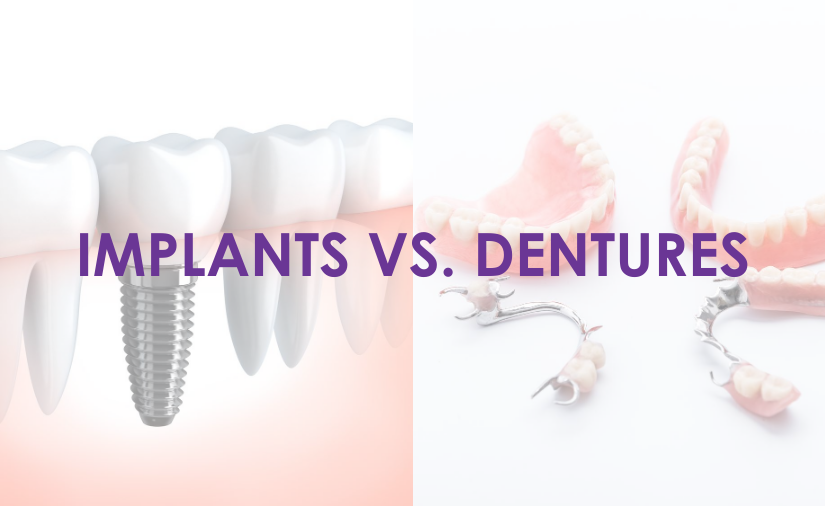
Thanks to modern dentistry, loss of a tooth – or many teeth – doesn’t have to be permanent. With a small investment of time, money and skilled expertise, it’s possible to replace teeth with implants or dentures.
When our patients are facing the loss of one or more teeth, they come to us for counseling on the best path forward. We consider it part of our customer care to walk them through the options and make sure they understand the pros and cons of each option. Dr. Elizabeth and Dr. Jeff love helping our patients understand the best choice for their individual circumstances. Here’s a quick summary as a starting point.
Implants: The Pros
The best part about implants: They feel and behave like your original teeth. You care for them in a similar way, so you likely don’t need to embrace any fresh routines or invite any new bottles or tubes into your bathroom cabinet. They will prevent neighboring teeth from migrating, so they preserve your bite. Because they are anchored in the bone, they help preserve bone mass in the jaw, Once they are established, they nearly take care of themselves. The feel of chewing, the nuances of speaking, the sensation when you run your tongue along the inside of your mouth – these will all feel completely familiar. Implants are built to last a lifetime, and they almost always do.
Implants: The Cons
Dental implants can take awhile from start to finish. Typically, it’s about six months between initial surgery and final placement of the abutment and crown. There is usually some healing time of the implant which will continue to leave you toothless for awhile. If, however, the missing tooth is in the front of the mouth, we can place a temporary tooth for cosmetic reasons. Depending on your situation, implants may cost more than other options.
Dentures: The Pros
Dentures can be crafted and placed in a shorter time period than implants. They don’t usually require surgery, but sometimes bone recontouring can be necessary to get the denture to fit just right. The initial cost of dentures is lower than most implant replacement options; however, they may need to be replaced as the shape of the jaw, mouth and adjacent teeth change over time, so in the long run may end up costing more.
Dentures: The Cons
Dentures will never feel like your natural teeth. They must be removed for cleaning, and because they can trap food, cleaning is extra important. Denture wearers may have to forgo some of their old eating habits such as corn on the cob. Because they don’t help preserve bone mass in the jaw, denture wearers are likely to experience ongoing jaw bone deterioration, which may prevent them from being a candidate for implants at a later time. Subsequent bone loss may contribute to a sunken appearance of the lower cheeks.
We hope this summary helps you understand your options. We look forward to evaluating your personal situation, and helping you embark on the tooth restoration program that fits your needs. Call us today at 651-482-8412 for your exam and consultation!

 Injuries such as falls or sports accidents can cause tooth loss. Even without immediate tooth loss, sometimes there’s sufficient trauma to the jaw bone and gums that a tooth sustains hidden damage in the nerve and root, which may take months or years to become obvious or fully abscess.
 Excessive wear from clenching or grinding your teeth can also put a lot of stress on the teeth, causing structural damage in the form of cracks or fractures. As strong as teeth are, this structural damage compounds over time and occasionally an abscess will form from bacteria accumulating in the crack or the damage will be so severe there is no longer any way to save the tooth.
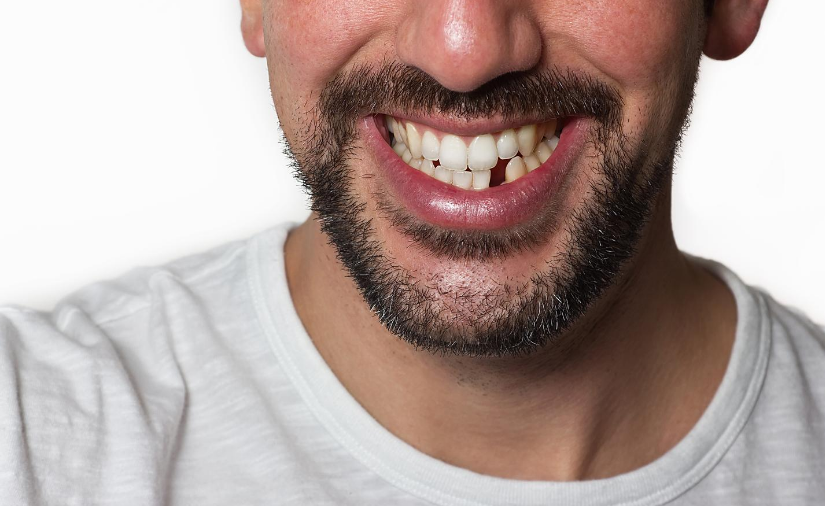
 First, there’s your confidence and self-image. If you’ve got a visible gap in your smile, you are likely to smile less. You may be self conscious when you eat or laugh. In some cases, you may have trouble with a few sounds as you speak.