By: Dr. Elizabeth Eggert
As our kids’ teeth erupt, we keep a watchful eye on alignment and spacing, wondering if they’ll need braces. If their teeth seem misaligned or crowded, we make a mental note to speak with their dentist about it at their next recare appointment and consult with an orthodontist at some point in the future.
But how many parents know that there is a proactive approach to helping their child achieve a straighter, healthier smile…and one that they can begin much earlier?
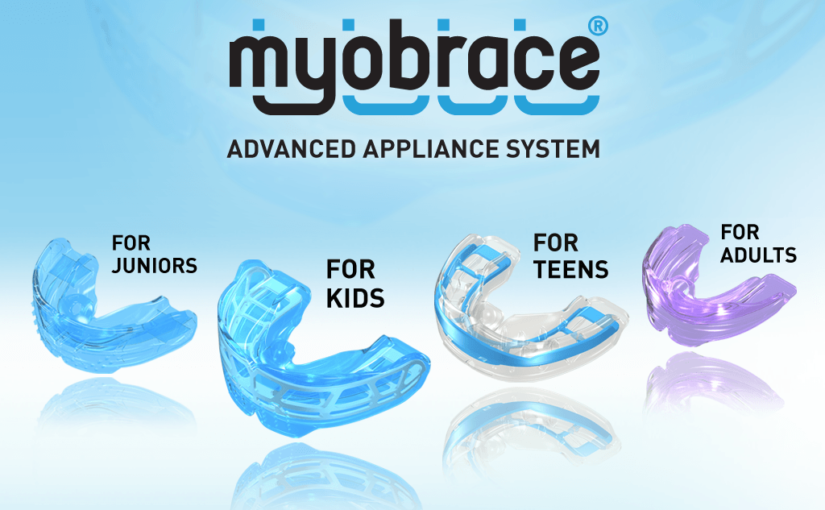
This treatment is called Myobrace®.
What is Myobrace®?
Unlike traditional orthodontic treatment that forces erupted permanent teeth into the proper position, Myobrace® unlocks natural growth and development by promoting correct facial and jaw growth. This preventative treatment is gentle and works by helping kids break bad oral habits and through the use of an intra-oral appliance.
Who is Myobrace® for?
Dr. Elizabeth and Dr. Jeff recommend beginning Myobrace® treatment for children as young as five. This allows them to work with your child from an early age to break bad habits that cause improper jaw and facial development. Some of these bad habits include thumb sucking, mouth breathing, reverse swallowing and tongue thrusting.
When your child completes their Myobrace® treatment, they will be able to breathe naturally through their nose, rest their tongue in the proper position, swallow correctly and keep their lips together comfortably.
When children begin the Myobrace® treatment, they may have only baby teeth or just a few permanent teeth. That’s ok. Believe it or not, it’s actually beneficial. Early intervention yields the best results! Ultimately, this treatment is typically administered over the course of two to three years and is recommended for kids ages 5-11.
Steps in the Myobrace® process
Note: Your child will wear a different custom appliance during each step of the Myobrace® process.
Step #1: Education
Your child will begin their Myobrace® journey with habit-correction therapy. Dr. Elizabeth or Dr. Jeff will teach them how to nose-breathe as opposed to mouth-breathe, how to properly rest their tongue and lips and how to swallow correctly. Curbing bad oral habits at a young age when their jaws are still developing is the first step towards preventing misaligned and crowded teeth.
Step #2
Arch development: If your child’s jaws are too narrow, Dr. Elizabeth or Dr. Jeff may recommend an appliance called a BioBloc or the Farrell Bent Wire System™ to widen their upper palette. This device will help make ample space for the teeth and tongue.
Step #3
Alignment: This step helps align your child’s teeth when the last of their permanent teeth are coming in. It ensures that teeth find their proper position.
Step #4:
Retention: Did you know that 90% of orthodontic patients experience structural relapse once retainers are complete? The final step in the Myobrace® process, this step solidifies your child’s results so you don’t have to worry about your child losing all the progress they achieved.
The intra-oral custom appliances are removable. For best results, children must cooperate with the process and prioritize the use of these appliances a few hours a day and overnight. In many cases, Myobrace® helps a child avoid the need for braces down the road or drastically reduces the length of time they will be in braces.
Do you think your child may be a candidate for Myobrace®? Give us a call to set up an appointment and learn more! 651.482.8412.


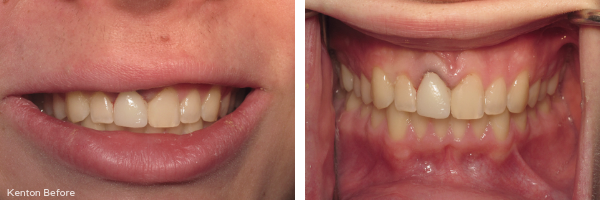

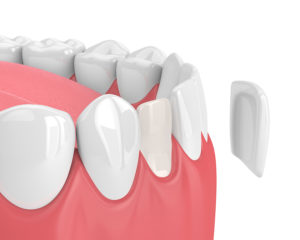 Dental veneers

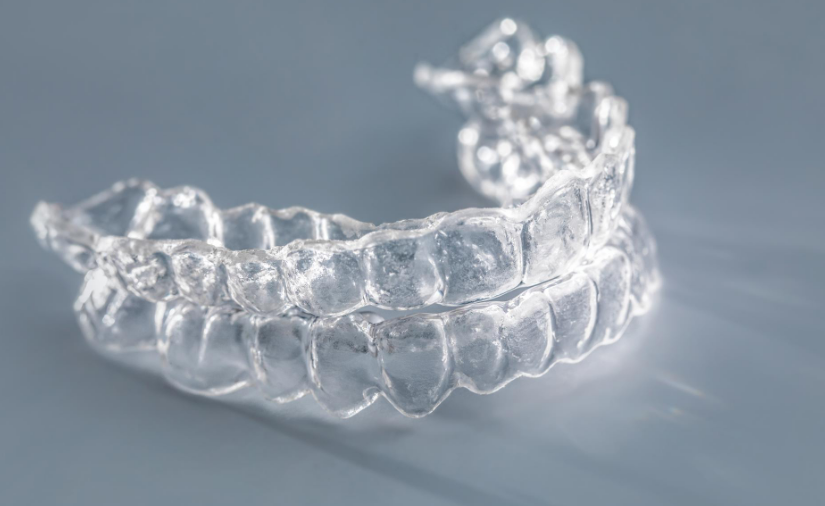
 Few dental situations make a teen feel more self-conscious than crooked teeth. Not only do braces straighten teeth and correct your teen’s bite but because crooked teeth can lead to other oral health problems, braces also reduce the instance of cavities and gum disease. It’s never too early to begin the braces conversation with Dr. Elizabeth or Dr. Jeff! While we are not an orthodontic office and only provide some Invisalign services, we are happy to refer you to some excellent orthodontists in the area when recommended.
 First of all, the best defense against a knocked out tooth is a mouthguard. Dr. Elizabeth or Dr. Jeff can craft your teen a custom mouthguard that will fit snugly against their teeth and protect them while they’re playing sports. However, we know that in some instances a permanent tooth can get knocked out. Should this happen, it’s best to rinse the tooth in cool water and try and replace the tooth in the socket by having your teen bite down on gauze or a wet washcloth. If the tooth won’t relodge, place it in a small container of milk. In both instances, give us a call right away. We will fit your teen in for an emergency appointment.